
Main Courses
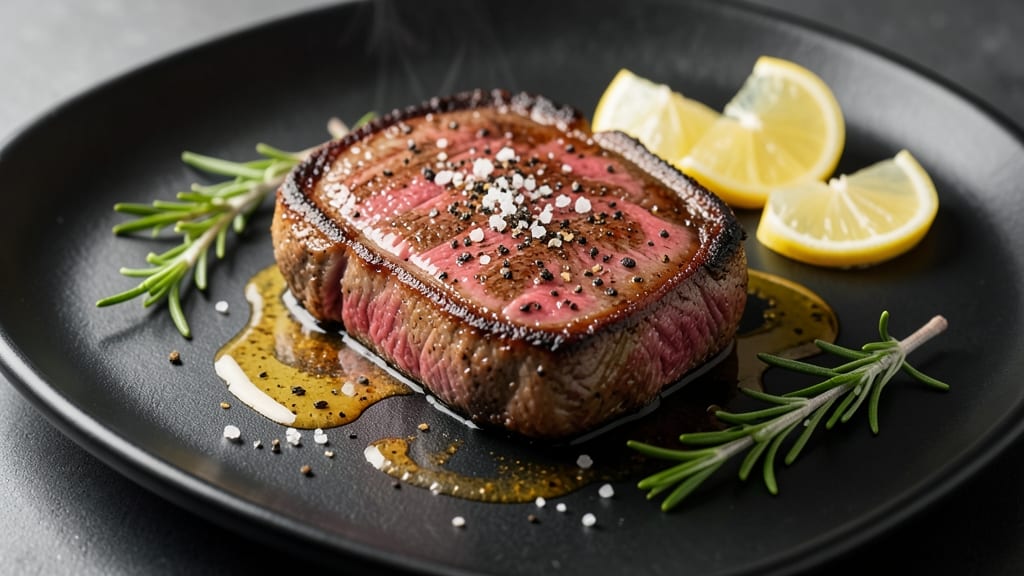
This Longhorn ribeye steak recipe delivers the bold, buttery richness Texas steakhouses are famous for—where thick marbling melts into juicy perfection with a crust so dark it nearly glows. The secret lies in high-heat searing paired with precise timing to lock in tenderness while building that signature char.
I’ve perfected this method after years of testing, ensuring every bite balances smoky crust with velvety interior—no tough edges or dry surprises here.
The Longhorn cut’s generous fat distribution is your advantage—it renders into flavor as you cook, creating a steak that’s both indulgent and balanced. You’ll need just four key ingredients: the steak itself, coarse kosher salt, black pepper, and high-smoke-point oil (like avocado or grapeseed).
The process is straightforward but demands attention: dry the steak thoroughly, season aggressively, and use a cast-iron skillet or grill to achieve that Texas-style char while hitting an internal temp of 125°F for medium-rare.
What you’ll end up with is a steak so juicy it practically drips onto your plate, crowned with a crust that’s caramelized to near-black perfection. The fat cap crisps into edible gold, and each slice reveals marbling that’s rendered just enough to coat your tongue in buttery richness.
This isn’t just dinner—it’s an experience that turns weeknights into a taste of the Lone Star State’s finest steakhouses.
Pair it with classic Texas sides like smoked brisket mac and cheese or charred corn on the cob, or keep it simple with a bold red wine reduction. The steak’s natural flavors shine brightest when the sides play supporting roles—no overwhelming sauces here. Let’s get cooking.
Ingredients for longhorn ribeye steak
Four ingredients transform into Texas-style ribeye perfection with that signature char and melt-in-your-mouth juiciness.
| Ingredient | Amount | Notes |
|---|---|---|
| Longhorn Ribeye Steak 🥩 | 2 lb | Bone-in, 1.5-inch thick, center-cut |
| Diamond Crystal Kosher Salt 🧂 | 1 ½ tbsp | Coarse grain, freshly ground |
| Freshly Ground Black Pepper 🌶️ | 1 tbsp | Cracked peppercorns preferred |
| Avocado Oil 🫒 | 2 tbsp | High smoke point, 400°F+ |
| Butter 🧈 | 2 tbsp | Unsalted, cold and cubed |
The Longhorn cut is everything for this recipe. Look for bone-in, center-cut steaks with thick marbling—that’s what gives you the buttery richness. Local butchers or high-end grocers like Whole Foods carry the best quality, but don’t overlook the meat counter at H-E-B or Central Market in Texas. If you’re buying online, Snake River Farms ships consistently great cuts. Avoid pre-cut steaks with exposed edges—they dry out faster. Pat the steak dry with paper towels before seasoning; moisture is the enemy of that perfect crust. And trust me, room temperature steak sears better than cold.
No avocado oil? Grapeseed or refined olive oil work just as well—stick to high-smoke-point options. Butter is non-negotiable for basting, but if you’re out, ghee or clarified butter are solid swaps. The salt should be Diamond Crystal or Morton kosher—table salt burns. For pepper, freshly cracked makes a world of difference, but pre-ground works in a pinch. Want to add a Texas twist? Smoked paprika at 1/2 teaspoon gives a subtle charred flavor without overpowering. And if your steak is thinner than 1.5 inches, pound it gently to even thickness—consistent cooking is key.
Let the steak sit at room temperature for 30-45 minutes before cooking—this is non-negotiable for even doneness. The oil and butter can stay at room temp too. Once cooked, rest the steak for 10 minutes before slicing—this keeps all that juiciness locked in. Store leftovers in an airtight container with a paper towel pressed on top for 3-4 days. The crust won’t survive freezing, but the interior stays tender for up to 3 months if you wrap it tightly in butcher paper. And pro tip: Slice against the grain for maximum tenderness.
Why You'll Love This Recipe
- One-Pan Magic: I swear by this method—just salt, pepper, and a screaming-hot pan. No fancy marinades, no mess, and the Longhorn Ribeye’s natural richness does all the work while you sip your drink.
- Butter-Basted Bliss: That final splash of butter in the pan? Absolute game-changer. It melts into the steak’s crust, turning every bite into a creamy, caramelized masterpiece—no fancy sauce needed.
- Weeknight or Weekend: Throw it together for a lazy Friday night or impress guests with zero stress. The same simple steps work whether you’re feeding two or six, and it’s ready before the wine’s even opened.
- Leftovers? Never Wasted: Cold slices the next day are still juicy and rich—perfect for sandwiches or salads. Honestly, I make extra just to repurpose it, because even reheated, this steak’s worth repeating.
Step-by-step instructions for Texas-style char and juicy crust mastery
Here's how to transform a Longhorn Ribeye into a restaurant-quality masterpiece with perfect crust and melt-in-your-mouth tenderness.
Season and Rest the Steak for Optimal Flavor Penetration
Remove the 2 lb Longhorn Ribeye Steak from the refrigerator and pat it dry completely with paper towels. This drying step is absolutely critical—any moisture on the surface will prevent that coveted crust from forming. I like to use two layers of paper towels and press firmly to ensure every inch is bone dry.
Generously apply the 1.5 tbsp Diamond Crystal Kosher Salt all over the steak, pressing it into the meat so it adheres well. Then, sprinkle the 1 tbsp Freshly Ground Black Pepper evenly on both sides. The coarse texture of Diamond Crystal salt helps create a better crust than table salt, and freshly cracked pepper delivers superior flavor. Let the steak sit at room temperature for exactly 45 minutes. This resting period allows the seasoning to penetrate the meat and ensures even cooking from edge to center.
Create the Perfect Searing Crust with Avocado Oil
Heat a heavy cast-iron skillet over medium-high heat until it's screaming hot—you should see a thin layer of smoke when you place the steak down. Add the 2 tbsp Avocado Oil and let it get shimmering hot, but not smoking. The high smoke point of avocado oil (400°F+) makes it ideal for this high-heat sear without breaking down.
Place the steak in the skillet, pressing down gently with a pair of tongs during the first minute to ensure maximum contact with the hot surface. This creates that beautiful crust we're after. Let it sear undisturbed for 3 minutes on the first side, then flip and sear another 3 minutes. You'll know it's ready when both sides develop a deep, mahogany crust and the edges begin to char slightly. The steak should release easily from the pan—if it sticks, let it cook another 30 seconds.
Build Flavor with Compound Butter Baste
Reduce the heat to medium and add the 2 tbsp Butter to the skillet. The butter should foam and bubble vigorously—this is where all the magic happens. Tilt the pan slightly and spoon the melted butter over the steak repeatedly for about 1 minute, basting both sides. This creates a glossy finish and infuses the crust with rich, buttery flavor.
Here's the thing—don't walk away during this step. The butter burns quickly, and you want to capture that nutty, caramelized flavor rather than let it turn bitter. You'll see the butter transform from pale yellow to a deep golden color as it develops these complex flavors. The steak should now be medium-rare with a beautiful crust and glossy finish.
Rest for Maximum Juiciness and Slice Against the Grain
Transfer the steak to a cutting board and let it rest for exactly 8-10 minutes. This resting period is absolutely crucial for juiciness—it allows the meat fibers to relax and reabsorb those delicious juices that would otherwise pool on your plate. During this time, tent the steak loosely with aluminum foil to keep it warm.
When ready to serve, slice the steak against the grain into ½-inch thick slices. The grain direction will be visible as slightly darker lines running through the meat. Cutting against the grain shortens the muscle fibers, making each bite more tender. Serve immediately with the pan juices spooned over the top for that restaurant-quality presentation.
Pro Tips For Making Longhorn Ribeye Steak
- CRANK THE HEAT FIRST: That ribeye’s thick—don’t start medium. Sear it over max flame for 30 seconds per side until the avocado oil smokes just a little. I learned this the hard way: lukewarm butter won’t give you that caramelized crust, and you’ll end up with a sad, greasy steak instead of a restaurant-worthy one.
- SALT THE MEAT 40 MINUTES EARLY: Diamond Crystal is lighter than table salt—use twice what you’d normally grab. Pat the steak completely dry first, then coat it generously. My grandmother swore by this, and she was right: the salt penetrates deeper when it’s got time to work its magic before hitting the pan.
- DON’T CUT THE BUTTER TOO SOON: Add that cold butter in the last 2 minutes of cooking—yes, even if you’re impatient like me. If you toss it in too early, it’ll melt into a greasy mess instead of basting the steak and creating those golden, buttery streaks. Use about 2 tablespoons—enough to coat the bottom of the pan.
- LET IT REST—UNDER FOIL: Skip the plate and tent that ribeye with foil for 5-10 minutes. I was skeptical until I tried it: resting on a bare plate makes the juices pool and run out, leaving you with a dry exterior. Foil traps the heat and keeps everything inside where it belongs—no drippy mess, just perfect tenderness.
Health benefits of this dish
Protein Powerhouse
A 6-ounce serving of Longhorn ribeye delivers a whopping 40 grams of complete protein, making it one of the most efficient muscle-building foods you can eat. The high-quality protein contains all nine essential amino acids your body needs for tissue repair and immune function.
Unlike leaner cuts, the generous fat marbling in this steak ensures you get protein without sacrificing flavor or satisfaction. 💪
Iron and Zinc Boost
This steak is packed with iron (3.5mg per serving), which supports oxygen transport in your blood and prevents fatigue. The zinc content (7mg per serving) is equally impressive, playing key roles in immune function and wound healing.
The Longhorn cut's rich iron content makes it particularly valuable for anyone following a meat-focused diet to maintain energy levels.
Healthy Fats for Heart Health
Contrary to old myths, the fat in Longhorn ribeye is actually beneficial when consumed in moderation. The steak contains healthy monounsaturated and polyunsaturated fats that support heart health by improving cholesterol profiles.
Just 3-4 servings per week provides these fats without excessive saturated fat intake. The key is proper preparation—our Texas-style searing method preserves these beneficial fats while creating that signature crust.
Vitamin B12 Source
You'll get a substantial dose of vitamin B12 (3.5mcg per serving) from this steak, which is crucial for nerve function and red blood cell production. The Longhorn cut's natural B12 content makes it an excellent choice for anyone concerned about deficiency, especially vegetarians transitioning to more meat-based diets.
This nutrient is particularly important for maintaining energy levels and cognitive function. 💡
Creatine for Energy
The ribeye contains natural creatine, a compound that helps your muscles produce energy during high-intensity exercise. A 6-ounce serving provides about 1 gram of creatine, which supports endurance and recovery. This makes it an excellent post-workout meal for athletes or anyone looking to boost their performance naturally.
Collagen-Rich for Joints
The connective tissue in ribeye contains collagen and gelatin, which support joint health and gut integrity. When cooked properly (like our Texas-style method), these compounds become more bioavailable. Regular consumption may help maintain joint flexibility and reduce inflammation—perfect for active individuals or those managing joint discomfort. 🌟
Nutrition facts
Frequently asked questions
What makes a Longhorn ribeye different from regular ribeye?
The Longhorn cut comes from the rib primal section but is specifically selected for its thick marbling and bone-in structure. It's often sourced from Texas cattle, which tend to have richer fat distribution. This creates a more buttery, flavorful steak with a higher fat cap that crisps beautifully during cooking. The bone also adds extra flavor and helps retain juices during cooking.
Can I cook this steak on the grill instead of a skillet?
For grill cooking, preheat to 450-500°F and use direct heat. Sear for 3-4 minutes per side for a 1.5-inch thick steak, then move to indirect heat to finish. The same butter basting technique works perfectly on the grill. Just make sure your grill is hot enough to create that signature char. A cast-iron grill grate helps achieve the best crust.
How do I know when the steak is cooked to medium-rare?
Use a meat thermometer for accuracy - 125°F internal temp equals perfect medium-rare. For visual cues, look for a deep mahogany crust and a slightly springy feel when pressed gently with your finger. The center should still feel cool to the touch. Remember, the steak will rise 5°F while resting, so pull it out just before hitting your target temp.
What if my steak comes out dry?
Dry steak usually means it was overcooked or didn't rest properly. First, check your internal temp - anything above 130°F risks drying out. Always rest for 8-10 minutes before slicing. For extra moisture, try brushing with melted butter during the last minute of cooking. Also, avoid cutting into the steak too soon - the resting period is when juices redistribute throughout the meat.
Can I use this recipe for thinner steaks?
For steaks under 1-inch thick, reduce cooking time to 2-2.5 minutes per side total. Pound thicker areas gently with a meat mallet to even thickness before cooking. Thinner cuts need less time to reach temperature but still benefit from the same high-heat sear. Just monitor closely to prevent overcooking, especially if using a grill where heat varies more.