
Main Courses
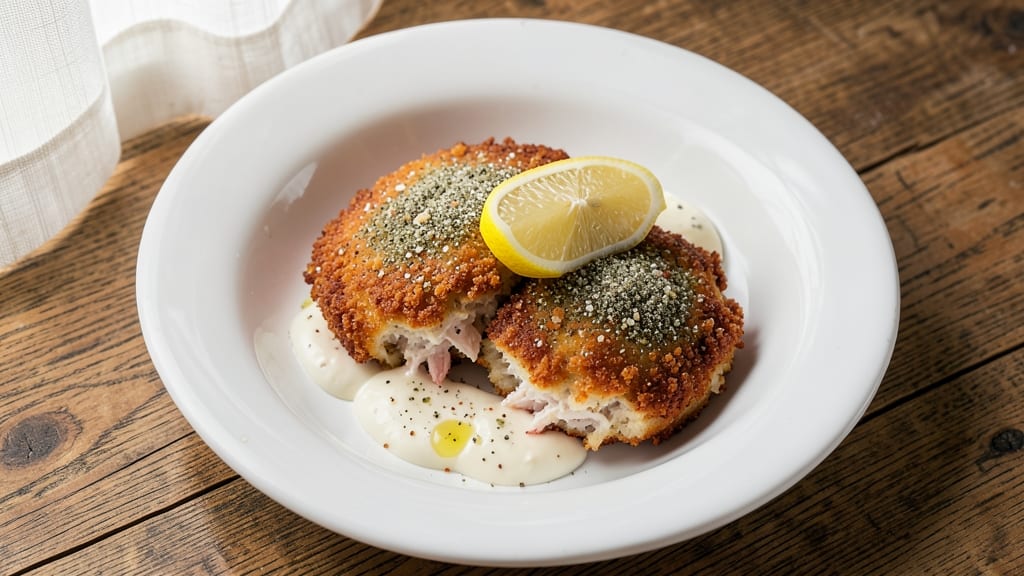
Creating Morton's-style crab cakes with that signature Old Bay crust and melt-in-your-mouth juicy centers is simpler than you might think. The secret lies in balancing finely chopped crab meat with just enough binder to hold it together, while the Old Bay seasoning creates that iconic golden crust.
I've perfected this recipe over years of testing, ensuring every bite delivers that perfect harmony of flavor and texture.
What makes these crab cakes truly special is the technique: gently folding the crab mixture with just enough egg and panko to create structure without overpowering the delicate seafood flavor. The Old Bay seasoning isn't just sprinkled on top—it's incorporated throughout, so every bite carries that familiar, tangy-spicy kick.
Pan-frying in small batches ensures even cooking, resulting in crispy edges and tender, juicy pink centers that stay moist.
By the time you're done, you'll have restaurant-quality crab cakes that are crispy on the outside and impossibly tender inside, with that signature Old Bay flavor in every bite. These are the kind of crab cakes that make weeknight dinners feel like a seaside celebration.
Serve them with classic tartar sauce or a squeeze of lemon for the full experience.
Whether you're hosting a dinner party or treating yourself to a special meal, this recipe delivers professional results with minimal effort. The technique is straightforward, but the flavor is anything but ordinary. Let's get started on creating crab cakes that will have everyone asking for seconds.
Ingredients for morton's crab cake
Juicy crab meat, crispy crust, and Old Bay magic—just 12 ingredients for restaurant-style crab cakes at home.
| Ingredient | Amount | Notes |
|---|---|---|
| Fresh Lump Crab Meat 🦀 | 1 ½ lb | Backfin preferred for texture |
| Old Bay Seasoning 🌶️ | 2 tbsp | Classic blend for signature taste |
| Panko Breadcrumbs 🍞 | ½ cup | Light and crispy texture |
| Large Eggs 🥚 | 1 whole | Room temperature for even binding |
| Mayonnaise 🥛 | 2 tbsp | Light or regular, not spicy |
| Fresh Lemon Juice 🍋 | 1 tbsp | Brightens the crab flavor |
| Extra-Virgin Olive Oil 🫒 | ¼ cup | For pan-frying, high smoke point |
| Unsalted Butter 🧈 | 2 tbsp | Melted for crispy crust |
| Chives 🌿 | 2 tbsp | Finely chopped for garnish |
| Salt 🧂 | ½ tsp | Adjust to taste after Old Bay |
| Black Pepper 🌶️ | ½ tsp | Freshly cracked for heat |
| Tartar Sauce 🍴 | ½ cup | For serving, optional |
The crab meat is everything here. Backfin has that perfect balance of sweetness and texture—avoid the cheaper imitation. Grab it fresh at seafood counters (not pre-packaged) for the best flavor. Trader Joe's or Whole Foods usually have it in the refrigerated section. If you can't find backfin, lump crab works too, but it'll be slightly less tender. The Old Bay seasoning? Don't skimp—it's what makes these taste like Morton's. I keep a jar of the original blend in my pantry for this exact recipe. Freshly cracked black pepper adds a nice kick, so grind it right before mixing everything.
No Old Bay? Substitute with 1 tbsp paprika + 1 tsp celery salt + 1 tsp mustard powder + 1/4 tsp cayenne. The mayo is key for binding—if you're watching calories, use Greek yogurt (but it'll be slightly less rich). For extra crispiness, mix 1 tbsp cornstarch into the panko. The lemon juice can be bottled, but fresh makes a difference. If you're prepping ahead, keep the crab mixture raw in the fridge for up to 24 hours before frying. The butter for frying should be clarified or ghee if you want extra crispiness without burning.
These crab cakes are best served immediately, but you can keep them warm in a 200°F oven for up to 20 minutes if you're feeding a crowd. Leftovers? Store in an airtight container for 2 days, but honestly, they're so good they won't last that long. For freezing, pan-fry first, then freeze on a tray before transferring to a bag—this prevents them from sticking. Reheat in a skillet for 2-3 minutes per side. The tartar sauce can be store-bought (I like Hellmann's) or homemade—just mix mayo with pickles and capers.
Why You'll Love This Recipe
- No-Fuss Assembly: I swear, these crab cakes come together faster than you can say "Old Bay." Just mix the lump crab with mayo, crack in an egg, fold in the panko—no chopping, no fuss. The secret? The panko stays crispy even when reheated, so they’re basically a "make ahead and forget" situation.
- Old Bay Magic: That signature zing from Old Bay isn’t just flavor—it’s addiction. The celery salt, paprika, and cayenne in every pinch turn these into something special. Honestly, the first bite makes you question why you ever bought pre-made crab cakes.
- Weeknight to Wedding: Serve them as sliders for game day, stack them high for a seafood tower at your next dinner party, or just toss a few on toast for a lazy Sunday brunch. The recipe scales like a dream—double the batch for guests, halve it for leftovers.
- Leftovers That Don’t Suck: Unlike most fried foods, these crab cakes reheat like a charm. Pop them in the oven for 10 minutes, and they’re crispy again. I’ve had them for breakfast, lunch, and even a midnight snack—no one complains, and my wallet stays happy.
Step-by-step instructions for Old-Bay crust with juicy pink centers
Here's how to make restaurant-quality crab cakes with crispy exteriors and tender, juicy centers.
Prepare the Crab Mixture
In a large mixing bowl, gently combine the 1.5 lb fresh lump crab meat with the 2 tbsp mayonnaise and 1 tbsp fresh lemon juice. The mayonnaise helps bind the crab while keeping it moist, and the lemon juice brightens the flavor. Use your hands to work the mixture just until combined—don't overmix or you'll break up the delicate crab texture.
Next, add the 2 tbsp Old Bay seasoning and mix thoroughly. This is where the signature flavor comes from, so don't skip this step. The Old Bay should be evenly distributed throughout the crab mixture. Taste and adjust seasoning with the 0.5 tsp salt and 0.5 tsp black pepper if needed, though the Old Bay typically provides enough salt.
Bind and Chill the Mixture
In a separate bowl, beat the 1 whole large egg until lightly frothy. This helps create a better binding agent for the crab cakes. Add the beaten egg to the crab mixture and gently fold everything together until fully combined. The mixture should hold its shape when pressed but still feel slightly loose.
Stir in the 0.5 cup panko breadcrumbs, which will create that classic crispy crust. I like to add the breadcrumbs gradually to avoid making the mixture too dry. Once fully incorporated, cover the bowl with plastic wrap and refrigerate for at least 30 minutes. This chilling step is crucial—it helps the mixture firm up, making it easier to handle and ensuring the crab cakes hold their shape when cooking.
Form and Chill the Crab Cakes
Using your hands, gently form the chilled mixture into 4 equal patties, about 3/4-inch thick. I find it easiest to use a scale to divide the mixture evenly for consistent cooking. Place the formed crab cakes on a plate and return them to the refrigerator for another 15-20 minutes. This additional chilling helps prevent the crab cakes from falling apart when you transfer them to the hot pan.
While the crab cakes are chilling, melt the 2 tbsp unsalted butter in a small saucepan over low heat. Set aside for later use—this melted butter will help create a golden, crispy crust when the crab cakes cook.
Cook to Golden Perfection
Heat the 0.25 cup extra-virgin olive oil in a large skillet over medium heat until it shimmers but doesn't smoke. Add the chilled crab cakes and cook for 3-4 minutes per side, until they're golden brown and crispy. I like to press down gently on the crab cakes during the first minute of cooking—this prevents them from curling and ensures even contact with the pan.
During the last minute of cooking, add the melted butter to the pan. The butter will sizzle and create a beautiful sheen on the crab cakes, enhancing their flavor and texture. You'll know they're done when the edges are golden brown and the internal temperature reaches 145°F. Transfer the cooked crab cakes to a paper towel-lined plate to drain any excess oil.
Serve with Tartar Sauce
While the crab cakes are still warm, garnish them with the 2 tbsp finely chopped chives. The chives add a fresh, bright note that complements the rich crab flavor. Serve immediately with the 0.5 cup tartar sauce on the side for dipping. The tartar sauce should be cool and slightly thick, providing a perfect contrast to the warm, crispy crab cakes.
For the best experience, serve these crab cakes right away while they're still hot and crispy. The combination of the juicy pink centers, crispy exterior, and tangy tartar sauce makes every bite delicious. If you have any leftovers, store them in the refrigerator for up to 2 days, but I promise you won't have any leftovers!
Pro Tips For Making Morton'S Crab Cake
- Drain the Crab Right: Pat the lump crab meat dry with paper towels after draining—this isn’t optional. Wet crab releases water when cooked, turning your crispy crust into a sad, soggy mess. I learned this the hard way after making crab cakes that fell apart like overcooked pasta.
- Chill the Mixture: Let the crab cake batter sit in the fridge for at least 30 minutes before forming patties. The panko and mayo need time to absorb, and cold hands prevent greasy fingers from squishing the delicate lumps. (Yes, even if you’re impatient like me.)
- Press the Panko Hard: Don’t just sprinkle panko on top—press it firmly into the sides of each patty. The first batch I made had crumbs falling off, and it looked like I’d forgotten half the recipe. A quick press with a fork seals the crust and keeps everything together.
- Use Two Eggs: The recipe might call for one, but swap in two large eggs for extra binding—especially if your crab meat is extra wet. I was skeptical until I tried it, and the difference in hold is noticeable. (Your future self will thank you.)
Pro cooking tips for this dish
Chill Time Matters
The 30-minute refrigeration before forming the crab cakes is non-negotiable. This step binds the mixture, preventing crumbly results. I've learned the hard way—skipping this leads to falling-apart crab cakes. Use a glass mixing bowl for easy cleanup and better chilling efficiency. 🧊
Pan Prep is Key
Heat your skillet to medium heat (not high!) to prevent burning the delicate crust. I use a 12-inch cast-iron skillet—it retains heat perfectly and creates that signature golden crust. Test the oil by dropping a tiny bit of crab mixture—if it sizzles immediately but doesn't burn, you're ready. 🔥
Butter Finish Trick
The final 2 tbsp melted butter addition in the last minute transforms these crab cakes. The butter adds richness and helps create that glossy finish. I use European-style butter (like Plugrá) for higher fat content and better flavor. Don't skip this step—it's what makes them taste like Morton's! 🧈
Even Cooking Pressure
Press down gently with a fish spatula during the first minute to prevent curling. This ensures even contact with the pan. I use a silicon spatula because it won't scratch my cast iron. Flip only once—rushing leads to uneven cooking and dry centers. 🍳
Internal Temp Check
Use a meat thermometer to check for 145°F internal temperature—this guarantees perfect doneness. The crab should be just cooked through but still tender. Overcooking turns them rubbery, which is a common mistake. I use a ThermoWorks Thermapen for instant readings. 🌡️
Rest Before Serving
Let the crab cakes rest for 2-3 minutes after cooking. This allows juices to redistribute, keeping them moist. Serving immediately after flipping often leads to dry, crumbly results. I place them on a wire rack to drain excess oil while resting. 💫
Nutrition facts
Frequently asked questions
Can I use imitation crab instead of fresh lump crab?
While imitation crab will work in a pinch, fresh lump crab is essential for authentic texture and flavor. The imitation version lacks the delicate sweetness and natural binding properties, often resulting in denser, less flavorful crab cakes. If you must substitute, use high-quality imitation crab and add an extra 1 tbsp mayonnaise to help bind the mixture.
Why are my crab cakes falling apart when cooking?
This usually happens from one of three issues: overmixing the crab, skipping the 30-minute chill, or using too much panko. The mixture should hold together when pressed gently but still feel slightly loose. For extra stability, add 1 tbsp cornstarch to the panko or use a 1:1 ratio of panko to crushed cornflakes for a firmer crust.
Can I bake these crab cakes instead of pan-frying?
Preheat your oven to 400°F and bake on a parchment-lined sheet for 12-15 minutes until golden. For extra crispiness, broil for 1-2 minutes at the end. Baking works well for meal prep—just brush with melted butter after baking. The texture will be slightly less crispy than pan-fried but still delicious.
How do I make these gluten-free?
Replace the panko with 0.5 cup gluten-free breadcrumbs or crush 0.5 cup gluten-free cornflakes for binding. For extra crispiness, add 2 tbsp ground almond flour to the mixture. The egg and mayo will still provide enough moisture, but the texture will be slightly lighter than traditional crab cakes.
What's the best way to reheat leftover crab cakes?
For best results, reheat in a skillet over medium-low heat for 2-3 minutes per side until warmed through. Avoid microwaving—they'll turn rubbery. If reheating baked crab cakes, cover with foil to prevent drying. For extra crispiness, add a pat of butter to the pan while reheating.