Side Dishes
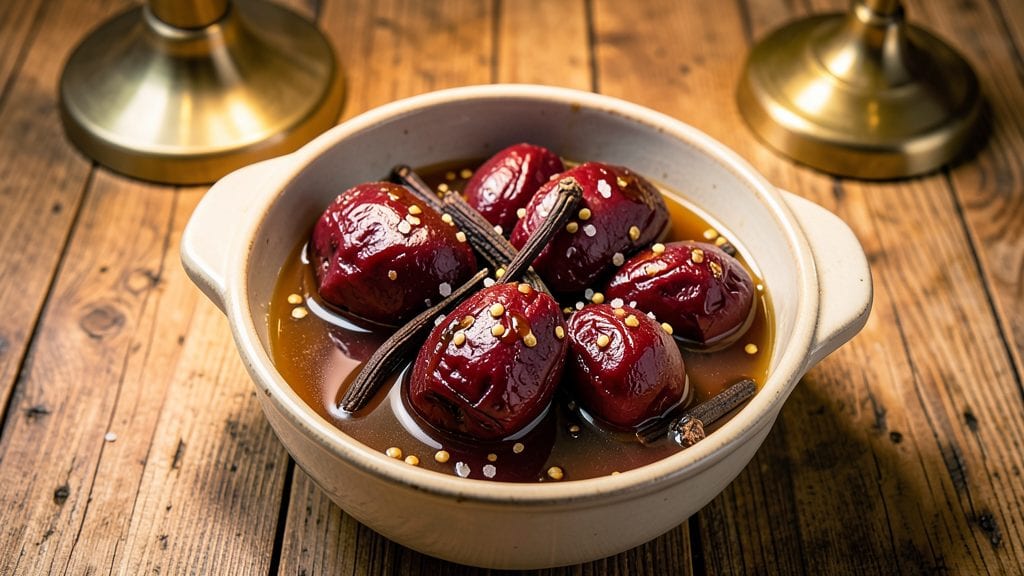
This old-fashioned sweet pickled beetroot recipe preserves the earthy sweetness of fresh beets in a bright, tangy vinegar brine that takes just 10 minutes of active prep time.
The traditional method uses simple ingredients—beets, vinegar, sugar, and spices—to create a side dish that keeps for months while developing deeper flavor with each passing week.
I first discovered this recipe in a vintage cookbook, where it was described as "the perfect balance of sweet and sour," and it’s become a staple in my kitchen ever since.
The beauty of this recipe lies in its simplicity and versatility. You’ll need just five core ingredients—beets, white vinegar, granulated sugar, mustard seeds, and cloves—plus sterilized jars to preserve the pickled beets for up to a year.
The process involves boiling the beets until tender, packing them into jars with the vinegar-sugar-spice mixture, and sealing them while hot. It’s a foolproof method that yields a product with a satisfying crunch and a sweet-tangy flavor that pairs beautifully with charcuterie, sandwiches, or even as a standalone snack.
What makes these pickled beets truly special is how their flavor evolves over time. Fresh out of the jar, they’re bright and slightly sweet, but after a few weeks, the vinegar mellows, and the beets develop a deeper, caramelized richness.
The mustard seeds add a subtle kick, while the cloves lend warmth, creating a harmonious balance that’s both comforting and unexpected. Whether you’re serving them alongside roasted meats or using them as a garnish for salads, these pickled beets bring a touch of old-world charm to any meal.
This recipe is perfect for those who appreciate the art of preservation and the satisfaction of making something that lasts. The 10-minute prep time makes it an easy weekend project, and the results are worth the effort—jars of sweet, tangy beets that will keep your kitchen stocked for months.
Let’s get started on a tradition that’s as rewarding as it is delicious.
Ingredients for old fashioned sweet pickled beetroot
Five simple ingredients transform into sweet, tangy pickled beets that keep for months.
| Ingredient | Amount | Notes |
|---|---|---|
| Medium Beets 🍠 | 4 whole | Organic preferred, scrubbed clean |
| White Vinegar 💧 | 2 cups | 5% acidity for balance |
| Granulated Sugar 🍚 | 1 ½ cups | White or raw cane sugar |
| Yellow Mustard Seeds 🌶️ | 1 tbsp | Whole seeds, not powdered |
| Whole Cloves 🌿 | 4 whole | Freshly crushed slightly |
| Bay Leaves 🍃 | 2 whole | Dried, standard size |
| Salt 🧂 | 1 ½ tsp | Kosher or sea salt |
| Clean Pint-Sized Mason Jars 🥫 | 4 pieces | With lids and rings |
| Water 💧 | 2 cups | For sterilizing jars |
For the beets, organic is ideal—they hold their shape better during boiling. Most grocery stores carry them pre-washed, but scrubbing them yourself ensures no dirt gets trapped in the crevices. Trader Joe's and Whole Foods often have the best selection, with consistent sizing. If you can't find organic, regular beets work fine—just peel them thoroughly. The vinegar should be 5% acidity or higher for proper preservation, and white vinegar gives the classic tangy flavor without overpowering the sweetness. For the mustard seeds, yellow is traditional, but brown works too—just adjust the amount to taste after tasting the brine.
No white vinegar? Apple cider vinegar works beautifully—it adds a subtle fruitiness that pairs well with the beets. Running short on mustard seeds? 1/4 tsp ground mustard is a pinch substitute, but the texture will differ. The bay leaves are optional but recommended—they add a subtle earthiness that complements the beets. For a spicier kick, add a pinch of red pepper flakes to the jars. The sugar is non-negotiable here—it balances the acidity and keeps the beets tender. If you're concerned about the sweetness, start with 1 cup and adjust to taste after tasting the brine.
Sterilize jars and lids by boiling them in water for 10 minutes before filling. The pickled beets develop best when stored in a cool, dark place—a pantry or cellar works perfectly. They'll be ready to eat in 2 weeks, but their flavor peaks after 2-3 months. Once opened, they'll keep in the fridge for up to 3 months. I always make a double batch—they disappear fast at holiday gatherings. For extra preservation, leave 1/2-inch headspace in each jar before sealing.
Why You'll Love This Recipe
- No-Cook Magic: I swear by this recipe when I’m too tired to boil anything. Just peel, slice, and let the vinegar and sugar work their spell—no stove, no fuss, just pure satisfaction.
- Sweet-Tart Perfection: That balance of sugar and vinegar? It’s like a hug in your mouth. The cloves add warmth, while the mustard seeds give a tiny, unexpected crunch that makes it unforgettable.
- Holiday Table Star: Between us, these beets disappear at Thanksgiving—no one even remembers they’re veggies. Serve them with roast chicken or charcuterie, and suddenly you’re the host who gets flavor.
- Pantry Goldmine: A jar lasts months, and the cost? Peanuts. Use them in sandwiches, salads, or just snack straight from the jar. Honestly, it’s the kind of recipe that makes you feel like a savvy shopper.
Step-by-step instructions for old fashioned sweet pickled beetroot
This classic preservation method transforms humble beets into vibrant, sweet-tart preserves with minimal effort.
Prepare the Beets for Preservation
Preheat your oven to 375°F. Wrap each of the 4 whole medium beets tightly in aluminum foil, ensuring no gaps remain. This prevents them from drying out during cooking. Place the wrapped beets on a baking sheet and roast for 45-50 minutes until they yield easily when pierced with a sharp knife.
Once tender, remove the beets from the oven and let them cool slightly. While still warm, carefully peel away the skins using a vegetable peeler or your fingers. The skins should slide off easily when the beets are properly cooked. Cut each beet into ¼-inch thick slices or leave them whole if preferred. The uniform slices will pack more neatly into the jars, but whole beets maintain their shape beautifully.
Sterilize Jars and Prepare the Brine
Place the 4 clean pint-sized mason jars and their lids in a large pot. Cover with the 2 cups of water and bring to a boil over high heat. Boil for 10 minutes to sterilize completely. This step is crucial for preventing spoilage and ensuring your pickled beets stay fresh for months.
While the jars sterilize, combine the 2 cups of white vinegar, 1.5 cups of granulated sugar, 1.5 teaspoons of salt, 1 tablespoon of yellow mustard seeds, 4 whole cloves (lightly crushed), and 2 whole bay leaves in a large mixing bowl. Stir until the sugar and salt dissolve completely. The mixture should be clear with visible spices settled at the bottom. This brine will infuse the beets with its signature sweet-tart flavor.
Pack and Preserve the Beets
Using a slotted spoon, carefully transfer the roasted beet slices to the sterilized jars, packing them tightly. Pour the warm brine over the beets, filling each jar to within ½ inch of the rim. This headspace allows for proper sealing. Use a wooden spoon or chopstick to gently press down on the beets, ensuring they're fully submerged in the brine.
Wipe the rims of the jars with a clean, damp cloth to remove any residue. Place the lids on the jars and screw on the rings until they're fingertip-tight. Don't overtighten, as this can prevent a proper seal. Transfer the jars to a cool, dark place to cool completely for 24 hours. This resting period allows the flavors to meld and the jars to seal properly.
Store and Enjoy Your Preserves
After 24 hours, check that each jar has sealed by pressing down on the center of the lid. If it doesn't pop back up, the jar has sealed successfully. Store the jars in a cool, dark pantry for up to 12 months. The longer they sit, the more complex their flavor becomes, developing a beautiful balance of sweetness and tang.
To serve, simply open a jar and enjoy the beets straight from the brine. They're perfect on charcuterie boards, paired with sharp cheeses, or incorporated into salads for a touch of vibrant color and sweet-tart contrast. The mustard seeds add a subtle crunch, while the cloves and bay leaves lend an aromatic depth that elevates these simple preserves into something truly special.
Pro Tips For Making Old Fashioned Sweet Pickled Beetroot
- PEEL BEETS AFTER COOKING: I learned this the hard way—raw beets are stubborn, and peeling them before cooking wastes time and often leaves stubborn patches. Boil them whole with skins on, then plunge into ice water for 2 minutes before peeling. The skins slide off like magic, and you won’t lose any precious flesh to the knife.
- USE HOT VINEGAR FOR PICKLING: Cold vinegar just won’t cut it. Heat the vinegar, sugar, and spices in the jar until the sugar dissolves completely—this ensures even distribution and a smoother, sweeter flavor. I used to skip this, and the pickling liquid always tasted uneven.
- SKIP THE OVERCROWDING: Stuffing beets into jars too tightly? Big mistake. Leave a ½-inch gap between slices so the syrup penetrates evenly. I once jammed them in and ended up with soggy, underflavored beets after a week—now I pack them loosely and let the liquid do its job.
- STAR ANISE UPGRADE: Swap whole cloves for a single star anise pod or two—it adds a subtle licorice note that old-fashioned recipes often miss. Toss it in with the mustard seeds and cloves while heating the vinegar mixture. Sounds weird, but it works: the beets develop a depth you won’t find otherwise.
Best sauces and condiments for this recipe
Honey-Vinegar Glaze
This simple glaze elevates pickled beets by adding a glossy, caramelized finish. Combine 2 tablespoons white vinegar, 1 tablespoon honey, and 1 teaspoon Dijon mustard in a small saucepan.
Simmer over low heat for 3 minutes until slightly thickened. Brush generously over sliced beets before serving—it enhances their natural sweetness while cutting through richness. 🍯
Creamy Horseradish Sauce
For a bold contrast, mix ½ cup sour cream, 2 tablespoons prepared horseradish, 1 teaspoon lemon juice, and ½ teaspoon salt in a bowl. Thin with 1 tablespoon water if needed.
This tangy sauce pairs perfectly with pickled beets on sandwiches or as a dip for crusty bread. The horseradish’s sharpness balances the beets’ sweetness beautifully. 🌶️
Spiced Yogurt Dip
Whisk together 1 cup Greek yogurt, 1 teaspoon dried dill (or fresh chopped), ½ teaspoon garlic powder, and ¼ teaspoon black pepper. Add 1 tablespoon lemon juice for brightness.
This creamy dip works wonders with pickled beets on veggie platters or as a spread for pita. The yogurt softens the beets’ texture while adding probiotic benefits. 🥄
Balsamic Reduction
Reduce ½ cup balsamic vinegar in a small saucepan over medium heat for 8-10 minutes until syrupy. Drizzle over pickled beets straight from the jar or toss with roasted vegetables.
The deep, caramelized notes complement the beets’ earthy sweetness. For extra depth, add a pinch of crushed black pepper before drizzling. 🍷
Mustard-Cream Cheese Spread
Blend 4 oz cream cheese (softened), 2 tablespoons whole-grain mustard, and 1 teaspoon apple cider vinegar until smooth. Spread on toasted baguette slices and top with pickled beets. The mustard’s warmth and cream cheese’s richness create a luxurious pairing that’s perfect for brunch or appetizers. 🥖
Herbed Olive Oil
Infuse ¼ cup extra-virgin olive oil with 1 tablespoon chopped fresh parsley, 1 teaspoon dried oregano, and 1 crushed garlic clove. Let sit for 10 minutes before drizzling over pickled beets.
The aromatic oil enhances their natural flavors while adding a Mediterranean touch. Use within 3 days for maximum freshness. 🌿
Nutrition facts
Frequently asked questions
Can I use fresh beets instead of roasted ones?
Roasting first is key for tender, evenly flavored pickled beets! Fresh beets will turn mushy and lose their shape during the long preservation process. The 45-minute roast at 375°F breaks down their natural fibers, creating that perfect crunchy-yet-tender texture. If you're short on time, try parboiling for 15 minutes first, but roasting delivers the best results.
How do I know if my jars are properly sealed?
After 24 hours, press the center of each lid—it should stay down and not pop back up. If it springs back, the jar didn't seal properly and needs refrigeration within 3 days. For extra security, check for a slight indentation in the lid (the "vacuum seal"). Unsealed jars may develop mold or off odors—always discard any suspicious jars immediately.
Can I adjust the sweetness level?
The 1.5 cups sugar is a classic ratio, but you can reduce it to 1 cup for less sweetness or increase to 2 cups for a richer flavor. Taste the brine before pouring—it should be pleasantly sweet but not cloying. For a honey twist, replace ½ cup sugar with honey, though it'll make the brine thicker.
What's the best way to store opened jars?
Once opened, transfer the beets to an airtight container and refrigerate. They'll keep for 3 months this way, though flavor peaks within 2 weeks. For longer storage, freeze the brine and beets together in a freezer-safe bag—thaw overnight in the fridge before using. The texture softens slightly after freezing, but the flavor remains vibrant.
Why did my pickled beets turn cloudy?
Cloudiness usually means the vinegar wasn't hot enough when poured over the beets. Always use warm brine (not boiling) to maintain clarity. Another cause? Overcrowding jars—leave ½-inch headspace for proper sealing. If it's too late, don't worry! The flavor stays delicious, though the appearance may be slightly off. For next time, try adding 1 extra cup vinegar to the brine for extra brightness.