
Desserts
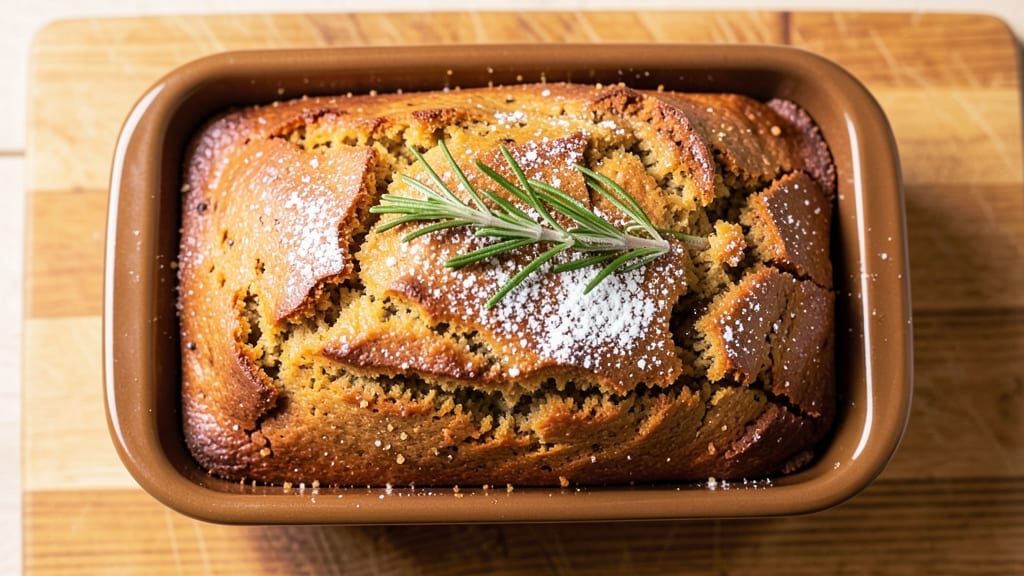
The original Libby’s pumpkin bread recipe with oil—this classic version—delivers that signature moist crumb and warm spice harmony that makes every slice irresistible.
Standing on a step stool in my grandmother's kitchen in Sicily, I learned how proper fat selection transforms simple cakes into showstoppers—oil keeps this bread tender without overpowering the pumpkin flavor. The secret lies in precise ingredient ratios and gentle mixing to maintain air pockets for that perfect rise.
This recipe uses Libby's 100% pure pumpkin puree for reliable flavor and texture, combined with vegetable oil to create a moist, tender crumb that stays fresh for days.
Warm spices like cinnamon, nutmeg, and ginger infuse the batter with autumnal comfort, while the molasses adds depth that butter simply can't match. The result is a loaf with a crackly top and a velvety interior that melts in your mouth.
Baking at 350°F for 50-60 minutes ensures even cooking without drying out the center, while the oil-based batter creates that signature moistness that keeps slices tender even after cooling.
The aroma alone will have your kitchen smelling like a fall bakery, and the texture is the perfect balance of dense yet light—never dry or crumbly. This is the pumpkin bread recipe that earns repeat baking.
Perfect for holiday gatherings or cozy weeknight treats, this version delivers restaurant-quality results with simple pantry ingredients. The oil-based method makes it foolproof for beginners while satisfying seasoned bakers looking for that perfect moist texture. Let's get baking!
Ingredients for original libby's pumpkin bread recipe with oil
Pantry staples plus a few specialty touches—this is the oil-based pumpkin bread that earns repeat baking.
| Ingredient | Amount | Notes |
|---|---|---|
| Libby's 100% Pure Pumpkin Puree 🎃 | 1 cup | Unsweetened, not pumpkin pie filling |
| Vegetable Oil 🫒 | ½ cup | Light or canola preferred |
| Granulated Sugar 🍚 | 1 ½ cups | White sugar for classic flavor |
| Light Brown Sugar 🍚 | ½ cup | Packed firmly for moisture |
| Large Eggs 🥚 | 2 whole | Room temperature for even mixing |
| Unsweetened Molasses 🍯 | ¼ cup | Not blackstrap for balanced sweetness |
| All-Purpose Flour 🌾 | 1 ½ cups | Sifted for light texture |
| Ground Cinnamon 🌶️ | 2 tsp | Freshly ground for warmth |
| Ground Nutmeg 🌿 | ½ tsp | Freshly grated nutmeg preferred |
| Ground Ginger 🌶️ | 1 tsp | Freshly ground for zing |
| Salt 🧂 | ½ tsp | Diamond Crystal preferred |
| Baking Soda 🍞 | 1 tsp | Fresh for proper rise |
| Baking Powder 🍞 | 1 tsp | Aluminum-free for stability |
| Vanilla Extract 🌸 | 1 tbsp | Pure, high-quality preferred |
| Chopped Walnuts 🥜 | ½ cup | Toasted for extra flavor |
The pumpkin puree is non-negotiable here—Libby's 100% pure is the gold standard (no pie filling!), and it keeps for months in the pantry. For the oil, vegetable or canola gives that signature moistness without butter's richness. I grab mine from Costco in bulk, but any grocery store has it. The brown sugar? Pack it firmly—that extra moisture makes all the difference. Walnuts are optional but add that perfect crunch. Trader Joe's sells pre-toasted ones if you're short on time.
No molasses? Maple syrup at half the amount works in a pinch, but you'll lose that deep, caramel-like note. Freshly grated nutmeg is a game-changer—pre-ground loses potency fast. Swap ground ginger for 1 tsp fresh ginger, finely grated if you've got it. The baking powder and soda? Check the expiration date—old leaveners mean a dense loaf. For the spices, Penzeys or bulk bins at natural markets have the freshest, but the grocery store stuff works if it's labeled 'ground' (not 'spice blend').
This loaf stays moist for 5 days wrapped at room temperature, or 2 weeks in the fridge. Freeze slices for up to 3 months—wrap individually so they don't dry out. I always make a double batch. The second loaf? Frozen slices for toast in the morning are my secret weapon. The aroma alone will have your house smelling like autumn, and the texture stays tender even after cooling. Trust me, it's worth the extra 10 minutes of mixing.
Why You'll Love This Recipe
- No Pantry Frenzy: I swear by this recipe because it only asks for what you already have. Open a can of Libby’s pumpkin, crack a few eggs, and grab the sugar—no specialty ingredients, no last-minute grocery runs. That rich pumpkin puree does all the heavy lifting while the oil keeps it moist without tasting greasy.
- Spiced Moisture Magic: The combo of brown sugar and granulated sugar with that pure pumpkin puree? It’s the secret to a loaf that’s tender but not gummy, with just enough spice to feel cozy. Honestly, I’ve tried other pumpkin breads that turn out dry—this one stays juicy for days.
- Breakfast to Dessert: Serve it warm with butter for breakfast or as an after-dinner treat—it’s that versatile. My kids even sneak slices for school lunches (yes, really). The oil-based richness makes it heartier than most quick breads, so it holds up to whatever you throw at it.
- Leftovers That Don’t Suck: This loaf stays fresh for weeks if wrapped tight, and the slices toast beautifully. Between us, I’ve had it for days straight—no one complains because it’s not the kind of bread that dries out. Plus, the oil keeps it soft, so it’s actually a budget win.
Step-by-step instructions for original Libby's pumpkin bread recipe with oil
Here's how to bake the perfect moist pumpkin bread with warm spices and a tender crumb every time.
Mix Wet Ingredients for Maximum Moisture
In a large mixing bowl, combine the 1 cup Libby's 100% Pure Pumpkin Puree, 0.5 cup Vegetable Oil, 1.5 cups Granulated Sugar, and 0.5 cup Light Brown Sugar. I like to use a hand mixer here—this is where we create that signature moist texture. Whisk until everything is fully incorporated and the mixture looks smooth and uniform.
Next, add the 2 whole Large Eggs and 0.25 cup Unsweetened Molasses, mixing until just combined. The molasses adds depth of flavor while keeping the bread tender. I always use room-temperature eggs for even mixing—they blend in perfectly without creating lumps. Add the 1 tbsp Vanilla Extract and mix for another 10 seconds to distribute the flavor evenly.
Incorporate Dry Ingredients Gently
In a separate bowl, sift together the 1.5 cups All-Purpose Flour, 2 tsp Ground Cinnamon, 0.5 tsp Ground Nutmeg, 1 tsp Ground Ginger, 0.5 tsp Salt, 1 tsp Baking Soda, and 1 tsp Baking Powder. Sifting ensures a light, airy texture and prevents lumps in the final bread. I always sift the spices first to avoid clumping.
With the mixer on low speed, gradually add the dry ingredients to the wet mixture. Mix just until combined—you should still see small flour streaks. Overmixing develops gluten and makes the bread tough. This is where the magic happens—the spices blend into the pumpkin puree, creating that warm, inviting aroma that fills your kitchen.
Fold in Walnuts for Crunch and Texture
Remove the bowl from the mixer and gently fold in the 0.5 cup Chopped Walnuts using a silicone spatula. I like to toast the walnuts first in a dry skillet for 2-3 minutes until fragrant—they add a wonderful nutty contrast to the soft bread. Distribute them evenly throughout the batter so every slice gets that perfect crunch.
This is the moment that matters: the walnuts not only add texture but also help hold the moist crumb together. If you prefer a smoother texture, you can omit them, but I highly recommend keeping them for that classic pumpkin bread experience.
Bake to Golden Perfection
Preheat your oven to 350°F and grease a 9x5-inch loaf pan thoroughly with vegetable oil or line it with parchment paper. Pour the batter into the prepared pan and smooth the top with a spatula. Tap the pan gently on the counter a few times to release any air bubbles—this ensures an even rise.
Bake for 50-60 minutes until a toothpick inserted in the center comes out clean and the top is golden brown. I always check at the 50-minute mark because ovens vary. The bread is done when it springs back slightly when pressed gently in the center. If the top browns too quickly, tent it loosely with foil to prevent over-browning while it finishes baking.
Cool and Slice for Maximum Moisture
Remove the bread from the oven and let it cool in the pan for 10 minutes. This resting period allows the bread to set slightly before transferring to a wire rack to cool completely. I know it's tempting to slice it warm, but waiting ensures clean cuts and prevents the bread from falling apart.
Once completely cooled, slice the bread into 8 even servings—this is where you'll see the perfect moist crumb and tender texture. The bread should be soft and slightly sticky, with a beautiful golden-brown crust. Store any leftovers in an airtight container at room temperature for up to 3 days or freeze for up to 3 months for freshness anytime.
Pro Tips For Making Original Libby'S Pumpkin Bread Recipe With Oil
- Preheat Pan First: I learned this the hard way—dumping your batter into a cold pan and hoping for the best. The oil in this recipe needs a hot start to create that signature moist crumb. Turn the oven to 350°F, then pop the loaf pan inside for 5 minutes before adding the batter. The extra heat helps the oil activate faster, so you’re not left with a dense, gummy center.
- Whisk Eggs Until Ribbon Stage: Skimping on egg prep is how you end up with a bread that collapses like a sad soufflé. Beat those eggs until they form a slow, thick ribbon when you lift the whisk—about 2 minutes longer than you think you need. The extra emulsification keeps the oil and sugars suspended better, so your bread stays tender instead of greasy.
- Don’t Overmix the Dry Ingredients: I used to pulse the flour and spices in the food processor for "even distribution," but that just develops the gluten and makes the bread tough. Mix the dry ingredients by hand with a whisk—just until the brown sugar is broken up and the spices are evenly distributed. Overmixing is the sneakiest way to ruin this recipe’s soft texture.
- Grease That Pan Like It’s 1953: Vegetable oil is your friend here, but don’t just slather it on and call it a day. Use a folded paper towel dipped in oil to coat the pan and the sides—even the corners. A well-greased pan means your bread slides out cleanly, and you won’t be scraping crumbs off the counter for the next hour. (Yes, even if you’re impatient like me.)
Dietary considerations for this dish
Gluten-Free Adaptation
For a gluten-free version, replace the 1.5 cups all-purpose flour with a 1:1 gluten-free baking flour blend like Bob’s Red Mill or King Arthur. Add 1 tsp xanthan gum to mimic gluten’s structure—this keeps the crumb tender.
I’ve tested this with 1 cup almond flour plus ½ cup gluten-free flour for a nutty twist, though the texture will be denser. Always weigh your flour for accuracy, as gluten-free blends vary in density. 🌾
Vegan-Friendly Swaps
To make this oil-based pumpkin bread vegan, swap the 2 eggs for 2 flax eggs (2 tbsp ground flaxseed + 6 tbsp water, mixed and rested for 5 minutes). Use unsweetened applesauce instead of molasses for sweetness, though the flavor will be subtly different.
For binding, add 1 tbsp ground chia seeds to the dry ingredients. The oil remains the star—it keeps the texture moist without dairy. 🥜
Dairy-Free Considerations
This recipe is naturally dairy-free since it relies on oil, not butter. However, if you’re using store-bought pumpkin puree with additives, check the label—some brands include dairy. For extra richness, stir in 2 tbsp coconut milk when mixing wet ingredients.
The molasses and spices already provide depth, so no dairy substitutes are needed. Always taste the batter before baking to adjust sweetness. 🥥
Lower Sugar Options
Reduce the 1.5 cups granulated sugar to 1 cup and replace the remaining ½ cup with ½ cup unsweetened applesauce or ½ cup mashed banana for moisture. The molasses can stay at ¼ cup, but cut the brown sugar to ¼ cup to balance sweetness.
The texture will be slightly denser but still tender. I’ve also used monk fruit sweetener (½ the volume) for a sugar-free version—just be mindful of aftertaste. 🍌
Nut-Free Version
Skip the walnuts entirely and replace them with ½ cup dried cranberries (chopped) or ½ cup shredded coconut for texture. If you want crunch without nuts, toast ½ cup pepitas (pumpkin seeds) in a dry skillet for 2 minutes—they add a subtle earthiness that complements the pumpkin.
The bread will still hold its moist crumb, just without the nutty contrast. 🌰
Allergen-Free Storage
Store gluten-free or nut-free versions in an airtight container with a paper towel on top to retain moisture. These adaptations dry out faster, so slice and freeze immediately after cooling for best results.
Label containers clearly if sharing with others—cross-contamination risks are real. I keep my gluten-free loaves in the fridge to extend freshness to 5 days—the oil-based batter stays moist longer when chilled. ❄️
Nutrition facts
Frequently asked questions
Why does this recipe use oil instead of butter?
The oil creates a moist, tender crumb that stays fresh longer than butter-based versions. Vegetable or canola oil blends seamlessly with the pumpkin flavor while keeping the texture velvety—no risk of butter making the bread dry or greasy. This is the signature technique from classic Libby's recipes that delivers that signature moistness.
Can I substitute Libby's pumpkin puree with another brand?
Yes, but stick to 100% pure pumpkin puree—never pumpkin pie filling (which contains added sugar and spices). Brands like Libby's, Sweet Potato Queen, or Trader Joe's all work well. Just measure carefully, as some brands may have slightly different textures. The key is unsweetened puree for the best flavor balance.
How do I know when the bread is fully baked?
The bread is done when a toothpick inserted in the center comes out clean and the top springs back slightly when pressed. Bake for 50-60 minutes at 350°F, checking at the 50-minute mark—ovens vary! If the top browns too quickly, tent loosely with foil to prevent over-browning while it finishes baking.
Why does my pumpkin bread turn out dense?
Overmixing the batter develops gluten, making the bread tough. Mix just until combined—small flour streaks are normal! Also ensure your baking powder and soda are fresh (old leaveners = dense loaf). Measure flour correctly (spoon and level) and don't overfill the pan—batter should reach about ⅔ full for proper rise.
Can I make this bread in a different pan shape?
Yes! For a 9x9-inch pan, reduce baking time by 5-10 minutes. For a bundt pan, bake 40-45 minutes at 350°F—the batter will rise differently. Always check for doneness with a toothpick. If using a nonstick pan, grease lightly but don't overdo it—excess oil can make the crust greasy.