
Beverages
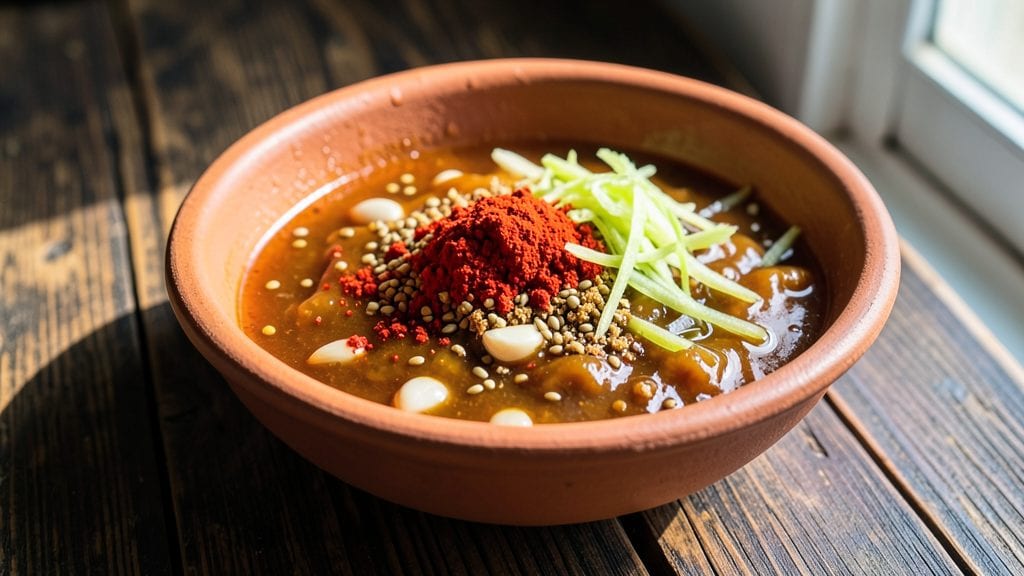
This pani puri red chutney recipe delivers the perfect balance of tangy tamarind, fiery chili, and earthy spices that elevate every bite of pani puri.
The secret lies in slow-cooking tamarind pulp with aromatic cumin and red chili powder until it transforms into a glossy, vibrant paste—intensely flavorful yet perfectly balanced. I developed this version after years of testing, ensuring the chutney stays true to traditional flavors while being easy to replicate at home.
The beauty of this red chutney is its versatility—it works as a dipping sauce for pani puri, a tangy condiment for chaat, or even a bold flavor booster for grilled meats. The tamarind provides a deep, fruity tang, while the spices add warmth and complexity.
Cooking the chutney low and slow allows the flavors to meld together, creating a smooth, cohesive texture that clings perfectly to every crispy puri shell.
What makes this recipe stand out is the precise spice balance—just enough heat to excite the palate without overwhelming it. The result is a chutney that’s rich, aromatic, and deeply satisfying, with a consistency that’s neither too thick nor too runny.
Once you taste it, you’ll never settle for store-bought versions again.
Store it in an airtight container in the refrigerator for up to a week, or extend its shelf life by preserving it in oil. This chutney is the heart of any pani puri spread—let’s make it the star of your next gathering.
Ingredients for pani puri red chutney
Nine ingredients transform into the perfect tangy-spicy pani puri red chutney you'll crave.
| Ingredient | Amount | Notes |
|---|---|---|
| Tamarind Pulp 🍈 | 1 cup | Soaked in warm water for 1 hour |
| Red Chili Powder 🌶️ | 3 tbsp | Adjust for heat preference |
| Cumin Seeds 🌿 | 1 tbsp | Toasted for deeper aroma |
| Ginger 🧅 | 1 tbsp | Freshly grated, peeled |
| Garlic Cloves 🧄 | 4 cloves | Peeled, minced |
| Jaggery 🍯 | ½ cup | Or brown sugar substitute |
| Asafoetida Powder 🌿 | ¼ tsp | Or hing, for authentic flavor |
| Salt 🧂 | ½ tsp | Adjust to taste |
| Water 💧 | 1 ½ cups | For soaking tamarind |
| Extra-Virgin Olive Oil 🫒 | 1 tbsp | For finishing, optional |
Tamarind is the soul of this chutney—look for blocks at Indian grocers or use tamarind concentrate if blocks aren't available. Soak it in warm water for at least 1 hour to soften, then blend into a smooth pulp. Patel Brothers or Apna Bazaar carry the best blocks, but any tamarind will work if it's ripe and plump. The red chili powder is non-negotiable; use Kashmiri red chili powder for milder heat if you're sensitive to spice. Toast the cumin seeds in a dry pan for 30 seconds until fragrant—this step makes all the difference. Fresh ginger and garlic? Always better than powdered versions, but if you're short on time, use 1 tsp ground ginger and 2 tsp garlic powder as a pinch-hitter.
No tamarind? Lemon juice plus 1 tsp sugar can mimic the tang, but it won't have the same depth. Short on jaggery? Brown sugar or honey works, though jaggery gives that authentic caramel note. Asafoetida (hing) is tricky to find outside Indian stores, but a pinch of garlic powder can replace it in a pinch. The consistency should be like thick honey—add water if it's too stiff, or simmer longer if it's too thin. For extra richness, finish with a drizzle of extra-virgin olive oil or melted ghee. Store-bought red chutney powder mixes? Skip them—this homemade version tastes like a street vendor's secret.
This chutney keeps beautifully in an airtight jar in the fridge for up to 1 week. For longer storage, preserve it in sterilized bottles with a layer of oil on top, which extends shelf life to 3 months. I like to make a big batch and freeze portions in ice cube trays—just thaw and use as needed. The flavors actually improve after a day or two as everything mellows together. Serve it at room temperature for the best experience, especially with those crispy pani puri shells. Leftovers? Perfect for drizzling over dal, grilled meats, or even as a marinade for kebabs.
Why You'll Love This Recipe
- Five-Ingredient Magic: I swear by this—just tamarind, chili, cumin, ginger, and garlic. No fancy techniques, no last-minute grocery runs. The tamarind’s tang and the garlic’s punch do all the heavy lifting while I stir.
- Tangy Firepower: That first bite of red chutney with pani puri? It’s the perfect storm—tamarind’s sour bite cutting through the chili’s heat, then the cumin grounding it all. Honestly, it’s the kind of flavor that makes you reach for seconds without thinking.
- Party in a Jar: This stuff doesn’t just belong in street food. Slather it on dosas, drizzle it over chaat, or even mix it into soups when I’m feeling adventurous. (Yes, even on a Tuesday night.) It’s my secret weapon for turning simple meals into something special.
- No-Waste Winner: A little goes a long way, and what’s left? It keeps for weeks in the fridge. I’ll be real: I’ve had this chutney sit untouched for months, then pull it out for a last-minute snack or to liven up stale chips. Budget-friendly? Absolutely. Versatile? Even more so.
Step-by-step instructions for pani puri red chutney
This vibrant tamarind-spiced chutney comes together with simple steps and bold flavors.
Prepare the Tamarind Base
Soak the 1 cup tamarind pulp in the 1½ cups water for 1 hour at room temperature. You'll see it soften and release its tangy essence—this is where the authentic flavor begins. After soaking, strain the mixture through a fine-mesh sieve to remove any fibrous bits, pressing gently to extract all the juice. You should end up with about 1½ cups of smooth tamarind liquid.
If you notice any grit remaining, strain again through a clean cheesecloth for an ultra-smooth texture. The tamarind should smell intensely sour and sweet—this balance is the foundation of your chutney. Set this strained tamarind liquid aside for the next step, as it will form the heart of your sauce.
Toast and Grind the Spices
Heat a dry skillet over medium heat and add the 1 tablespoon cumin seeds. Toast them for 1-2 minutes until they release their aroma and turn a rich golden color—this is when they're ready. Immediately transfer the toasted cumin seeds to a spice grinder along with the 4 cloves garlic cloves and the 1 tablespoon freshly grated ginger.
Grind these ingredients into a fine powder, adding the 3 tablespoons red chili powder and ¼ teaspoon asafoetida powder as you go. The asafoetida adds that unmistakable umami depth that makes this chutney truly special. Pulse until you achieve a smooth, vibrant red powder—this will be your spice blend. Set it aside for now; its aroma will fill your kitchen with warmth.
Cook the Jaggery and Spice Mixture
In a medium saucepan, combine the strained tamarind liquid with the ½ cup jaggery and ½ teaspoon salt. Place the pan over medium heat and stir constantly until the jaggery dissolves completely. You'll see the mixture bubble gently and turn into a thick, glossy syrup. This should take about 5-7 minutes—be patient, as rushing this step can lead to graininess.
Once the jaggery is fully dissolved, reduce the heat to low and gradually add the spice blend you prepared earlier. Stir continuously for 3-4 minutes until the mixture thickens slightly and coats the back of a spoon. The chutney should smell intensely aromatic with notes of tamarind, ginger, and cumin. If it looks too thick, you can add 1-2 tablespoons water to reach your desired consistency.
Finish with Olive Oil
Remove the pan from heat and let the chutney cool slightly for 2 minutes. This resting period allows the flavors to meld together. Then, drizzle in the 1 tablespoon extra-virgin olive oil while stirring gently. The oil adds a luxurious finish and helps balance the tangy-sweet profile of the chutney. Taste and adjust the seasoning if needed—you might want to add a pinch more salt or chili powder to suit your preference.
Transfer the chutney to a clean, airtight jar and let it cool completely to room temperature. This chutney keeps well in the refrigerator for up to 1 week, though it's best enjoyed fresh. The flavors will deepen as it sits, making it even more irresistible when paired with crisp pani puri. Serve it chilled or at room temperature for the perfect balance of tangy, spicy, and sweet.
Pro Tips For Making Pani Puri Red Chutney
- Bloom the Tamarind: DESCRIPTION: Soak the tamarind pulp in warm water for 10 minutes first—it softens the fibers and makes blending smoother. I used to skip this and ended up with a gritty chutney that tasted like I’d chewed on sandpaper.
- Toast Cumin Low: DESCRIPTION: Dry-toast the cumin seeds on medium-low heat until they just start to pop—about 30 seconds. Too high, and they burn before releasing their flavor; too low, and they’ll taste raw. Smell the pan: it should smell nutty, not acrid.
- Grate Ginger-Fine: DESCRIPTION: Use a microplane or the smallest holes on a grater for ginger—it dissolves faster and adds depth without texture. I learned this after a chutney where I could still pick out chunks. No microplane? Finely mince with a knife, but don’t cut it out.
- Balance Heat Gradually: DESCRIPTION: Start with half the red chili powder, taste, then add the rest. Tamarind’s sourness masks heat at first, so you’ll need more chili than you think. Add it in stages—you can’t take it out later. Trust me, I’ve cried over over-spiced chutneys.
Troubleshooting this recipe
Tamarind Not Sour Enough
If your tamarind base tastes too mild, it’s likely underripe or not soaked long enough. I always soak 1 cup tamarind pulp in 1½ cups warm water for at least 2 hours—this extracts maximum tang.
For extra sourness, add 1 tsp lemon juice or ½ tsp vinegar to the strained tamarind liquid. Overripe tamarind (soft and mushy) loses its punch, so choose firm blocks with a deep red hue from stores like Patel Brothers. 🍋
Chutney Too Thin
Thin chutney happens when you rush the cooking process or use too much water. After dissolving the ½ cup jaggery, simmer the mixture uncovered on low heat for 5-7 extra minutes—this reduces excess moisture. If needed, remove from heat and let it cool slightly before checking consistency.
For a thicker texture, blend in ½ tsp cornstarch mixed with 1 tbsp water and stir back in. I’ve found that cooking at medium-high heat initially helps evaporate water faster. 🌡️
Spice Balance Off
The key to perfect balance is adjusting spices in small increments. If your chutney tastes too spicy, add 1 tsp jaggery or ½ tsp sugar to mellow the heat. For insufficient spice, toast ½ tsp extra cumin seeds and blend them into the chutney.
I recommend using Kashmiri red chili powder for a milder, fruitier heat compared to standard cayenne. Taste as you go—each ingredient affects the final flavor differently. 🌶️
Grainy Texture
Graininess usually means jaggery didn’t dissolve fully or tamarind fibers weren’t strained properly. To fix this, blend the chutney again with 2 tbsp water until smooth. For prevention, dissolve jaggery on medium-low heat while stirring constantly—never let it scorch.
Strain the tamarind liquid through cheesecloth for an ultra-smooth base. If using brown sugar as a substitute, blend it into the tamarind mixture first to ensure even distribution. 💧
Storing Issues
Red chutney can develop mold if not stored properly. Always transfer it to a sterilized airtight jar and refrigerate within 4 hours of making. For longer storage, preserve it in sterilized bottles with a layer of oil on top—this extends shelf life to 3 months.
I like freezing portions in ice cube trays for easy use later. If the chutney separates, simply stir it back together before using. Never store it in metal containers, as they can react with the acidic tamarind. ❄️
Heat Too Overwhelming
If the chutney is too fiery, reduce the heat by blending in 1 tbsp jaggery or ½ tsp sugar to balance it. For future batches, start with 2 tbsp red chili powder instead of 3 and adjust to taste.
Adding 1 tsp grated coconut or ½ tsp fennel seeds can also mellow the spice while adding complexity. I’ve found that letting the chutney sit for 24 hours before tasting helps the flavors mellow naturally. 🌿
Nutrition facts
Frequently asked questions about pani puri red chutney
Can I substitute tamarind in this recipe?
Yes, but the flavor will change. For tangy sourness, use 1 tsp lemon juice + ½ tsp sugar per 1 cup tamarind pulp. For a deeper umami note, try ½ cup amchur (dry mango powder) mixed with 1 tbsp water. However, tamarind’s unique complexity is hard to replicate—authentic street vendors swear by it!
How do I adjust the spice level for kids?
Start with 1 tbsp red chili powder instead of 3, or use Kashmiri red chili powder for milder heat. For extra safety, blend in ½ tsp coconut powder to balance the spices naturally. Always taste as you go—you can add more spice later if needed.
Why does my chutney separate when refrigerated?
This happens when the jaggery doesn’t dissolve completely or the chutney cools too quickly. Stir well before serving, or gently reheat in a saucepan with 1 tbsp water until smooth. For prevention, let the chutney cool to room temperature before refrigerating. The oil topping helps maintain consistency too!
Can I make this chutney without jaggery?
Use ½ cup brown sugar or honey instead, but reduce the water slightly (1 cup instead of 1.5 cups) since sugar dissolves faster. Brown sugar adds caramel notes similar to jaggery, while honey gives a smoother texture. Adjust sweetness to taste—this chutney should complement, not overpower, your pani puri!
What’s the best way to serve this chutney?
Serve it chilled or at room temperature with pani puri, bhel puri, or papdi chaat. For extra drama, drizzle over grilled meats or dosas as a tangy-spicy sauce. The chutney also makes a bold topping for samosas or pakoras. Pro tip: Keep it in a small bowl at street-food stalls for that authentic experience!