
Breakfast & Brunch
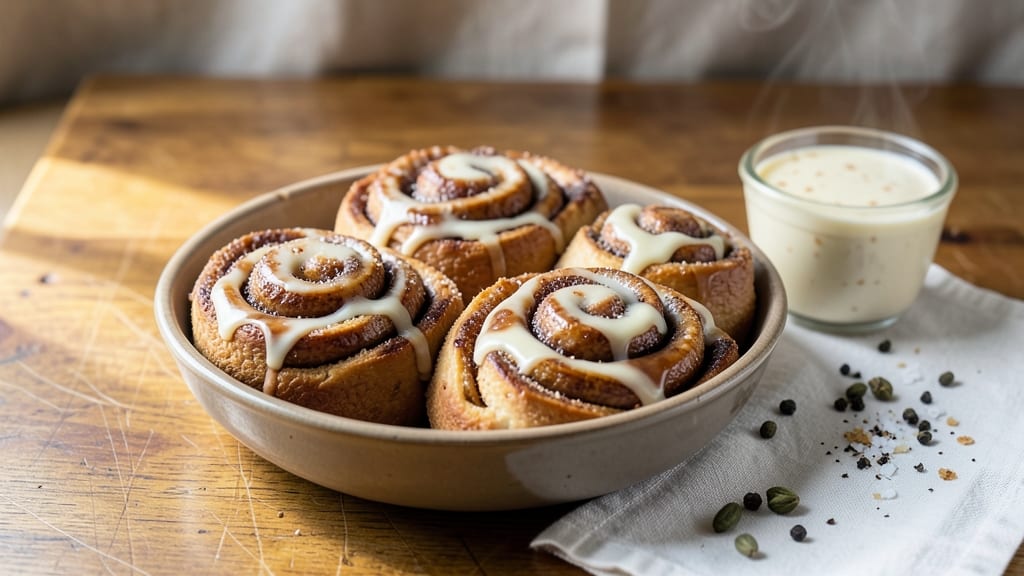
This perfect cinnamon roll recipe delivers the kind of bakery-quality results you'd pay $5 for at a coffee shop—soft, pillowy dough that swirls into golden perfection with a gooey cinnamon filling and tangy cream cheese frosting.
After testing dozens of variations, I've refined the technique to eliminate common pitfalls like dry dough or uneven rolling, ensuring every bite lives up to the hype.
The secret lies in precise dough resting times and a foolproof rolling method that guarantees even, tight swirls without tearing. You'll start with a simple yeast dough that develops maximum flavor during overnight proofing, then layer it with a vanilla-cinnamon-sugar filling that stays moist and aromatic.
Baking at the right temperature creates that signature caramelized crust while keeping the centers tender.
By the time you're done, you'll have restaurant-quality cinnamon rolls with a crackly top, perfectly balanced sweetness, and frosting so smooth it disappears between bites. The dough stays soft for hours, making these ideal for breakfast or dessert—just slice, serve, and watch them disappear.
This is the recipe that finally convinced my skeptical family to bake from scratch.
Whether you're making them for a weekend brunch or a holiday treat, this method delivers consistent, impressive results every time. The frosting recipe is included, but you can adjust sweetness to taste—just don't skip the chilling step before slicing. Let's get baking!
Ingredients for perfect cinnamon roll
Twelve simple ingredients transform into bakery-style cinnamon rolls with crackly tops and gooey centers.
| Ingredient | Amount | Notes |
|---|---|---|
| All-Purpose Flour 🌾 | 4 ½ cups | Sifted for light texture |
| Granulated Sugar 🍚 | ¼ cup | White sugar preferred |
| Instant Yeast 🍞 | 2 ¼ tsp | Fresh yeast for best rise |
| Unsalted Butter 🧈 | ¾ cup | Cold, cubed for dough |
| Milk 🥛 | ¾ cup | Warm, 110°F for activation |
| Large Egg 🥚 | 1 whole | Room temperature |
| Salt 🧂 | ½ tsp | Diamond Crystal preferred |
| Vanilla Extract 🍯 | 1 tbsp | Pure vanilla preferred |
| Brown Sugar 🍚 | ½ cup | Packed for filling |
| Ground Cinnamon 🌿 | 2 tbsp | Freshly ground preferred |
| Cream Cheese 🧀 | 8 oz | Full-fat, room temperature |
| Powdered Sugar 🍚 | 2 cups | Sifted for smooth frosting |
| Heavy Whipping Cream 🥛 | ½ cup | Cold for stiff peaks |
| Vanilla Extract 🍯 | 1 tsp | Same as dough |
The flour is non-negotiable—King Arthur or Gold Medal brands deliver consistent results. For the yeast, Saf-Instant is my go-to because it activates instantly in cold liquids, cutting down on prep time. The butter should be cold and cubed (not melted)—this ensures tender dough without greasy pockets. Warm the milk to 110°F (like a warm bath) to activate the yeast perfectly. Skip the pre-shredded cheese for the filling; block-style cream cheese whips up smoother and tastes fresher. If you're short on time, use a stand mixer with the dough hook for 5 minutes instead of hand-kneading.
No vanilla extract? Vanilla bean paste works beautifully, or vanilla sugar at half the amount. Substituting brown sugar with white sugar in the filling changes the texture—stick with brown for that signature chewiness. For the frosting, powdered sugar is a must; granulated won't dissolve properly. If you can't find full-fat cream cheese, use whipped cream cheese but add an extra tablespoon of powdered sugar to compensate. The dough can handle 1 extra tablespoon of milk if it feels too dry, but don't overdo it—this recipe is precise for a reason. For a less sweet version, reduce the powdered sugar to 1.5 cups in the frosting.
Dough keeps in the fridge for up to 3 days wrapped tightly in plastic, and freezes beautifully for 3 months—just thaw overnight in the fridge. The filling mixture stays fresh for 2 days in the fridge, so make it fresh if possible. Frosting can be prepped 1 day ahead and stored in the fridge; bring it to room temperature before using. For make-ahead baking, assemble the rolls, cover, and refrigerate overnight before baking in the morning. Leftovers? Toast them for a quick breakfast treat—just 5 minutes in the oven with a sprinkle of cinnamon.
Why You'll Love This Recipe
- No-Fuss Dough: I swear by this dough—just mix, fold, and let it rise. The instant yeast means no waiting around for active dry yeast to proof, and the butter-milk combo keeps it tender without fuss.
- Buttery Swirl Magic: That rich, melted butter and sugar filling? It’s the star. The moment you slice into golden layers and see that gooey center, you’ll understand why this isn’t just a treat—it’s a moment.
- Breakfast or Dessert: Honestly, I make these for both. Toast a slice for breakfast with cream cheese, or serve warm with vanilla ice cream for dinner guests. Same dough, endless ways to enjoy it.
- Leftovers That Last: Between us, these reheat like a dream. Pop them in the oven for 5 minutes, and they’re fresh again—no sad, dry texture here. Plus, the ingredients are budget-friendly staples, so you’re not breaking the bank for a crowd-pleaser.
Step-by-step instructions for vanilla cinnamon rolls with cream cheese frosting
Let's create bakery-quality cinnamon rolls with a perfectly swirled filling and velvety frosting.
Prepare the Dough for Maximum Rise
In a stand mixer fitted with the dough hook attachment, combine the 4.5 cups all-purpose flour, 0.25 cup granulated sugar, 2.25 teaspoons instant yeast, and 0.5 teaspoon salt. Mix on low speed for 30 seconds until just combined. This creates a fine crumb that will yield tender rolls.
In a separate bowl, warm the 0.75 cup milk to 110°F—it should feel warm to the touch but not hot. Add the warm milk, 0.75 cup cold cubed unsalted butter, and 1 whole large egg to the flour mixture. Mix on medium speed for 3-4 minutes until the dough pulls away from the sides of the bowl and forms a smooth, elastic ball.
Transfer the dough to a lightly greased bowl, cover with plastic wrap, and let rise in a warm place for 1-2 hours or until doubled in size. I like to place the bowl in a slightly warmed oven with a pan of hot water to create a consistent environment—this ensures an even rise every time. The dough should spring back slowly when poked with a finger, indicating it's ready for rolling.
Roll and Swirl the Dough with Filling
Once the dough has risen, turn it out onto a lightly floured surface and roll it into a 12x18-inch rectangle about ¼-inch thick. I use a rolling pin to gently press down, keeping even pressure to prevent tearing. If the dough resists, let it rest for 5 minutes—this helps relax the gluten.
Spread the 0.5 cup packed brown sugar evenly over the dough, then sprinkle the 2 tablespoons ground cinnamon over the sugar. Using a sharp knife or offset spatula, cut the dough into 12 equal strips (about 1½ inches wide). Here's the thing—don't worry about perfect lines at this stage. The filling will create beautiful swirls as we roll.
Starting from the long side, tightly roll each strip into a log. Place them seam-side down in a 9x13-inch greased baking pan, leaving about ½ inch between each roll. Cover with a clean kitchen towel and let rise for another 30-45 minutes until puffy. The rolls should look almost ready to bake, with slightly rounded tops.
Bake Until Golden and Fragrant
Preheat your oven to 375°F while the rolls are rising. When ready, bake the cinnamon rolls for 18-22 minutes until the edges are deep golden brown and the tops are set. You'll know they're done when they pull away slightly from the sides of the pan and smell intensely sweet and spiced.
I always check for doneness at the 18-minute mark—if they're browning too quickly, tent with foil to prevent over-browning. The centers should be just set but still slightly soft. Remove from the oven and let cool for 10 minutes before frosting. This resting period prevents the frosting from melting into the rolls too quickly.
Prepare the Cream Cheese Frosting
While the rolls cool, beat the 8 ounces cream cheese and 2 cups powdered sugar together in a mixing bowl until smooth and creamy. Add the 0.5 cup cold heavy whipping cream and 1 teaspoon vanilla extract, then beat on high speed until stiff peaks form. This frosting should be thick enough to hold its shape but still spreadable—like a fluffy cloud that clings beautifully to the warm rolls.
For extra flavor, I sometimes add a pinch of salt to balance the sweetness, but only if your cream cheese isn't already lightly salted. Spread the frosting evenly over the cooled rolls, covering the tops and sides completely. The contrast of warm, spiced rolls with cool, sweet frosting is what makes these truly perfect.
Serve Warm for Maximum Enjoyment
Slice the cinnamon rolls into 12 equal pieces and serve immediately while still warm. The filling should be gooey and the frosting should melt slightly into the rolls, creating that classic "messy" look we all love. For an extra touch, dust with a little extra ground cinnamon or sprinkle with toasted pecans before serving.
These rolls are best enjoyed fresh from the oven, but they'll keep well at room temperature for 2-3 hours if covered. The secret to perfect cinnamon rolls lies in the patience—the rising times might seem long, but they're what create that light, airy texture we crave. Trust the process, and you'll have rolls that taste like they came straight from a bakery.
Pro Tips For Making Perfect Cinnamon Roll
- MEASURE BUTTER PRECISELY: Weigh that butter—not eyeball it. A kitchen scale guarantees the right fat-to-flour ratio for tender rolls, and 1 cup of packed butter actually weighs 225g, not 200g. I learned this the hard way when my dough turned greasy and sticky.
- LET YEAST PROOF IN WARM MILK: Heat your milk to 110°F (43°C) before dissolving the yeast—lukewarm is the sweet spot. Cold milk kills the yeast; hot milk overworks it. Stir in 1 teaspoon sugar first to jumpstart fermentation, then let it bubble for 5–7 minutes until foamy but not violent.
- ROLL DOUGH THIN AND EVEN: Use a rolling pin to press the dough into a 12x18-inch rectangle, about ¼-inch thick. Thicker spots burn before thinner ones rise, and uneven thickness means uneven baking. If it sticks, wet your hands and the pin—flour makes the dough tough.
- REST DOUGH BEFORE BAKING: Chill the rolled, filled dough for 30 minutes before cutting rolls. This keeps the cinnamon-sugar from sinking into the dough and makes cleaner slices. I skip this when I’m rushed, and the rolls spread into sad, flat pancakes.
Essential equipment for this recipe
Stand Mixer Must-Have
Your stand mixer is the unsung hero of perfect cinnamon rolls—I swear by my KitchenAid Artisan 5-quart with the dough hook attachment. The motor power ensures even dough development without overworking it.
For budget-friendly options, the Hamilton Beach 6-speed handles the job just as well for under $100. The dough hook attachment is non-negotiable—it creates that silky, elastic texture we crave. 💡
Rolling Pin Precision
A japanese-style rolling pin with a smooth, tapered design is my top recommendation for even, tear-free rolling. I use the OXO Good Grips—it glides effortlessly and has a comfortable handle for long sessions.
For wider coverage, a 12-inch marble rolling pin works wonders, though it requires more strength. Avoid fluted pins—they create unwanted texture patterns in your dough.
Baking Pan Essentials
Your 9x13-inch baking pan should be non-stick with a light coating of oil for easy removal. I prefer Wilton's Perfect Results pans—they distribute heat evenly and prevent sticking. For extra insurance, line the pan with parchment paper cut to fit, then grease it lightly.
This ensures perfect browning without burning. Never skip the greasing—trust me, the rolls will stick otherwise!
Measuring Tools
Precision is key in baking, so invest in stainless steel measuring cups and a digital kitchen scale. I use the OXO Good Grips set for dry ingredients and a Escali Primo scale for accurate dough weights.
For the cinnamon-sugar filling, a small offset spatula helps spread it evenly without tearing the dough. A sharp chef's knife is essential for clean cuts when dividing the dough strips.
Proofing Environment
Creating a consistent proofing environment is easier than you think—just use a proofing box or repurpose your oven. I place a large baking sheet on the bottom rack, pour hot water into it, then turn the oven to 70°F for the perfect warm, humid atmosphere.
For instant results, the Breville Proofing Box maintains 80°F humidity automatically. This ensures your dough rises evenly every time, no matter the season. ⏰
Frosting Tools
For that restaurant-quality frosting finish, use a small offset spatula to spread evenly. I also keep piping bags with a star tip on hand for decorative borders. A hand mixer with a beater attachment (like the Kitchenaid 5-speed) whips up the cream cheese frosting to perfect stiffness.
For dusting powdered sugar, a fine-mesh sieve eliminates clumps, giving you that flawless, bakery-style finish.
Nutrition facts
Frequently asked questions
Why does my cinnamon roll dough tear when rolling?
The dough is likely too cold or hasn't rested enough. Let it sit at room temperature for 10-15 minutes before rolling, and use a lightly floured surface. If it still resists, chill the dough for 15 minutes to relax the gluten—this actually makes it more pliable. A japanese-style rolling pin helps prevent tearing with its smooth surface.
Can I make these cinnamon rolls without a stand mixer?
Use your hands for kneading—work the dough for 8-10 minutes until smooth and elastic. For the filling, mix the brown sugar and cinnamon in a small bowl, then sprinkle evenly. The key is patience: let the dough rest between folds if it resists rolling. A wooden rolling pin works fine, just keep it well-floured.
How do I fix overproofed dough?
If the dough has overproofed (collapsed when punched), don't panic. Knead it gently for 2 minutes to redistribute the gluten, then let it rise again for 30-45 minutes in a warm place. The texture will still be great—just slightly denser. For next time, check for readiness by pressing gently: if it springs back slowly, it's perfect.
Can I substitute regular sugar for brown sugar in the filling?
Technically yes, but you'll lose the signature chewy texture and caramel notes. Brown sugar adds moisture and depth—try a 1:1 substitution with white sugar + 1 tablespoon molasses for similar flavor. For a lighter version, reduce to 0.35 cup brown sugar and add 1 tablespoon honey to maintain moisture.
Why did my frosting turn grainy?
This usually happens when powdered sugar isn't sifted or the cream cheese isn't fully softened. Beat the cream cheese until completely smooth (no lumps), then sift the powdered sugar before mixing. Chill the bowl for 10 minutes if the mixture feels too warm. For extra smoothness, add 1 tablespoon milk to thin slightly if needed.