
Snacks
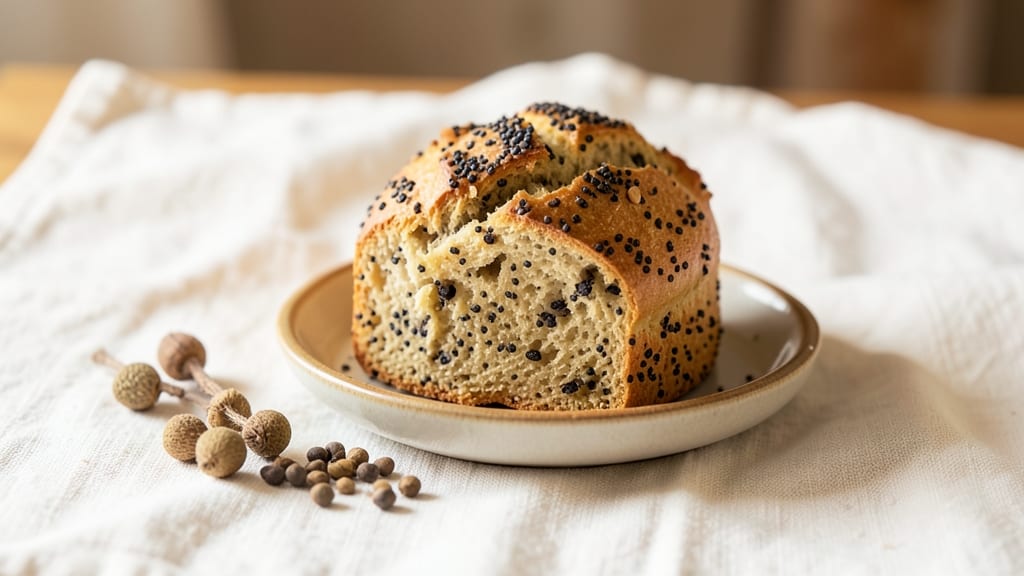
This poppyseed roll recipe delivers the perfect balance of nutty sweetness and delicate flakiness that makes every bite irresistible. After years of perfecting the technique, I’ve cracked the code for a tender, buttery dough that encases a rich poppy seed filling—no shortcuts, just restaurant-quality results.
The secret lies in proper yeast activation and precise baking temperatures to achieve that signature flaky texture.
What sets these rolls apart is the homemade poppy seed filling, where toasted poppy seeds blend with brown sugar and cream cheese for a filling that’s creamy yet not overly sweet.
The dough itself requires just a few simple ingredients—flour, butter, yeast, and a touch of sugar—but the method ensures a light, airy crumb that bakes up golden and flaky. This isn’t just another pastry recipe; it’s a foolproof technique that transforms basic ingredients into something extraordinary.
By the time these rolls emerge from the oven, you’ll have soft, pillowy layers with a crisp, buttery crust and a poppy seed filling that’s perfectly balanced in sweetness and nuttiness.
The aroma alone will have everyone gathering around the kitchen, and the first bite delivers that satisfying contrast of flaky dough and creamy filling. Whether you’re serving them as a snack, breakfast treat, or dessert, these rolls are guaranteed to impress.
For those who love variations, you can easily adapt this recipe for savory twists—think cheese and herb fillings or even a spiced fruit compote. The dough remains the same, so the flaky texture stays intact while the flavors change completely.
Let’s get started on creating these delicious, flaky poppyseed rolls that taste like a bakery secret.
Ingredients for poppyseed roll
Twelve simple ingredients transform into golden, flaky poppyseed rolls with a creamy center.
| Ingredient | Amount | Notes |
|---|---|---|
| All-Purpose Flour 🌾 | 4 cups | Sifted for light texture |
| Unsalted Butter 🧈 | 1 cup | Cold, cubed for flakiness |
| Granulated Sugar 🍚 | ¼ cup | For yeast activation |
| Active Dry Yeast 🍄 | ¼ tsp | Fresh, not expired |
| Large Eggs 🥚 | 2 whole | Room temperature |
| Milk 🥛 | ¼ cup | Warm for yeast activation |
| Salt 🧂 | ½ tsp | Kosher or sea salt |
| Poppy Seeds 🌱 | ½ cup | Toasted for enhanced flavor |
| Light Brown Sugar 🍯 | ¼ cup | Packed, for filling |
| Cream Cheese 🧀 | 4 oz | Room temperature, softened |
| Vanilla Extract 🌸 | ½ tsp | Pure, high-quality |
| Powdered Sugar 🍚 | ¼ cup | For dusting finished rolls |
| Egg Wash 🥚 | 1 whole | 1 egg beaten with 1 tbsp milk |
The butter is non-negotiable—European-style unsalted butter like Plugrá or Land O’Lakes gives the best flakiness. Keep it cold when cutting into cubes to prevent melting, which can make the dough tough. For the poppy seeds, toast them in a dry pan for 3-4 minutes until fragrant—this enhances their nutty flavor dramatically. Most grocery stores carry poppy seeds in the baking aisle, but Whole Foods or specialty markets often have higher-quality options. The yeast must be fresh; if your package is older than a few months, test it in warm milk first to ensure it’s active.
No unsalted butter? Salted butter works if you reduce the recipe’s salt by half, but the flavor won’t be as pure. Substituting margarine is possible, but the texture suffers—these rolls deserve real butter. For the cream cheese, Philadelphia brand is ideal, but any full-fat cream cheese will do. Short on poppy seeds? Toasted sesame seeds or chopped almonds add a different but equally delicious crunch. The vanilla extract should be pure—imitation extracts lack depth. If you’re making this ahead, you can prepare the filling and dough separately and refrigerate them overnight for easier assembly.
Store the dough and filling separately in airtight containers in the fridge for up to 2 days. Once baked, the rolls stay fresh at room temperature for 24 hours, but they’re best enjoyed within a few hours. For longer storage, freeze the unbaked rolls on a tray before transferring to a bag—this prevents them from sticking. Reheat frozen rolls in a 350°F oven for 10-12 minutes until golden. The filling can also be made ahead and stored in the fridge for 3 days or frozen for 3 months. These rolls reheat beautifully, making them perfect for breakfast or dessert the next day.
Why You'll Love This Recipe
- No Yeast Stress: I swear by this dough—just mix, knead once, let it rise while I sip coffee. No fussing with proofing temperatures or waiting forever; it’s ready when I am.
- Buttery-Sweet Magic: That soft, flaky layer of cold butter folded into the dough? Absolute heaven. The sugar caramelizes just enough to give each bite a subtle, addictive sweetness without tasting like dessert.
- Breakfast or Brunch Star: I make these fresh for weekend brunches, but they’re also my go-to for quick breakfast sandwiches—just toast and fill. Kids love the poppyseed swirl, and adults? They’ll ask for seconds.
- Budget-Friendly Staple: Flour, butter, sugar, eggs—these are pantry basics that stretch far. A single batch feeds my whole family, and leftovers reheat beautifully. My wallet (and my taste buds) thank me.
Step-by-step instructions for poppyseed rolls
Achieving flaky layers and perfect poppyseed filling takes precision—here's how to nail both.
Prepare the Dough for Maximum Flakiness
In a large mixing bowl, combine the 4 cups all-purpose flour, 0.5 teaspoon salt, and 0.25 teaspoon active dry yeast. Whisk gently to distribute the yeast evenly. In a separate bowl, melt the 1 cup unsalted butter until completely liquid but not smoking. Pour the melted butter over the flour mixture while stirring with a wooden spoon until the dough begins to form crumbly clumps.
Add the 2 whole large eggs and 0.25 cup warm milk to the bowl. Mix vigorously with your hands or a dough hook attachment until the dough comes together into a shaggy mass. The dough should be slightly sticky but not wet. If it feels too dry, add 1 tablespoon milk at a time until it reaches the perfect consistency. Cover the bowl with a damp kitchen towel and let the dough rest at room temperature for 30 minutes—this initial rest helps develop gluten structure for flaky layers.
Create the Poppyseed Filling
In a small bowl, mix together the 4 ounces cream cheese, 0.25 cup light brown sugar, and 0.5 teaspoon vanilla extract until completely smooth. The cream cheese should be room temperature for easy blending. In a separate small bowl, toast the 0.5 cup poppy seeds in a dry skillet over medium heat for 2-3 minutes until fragrant and lightly golden. Let them cool completely before mixing.
Gently fold the toasted poppy seeds into the cream cheese mixture until evenly distributed. The filling should be thick but spreadable. Cover this mixture with plastic wrap and refrigerate until ready to use. This step ensures the filling stays firm enough to hold its shape when rolled into the dough.
Roll and Fill the Dough
Divide the rested dough into 12 equal portions (about 2 ounces each) and roll each portion into a 6-inch circle on a lightly floured surface. Keep the remaining dough covered to prevent drying. Using a spoon, place about 1 tablespoon of the poppyseed filling onto the center of each dough circle. Fold the edges of the dough over the filling to create a sealed package, then roll gently to form a 1-inch thick roll.
Place the completed rolls seam-side down on a parchment-lined baking sheet, spacing them about 1 inch apart. Brush the tops with the prepared egg wash (1 egg beaten with 1 tablespoon milk) for a golden finish. Cover the baking sheet with a clean kitchen towel and let the rolls rise at room temperature for 1 hour or until they've puffed to about 1.5 times their original size. This rising step is crucial for achieving that signature flaky texture.
Bake to Golden Perfection
Preheat your oven to 350°F and bake the rolls for 25-30 minutes until they're golden brown and the internal temperature reaches 190°F. The rolls should sound hollow when tapped on the bottom. If the tops brown too quickly, tent the baking sheet with aluminum foil to prevent over-browning while ensuring they cook through.
Remove the rolls from the oven and let them cool on a wire rack for 5 minutes. While still warm, dust the tops generously with 0.25 cup powdered sugar using a fine-mesh sieve. The powdered sugar should melt slightly from the residual heat, creating an elegant, snowy finish. Serve warm for the best texture—each bite should deliver that perfect combination of flaky layers and nutty-sweet poppyseed filling.
Pro Tips For Making Poppyseed Roll
- Measure Butter Cold: Poppyseed rolls need that buttery richness, but soft butter melts into a greasy mess. Scoop it straight from the fridge—no need to cut it into tiny cubes—just measure it as ice-cold chunks. The dough will handle it better, and you’ll get those flaky layers instead of a dense brick.
- Proof Yeast Twice: I used to skip the second rise, thinking it was optional. Wrong. After mixing the dough, let it sit for 30 minutes in a warm spot—just until it’s puffy. Then, punch it down, cover it, and let it rise again. This ensures the yeast is active and the flavor develops properly, not just the surface.
- Skip the Sugar Rush: Granulated sugar in the dough is great, but too much too soon makes it gummy. If your dough feels sticky after mixing, resist adding extra flour—just let it rest 10 minutes. The gluten relaxes, and the sugar dissolves better, giving you a smoother roll without dryness.
- Roll Thin, Fill Fast: Spread the poppyseed filling thinly—about ¼-inch thick—or you’ll end up with a soggy center. Roll the dough tightly but evenly, seal the edges with a fork, and twist the ends before baking. This keeps the filling from leaking out and ensures even baking. (Yes, it looks messy, but it works.)
Flavor customization for this poppyseed roll
Sweet vs. Savory Twists
For a savory poppyseed roll, swap the brown sugar for ½ cup grated Parmesan cheese and add 1 tablespoon fresh thyme to the filling. Replace the vanilla extract with 1 teaspoon lemon zest for brightness.
The toasted poppy seeds still shine, but now with a salty, herby depth. This version pairs perfectly with a sharp white wine or sparkling water at brunch. 🍷
Spiced Orange Glaze
Elevate your rolls with a zesty glaze by mixing ½ cup powdered sugar, 2 tablespoons orange juice, and ½ teaspoon cinnamon. Brush this over the warm rolls after baking for a tangy-sweet contrast.
I like to add ¼ teaspoon cardamom for warmth—it’s a Scandinavian-inspired twist that transforms these into a holiday-worthy treat. 🌟
Chocolate-Dipped Luxury
After baking, let the rolls cool slightly, then dip the bottom half in melted dark chocolate (use 60% cocoa for balance). Sprinkle with crushed pistachios or flaky sea salt before the chocolate sets.
This adds a sophisticated touch that turns them into decadent dessert rolls perfect for special occasions. Store in an airtight container to keep the chocolate from melting. 💛
Herb-Infused Filling
For a herbaceous variation, blend ¼ cup chopped fresh dill or mint into the poppy seed filling alongside the cream cheese. Add 1 teaspoon honey to balance the herbs’ freshness.
This works beautifully with a lemon-cream cheese frosting drizzled on top. The contrast of poppy seeds and herbs creates a refreshing, unexpected flavor. 🌿
Caramelized Apple Swirl
Replace half the poppy seed filling with sautéed caramelized apples (toss ½ cup diced apples with 1 tbsp brown sugar and ½ tsp cinnamon until golden). Fold the apples into the cream cheese mixture for a spiced apple-poppyseed fusion.
Serve with a dollop of whipped cream for a dessert-like breakfast treat. 🍏
Nutty Seed Mix-Up
Swap poppy seeds for toasted sesame seeds or chopped walnuts (½ cup total) for a different texture. Add 1 tsp honey and ½ tsp smoked paprika to the filling for depth. The walnut version has a richer, earthier flavor, while sesame adds a nutty crunch with an Asian-inspired twist. 🌰
Nutrition facts
Frequently asked questions
Why do I need to toast the poppy seeds?
Toasting the poppy seeds enhances their natural nutty flavor and aroma dramatically. Simply dry-toast them in a skillet for 2-3 minutes until fragrant and lightly golden. This step prevents a raw, bitter taste and gives the filling that signature depth of flavor that makes these rolls special.
Can I make these rolls ahead of time?
Prepare the dough and filling separately, then refrigerate them in airtight containers for up to 2 days. Assemble and bake the rolls fresh for the best texture, but you can also freeze unbaked rolls on a tray before transferring to a bag. Reheat frozen rolls at 350°F for 10-12 minutes until golden. The filling stays fresh for 3 days in the fridge or 3 months frozen.
What if my dough isn't flaky?
Flakiness comes from keeping the butter cold when mixing and avoiding overworking the dough. Use cold cubed butter (not melted) and handle the dough minimally. If your rolls turn out dense, try chilling the dough for 30 minutes before rolling, and ensure your oven is fully preheated to 350°F. The resting time between shaping and baking is also key—don't skip it!
How do I store leftover rolls?
Keep baked rolls at room temperature in an airtight container for 24 hours for best texture. For longer storage, refrigerate for up to 3 days (reheat at 300°F for 5-7 minutes) or freeze for 1 month. To reheat, wrap in foil and warm in the oven until heated through. The powdered sugar topping may lose its snowy appearance but can be redusted before serving.
Can I use this dough for other fillings?
Yes! The same flaky dough works beautifully with savory fillings like herb cheese or spinach and ricotta. For sweet variations, try lemon curd or chocolate-hazelnut spread. The key is keeping the filling thick enough to hold its shape when rolled. Just adjust the sweetness level to complement your chosen filling—this versatile dough is your blank canvas!