
Soups & Stews
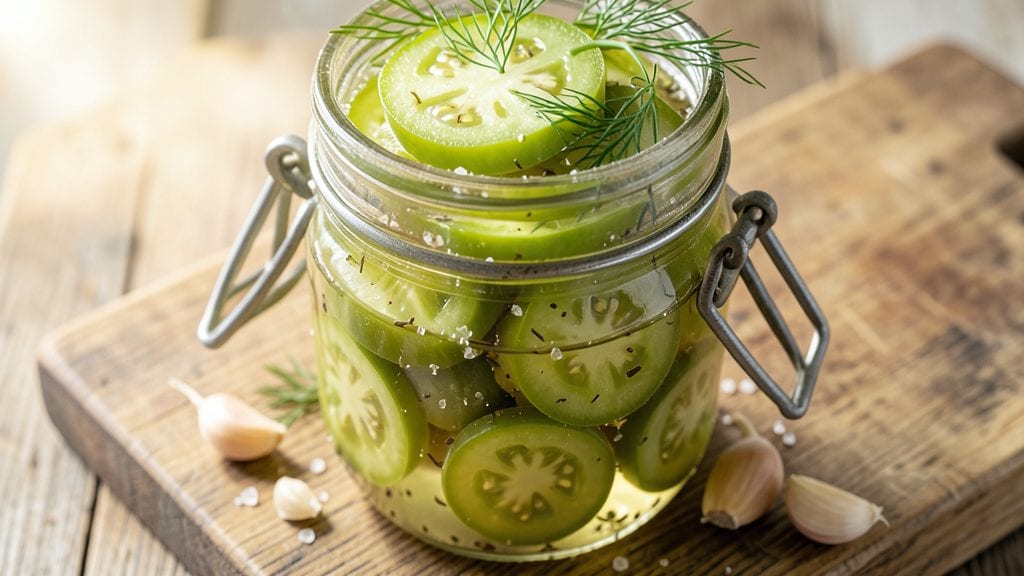
Transforming fresh green tomatoes into tangy, crunchy pickles in just 24 hours is simpler than you think—and this refrigerator method requires no canning equipment.
The key lies in a precise vinegar brine that preserves flavor while keeping the tomatoes crisp, along with a few strategic seasonings that elevate the classic taste. I developed this recipe after struggling with mushy store-bought pickles that lacked the bright acidity and satisfying crunch of homemade versions.
This method delivers restaurant-quality results with minimal effort: slice the tomatoes, combine them with a simple brine of vinegar, water, and salt, then let them ferment in the refrigerator. Optional additions like garlic, dill, and mustard seeds add depth, while the vinegar ensures safety without heat processing.
The texture remains firm and satisfying, with a tangy bite that pairs perfectly with sandwiches, burgers, or charcuterie boards.
What sets these pickles apart is their versatility—adjust the seasoning blend to suit your taste, whether you prefer a classic dill flavor, a spicy kick, or a touch of sweetness.
The recipe also includes critical safety notes to ensure your pickles stay fresh and flavorful for weeks. No special tools are needed beyond a clean jar and basic pantry staples.
Perfect for meal prep, gifts, or last-minute appetizers, these pickles prove that homemade preserves can be both foolproof and impressive. Let’s get started with a method that transforms humble green tomatoes into a pantry staple worth making again and again.
Ingredients for refrigerator green tomato pickles
Fresh green tomatoes meet precise vinegar brine and aromatic seasonings for restaurant-quality refrigerator pickles in just 24 hours.
| Ingredient | Amount | Notes |
|---|---|---|
| Green Tomatoes 🍅 | 2 ½ lb | Firm, unripe, sliced into 1/4-inch rounds |
| White Vinegar 💧 | 1 ½ cups | Distilled or white vinegar preferred |
| Water 💧 | 1 ½ cups | Filtered or bottled for clarity |
| Diamond Crystal Kosher Salt 🧂 | ½ cup | Not iodized, for precise measurement |
| Fresh Dill Sprigs 🌿 | ¼ cup | Packed, stems removed for flavor |
| Garlic Cloves 🧄 | 6 cloves | Thinly sliced for subtle depth |
| Mustard Seeds 🌶️ | 1 tbsp | Whole seeds for texture contrast |
| Black Peppercorns 🌶️ | 1 tbsp | Crushed lightly for aroma |
| Red Pepper Flakes 🔥 | 1 tsp | Adjust for desired heat level |
| Granulated Sugar 🍚 | ¼ cup | Balances acidity in brine |
| Fresh Juniper Berries 🌲 | 2 whole | Optional, for earthy complexity |
| Lemon Peels 🍋 | 1 tbsp | Thinly sliced, for citrus brightness |
The quality of green tomatoes is non-negotiable—they must be firm, unblemished, and properly ripe for optimal texture. Local farmers markets often yield the best specimens, particularly during late summer harvests when tomatoes are abundant. If using store-bought, select varieties like 'Green Zebra' or 'Early Girl' which are bred for pickle quality. Slice them uniformly at 1/4-inch thickness to ensure even pickling and texture. The vinegar should be distilled white vinegar—it provides consistent acidity without overpowering the tomato flavor. For the salt, Diamond Crystal kosher salt is ideal as it dissolves completely and doesn't leave residue. Fresh dill and garlic are essential for authentic flavor; Penzeys Spices offers excellent quality for these aromatic components.
No fresh dill? Dried dill at one-third the amount works in a pinch, though the texture will differ. Substituting apple cider vinegar for white vinegar adds subtle sweetness but may alter the classic tang. For those avoiding sugar, honey at half the quantity provides a similar balance. The mustard seeds can be omitted if you prefer a smoother texture, but they add delightful crunch. If you're sensitive to heat, reduce the red pepper flakes to 1/2 teaspoon or omit entirely. The juniper berries are optional but add an elegant complexity—Trader Joe's carries them pre-packaged for convenience. For a sweeter profile, increase the sugar to 1/3 cup while reducing the vinegar by 1/4 cup to maintain balance.
These pickles maintain peak texture and flavor for up to 4 weeks when stored in the refrigerator. Use quart-sized mason jars for optimal airtight sealing—Ball or Kerr brands are reliable choices. The brine should fully cover the tomato slices; if not, add a bit more vinegar or water. For meal prep, portion into smaller containers to preserve freshness. The pickles develop optimal flavor after 48 hours but remain enjoyable for the full storage period. Freezing isn't recommended as it compromises the desirable crunch, though you can freeze the brine separately for up to 3 months if needed.
Why You'll Love This Recipe
- No-Fuss Pantry Magic: I swear by this recipe when I forget to meal prep. Five ingredients—green tomatoes, vinegar, salt, water, and dill—sitting in my fridge for weeks. No fancy tools, no stress. Literally just slice, pack, and wait.
- Tangy Crunch Alert: That first bite? The vinegar brightens the green tomatoes into something crisp and addictive, while the dill adds a fresh herbal punch. Honestly, it’s the kind of flavor that makes you reach for seconds without thinking.
- Picnic or Party Side: I toss these in a jar for potlucks, pack them in sandwiches, or just snack straight from the fridge. They’re the MVP of summer gatherings—no reheating, no fuss, just pure, refreshing flavor that cuts through anything.
- Zero-Waste Money Saver: Green tomatoes going bad? Turn them into pickles instead of compost. A single jar costs pennies to make and lasts months. Between us, it’s my go-to way to stretch my grocery budget without sacrificing taste.
Step-by-step instructions for vinegar-infused green tomato pickles
This method delivers restaurant-quality pickles in just 24 hours—no canning required.
Prepare the Green Tomatoes and Brine Base
Slice the 2.5 lb green tomatoes into ¼-inch rounds using a sharp knife. I prefer a mandoline for uniform slices, but a steady hand works too. Arrange the slices in a single layer on a baking sheet and let them sit at room temperature for 30 minutes—this helps draw out excess moisture and creates a better texture after pickling.
In a medium saucepan, combine the 1.5 cups white vinegar, 1.5 cups water, 0.5 cup diamond crystal kosher salt, 0.25 cup granulated sugar, and 1 tbsp lemon peels. Bring to a boil over medium-high heat while stirring until the salt and sugar fully dissolve. This creates the brine foundation that will infuse the tomatoes with flavor and preserve their crunch.
Infuse the Brine with Aromatics
Reduce the heat to low and add the 6 cloves garlic (thinly sliced), 1 tbsp mustard seeds, 1 tbsp black peppercorns, 1 tsp red pepper flakes, 0.25 cup fresh dill sprigs, and 2 whole fresh juniper berries to the simmering brine. Let it steep for 10 minutes—this allows the aromatics to release their oils and deepen the flavor profile. The liquid should remain clear with just a hint of cloudiness from the spices.
Strain the infused brine through a fine-mesh sieve directly into a large glass jar or airtight container, pressing gently on the solids to extract maximum flavor. Discard the solids or compost them—they've done their job. The strained brine should now have a rich, aromatic depth that will perfectly complement the tangy tomatoes.
Pack and Preserve the Tomatoes
Carefully pack the sliced green tomatoes into a clean, sterilized quart-sized mason jar or airtight container, leaving about ½ inch of headspace at the top. Pour the strained, warm brine over the tomatoes until they're completely submerged—this prevents mold growth and ensures even flavor distribution. Tap the jar gently on the counter to remove any air bubbles trapped between the slices.
The tomatoes should remain completely submerged even after they soften slightly. If they float, add more brine and press them down with a clean utensil. Seal the jar tightly and let it cool to room temperature before refrigerating. This cooling phase helps the tomatoes absorb the brine more evenly and develop their final texture.
Cure and Develop Flavor
Refrigerate the sealed jar for at least 24 hours before tasting. I recommend waiting 48 hours for maximum flavor development—the longer they cure, the more complex the taste becomes. The ideal texture should be crisp with just a slight give when pressed, and the flavor should balance the vinegar's tang with the sweetness of the tomatoes and herbal notes from the dill and juniper.
For best results, consume within 2-3 weeks. The pickles will continue to improve in flavor for the first week but may soften beyond that point. Store any unused portion in the refrigerator and use within the recommended timeframe for optimal texture and safety.
Pro Tips For Making Refrigerator Green Tomato Pickles
- Sterilize Jars Properly: I learned this the hard way—skipping sterilization leads to cloudy brine and spoiled pickles. Boil jars and lids in simmering water for 10 full minutes, then keep them hot until filling. Cold jars create condensation, which dilutes your vinegar solution and invites mold.
- Pack Tomatoes Tight: Don’t just toss them in—pack green tomatoes snugly in jars, stems down, with minimal air gaps. Use a wooden spoon to press them firmly; this prevents floating and ensures even exposure to the brine. (Yes, even if it looks like you’re overstuffing.)
- Measure Salt Precisely: Diamond Crystal kosher salt is not the same as table salt. Use the recipe’s measurements exactly—1 tablespoon per quart jar—and level it off with a butter knife. Too little salt means bland pickles; too much makes them rubbery.
- Use Fresh Dill Wisely: Skip the dried stuff—it tastes like sawdust. Bundle 2–3 sprigs of fresh dill loosely in cheesecloth or a small pouch before adding to jars. This keeps the leaves intact and prevents them from turning the brine bitter. (And yes, remove it before eating.)
Best sauces and condiments for this recipe
Classic Dill Sauce
Elevate your pickles with a simple dill sauce that mirrors the flavors in the jar. Combine ½ cup sour cream, 1 tbsp fresh dill (chopped), 1 tsp lemon juice, and a pinch of salt.
Mix until smooth and serve as a creamy dip or spread on sandwiches. The coolness of the sauce contrasts beautifully with the tangy pickles' heat. 🌿
Spicy Chipotle Aioli
For a smoky kick, blend ½ cup mayonnaise, 1 tsp chipotle powder, 1 tsp honey, and 1 tsp lime juice until creamy. This sauce adds depth and a subtle heat that pairs perfectly with the pickles' brightness.
Use it as a sandwich spread or a dip for veggie platters. The chipotle's smokiness complements the vinegar's acidity beautifully. 🔥
Sweet Honey Mustard
Balance the tang of the pickles with a honey mustard sauce: mix ¼ cup Dijon mustard, 2 tbsp honey, 1 tbsp apple cider vinegar, and 1 tsp olive oil.
Drizzle over the pickles or use as a glaze for grilled meats. The sweetness rounds out the sharp flavors, making every bite more enjoyable. This sauce is especially great for charcuterie boards. 🍯
Garlic Yogurt Dip
Creamy and garlicky, this dip is a game-changer. Blend ½ cup Greek yogurt, 2 minced garlic cloves, 1 tbsp fresh dill, 1 tsp lemon zest, and a pinch of salt.
Thin with a splash of water if needed. The yogurt's tang and garlic's depth make this dip irresistibly flavorful, perfect for scooping up pickles or pairing with pita chips. 🧄
Balsamic Glaze
For a sophisticated touch, reduce ½ cup balsamic vinegar in a small saucepan over medium heat until it thickens to a syrupy consistency. Drizzle over the pickles just before serving to add a rich, slightly sweet contrast.
The balsamic's depth enhances the pickles' acidity, creating a harmonious balance of flavors. This glaze is ideal for gourmet presentations. 🍷
Hot Honey Drizzle
Infuse honey with heat by combining ½ cup honey and 1 tsp cayenne pepper in a small saucepan. Warm over low heat, stirring until the cayenne dissolves. Let it cool slightly, then drizzle over the pickles for a sweet-spicy finish.
This drizzle adds a luxurious touch to any dish featuring the pickles, especially on burgers or tacos. 🌶️
Nutrition facts
Frequently asked questions
Why do I need to wait 24 hours before eating these pickles?
The 24-hour cure time allows the vinegar brine to fully penetrate the tomato slices, ensuring proper preservation and flavor development. This waiting period also helps achieve the ideal crisp-tender texture. Skipping this step may result in under-flavored or mushy pickles.
Can I use apple cider vinegar instead of white vinegar?
Yes, you can substitute apple cider vinegar, but expect a slightly sweeter, milder flavor profile. For the classic tang, stick with white vinegar. If using apple cider, reduce the sugar by 1 tablespoon to maintain balance. The texture and preservation will remain unaffected.
What happens if my tomatoes float to the top?
Floating tomatoes indicate they're not fully submerged in the brine, which can lead to uneven pickling and potential spoilage. Add more brine (vinegar and water mixture) and gently press the slices down with a clean utensil. Always ensure the tomatoes stay completely covered.
How do I adjust the heat level in these pickles?
For milder pickles, reduce the red pepper flakes to ½ teaspoon or omit them entirely. For extra heat, increase to 2 teaspoons or add ½ teaspoon cayenne pepper to the brine. The mustard seeds also contribute subtle heat—adjust their quantity as needed. Always taste the brine before adding tomatoes.
Can I make these pickles without dill?
If you're out of fresh dill, use 1 teaspoon dried dill (about one-third the fresh amount). For a dill-free version, boost other seasonings like garlic or mustard seeds. The pickles will still be delicious, though the classic herbal note will be missing.