
Appetizers
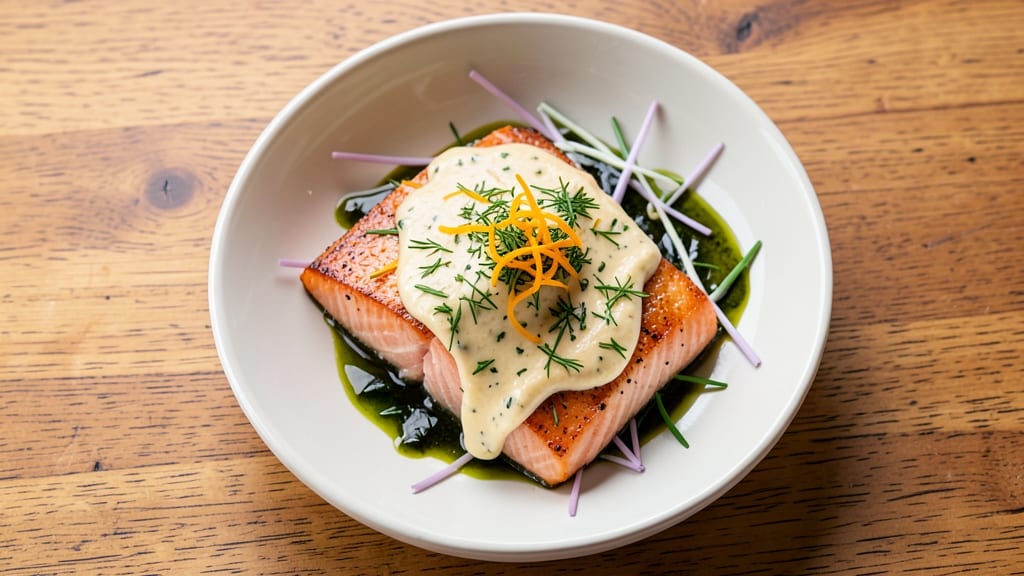
Creating restaurant-quality salmon with Boursin cheese transforms simple weeknight dinners into elegant, flavor-packed meals. The secret lies in combining rich, herby Boursin cheese with perfectly cooked salmon, creating a dish that’s both sophisticated and surprisingly easy to prepare.
I’ve perfected this technique over countless tests, ensuring the cheese melts into a velvety crust while keeping the salmon tender and flaky.
This recipe delivers a foolproof method for searing or baking salmon until golden and juicy, then topping it with a blend of Boursin, fresh herbs, and a touch of lemon zest.
The result is a dish that balances creaminess, acidity, and umami in every bite—ideal for impressing guests or treating yourself to a refined meal without the fuss. The Boursin’s natural garlic and shallot notes infuse the salmon, elevating it from ordinary to extraordinary.
By the time you plate this dish, you’ll have a golden-brown salmon fillet with a bubbly, herbed cheese crust that holds together beautifully. The cheese’s tangy richness complements the salmon’s natural sweetness, while the herbs add brightness and freshness.
Serve with a side of roasted asparagus or a simple arugula salad to round out the meal, and pair with a crisp white wine for the full dining experience.
Whether you’re cooking for two or hosting a dinner party, this recipe scales effortlessly while maintaining its restaurant-worthy quality. The key is precise timing—just 12 minutes of active cooking yields a dish that feels indulgent yet remains approachable. Let’s get started on creating this showstopper.
Ingredients for salmon and boursin cheese
Rich Boursin cheese, fresh herbs, and perfectly seared salmon create an elegant yet approachable dish.
| Ingredient | Amount | Notes |
|---|---|---|
| Center-Cut Salmon Fillets 🐟 | 4 whole | Skin-on, 6-8 oz each, even thickness |
| Boursin Cheese 🧀 | ½ cup | Herb-infused, full-fat, room temperature |
| Fresh Dill 🌿 | ¼ cup | Finely chopped, stems removed |
| Fresh Chives 🌱 | 2 tbsp | Minced finely for herby brightness |
| Lemon Zest 🍋 | 1 tbsp | From 1 organic lemon, finely grated |
| Extra-Virgin Olive Oil 🫒 | 1 tbsp | High-quality, fruity variety |
| Unsalted Butter 🧈 | 2 tbsp | Cold, cut into small cubes |
| Diamond Crystal Kosher Salt 🧂 | ½ tsp | Fine grain for even seasoning |
| Freshly Ground Black Pepper 🌶️ | ¼ tsp | Freshly cracked for optimal flavor |
| Garlic Cloves 🧄 | 2 cloves | Minced finely, for subtle depth |
| Shallots 🧅 | 1 whole | Finely minced, for aromatic base |
| All-Purpose Flour 🌾 | 1 tbsp | For light dusting of fillets |
| Lemon Juice 🍋 | 1 tsp | Freshly squeezed, for acid balance |
The quality of your salmon and Boursin cheese makes all the difference. Opt for center-cut fillets with even thickness to ensure consistent cooking—Whole Foods or Trader Joe's carry excellent options. For Boursin, look for the herb-infused variety with visible garlic and shallot flecks; La Tourangelle or President brands deliver reliable results. Fresh herbs should be vibrant and fragrant—dill and chives are non-negotiable for that signature brightness. Store your salmon in the coldest part of the fridge, wrapped in parchment paper, and use within 2 days for peak tenderness. The Boursin should be room temperature when spreading, so plan ahead to let it soften for 15-20 minutes before assembling.
No fresh dill? Substitute with 1 tbsp dried dill—though it lacks the same freshness. Running short on Boursin? A blend of cream cheese and a pinch of garlic powder mimics its tangy richness, but the herb notes will differ. For the olive oil, avoid overly peppery varieties—they can overpower the delicate salmon flavor. The minced shallots and garlic add depth without dominating; if unavailable, 1 tsp shallot powder works in a pinch. For extra crispiness on the cheese crust, broil for 1-2 minutes at the end, watching closely to prevent burning. The lemon zest and juice provide the necessary acidity to cut through the richness—never skip this step for balanced flavor.
This dish reheats beautifully—gentle warming in a skillet revives the cheese crust without drying out the salmon. Store leftovers in an airtight container for up to 2 days, though the cheese crust tends to soften over time. For longer storage, freeze for up to 1 month by wrapping tightly in plastic wrap and foil. To serve, reheat gently and garnish with extra herbs for freshness. The salmon pairs exceptionally with roasted asparagus or a simple arugula salad to balance the richness, and a crisp Sauvignon Blanc complements the dish perfectly.
Why You'll Love This Recipe
- Five-Ingredient Magic: I swear, this is the kind of recipe where you look at the ingredients and think, "How is this even real?" Two minutes of mixing—just the creamy Boursin, fresh herbs, and a squeeze of lemon—and suddenly, your salmon tastes like it belongs on a Parisian bistro menu. No fancy techniques, just good stuff.
- Creamy Crispy Balance: That golden crust on the outside? The way the Boursin melts into fluffy, buttery perfection inside? It’s the kind of contrast that makes you pause mid-bite. Honestly, I’ve tried store-bought salmon spreads, but nothing beats the tangy richness of fresh Boursin and dill—it’s like a hug for your taste buds.
- Weeknight to Weekend: Between us, this is my go-to for anything—a lazy Tuesday dinner, a dinner party where I don’t want to slave over the stove, or even a fancy-ish date night (the lemon zest makes it feel special). Serve it with crusty bread for a no-fuss appetizer, or plate it over rice for a full meal. It’s that adaptable.
Step-by-step instructions for herb-infused melted cheese crust salmon
This method delivers perfectly cooked salmon with a golden, herby boursin cheese crust that melts into a creamy blanket.
Prepare the Herb Cheese Mixture
In a small mixing bowl, combine the 0.5 cup Boursin Cheese with the 0.25 cup Fresh Dill, 2 tbsp Fresh Chives, 1 tbsp Lemon Zest, and 1 tbsp Extra-Virgin Olive Oil. Using a fork, gently fold these ingredients together until fully incorporated and the mixture achieves a smooth, spreadable consistency. The cheese should soften slightly from the olive oil, creating a cohesive paste. This herb-infused blend forms the foundation of your crust, so ensure all ingredients are evenly distributed.
Set this mixture aside at room temperature while you prepare the salmon. If the boursin cheese appears too firm, let it sit for an additional 5 minutes to soften. The texture should be pliable enough to spread evenly without cracking—this ensures uniform coverage when applied to the fillets later. I like to work with room-temperature cheese as it adheres better to the fish and melts more uniformly during cooking.
Season and Coat the Salmon Fillets
Pat each of the 4 whole Center-Cut Salmon Fillets dry with paper towels, removing any excess moisture from the skin. This step is critical for achieving a crisp crust—wet skin prevents proper browning. Place the fillets skin-side down on a clean work surface.
Lightly dust both sides of each fillet with 1 tbsp All-Purpose Flour, shaking off any excess. This creates a delicate barrier that helps the cheese adhere during cooking. Season both sides generously with 0.5 tsp Diamond Crystal Kosher Salt and 0.25 tsp Freshly Ground Black Pepper. The skin should remain visible and unbroken as you work—press gently but firmly to ensure even seasoning without tearing the delicate flesh.
Spread approximately 2 tablespoons of the herb cheese mixture evenly over the non-skin side of each fillet, pressing gently to ensure full coverage. The mixture should adhere completely without sliding off. This creates the signature cheese crust that transforms from golden brown to creamy during cooking. If any cheese mixture remains, reserve it for garnishing after cooking.
Sear the Salmon for Perfect Texture
Heat a large skillet over medium heat until a drop of water sizzles and evaporates immediately. Add the 2 tbsp Unsalted Butter and allow it to melt completely, then add the 1 whole Shallots and 2 cloves Garlic Cloves that have been finely minced. Cook for 1-2 minutes until the shallots soften and become translucent, releasing their aromatic oils.
Carefully place the salmon fillets skin-side down in the skillet, pressing gently to ensure contact with the hot surface. Cook for 3-4 minutes until the skin becomes crisp and golden brown, with small bubbles forming along the edges. This is your signal to flip the fillets—use a thin spatula to gently lift them, being careful not to break the skin. The cheese crust should begin to soften slightly but remain intact.
Continue cooking for an additional 2-3 minutes on the non-skin side until the internal temperature reaches 135°F when measured with an instant-read thermometer. The cheese should have melted into a creamy layer while maintaining a golden crust. Remove the fillets from the skillet and transfer them to a serving platter, skin-side up. The cheese should still hold its shape but begin to glisten as it cools slightly.
Finish with Lemon and Garnish
Return the skillet to the heat and pour in the 1 tsp Lemon Juice, scraping up any browned bits from the bottom of the pan. This deglazing step captures all the flavorful fond that accumulated during cooking. Let the lemon juice simmer for 30 seconds until it reduces slightly and becomes slightly syrupy.
Drizzle this lemon reduction evenly over the salmon fillets, allowing it to cascade over the melted cheese. The acidity of the lemon juice cuts through the richness of the boursin cheese, creating a perfect balance of flavors. Garnish each fillet with any remaining herb cheese mixture, pressing it gently into the melted layer. The presentation should showcase the golden crust with herby accents and a glossy finish.
Serve immediately while the salmon is still warm, ensuring the cheese crust remains creamy and the fillets are tender. The combination of crispy skin, creamy cheese, and bright lemon creates a harmonious balance of textures and flavors that makes this dish truly exceptional.
Pro Tips For Making Salmon And Boursin Cheese
- Use Room-Temp Salmon: Take the salmon out of the fridge 20-30 minutes before cooking—cold fish cooks unevenly and tears when you try to flip it. I learned this the hard way after struggling with a fillet that flaked apart like overcooked pasta.
- Spread Boursin Thin: Don’t just dollop that herby Boursin in a lump—spread it evenly across the salmon in a ¼-inch layer. Too much cheese in one spot burns while the edges stay raw. (Yes, even if it looks like you’re being stingy.)
- Sear Skin-Side Down: Hit the salmon skin-side down in a dry pan over medium-high heat for 4-5 minutes straight—no peeking. The skin crisps into a golden shield that keeps the fish from curling up like a sad burrito.
- Zest Before Zapping: Grate that lemon zest fresh and sprinkle it over the salmon after the Boursin but before the final broil. The heat turns it bitter if you add it last—trust me, I’ve tasted the regret.
Flavor customization for salmon and boursin cheese
Herb Variations
Swap out the classic dill and chives for fresh tarragon and parsley to create a French-inspired variation. The tarragon adds a subtle anise-like note that pairs beautifully with Boursin’s garlic base, while parsley brightens the dish with its fresh, slightly peppery flavor.
Use 1 tbsp each of finely chopped tarragon and parsley in place of the dill and chives. 🌿
For a Mediterranean twist, blend fresh oregano and thyme into the cheese mixture. These earthy herbs complement the Boursin’s richness and work especially well with a side of roasted Mediterranean vegetables.
Use 1 tsp each of finely chopped oregano and thyme, plus an extra ½ tsp lemon zest to balance the intensity.
Cheese Substitutions
If Boursin is unavailable, cream cheese mixed with garlic powder works surprisingly well. Combine ½ cup cream cheese with 1 tsp garlic powder, 1 tsp minced shallots, and 1 tbsp chopped dill.
This blend lacks the herb complexity but delivers a creamy, garlicky crust. For extra richness, add 1 tbsp melted butter to the mixture.
For a tangier profile, try goat cheese instead of Boursin. Blend ½ cup soft goat cheese with 1 tbsp heavy cream to soften it, then mix in 1 tbsp chopped chives and ½ tsp lemon zest.
Goat cheese adds a bright acidity that cuts through the salmon’s richness, creating a lighter yet equally flavorful crust.
Spice Infusions
Add ½ tsp smoked paprika and ¼ tsp cayenne pepper to the herb cheese mixture for a smoky, slightly spicy kick. The paprika enhances the Boursin’s garlic notes while the cayenne adds a subtle heat that lingers on the palate.
This works especially well with a side of cooling yogurt sauce or arugula salad.
For a warm, aromatic touch, infuse the cheese with ½ tsp ground coriander and ¼ tsp ground cumin. These spices add an earthy depth that pairs beautifully with the salmon’s natural sweetness.
Toast the spices in a dry pan for 30 seconds to deepen their flavor before mixing into the Boursin.
Sweet-Tangy Twist
Balance the richness with a sweet-tangy variation by adding 1 tbsp honey and ½ tsp Dijon mustard to the herb cheese mixture. The honey caramelizes slightly during cooking, creating a subtle sweetness that contrasts with the Boursin’s tang. This pairing works exceptionally well with a side of roasted root vegetables.
For a citrus-forward twist, fold 1 tbsp orange zest and ½ tsp orange juice into the cheese mixture. The bright, floral notes of orange complement the Boursin’s garlic and shallot flavors while adding a refreshing contrast. Garnish with thin orange slices for an elegant presentation.
Nutrition facts
Frequently asked questions
Can I use frozen salmon for this recipe?
It's best to use fresh salmon for optimal texture and flavor, but frozen works in a pinch. Thaw the fillets overnight in the refrigerator, wrapped in a paper towel to absorb excess moisture. Pat them completely dry before cooking to prevent steam from interfering with the crispy skin and cheese crust. Never thaw at room temperature—this can promote bacterial growth.
What if I don't have Boursin cheese?
You can substitute with ½ cup cream cheese mixed with 1 tsp garlic powder, 1 tsp minced shallots, and 1 tbsp chopped dill. For extra richness, add 1 tbsp melted butter. Goat cheese works too—blend ½ cup soft goat cheese with 1 tbsp heavy cream, 1 tbsp chopped chives, and ½ tsp lemon zest for a tangier profile.
How do I prevent the cheese from sliding off the salmon?
Dust the salmon lightly with 1 tbsp flour before spreading the cheese mixture. This creates a thin barrier that helps the cheese adhere. Press the mixture gently but firmly onto the fillets, and avoid overfilling—2 tbsp per fillet is ideal. For extra security, chill the coated fillets in the fridge for 10 minutes before cooking to help the cheese set slightly.
Can I bake this salmon instead of pan-searing?
Preheat your oven to 400°F and place the coated fillets on a parchment-lined baking sheet. Bake for 10-12 minutes until the internal temperature reaches 135°F. For extra crispiness, broil for 1-2 minutes at the end, watching closely to avoid burning. Baking is great for cooking multiple fillets at once.
How long can I store leftovers?
Store leftovers in an airtight container in the fridge for up to 2 days. The cheese crust may soften slightly, so reheat gently in a skillet over low heat for 2-3 minutes per side. For longer storage, freeze for up to 1 month, wrapping tightly in plastic wrap and foil. Thaw overnight in the fridge before reheating.