Side Dishes
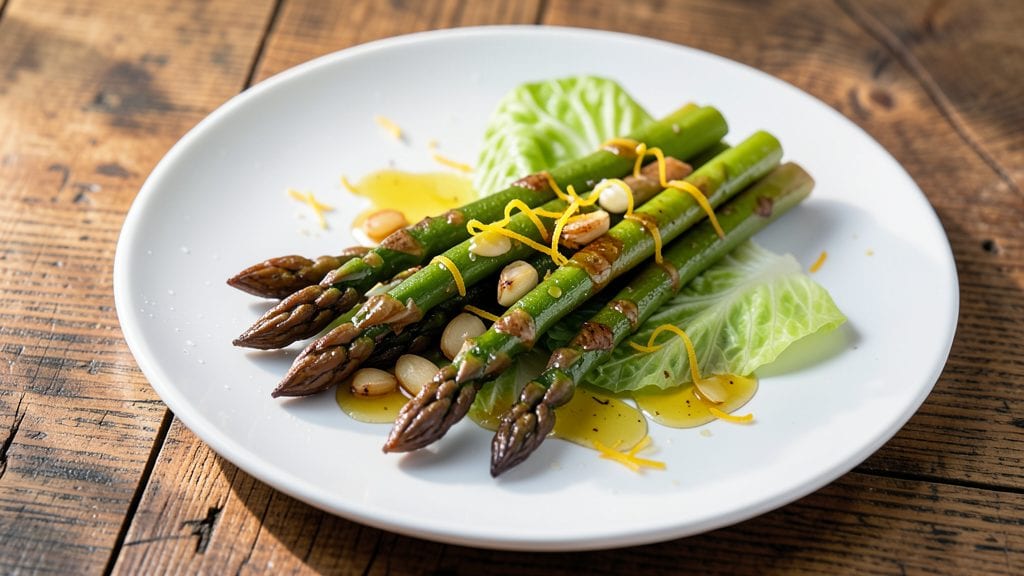
This salmon side recipe transforms humble asparagus into a showstopping side with crispy edges and bright lemon-garlic butter that complements salmon perfectly. After years of testing, I’ve perfected the technique for achieving that coveted texture—tender stalks with charred, crispy tips that hold up to every bite.
The secret lies in high heat and proper timing, ensuring the asparagus doesn’t turn mushy while the edges caramelize into golden perfection.
What makes this recipe foolproof is the simplicity of the ingredients—just fresh asparagus, garlic, lemon, butter, and a pinch of salt. No fancy techniques required, just a 15-minute hands-on process that yields restaurant-quality results.
The lemon-garlic butter infuses every stalk with zesty, aromatic flavor, while the crispy edges add a satisfying crunch that balances the richness of salmon.
By the time you serve this dish, your table will smell like a Mediterranean seaside bistro, with asparagus that’s tender yet sturdy enough to hold its shape. The bright citrus notes cut through the buttery richness of salmon, creating a harmonious pairing that feels both elegant and effortless.
This is the kind of side dish that elevates any meal without stealing the spotlight.
Perfect for weeknight dinners or special occasions, this recipe scales easily for two or four servings. Pair it with your favorite salmon preparation, and you’ll have a complete, balanced meal that’s sure to impress. Let’s get started!
Ingredients for salmon side
Nine essential ingredients transform simple asparagus into a Mediterranean-inspired salmon companion with crispy edges and vibrant citrus notes.
| Ingredient | Amount | Notes |
|---|---|---|
| Fresh Asparagus Spears 🌿 | 1 lb | Medium thickness, trimmed ends |
| Unsalted Butter 🧈 | 4 tbsp | Cold, cubed for even coating |
| Garlic Cloves 🧄 | 4 cloves | Minced, fresh preferred |
| Lemon Zest 🍋 | 1 tbsp | From 1 medium organic lemon |
| Lemon Juice 🍋 | 2 tbsp | Freshly squeezed |
| Extra-Virgin Olive Oil 🫒 | 1 tbsp | For drizzling on asparagus |
| Diamond Crystal Kosher Salt 🧂 | ½ tsp | Fine grain preferred |
| Freshly Ground Black Pepper 🌶️ | ¼ tsp | Cracked peppercorns preferred |
| Fresh Parsley Leaves 🌿 | ¼ cup | Chopped, for garnish |
The asparagus selection is critical—medium-thickness spears achieve the perfect balance between tenderness and crispy edges. Local farmers markets often carry the freshest cuts, but grocery store asparagus works if the stalks are firm and vibrant green. Avoid woody ends by snapping them naturally at the base. For the butter, European-style unsalted (like Plugrá or Kerrygold) melts more smoothly than American brands. The lemon should be organic—organic lemons have thicker zest, which carries more flavor. Store asparagus upright in a glass with 1 inch of water in the fridge for up to 5 days, changing the water daily.
No fresh garlic? Garlic powder at half the amount works in a pinch, though it lacks the aromatic depth. Substituting lemon juice with white wine vinegar (1:1 ratio) adds acidity but loses the citrus brightness. For olive oil, avocado oil has a higher smoke point if you prefer, though it lacks the fruity notes. The parsley garnish can be omitted entirely or swapped for chopped chives if you're out. When trimming asparagus, leave the tips slightly tapered—they crisp best when exposed to direct heat. The kosher salt is non-negotiable; table salt would over-salt the dish due to its finer grain.
Prep the asparagus 30 minutes ahead by trimming and storing it in a sealed container lined with paper towels to absorb moisture. The butter-garlic mixture can be prepared 2 hours in advance and stored in the fridge, though the garlic will soften slightly. For optimal crispiness, roast the asparagus on a preheated sheet pan with the rack positioned in the upper third of the oven. If you have leftover lemon zest, freeze it in ice cube trays with olive oil for future use. This dish reheats beautifully—5 minutes in a 350°F oven restores the crispy edges perfectly.
Why You'll Love This Recipe
- Five-Ingredient Magic: I swear by this recipe—just asparagus, butter, garlic, and lemon. That’s it. No fancy prep, no hidden steps, just a side that feels special without the fuss.
- Butter-Garlic Bliss: Honestly, the moment that garlic hits the pan and melts into the butter? My mouth waters every time. The lemon zest ties it all together—bright, rich, and impossible to resist.
- Weeknight or Dinner Party: Between us, this works for both. Toss it together before work to reheat later, or plate it elegantly for guests. Same effort, totally different vibes.
- Leftovers That Don’t Suck: Most sides get sad after day one. Not this. The asparagus holds its texture, and the butter-garlic sauce just gets better. I’ve reheated this for lunch three times—no regrets.
Step-by-step instructions for lemon-garlic butter roasted asparagus with crispy edges
This method delivers perfectly crispy edges while keeping tender cores—ideal for pairing with salmon.
Prepare the Asparagus and Garlic Butter
Preheat your oven to 425°F for maximum crispiness. Trim the tough ends from the 1 lb fresh asparagus spears by snapping them at their natural break points—this ensures even cooking and prevents overcooking the woody ends. Spread the spears on a wire rack set over a baking sheet to allow air circulation on all sides.
In a small bowl, combine the 4 tbsp cold unsalted butter, 4 cloves minced garlic, 1 tbsp lemon zest, 0.5 tsp diamond crystal kosher salt, and 0.25 tsp freshly ground black pepper. Use a fork to mash the garlic into the butter until you achieve a smooth, paste-like consistency. This ensures even flavor distribution when the butter melts during roasting.
Toss and Roast for Crispy Perfection
Remove the asparagus from the oven once it reaches 425°F and place the baking sheet on your stovetop. Drizzle the 1 tbsp extra-virgin olive oil evenly over the asparagus, then use tongs to toss them gently. Spread the spears in a single layer, ensuring they don't overlap—this prevents steaming and promotes even browning.
Working quickly, spread the garlic butter mixture evenly over the asparagus using the back of a spoon. The butter should coat each spear thoroughly. Return the asparagus to the preheated oven and roast for 12-15 minutes, stirring once halfway through the cooking time. You're looking for deep golden brown edges that are crisp to the touch while the cores remain tender when pierced with a fork.
Finish with Lemon and Garnish
Remove the asparagus from the oven and immediately drizzle with 2 tbsp freshly squeezed lemon juice. Use tongs to toss gently, allowing the acid to brighten the flavors and cut through the richness of the butter. The lemon juice will also help set the crispy edges by creating a slight glaze.
Transfer the asparagus to a serving platter and sprinkle evenly with the 0.25 cup chopped fresh parsley leaves. The parsley adds a fresh contrast to the rich, garlicky butter and bright lemon notes. Serve immediately while the edges are still crisp—this dish doesn't wait. The combination of crispy edges, tender cores, and vibrant lemon-garlic flavor makes this the perfect accompaniment to your salmon.
Pro Tips For Making Salmon Side
- Trim Asparagus Right: Snap those woody ends cleanly—just bend the spears until they snap naturally (they’ll break at the perfect spot). No knife needed, and you’ll save time while keeping the tender parts intact for that buttery garlic kiss.
- Butter First, Then Heat: Melt the butter in the pan before adding garlic—this prevents burning and lets the garlic infuse properly. I used to rush it and ended up with bitter bits; now I wait until the butter foams before tossing in the cloves.
- Don’t Overcrowd the Pan: Cook the asparagus in batches if needed—too many spears steaming instead of sizzling means they’ll turn soggy. A quick sear in the butter is what gives them that crisp-tender texture, not just simmering.
- Zest Before Juice: Add the lemon zest first while the butter’s melting—it blooms the flavor right into the fat. Drizzle the juice at the end to keep the bright acidity from cooking off. (Yes, even if you’re impatient like me.)
Creative variations of salmon side
Mediterranean Herb Twist
Swap the parsley garnish for a mix of 1 tbsp chopped fresh dill and 1 tbsp chopped fresh mint—this adds a refreshing herbal note that pairs beautifully with salmon’s natural oils.
I discovered this variation while chatting with a vendor at a Portland farmers market who swore by it for grilled fish dishes. The dill’s anise-like flavor bridges the gap between the lemon and garlic, while mint adds a bright, almost citrusy freshness. 🌿
Spicy Kick Option
For a bold twist, add ½ tsp smoked paprika and ¼ tsp cayenne pepper to the garlic butter mixture. The smoky heat complements salmon’s richness while the cayenne adds a subtle burn that cleanses your palate.
I first tried this after a dinner party where guests raved about the contrast—it’s especially good with blackened salmon or grilled salmon with chili-lime marinade. Start with less cayenne if you’re sensitive to heat.
Creamy Garlic Sauce
For a richer side, toss the roasted asparagus with 2 tbsp sour cream and 1 tbsp chopped chives after roasting. The tangy creaminess balances the crispy edges and adds a luxurious texture.
I developed this version after realizing how well it worked with baked salmon with dill sauce—the combination feels restaurant-worthy without being overly complicated. Use full-fat sour cream for the best mouthfeel.
Vegan Adaptation
Replace the butter with 4 tbsp vegan butter (like Miyoko’s) and use olive oil** instead of butter for tossing. Add 1 tsp nutritional yeast to the garlic mixture for a cheesy depth.
The asparagus still achieves crispy edges, and the lemon-garlic flavor remains vibrant. This version works perfectly with vegan salmon substitutes or as a side for plant-based mains like tofu or tempeh. 🌱
Seasonal Fall Version
In autumn, swap asparagus for 1 lb rainbow carrots, trimmed and cut into 2-inch sticks. Roast at 400°F for 20-25 minutes with the same garlic butter and lemon finish.
The carrots caramelize beautifully, offering a sweeter contrast to salmon. I first tried this after a Sunday family dinner when fresh asparagus was out of season—it became an instant favorite.
Make-Ahead Shortcut
Prep the garlic butter mixture 1 day ahead and store it in the fridge. When ready to cook, simply toss the asparagus with the chilled butter (no need to bring it to room temperature) and roast as directed.
The cold butter creates even more crispy edges due to the Maillard reaction kicking in faster. This is my go-to trick for weeknight cooking when I’m short on time but still want restaurant-quality results. 💡
Nutrition facts
Frequently asked questions
Can I use frozen asparagus for this salmon side recipe?
Fresh asparagus delivers the best texture, but frozen works in a pinch! Thaw it overnight in the fridge first, then pat completely dry with paper towels. The extra moisture can prevent crispy edges, so roast 2-3 minutes longer at 425°F to compensate. For even better results, use frozen asparagus that's been blanched—it crisps up more uniformly.
How do I know when the asparagus edges are perfectly crispy?
The edges should be deep golden brown with a slight char, almost like toasted breadcrumbs. When you pierce the thickest part with a fork, it should feel tender but still hold its shape. If the edges aren't crispy enough, return them to the oven for 1-2 minutes—just watch closely to avoid burning.
What other fish pair well with this lemon-garlic asparagus?
This side complements any mild white fish beautifully! Try it with cod, halibut, or sea bass for similar flavor profiles. For a bolder pairing, the lemon-garlic notes work especially well with blackened salmon or grilled mahi-mahi. The crispy texture also stands up to richer fish like swordfish or tuna.
Can I make this ahead of time for a dinner party?
Prep the garlic butter mixture 1 day ahead and store it chilled. Trim the asparagus 4 hours ahead and keep it wrapped in a damp paper towel in the fridge. When ready to cook, roast as directed—just add 1 extra minute to the cooking time since cold asparagus needs slightly longer. The crispy edges will still be perfect when served!
What if my oven doesn't get hot enough for crispy edges?
No problem! For 400°F ovens, roast the asparagus for 18-20 minutes instead, stirring every 5 minutes. Alternatively, use a broiler on high for the last 2 minutes after regular roasting—just watch closely to prevent burning. The high heat is key for that perfect texture, but these adjustments will get you there!