
Snacks
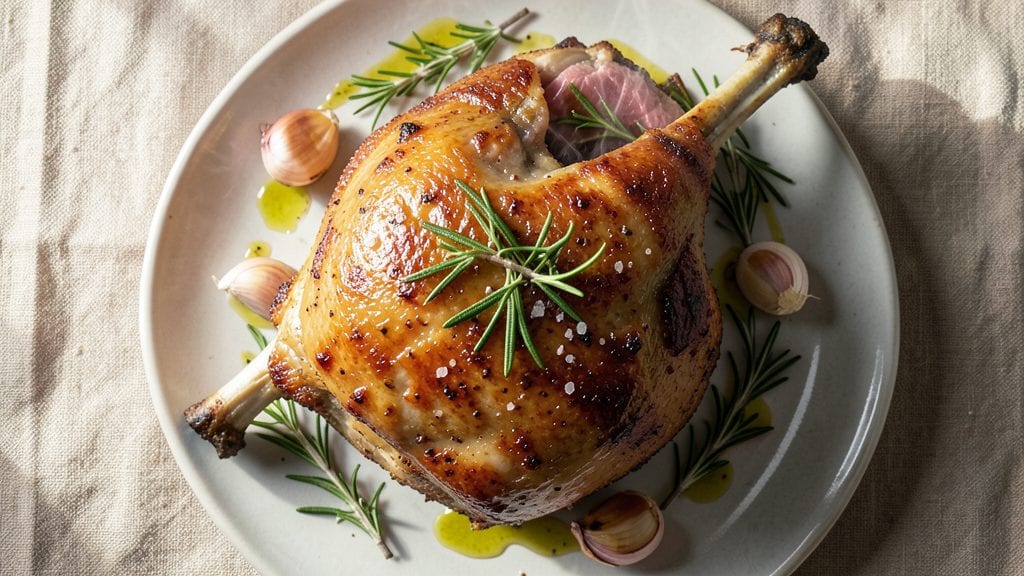
A perfectly slow-roasted leg of lamb delivers fall-off-the-bone tenderness that transforms any meal into an occasion. The secret lies in low-and-slow cooking with aromatic herbs and garlic, creating a crust that seals in juices while developing deep, savory flavors.
I've perfected this method over years of testing, ensuring every bite is rich, moist, and infused with herbaceous richness—no dry, stringy results here.
This recipe simplifies what many consider a challenging dish by focusing on precise timing and preparation. A 3-4 hour roast at 300°F transforms tough lamb into tender perfection, while a flavorful herb crust adds texture and aroma.
The key steps—proper seasoning, slow cooking, and resting—ensure juicy meat that practically melts in your mouth, making it ideal for holiday gatherings or special weekend dinners.
What you'll achieve is a centerpiece-worthy lamb with a crispy exterior and tender interior, surrounded by fragrant herbs that elevate every bite. The slow roasting method locks in moisture, while the herb crust adds a satisfying crunch that contrasts beautifully with the succulent meat.
This isn't just dinner—it's an experience that will have your guests asking for seconds.
Pair it with roasted vegetables or a fresh salad to complete the meal, or use the leftovers for sandwiches the next day. The versatility of this recipe makes it perfect for any occasion where you want to impress without spending hours in the kitchen.
Let's get started on creating your most tender, flavorful leg of lamb yet.
Ingredients for slow roasted leg of lamb
Sixteen ingredients transform a simple leg of lamb into a showstopping centerpiece.
| Ingredient | Amount | Notes |
|---|---|---|
| Bone-In Leg of Lamb 🐑 | 4 lb | Frenched, fat cap intact, bone-in |
| Extra-Virgin Olive Oil 🫒 | ½ cup | High-quality, fruity variety |
| Fresh Rosemary 🌿 | ¼ cup | Finely chopped, stems removed |
| Fresh Thyme 🌿 | ¼ cup | Leaves only, finely chopped |
| Fresh Garlic Cloves 🧄 | 8 cloves | Minced, skin removed |
| Coarse Sea Salt 🧂 | 2 tbsp | Diamond Crystal preferred |
| Freshly Ground Black Pepper 🌶️ | 1 tbsp | Cracked peppercorns preferred |
| Panko Breadcrumbs 🍞 | ½ cup | For herb crust texture |
| Dried Oregano 🍃 | 1 tsp | Mediterranean blend preferred |
| Dried Marjoram 🌿 | 1 tsp | Subtle citrusy note |
| Unsalted Butter 🧈 | ¼ cup | Cold, cubed for crust |
| Red Wine 🍷 | ½ cup | Dry Cabernet Sauvignon |
| Beef Bone Broth 💧 | 1 cup | Homemade or high-quality |
| Fresh Lemon Zest 🍋 | 1 tbsp | Bright citrus finish |
The lamb cut is non-negotiable. Bone-in, frenched leg with intact fat cap ensures maximum flavor and moisture retention. Source from a trusted butcher—Whole Foods or D'Artagnan carry premium cuts with superior marbling. Avoid pre-trimmed lamb; the fat renders beautifully during roasting, creating a self-basting crust. For a 4-pound leg, plan for 6 generous servings with leftovers. The herb blend requires fresh rosemary and thyme—Trader Joe's sells pre-bundled stems for convenience, but organic farmers markets offer superior quality. Always remove woody stems before chopping.
No fresh rosemary? Dried works at one-third the amount, but flavor will be muted. Substitute marjoram with equal parts dried basil for a Mediterranean twist. The red wine can be swapped for beef stock plus 1 tbsp balsamic vinegar—just ensure it's dry and robust. For the crust, panko provides texture, but crushed cornflakes create a lighter alternative. The butter must be cold; room-temperature butter will melt into the mixture, compromising the crust's integrity. If using a larger lamb (5+ lbs), increase crust ingredients by 25% to maintain coverage.
Lamb reheats beautifully—low oven (275°F) for 20 minutes preserves moisture better than microwave. Store leftovers in an airtight container with a damp paper towel to prevent drying. The herb crust remains crisp for 3 days refrigerated or 2 months frozen when wrapped tightly in parchment. For presentation, slice against the grain at a 45-degree angle to maximize tenderness. Pair with roasted root vegetables or a bright arugula salad to complement the rich lamb flavors.
Why You'll Love This Recipe
- Hands-Off Magic: The oven does all the work while you sip wine and pretend you’re a French chef. Just rub the lamb with olive oil, tuck in those rosemary sprigs and garlic cloves, and let it slow-roast until the meat falls off the bone—no flipping, no stress.
- Crispy-Creamy Obsession: That golden crust on the outside? Pure satisfaction. The rosemary and thyme infuse the fat so deeply the meat practically tastes like summer, while the garlic cloves turn the juices into liquid flavor gold—every bite is a balance of crisp and melt-in-your-mouth tender.
- Leftovers for Days: One lamb feeds my family for three meals: shredded into grain bowls, sliced for sandwiches, or reheated with roasted potatoes. Honestly, I buy lamb just for the leftovers—it’s the most efficient way to eat well without daily cooking.
- Weeknight Hero: No fancy prep, no last-minute panic. Toss the lamb on the table, set the oven, and walk away. It’s the kind of dish that makes you look effortless, even when you’re secretly binge-watching a show while it roasts—(yes, even on a Tuesday night).
Step-by-step instructions for slow roasted leg of lamb
Transform a simple bone-in leg of lamb into melt-in-your-mouth perfection with this method.
Create the Herb-Crust Mixture
In a medium bowl, combine the 0.5 cup panko breadcrumbs, 1 tsp dried oregano, 1 tsp dried marjoram, 2 tbsp coarse sea salt, and 1 tbsp freshly ground black pepper. The panko should be light and airy, not compacted—break up any clumps with your fingers. Add the 0.25 cup cold unsalted butter and work it into the crumb mixture using your fingertips until evenly distributed. The butter should coat the breadcrumbs but remain in small pea-sized pieces for texture.
In a separate small bowl, mix the 0.25 cup finely chopped fresh rosemary, 0.25 cup finely chopped fresh thyme, 8 minced fresh garlic cloves, and 1 tbsp fresh lemon zest. This aromatic blend forms the flavor base of your crust—don't skip the zest, as it brightens the earthy herbs. The mixture should look vibrant and fragrant, with visible green and purple flecks from the herbs. Add this herb mixture to the panko-butter combination and toss gently with a fork until thoroughly combined. The final crust should look like a speckled herb garden ready to encase your lamb.
Prepare and Season the Lamb
Remove the 4 lb bone-in leg of lamb from the refrigerator and let it sit at room temperature for 30 minutes. This allows for even cooking and prevents cold spots in the center. Pat the lamb dry with paper towels, pressing firmly to remove all moisture—this is critical for achieving a crisp herb crust. The surface should feel completely dry when you run your fingers over it.
Generously rub the entire surface of the lamb with 0.25 cup extra-virgin olive oil, massaging it into the meat and fat cap. This oil not only adds flavor but also helps the crust adhere. Next, press the herb-crumb mixture firmly onto the lamb, covering it completely. Use your hands to pack the mixture into the natural crevices and around the bone. The crust should be about ¼-inch thick and adhere tightly to the meat. Place the lamb fat-side up on a wire rack set inside a roasting pan.
Slow Roast with Wine and Broth
Preheat your oven to 325°F. Place the roasting pan on the middle rack and roast for 3 hours. The low temperature ensures even cooking and prevents the exterior from drying out before the interior becomes tender. After 2 hours, carefully pour the 0.5 cup red wine into the roasting pan, tilting slightly to distribute it evenly. This creates a flavorful pan sauce and helps keep the lamb moist.
Continue roasting for another 30 minutes, then add the 1 cup beef bone broth to the pan. The lamb is done when an instant-read thermometer inserted into the thickest part of the meat (avoiding the bone) reads 145°F for medium-rare. The internal temperature will rise to 150°F as it rests. The crust should be golden brown with crisp edges, and the fat cap should have rendered slightly but remain intact. If the crust isn't brown enough, broil for 2-3 minutes at the end, watching closely to prevent burning.
Rest and Slice for Maximum Tenderness
Remove the lamb from the oven and transfer it to a cutting board. Tent loosely with aluminum foil and let it rest for at least 30 minutes—this is crucial for redistributing the juices throughout the meat. During this time, carefully pour the pan drippings through a fine-mesh strainer into a saucepan. Skim off any excess fat, leaving about 2 tablespoons, then simmer the remaining liquid over medium heat until reduced by half. This creates a rich, concentrated sauce to complement your lamb.
To carve, locate the grain direction by looking at the muscle fibers—they run lengthwise along the leg. Using a sharp carving knife, slice against the grain into ½-inch thick slices. Each slice should be fork-tender with a crisp herb crust and juicy pink center. Serve immediately with the reduced pan sauce spooned over the top and additional fresh herbs sprinkled for color. The lamb should be so tender it practically falls apart with gentle pressure, delivering all the herbaceous richness in every bite.
Pro Tips For Making Slow Roasted Leg Of Lamb
- Start with a Blast: Sear the lamb bone-side down in a screaming-hot pan for 5-7 minutes before roasting—yes, even if you’re using a bone-in cut. I learned this the hard way: skipping the sear means flavor stuck in the pan instead of on the meat. Use that olive oil generously; you’re not just cooking the lamb, you’re building a crust.
- Salt the Night Before: Rub the lamb with salt, pepper, and half the rosemary at least 12 hours ahead—I know, it’s weird, but trust me. The salt breaks down the proteins, and the herbs cling better. Wrap it loosely in plastic and refrigerate; by roasting time, the surface will be dry and ready for that perfect crust.
- Don’t Crowd the Pan: If your roasting pan is small, resist the urge to add veggies or potatoes directly under the lamb. The steam will turn your meat into a sad, soggy mess. Instead, roast them on a separate tray or nestle them around the lamb, not underneath—this keeps the heat focused where it counts.
- Smash Those Garlic Cloves: Peel the garlic cloves and smash them flat with the side of your knife before tucking them into the lamb’s fat cap or under the meat. Whole cloves? They’ll stay stubbornly intact, and you’ll end up with a few bitter bites instead of even, infused flavor. A little extra work for a lot more payoff.
Storing and reheating your leftovers
Refrigerator Storage
Store leftover slow-roasted lamb in an airtight container for up to 4 days in the refrigerator. I wrap mine tightly in parchment paper before transferring to a glass Pyrex container to maintain moisture.
The herb crust stays crisp for the first 2 days, but after that, it softens slightly—still delicious! 💪
For best results, let the lamb cool to room temperature before refrigerating. This prevents condensation inside the container, which can make the meat soggy. I also add a damp paper towel on top to keep the crust from drying out.
The flavors actually deepen overnight, making it perfect for sandwiches or salads the next day.
Freezer Storage
Freeze lamb in portioned slices for easy reheating. I use quart-sized freezer bags with 1-inch headspace to prevent freezer burn. Label with the date—it stays fresh for up to 3 months.
For whole roasts, wrap tightly in plastic wrap followed by foil before placing in a freezer bag. 🧊
When ready to use, thaw overnight in the fridge. Never microwave-thaw lamb—it creates uneven heating and risks bacterial growth. For quick meals, I reheat frozen slices in the oven at 325°F for 15 minutes, covered with foil, until reaching 165°F internal temperature.
The crust becomes slightly softer but still flavorful.
Oven Reheating
My preferred method is reheating in a low oven (275°F) to preserve moisture. Place slices on a baking sheet with 1 tbsp beef broth per portion, cover loosely with foil, and heat for 15-20 minutes. This gentle approach keeps the meat tender without drying it out. 🔥
For the whole roast, wrap it in aluminum foil with 1 cup water in the pan, then reheat at 300°F for 1.5 hours. The internal temperature should reach 165°F.
The crust may lose some crispness but remains flavorful. I often use this method for holiday leftovers to serve as a comforting meal.
Microwave Reheating
When short on time, microwave reheating works—but requires care. Place lamb slices on a microwave-safe plate with 2 tbsp water, cover with a damp paper towel, and heat on 50% power for 2-3 minutes.
Stir halfway through to ensure even heating. The crust will soften more than with oven methods. ⚡
For best results, avoid reheating more than once. The texture changes with each reheat, so I recommend portioning leftovers into single-serving containers before freezing. This ensures every serving tastes fresh, whether you're reheating from the fridge or freezer.
Pan Sauce Revival
The reduced pan sauce reheats beautifully—simmer it on the stovetop for 3-5 minutes until slightly thickened. I add 1 tsp butter to restore richness if needed. This sauce pairs perfectly with reheated lamb slices or over mashed potatoes. 🍲
For extra flavor, deglaze the pan with 2 tbsp red wine after reheating the sauce. The alcohol burns off, leaving behind concentrated lamby notes that elevate the dish. Store the sauce separately in a small airtight container in the fridge for up to 5 days.
Nutrition facts
Frequently asked questions
Why does the recipe call for a bone-in leg of lamb?
The bone-in cut is essential for achieving maximum flavor and tenderness. The bone conducts heat evenly, helping the meat cook uniformly while the marrow infuses the surrounding meat with rich, gelatinous juices. This creates a more succulent result compared to boneless cuts, which can dry out more easily during slow roasting.
Can I use a different herb blend for the crust?
While rosemary and thyme work beautifully, you can swap in 1 tsp each of dried sage or oregano for a different flavor profile. For a Middle Eastern twist, replace marjoram with 1 tsp ground cumin and ½ tsp smoked paprika. Just ensure the total herb amount stays consistent to maintain the crust's texture and adherence.
How do I know when the lamb is done without an instant-read thermometer?
For medium-rare, the internal temperature should reach 145°F, but you can estimate by touch. Gently press the thickest part of the meat with your finger—it should feel very firm but still yield slightly. The crust should be golden brown with crisp edges. If unsure, err on the side of undercooking; lamb continues cooking slightly as it rests.
What's the best way to serve this roasted lamb?
Pair it with complementary sides like rosemary-roasted potatoes, honey-glazed carrots, or a bright citrus salad. The herb crust and rich lamb flavors work beautifully with bold, earthy vegetables. For a complete meal, serve with the reduced pan sauce spooned over each slice and fresh herbs sprinkled on top for color and freshness.
Can I make this recipe in a slow cooker?
While possible, a slow cooker won't achieve the same crisp herb crust. For best results, use a Dutch oven in the oven instead. If you must use a slow cooker, sear the lamb first in a skillet, then transfer it to the slow cooker on low for 6-8 hours. The crust will be softer, but the meat will remain tender. Add the wine and broth during the last 30 minutes of cooking.