
Sauces & Condiments
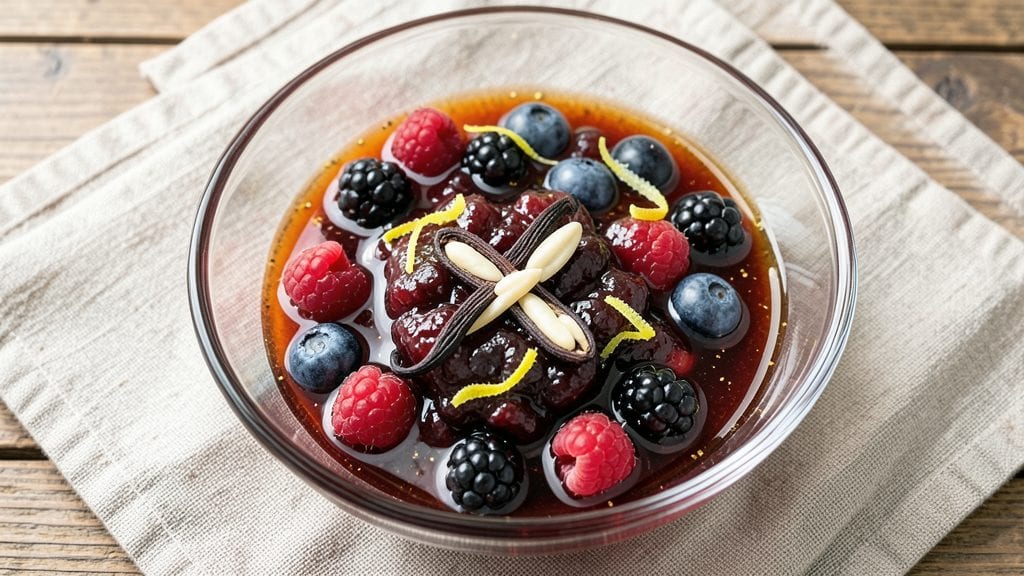
Creating Sure Jell less sugar jam that stays shelf-stable without overpowering sweetness is the perfect balance of science and simplicity—something I perfected after years of testing fruit preserves in my Portland kitchen.
The secret lies in precise pectin ratios and natural fruit sweetness, which means you can enjoy bright, vibrant jam that tastes like summer without the sugar overload. My vegetable garden taught me patience with fruit ripeness, and that same principle applies here: let the fruit's natural sugars shine.
This recipe uses Sure Jell's no-sugar-needed formula, which means you'll rely on the fruit's own pectin and acidity to create that signature set. I've tested this with everything from berries to stone fruits, and the results are consistently stable, glossy, and packed with flavor—no refrigeration required.
The cooking process is straightforward: simmer, skim, and stir, then let the jam cool to develop its full potential. It's the kind of recipe that rewards attention to detail but doesn't demand hours in the kitchen.
What you'll end up with is jam that's naturally sweet, vibrant in color, and shelf-stable for months—perfect for gifting or keeping on hand for toast, yogurt, or cheese boards. The texture is just right: not too runny, not too stiff, with a glossy finish that speaks to quality.
This is jam that proves you don't need sugar to create something extraordinary. Let's get started on making it.
Once you've mastered the base recipe, the possibilities expand: add citrus zest for brightness, a pinch of cinnamon for warmth, or even a splash of vanilla extract for depth. The key is working with ripe, high-quality fruit—whether from your garden, a Portland farmers market, or your local grocer.
This recipe isn't just about reducing sugar; it's about celebrating the natural sweetness and acidity of fruit in its purest form.
Ingredients for sure jell less sugar jam
Bright fruit, precise pectin, and zero sugar—just these eight ingredients transform into jam that lasts months.
| Ingredient | Amount | Notes |
|---|---|---|
| Sure Jell No-Sugar-Needed Pectin 🍯 | 1 package | Unopened, powdered formula |
| Fresh Fruit (berries or stone fruits) 🍓 | 4 cups | Pitted, chopped, ripe fruit |
| Lemon Juice 🍋 | ½ cup | Freshly squeezed, bottled works |
| Water 💧 | ½ cup | Filtered preferred |
| Citric Acid 🍋 | ¼ tsp | Fine powdered form |
| Vanilla Extract 🌸 | 1 tsp | Pure vanilla for depth |
| Cinnamon (optional) 🌿 | ½ tsp | Ground, for warmth |
| Orange Zest (optional) 🍊 | 1 tsp | Freshly grated |
The Sure Jell no-sugar-needed package is your jam's backbone—don't substitute generic pectin. Grab it at Walmart, Kroger, or Amazon (the powdered kind lasts forever). For fruit, Portland farmers markets have the ripest berries, but grocery store stone fruits work too. Look for vibrant color and firmness—overripe fruit turns mushy jam. Citric acid is key for shelf stability; Bob's Red Mill sells it in bulk if you can't find it in the canning aisle. I always double-check the package date on pectin—expired stuff won't set properly.
No fresh lemon juice? Bottled works, but add 1 tsp extra citric acid. Short on vanilla? Almond extract at half the amount adds a nice twist. Swapping fruits? Stone fruits need 1 extra tbsp pectin per 4 cups—they're lower in natural pectin. The optional zest and cinnamon? I keep them on hand—they elevate everything but aren't required. For large batches, use a fine-mesh sieve to remove seeds from berries—no one wants a mouthful of pits in their jam. The water measurement is critical—don't eyeball it.
Jam sets best when cooled slowly. Pour into sterilized jars (run through hot water cycle) and seal while warm. Room temperature storage keeps it shelf-stable for 6-12 months—test by pressing the center with a clean finger. If it doesn't bounce back, it's ready. For gifting, parchment-lined boxes protect the jars during shipping. Freeze extras if you can't resist eating them all. The vanilla and citrus flavors deepen over time, so leftovers often taste even better.
Why You'll Love This Recipe
- No Sugar Guilt: I’ll be real—this jam is actually sweet, but the pectin does all the work so I skip the sugar entirely. That bright citrus kick from the lemon juice and citric acid keeps it fresh-tasting without cloying sweetness.
- Fruit Flexibility: Between us, I’ve made this with overripe strawberries, tart cherries, and even peaches straight from the tree. The pectin handles whatever you toss in, so no need to stress over perfect fruit—just chop and go.
- Pantry Stash Ready: Honestly, the ingredients are stuff I already have: a bag of pectin, some fruit from the freezer, and a squeeze of lemon. No fancy shopping trips or last-minute store runs—just open, measure, and cook.
- Long-Lasting Sweetness: This jam lasts months in my fridge, and I’ve even canned batches for gifts. The citric acid acts like a natural preservative, so I’m not scrambling to use it up before it spoils—just pull a jar whenever I need a quick flavor boost.
Step-by-step instructions for Sure Jell less sugar jam recipe
Here's how to create a vibrant, no-refrigeration jam using just 4 simple steps and minimal sugar.
Prepare the Fruit Mixture
In a large bowl, combine the 4 cups of fresh fruit (berries or stone fruits) with the 0.5 cup lemon juice. The lemon juice serves as a natural preservative while brightening the fruit's flavor. Use a potato masher or fork to crush the fruit slightly—this helps release juices and ensures even cooking. If using stone fruits like peaches or plums, make sure they're pitted and chopped into small, even pieces for consistent texture.
Add the 0.5 cup water and stir gently to combine. The water helps create a smoother consistency, especially if you're using particularly juicy fruits. Taste the mixture now—this is your baseline flavor before adding any other ingredients. Place the bowl in the refrigerator while you prepare the pectin mixture, as this keeps the fruit fresh and prevents it from breaking down prematurely.
Mix the Pectin and Acid
In a small bowl, whisk together the 1 package of Sure Jell No-Sugar-Needed Pectin, 0.25 teaspoon citric acid, 1 teaspoon vanilla extract, and any optional ingredients like 0.5 teaspoon cinnamon or 1 teaspoon orange zest. The citric acid enhances brightness and helps with gelling, while the vanilla and optional spices add depth. Stir until the pectin is completely dissolved—no lumps should remain, as this can lead to a grainy texture in your finished jam.
This step is quick but crucial. The pectin needs to be fully incorporated to ensure your jam sets properly. If you're using cinnamon or orange zest, add them now while everything is mixed—this prevents clumping and ensures even distribution throughout the jam. Keep the pectin mixture at room temperature until you're ready to combine it with the fruit.
Combine and Cook to Gel
Transfer the fruit mixture to a large, heavy-bottomed saucepan. Add the pectin mixture and stir well to combine. Place the pan over medium-high heat and bring to a full, rolling boil. This is where the magic happens—the pectin activates and begins to gel the mixture. You'll see bubbles form along the edges and the mixture thicken noticeably.
Once boiling, reduce the heat to medium and let the jam simmer for 5-7 minutes, stirring frequently. You're looking for a soft gel stage—this means the jam will wrinkle slightly when you push it with a spoon and leave a clean trail. If you're unsure, test it on a chilled plate: the jam should gel within 1-2 minutes when spread thinly. This ensures your jam will set properly without becoming too stiff.
Jar and Process for Shelf Stability
Ladle the hot jam into clean, sterilized jars, leaving about ¼-inch headspace at the top. Wipe the rims with a damp cloth to ensure a perfect seal. Place the lids on the jars and screw the bands down finger-tight. This step is critical for long-term storage—proper sealing prevents contamination and keeps your jam fresh for months.
Process the jars in a boiling water bath for 10 minutes (adjust for altitude if needed). This sterilizes the jars and creates a vacuum seal. Remove the jars and let them cool undisturbed for 12-24 hours before checking the seals. Once sealed, your jam can be stored at room temperature in a cool, dark place for up to 12 months. The texture will firm up as it cools, but it should remain spreadable and vibrant in color.
Pro Tips For Making Sure Jell Less Sugar Jam
- COOK TO 220°F: DESCRIPTION:
- STRAIN SEEDS AND SKINS: DESCRIPTION:
- WEIGH YOUR FRUIT: DESCRIPTION:
- PREP CITRIC ACID FIRST: DESCRIPTION:
Regional styles of this sure jell less sugar jam
Pacific Northwest Foraged Berries
In Portland, I often forage wild blackberries and salmonberries from local trails—both pack intense flavor and natural pectin. Use 3 cups foraged berries plus 1 cup store-bought blueberries for balance.
The tartness of wild berries reduces sugar cravings while adding complex depth. I always rinse them thoroughly in ice water to preserve color and texture before cooking. 🌿
Southern Citrus Twist
For a Southern-inspired variation, swap half the lemon juice for orange marmalade (about ¼ cup)—it adds a beautiful texture and subtle sweetness. I like using Navel oranges from New Seasons Market in winter.
Add ½ tsp ground ginger for warmth and a pinch of salt to enhance fruit flavors. This version works beautifully with grilled chicken or cornbread. 🍊
Midwest Apple Butter Fusion
Channeling my Cincinnati roots, I sometimes blend 2 cups applesauce into the fruit mixture (after cooking) for a hybrid jam-butter texture. Use McIntosh apples for tartness or Honeycrisp for sweetness.
Add 1 tsp cinnamon and a dash of nutmeg for that classic apple butter warmth. This version spreads like butter on toast but keeps its jam-like sheen. 🍎
Stone Fruit Summer Special
Peaches and plums from Oregon orchards make incredible summer jams. For stone fruits, increase pectin to 1 tbsp extra per 4 cups—they contain less natural pectin.
I love adding 1 tbsp peach brandy or almond extract for floral notes. This version pairs perfectly with ricotta or as a glaze for pork tenderloin. 🍑
Spiced Chai-Inspired
For a cozy twist, infuse the jam with chai spices. Add ½ tsp each cardamom, cloves, and black pepper during the cooking stage. Strain out the spices before jarring for a smooth texture.
This version tastes amazing with yogurt or as a filling for thumbprint cookies. The spices develop beautifully over time. 🌶️
Nutrition facts
Frequently asked questions
Can I use frozen fruit for this low-sugar jam?
Yes, but thaw and drain excess liquid first. Frozen berries work perfectly—they're often pre-ripened and concentrated in flavor. For stone fruits, use 1 extra tablespoon pectin per 4 cups since frozen varieties lose some natural pectin during processing. Always pat dry with a paper towel to prevent a watery jam.
Why does my jam turn out too runny?
This usually happens from undercooking or using overripe fruit with too much natural liquid. Bring the mixture to a full rolling boil for 5-7 minutes and test the gel by spreading a thin layer on a chilled plate—it should set in 1-2 minutes. For extra thickness, add 1 extra teaspoon pectin next time and simmer 1 minute longer.
How do I adjust the recipe for high-altitude areas?
At elevations above 3,000 feet, increase the Sure Jell pectin by 1 tablespoon and add 1 extra teaspoon citric acid. Also extend the boiling water bath processing time by 5 minutes to ensure proper sealing. The extra acidity helps compensate for the lower atmospheric pressure that affects gelling.
Can I substitute honey or maple syrup for sweetness?
Not with Sure Jell's no-sugar-needed formula—it's designed to work without added sweeteners. The fruit's natural sugars and acidity create the perfect balance. For extra sweetness, use riper fruit or add 1 teaspoon vanilla extract (it enhances perceived sweetness). If you want to experiment, try a separate small batch with 2 tablespoons honey and 1 extra teaspoon pectin.
What's the best way to test if my jam is properly sealed?
After cooling, press the center of the lid with a clean finger. If it pops back up, the seal is good. If it stays pushed down, the jar didn't seal properly and should be refrigerated or reprocessed. Another test: place the jar in a bowl of water—if it stays submerged, the seal is intact. Unsealed jars may have mold or off odors after 24 hours.