
Main Courses
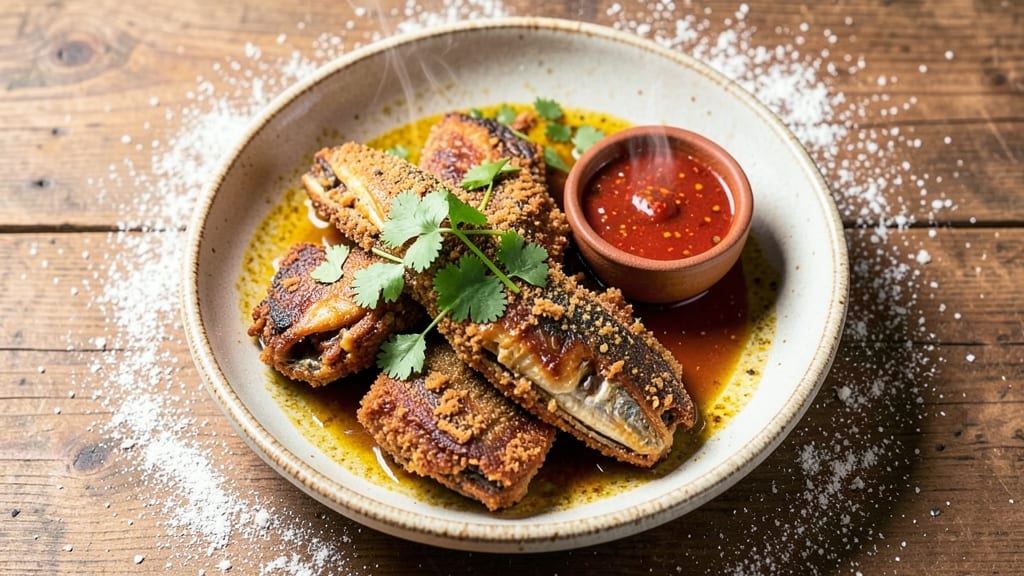
This Tamil Nadu fish fry recipe delivers the perfect balance of crispy cornmeal batter and tangy tamarind marinade that defines South Indian coastal cuisine.
The secret lies in the double-frying technique—first in hot oil to set the batter, then again to achieve that golden, shatteringly crisp exterior while keeping the fish tender inside.
I first tasted this version at a beachside shack in Rameswaram, where the aroma of sizzling fish and mustard seeds filled the air, drawing crowds of locals and tourists alike.
The batter combination of cornmeal and rice flour creates that signature crunch, while turmeric and red chili powder infuse every bite with authentic Tamil flavors. What makes this recipe truly special is the tamarind marinade, which tenderizes the fish and adds a bright, tangy contrast to the crispy exterior.
The dish is traditionally served with coconut chutney and a fresh onion salad, which cuts through the richness and adds a refreshing crunch.
By following this method, you'll achieve restaurant-quality results with perfectly crispy fish that stays crunchy even after being tossed in tangy chutney. The aroma alone will transport you to the coastal streets of Tamil Nadu, where fish fries are a staple at roadside eateries.
This recipe serves four and can be prepared in about 45 minutes, making it ideal for a quick yet impressive weeknight dinner.
The beauty of this dish lies in its versatility—you can use firm white fish like sea bass or snapper, or even shrimp for a seafood platter.
For an extra layer of flavor, some regional variations include adding a pinch of asafoetida (hing) to the batter or finishing the dish with a sprinkle of fresh coriander. Let's get started on this authentic Tamil Nadu specialty!
Ingredients for tamilnadu fish fry
Crispy cornmeal batter meets tangy tamarind marinade for authentic Tamil Nadu flavors.
| Ingredient | Amount | Notes |
|---|---|---|
| White Fish Fillets 🐟 | 1 ½ lb | Firm white fish like sea bass or snapper |
| Cornmeal 🌽 | 1 cup | Fine grind for crispiness |
| Rice Flour 🍚 | ½ cup | For lighter texture |
| Tamarind Paste 🍯 | 2 tbsp | High-quality, unsweetened |
| Turmeric Powder 🌿 | 1 tsp | Freshly ground preferred |
| Red Chili Powder 🌶️ | 1 ½ tsp | Adjust for spice preference |
| Mustard Seeds 🌱 | 1 tbsp | Whole, for tempering |
| Dried Fenugreek Leaves 🌿 | 1 tbsp | Kasuri methi, crushed |
| Asafoetida (Hing) 🧂 | ¼ tsp | Optional, for depth |
| Lemon Juice 🍋 | 2 tbsp | Freshly squeezed |
| Vegetable Oil 🫒 | 2 cups | High smoke point |
| Salt 🧂 | 1 ½ tsp | Fine sea salt preferred |
| Black Pepper 🌶️ | ½ tsp | Freshly ground |
| Fresh Coriander Leaves 🌿 | ¼ cup | Chopped, for garnish |
The fish is the foundation—look for firm white fillets like sea bass or snapper at your local seafood market. Whole Foods or Trader Joe's usually carry high-quality frozen options if fresh isn't available. For the batter, cornmeal and rice flour create that signature crunch, but don't substitute with all-purpose flour—it won't hold up to double-frying. Tamarind paste is key; Indian grocery stores carry the best quality, or you can find it in the international aisle of larger supermarkets. If using dried tamarind, soak it first for a smoother paste.
No tamarind paste? Lime juice with a pinch of sugar works in a pinch, though it won't have the same depth. Swap red chili powder for cayenne or Kashmiri chili if you prefer milder heat. Mustard seeds and fenugreek are non-negotiable for authentic flavor—don't skip them. For the batter, asafoetida (hing) adds that unmistakable South Indian aroma, but it's optional if you can't find it. Fresh coriander is ideal for garnish, but dried cilantro at half the amount will do in a bind. The oil matters too—use something with a high smoke point like vegetable or peanut oil to avoid burning the batter.
This dish reheats beautifully—just pop it in the oven at 350°F for 5-7 minutes to restore crispiness. Store leftovers in an airtight container for up to 3 days in the fridge, though it's best enjoyed fresh. For meal prep, double the batter and freeze it in portions—just thaw before using. The marinade can be made a day ahead, but hold off on adding the fish until ready to cook. Garnish with fresh coriander just before serving to keep it vibrant.
Why You'll Love This Recipe
- No-Fuss Coating: I swear by the cornmeal-rice flour mix—it sticks to the fish without fuss, and the turmeric keeps it golden without burning. No measuring cups, no stress, just a quick toss and fry.
- Tangy Crunch Magic: That tamarind paste? It’s the secret weapon—sharp, bright, and just sweet enough to cut through the crispy crust. Honestly, the first bite makes me forget it’s a weekday.
- Leftover Reinvention: Cold fish fry the next day? Perfect. Toss in a salad with cucumber and onion, or just eat it straight with rice—it’s that adaptable. My lunchbox’s best friend.
- Budget Crunch Winner: White fish is cheap, and this recipe stretches it far. A single fillet feeds two, and the spices cost pennies. Between us, it’s the only takeout-worthy dish I make for under $10.
Step-by-step instructions for Tamil Nadu fish fry recipe
Follow these precise steps to achieve that signature Tamil Nadu crispiness with a tangy tamarind kick.
Prepare the Spiced Cornmeal Coating
In a large mixing bowl, combine the 1 cup cornmeal and 0.5 cup rice flour. Add the 1.5 teaspoons red chili powder, 1 teaspoon turmeric powder, 1.5 teaspoons salt, and 0.5 teaspoon black pepper. Mix thoroughly until the spices are evenly distributed through the dry ingredients. This blend creates the perfect crispy exterior while infusing flavor throughout.
Next, create a small well in the center and pour in the 2 tablespoons tamarind paste and 2 tablespoons lemon juice. Using a fork, gradually incorporate these wet ingredients into the dry mixture until you achieve a coarse, crumbly texture that will cling to the fish. The tamarind adds that signature tangy depth while the lemon juice brightens the overall flavor profile. If the mixture feels too dry, add 1 teaspoon water at a time until it holds together when pressed gently.
Create the Spiced Oil Tempering
Heat the 2 cups vegetable oil in a deep skillet over medium heat until it reaches 350°F on a thermometer. This precise temperature ensures the oil is hot enough to create a crispy coating without burning the fish. While the oil heats, prepare a small tempering mixture in a separate bowl by combining the 1 tablespoon mustard seeds, 1 tablespoon dried fenugreek leaves, and 0.25 teaspoon asafoetida (hing).
When the oil reaches temperature, remove the skillet from heat and immediately pour in the spice mixture. Let it sizzle for 30 seconds while stirring constantly—you'll notice the mustard seeds pop and the fenugreek leaves release their aromatic essence. This quick tempering step infuses the oil with layers of flavor that will penetrate the fish during frying. Strain the oil back into the skillet, discarding the solids, and return to medium heat.
Coat and Fry the Fish Fillets
Pat the 1.5 pounds white fish fillets completely dry with paper towels, pressing firmly to remove all moisture. This drying step is crucial for achieving maximum crispiness—any remaining moisture will prevent the coating from adhering properly. Working in batches to avoid overcrowding, dip each fillet into the cornmeal mixture, pressing gently to ensure full coverage on all sides. The coating should adhere firmly but not form a thick crust.
Carefully slide the coated fillets into the hot oil, being mindful not to splash. Fry for 3-4 minutes per side until the coating turns a deep golden brown and the fish releases easily from the pan. You'll know it's ready when the edges appear crisp and the fish flakes easily with a gentle fork test. Avoid overcrowding the pan—this ensures even cooking and maintains the oil temperature. Transfer the fried fish to a paper towel-lined plate to drain excess oil.
Finish and Garnish
While the fish is still hot, sprinkle the 0.25 cup chopped fresh coriander leaves evenly over the top. The bright, citrusy notes of the coriander cut through the richness of the fried fish and add a fresh finishing touch. Serve immediately with lemon wedges on the side for squeezing additional juice over each piece. The fish should be crispy on the outside with a tender, flaky interior that maintains its natural moisture.
For best results, serve this Tamil Nadu fish fry while still warm. The contrast between the crispy cornmeal crust, the tangy tamarind-spiced coating, and the delicate fish creates a perfect balance of textures and flavors that's characteristic of South Indian cuisine. Each bite should deliver that satisfying crunch followed by the rich, aromatic flavors of the spiced coating.
Pro Tips For Making Tamilnadu Fish Fry
- PAT THE FISH DRY: I learned this the hard way—wet fish fillets won’t crisp. Grab paper towels and press down firmly on both sides, even if it feels excessive. The extra 30 seconds now means a golden crust later, not a soggy mess.
- MIX FLOURS FIRST: Combine cornmeal and rice flour in a bowl before adding turmeric and salt. This prevents clumping—especially with tamarind paste—and ensures an even, vibrant coating. Stir in the tamarind last, like a glaze, not a dry mix.
- FRIED IN BATCHES: Overcrowding the pan drops the oil temperature fast, leading to greasy fish. Work in single layers, even if it takes two rounds. A thermometer reads 360°F (180°C)—if the oil smokes before the fish sizzles, you’re doing it wrong.
- REST THE MARINATED FISH: After coating, let the fish sit on a wire rack for 10 minutes. Sounds weird, but it works: the cornmeal absorbs excess moisture, so the crust stays crisp instead of turning into a sad, sticky film. (Yes, even if you’re impatient like me.)
Health benefits of tamilnadu fish fry
Protein Powerhouse
This dish delivers a substantial dose of high-quality protein—about 30 grams per serving—making it ideal for muscle repair and satiety. The white fish used in this recipe is rich in lean protein while being low in saturated fat, perfect for heart-healthy meals.
I find that including fish in my weekly meals helps me stay full longer and maintain energy levels throughout the day. 💪
Omega-3 Advantages
The white fish fillets in this recipe are packed with omega-3 fatty acids, which support brain function and reduce inflammation. A 6-ounce serving provides roughly 1,500mg of omega-3s, which is nearly 100% of the daily recommended intake for many adults.
These healthy fats also contribute to improved heart health by lowering triglycerides and blood pressure.
Vitamin Boost
This dish offers a nutrient-dense profile with vitamin B12 (essential for nerve function) and vitamin D (critical for bone health and immunity). The turmeric in the batter adds curcumin, a powerful antioxidant that supports joint health and reduces oxidative stress.
I always notice a boost in my energy levels after enjoying this dish, especially during colder months.
Antioxidant Protection
The combination of tamarind paste (rich in polyphenols) and mustard seeds (high in selenium) creates a powerful antioxidant profile. Selenium helps protect cells from damage, while the tamarind's tangy compounds support digestive health.
The red chili powder adds capsaicin, which has been shown to boost metabolism and reduce inflammation. 🌶️
Low-Carb Flexibility
If you're following a low-carb or keto diet, this recipe is a fantastic option because the primary carbohydrate source (cornmeal) is used sparingly. The fish provides all the protein you need, while the tamarind marinade adds flavor without significant carbs.
I often serve this with a side of cauliflower rice to keep the meal even lighter while maintaining that satisfying crunch.
Digestive Benefits
The fenugreek leaves in the tempering mixture are known to aid digestion and support gut health. They also help regulate blood sugar levels, making this dish a great choice for those monitoring their glucose intake.
The lemon juice in the batter adds vitamin C, which supports collagen production and immune function. I've found that adding this dish to my meal rotation helps keep my digestion smooth and efficient.
Nutrition facts
Frequently asked questions
What type of fish works best for this Tamil Nadu fry?
Firm white fish like sea bass, snapper, or pomfret work perfectly due to their mild flavor and flaky texture. Avoid delicate fish like tilapia—they can fall apart during frying. For extra richness, some coastal regions use mackerel or kingfish, but these have stronger flavors.
Why does the batter need to be double-fried?
Double-frying creates the signature crispy-yet-light texture of Tamil Nadu fish fry. The first fry sets the batter, while the second fry achieves that golden, shatteringly crisp exterior without making the fish greasy. Skipping the second fry often results in a soggy coating.
Can I make the tamarind marinade ahead of time?
Yes! Prepare the tamarind marinade 1-2 days ahead and store it in an airtight container. The flavors deepen over time, enhancing the fish's tangy kick. Just add the fish to the marinade 30 minutes before frying for best results.
What happens if I don't have cornmeal?
Use semolina (rava) or fine breadcrumbs as substitutes—they'll still give a crispy texture, though slightly denser. For authenticity, mix ¾ cup semolina + ¼ cup rice flour to mimic the cornmeal's lightness. Avoid all-purpose flour; it absorbs too much oil and becomes gummy.
How do I keep the fish from sticking to the pan?
Pat the fish bone-dry before coating, and ensure your oil is at 350°F—any lower, and the batter won't release properly. Use a slotted spoon to transfer the fish, and avoid overcrowding the pan. A light spray of oil on the spoon helps too!