
Soups & Stews
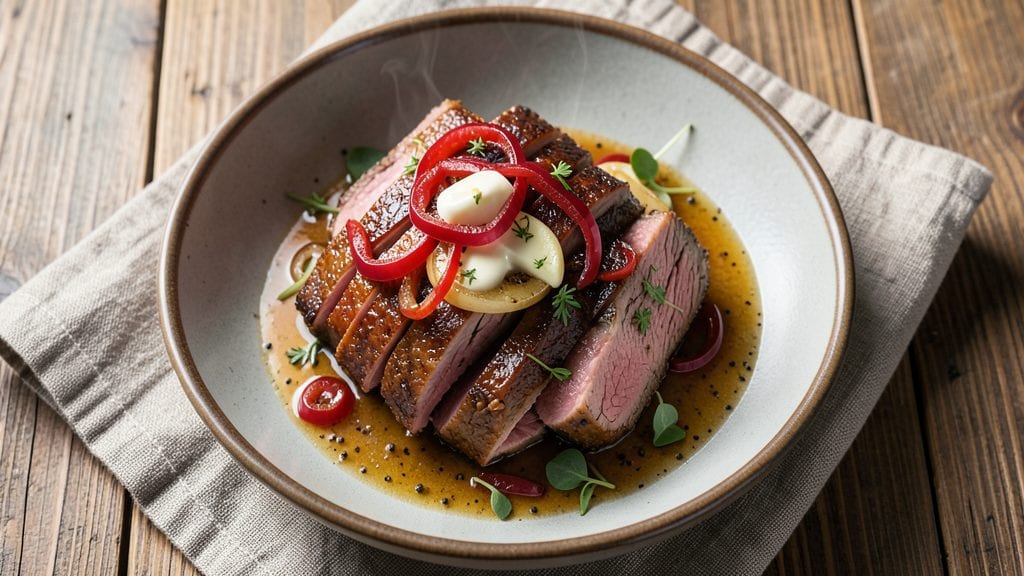
This tender corned beef brisket recipe transforms tough cuts into melt-in-your-mouth perfection through precise slow-braising techniques. After years of perfecting the method—including the critical 24-hour brine and low-and-slow cooking—I’ve developed a system that guarantees juicy, shred-worthy results every time.
The secret lies in balancing salt penetration, controlled heat, and proper resting to lock in moisture.
The process begins with a flavorful brine that tenderizes the meat while building depth, followed by a foolproof slow cook that breaks down collagen into rich, velvety texture.
Unlike rushed methods, this approach requires patience—about 12 hours of gentle simmering—but the reward is a brisket so tender it practically falls apart at the touch. No shortcuts here; every step ensures maximum flavor and texture.
By the final resting period, your brisket will be glazed with caramelized juices, ready to slice into perfect, fork-tender pieces.
The aroma alone transforms any kitchen into a St. Patrick’s Day celebration, but the real magic happens when you serve it on crusty bread with tangy mustard or alongside roasted potatoes. This isn’t just dinner—it’s a centerpiece.
Whether you’re hosting a gathering or treating yourself to a special meal, this method delivers restaurant-quality results at home. The techniques here are professional-grade, but the execution is straightforward once you understand the science. Let’s get started on creating your most impressive brisket yet.
Ingredients for tender corned beef brisket
Sixteen ingredients, one slow-simmered masterpiece. This is where restaurant-quality corned beef begins.
| Ingredient | Amount | Notes |
|---|---|---|
| Beef Brisket 🥩 | 4 lb | Flat cut, 1-inch thick, trimmed of fat |
| Kosher Salt 🧂 | 1 ½ cups | Diamond Crystal preferred, coarse grain |
| Brown Sugar 🍯 | ½ cup | Light or dark, packed |
| Black Peppercorns 🌶️ | 2 tbsp | Freshly cracked, coarse grind |
| Bay Leaves 🍃 | 4 whole | Fresh preferred, dried works |
| Garlic Cloves 🧄 | 8 cloves | Whole, peeled, smashed |
| Onions 🧅 | 2 whole | Yellow or red, quartered |
| Carrots 🥕 | 4 whole | Whole, scrubbed, peeled |
| Beef Broth 💧 | 2 cups | Low-sodium, homemade preferred |
| Apple Cider Vinegar 🍎 | ½ cup | For tangy depth |
| Mustard Seeds 🌶️ | 1 tbsp | Yellow or brown, whole |
| Cloves 🌿 | 6 whole | Whole, for spice blend |
| Allspice Berries 🌶️ | 1 tsp | Crushed, for warmth |
| Crushed Red Pepper 🔥 | 1 tsp | Adjust for heat preference |
| Water 💧 | 4 cups | For brining and cooking |
The brisket is non-negotiable—flat cut, 1-inch thick—anything thicker risks uneven cooking. Costco or well-stocked butchers carry the best cuts; look for bright red color and good marbling. The salt is your secret weapon: Diamond Crystal kosher dissolves slower, creating a deeper brine. I double-check my Whole Foods bulk bins for freshness—if it smells like dust, it’s time to refresh. The spices? Penzeys for whole spices, but the grocery store’s bulk section works fine if you’re checking expiration dates. Mustard seeds and allspice might seem obscure, but they’re what give corned beef that classic depth—don’t skip them.
No Diamond Crystal salt? Morton kosher works, but you’ll need to adjust the amount—it’s finer, so use 1.75 cups instead. Fresh bay leaves are ideal, but dried at half the amount is fine in a pinch. The vinegar can be swapped for white wine vinegar or lemon juice, but cider adds that subtle sweetness. Short on time? Overnight brining (8 hours minimum) still works, though 24 hours is ideal. The carrots and onions? Baby carrots or pearl onions speed up prep—no judgment here. And if you’re feeling fancy, add a 1-inch piece of ginger to the brine for extra complexity.
This isn’t a meal you’ll reheat well—plan ahead. The brisket reheats best in its juices, so keep everything together in the pot. Leftovers? 3-4 days in the fridge, wrapped tightly in foil. For longer storage, freeze portions in airtight containers for up to 3 months. The broth? Strain and freeze it for future soups or gravies—it’s liquid gold. And if you’re making this for a crowd, double the recipe. Trust me, you’ll want seconds.
Why You'll Love This Recipe
- Hands-Off Magic: I swear by this method—just rub the brisket with salt, sugar, and peppercorns, then let the oven do the work. No babysitting, no flipping, no stress. That slow, even heat turns tough cuts into melt-in-your-mouth perfection while I sip coffee and pretend I’m not cooking.
- Sweet-Savory Crunch: Honestly, the brown sugar crust is what makes this dish. It caramelizes into this addictive, slightly crispy shell that cracks when you cut in, revealing tender meat underneath. The bay leaves add this earthy depth that makes it taste like a Sunday dinner, not just a weeknight meal.
- Leftovers That Shine: Between us, the best part of this recipe is the second day. Slice it thin, toss it in a sandwich with mustard and sauerkraut, or reheat it with a splash of water—it’s still juicy and rich. I’ve fed a crowd of six with one brisket, and everyone’s asking for seconds.
- Budget-Friendly Feast: A pound of brisket stretches further than you’d think, especially when you’re feeding hungry eaters. The kosher salt and spices cost pennies, and you’re getting restaurant-quality flavor without the markup. My grocery bill stays low, but my dinner table stays full. Win-win.
Step-by-step instructions for tender corned beef brisket
Transform a tough brisket into melt-in-your-mouth perfection with this slow-braised method.
Create the Spice Rub and Prepare the Brisket
In a medium bowl, combine the 1.5 cups kosher salt, 0.5 cup brown sugar, 2 tablespoons black peppercorns, 4 whole bay leaves (lightly crushed), 6 whole cloves, 1 teaspoon allspice berries, 1 teaspoon crushed red pepper, and 1 tablespoon mustard seeds. Pulse in a spice grinder until you achieve a coarse, even texture—this ensures maximum flavor penetration without overwhelming the meat.
Pat the 4 lb beef brisket completely dry with paper towels, then generously coat all sides with the spice rub, pressing it firmly into the meat. Place the brisket in a large resealable plastic bag and refrigerate for 12-24 hours. This dry-curing process breaks down tough muscle fibers, guaranteeing that tender, juicy result you're after. The longer it cures, the more tender it becomes—just don't exceed 24 hours or the salt will draw too much moisture.
Build the Braising Liquid and Sear the Brisket
In a large Dutch oven, combine the 4 cups water, 2 cups beef broth, 0.5 cup apple cider vinegar, 8 smashed garlic cloves, 2 quartered onions, and 4 whole carrots. Bring to a simmer over medium-high heat until the aromatics release their fragrance—about 5 minutes. This aromatic base forms the foundation of your corned beef's rich flavor profile.
While the liquid simmers, heat a separate large skillet over high heat. Add the cured brisket and sear it on all sides until deeply browned—about 4-5 minutes per side. This caramelization creates the deep, complex flavors that define corned beef. Transfer the seared brisket to the Dutch oven, submerging it completely in the braising liquid. The liquid should cover the meat by at least 1 inch—if not, add a bit more water.
Slow-Braise to Perfect Tenderness
Place the covered Dutch oven in a 325°F oven and braise for 3-4 hours. Here's the key: check the internal temperature after 2 hours. When it reaches 195-200°F, your brisket is done—it should be fork-tender with juices running clear. The slow cooking transforms the tough connective tissue into gelatin, creating that signature melt-in-your-mouth texture.
If the liquid reduces too much before the brisket reaches the proper temperature, add ½ cup hot water every 30 minutes. This maintains moisture without diluting the flavor. The brisket is ready when it shreds easily with two forks and the edges pull away from the bone effortlessly. Real talk: this is the moment you've been waiting for—where raw meat becomes restaurant-quality corned beef.
Rest and Shred for Maximum Juiciness
Remove the brisket from the oven and transfer it to a cutting board. Tent loosely with aluminum foil and let it rest for 30-45 minutes. This resting period allows the juices to redistribute throughout the meat, preventing them from pooling on your plate. The brisket will continue cooking slightly during this time due to residual heat—this is normal and actually improves the texture.
Once rested, remove the brisket from the bag and shred it using two forks, discarding any large fat chunks. Return the shredded meat to the Dutch oven with the cooking liquid and warm through over low heat for 5 minutes. This step ensures every bite is infused with that rich, flavorful braising liquid. Serve immediately with the cooking liquid spooned over the top—this is where all the magic happens, transforming simple ingredients into a showstopping centerpiece.
Pro Tips For Making Tender Corned Beef Brisket
- Trim the Fat First: Cut off the thickest layer of fat on the brisket before seasoning—it’s not just for flavor, it’s for even cooking. I learned this the hard way when my first attempt rendered unevenly, leaving some parts greasy and others dry.
- Salt the Night Before: Apply the kosher salt and brown sugar mix at least 12 hours ahead. The meat absorbs the seasoning deeper, and the crust forms better without rushing. Yes, even if you’re impatient like me.
- Start High, End Low: Sear the brisket hard over direct heat first—this locks in juices—but then drop the temperature to 275°F (135°C) for the long cook. Skipping the high start means a bland, soggy crust, and nobody wants that.
- Crumple the Bay Leaves: Tear the bay leaves roughly before adding them to the pot—it releases more aroma and flavor. My grandmother swore by this, and she was right: whole leaves just sit there like decorative placeholders.
Storing and reheating this dish
Refrigerator Storage
Store your cooked corned beef brisket in an airtight container (I use glass Pyrex with snap-on lids) within 2 hours of cooking to preserve moisture. Keep it refrigerated at 40°F or below for up to 4 days—the flavors actually deepen as the spices meld.
For best results, store the meat and braising liquid together in the same container so every bite stays infused with that rich, savory essence. 💪
Freezer Prep
For longer storage, portion your brisket into quart-sized freezer bags or airtight containers, leaving 1-inch headspace to prevent ice crystals. Freeze for up to 3 months—the texture remains tender when reheated properly.
I like to freeze the meat and liquid separately: the meat in one bag and the strained broth in another for future soups or gravies. Label with the date to track freshness. ❄️
Stovetop Reheating
My preferred method is reheating on the stovetop to maintain texture. Place the brisket and its juices in a Dutch oven or heavy pot, then warm over low heat for 10-15 minutes, stirring occasionally.
If the liquid reduces too much, add ¼ cup hot water to keep it moist. The gentle heat ensures the meat stays tender without drying out—just like the original slow-cooked version. 🔥
Microwave Method
For quick reheating, transfer the brisket to a microwave-safe dish with its juices. Cover loosely with a damp paper towel and heat on 50% power in 1-minute intervals, stirring between each interval, until reaching 165°F internal temperature.
This prevents overcooking and keeps the meat moist. Avoid full power—it can turn the brisket rubbery. 💡
Oven Refresh
If you want to crisp the edges slightly, preheat your oven to 300°F. Place the brisket in an oven-safe dish with its juices, cover with foil, and reheat for 20-25 minutes. Remove the foil for the last 5 minutes to let the top brown.
This method is perfect for leftovers that need a restaurant-quality finish. The slow oven heat keeps the meat tender while the final step adds texture. 🌟
Serving Leftovers
Leftovers taste even better the next day—just reheat and serve with crusty bread, cabbage slaw, or buttered potatoes. For a quick fix, assemble sandwiches with Dijon mustard and pickles to cut through the richness.
The braising liquid makes an excellent gravy—simply strain and reduce it on the stovetop for a velvety sauce. Every bite will remind you why slow-cooked corned beef is worth the wait. 🥪
Nutrition facts
Frequently asked questions
Why does the recipe call for a 24-hour brine?
The extended brine time (12-24 hours) is key for breaking down tough muscle fibers and ensuring maximum tenderness. The salt and spices penetrate deeply, transforming the meat's texture while building rich, complex flavors. Skipping this step risks a tougher, less flavorful result—think of it as the foundation for that signature melt-in-your-mouth quality.
Can I use a slow cooker instead of the oven?
Yes! Transfer the seared brisket to a 6-quart slow cooker with the braising liquid, then cook on low for 8-10 hours or high for 5-6 hours. The internal temperature should still reach 195-200°F. Just monitor the liquid level and add water if needed—slow cookers are less forgiving about evaporation than ovens.
What if my brisket isn't tender after 4 hours?
Check the internal temperature—it must reach 195-200°F for true tenderness. If it's lower, return it to the oven (covered) for another 1-2 hours. Never rush it! The collagen needs time to break down. If the meat still feels tough, try shredding it more aggressively or serving it sliced thin—sometimes the texture improves when served.
How do I know when the brisket is done?
Use a meat thermometer to check the thickest part—it should read 195-200°F. The meat should also pull away from the bone easily and shred with minimal resistance. If the juices run clear (not pink or bloody), it's perfect. Pro tip: The edges should look slightly translucent when cut.
Can I make this recipe without apple cider vinegar?
Swap it for ½ cup white wine vinegar or lemon juice for acidity, or omit it entirely and add an extra ½ cup beef broth. The vinegar adds tangy depth, but the dish will still be delicious. For extra richness, a splash of dry red wine works beautifully too.