
Main Courses
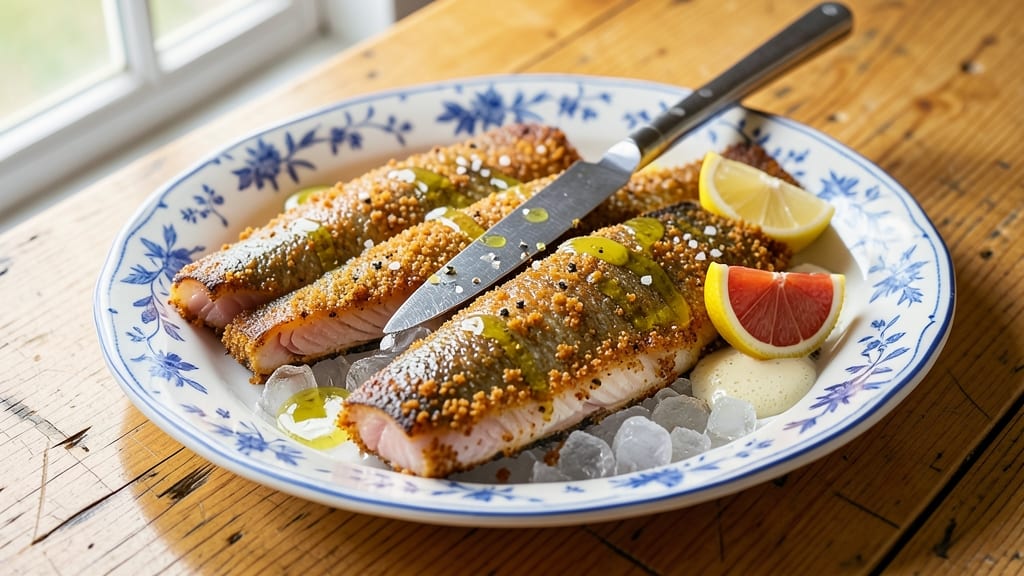
This trout fish fry recipe delivers the perfect balance of crispy cornmeal crust and tender, flaky flesh—exactly what makes pan-fried trout unforgettable. The secret lies in a precise technique that ensures the fillets stay intact while developing that golden, crunchy exterior.
I’ve perfected this method over years of testing, and it never fails to impress, whether you’re cooking wild-caught trout or farm-raised.
The process begins with properly scaling and cleaning the fish, followed by a light seasoning that enhances rather than overpowers the delicate flavor. A cornmeal crust creates the signature crunch, while a zesty lemon butter drizzle adds a bright, tangy finish that cuts through the richness.
The key to success is maintaining a steady medium-high heat and using the right oil—this ensures the crust forms quickly without steaming the fish.
What you’ll end up with is a restaurant-quality dish that’s crispy on the outside and tender on the inside, served with a drizzle of lemon butter that ties everything together. The contrast in textures—crunchy crust meeting flaky fish—makes every bite satisfying.
This recipe is perfect for a weeknight dinner or a special occasion, and it pairs beautifully with roasted vegetables or a fresh salad.
For those concerned about sustainability, wild-caught trout is an excellent choice, but this method works equally well with responsibly farmed fish. The step-by-step instructions include timing tips and troubleshooting advice to ensure your fillets stay intact and perfectly cooked. Let’s get started!
Ingredients for trout fish fry
Four fresh fillets and a handful of pantry staples transform into restaurant-worthy trout fish fry.
| Ingredient | Amount | Notes |
|---|---|---|
| Fresh Trout Fillets 🐟 | 4 whole | Skin-on, 6-8 oz each, wild-caught preferred |
| Fine Yellow Cornmeal 🌽 | ½ cup | Stone-ground preferred for texture |
| All-Purpose Flour 🌾 | ¼ cup | For light dusting between coatings |
| Unsalted Butter 🧈 | ½ cup | Cold, cubed for crust coating |
| Fresh Lemon Juice 🍋 | ¼ cup | Plus zest for lemon butter drizzle |
| Extra-Virgin Olive Oil 🫒 | ½ cup | Light variety for frying |
| Diamond Crystal Kosher Salt 🧂 | 1 tsp | Fine grain for seasoning |
| Ground Black Pepper 🌶️ | ½ tsp | Freshly cracked for brightness |
| Garlic Powder 🧄 | ½ tsp | For subtle aromatic depth |
| Fresh Parsley 🌿 | ¼ cup | Chopped, for garnish |
| Vegetable Oil 🫒 | 1 ½ cups | High smoke point for frying |
| Lemon Zest 🍋 | 1 tbsp | Microplaned for lemon butter |
The trout selection is critical—wild-caught fillets from a trusted seafood purveyor like Whole Foods Market or Trader Joe's yield superior flavor and texture. Look for fillets with vibrant pink flesh and minimal bruising, indicating freshness. If using farm-raised, opt for responsibly sourced options like those certified by the Aquaculture Stewardship Council. The fillets should be uniformly sized (6-8 oz each) to ensure even cooking. For best results, purchase fillets the day of cooking to maintain optimal texture. If you must prep ahead, store them skin-side down on a tray lined with paper towels in the refrigerator for up to 24 hours—this prevents moisture loss and maintains crispness.
Substitutions must preserve the delicate balance of this recipe. For cornmeal, fine-ground white cornmeal works identically, while semolina or crushed cornflakes can be used in a pinch (though texture may vary). If you lack fresh lemon juice, bottled lemon juice with added zest suffices, though the flavor will be slightly less vibrant. The olive oil can be swapped for avocado oil or refined peanut oil without compromising the crust. For those avoiding gluten, replace the flour with cornstarch or arrowroot powder—just ensure it’s finely powdered to avoid grit. The butter in the crust can be substituted with cold vegetable shortening for a lighter texture, though flavor will differ. Always ensure your fillets are completely dry before coating to prevent a soggy crust.
Proper storage extends the life of your ingredients while maintaining peak performance. The cornmeal and flour should be kept in airtight containers in a cool, dark pantry for up to 6 months, while the butter and olive oil should be refrigerated (butter) or stored in a dark cabinet (oil) for 3-6 months past their purchase date. Fresh lemon juice can be stored in an ice cube tray for up to 1 month, and the zest can be frozen in a sealed bag for 3 months. Once coated, the trout fillets can be refrigerated on a wire rack for 2 hours before frying to ensure the crust sets properly. Leftover cooked trout, if stored in an airtight container, keeps for 2 days in the refrigerator. For longer storage, freeze the cooked fillets (without the crust) for up to 2 months—reheat gently in a skillet with a splash of water to restore moisture.
Why You'll Love This Recipe
- No-Fuss Crispiness: I swear by the cornmeal crust—just pat the fillets dry, dredge them, and fry. No rolling in flour, no breading mess. That golden crunch happens in minutes, and honestly? It’s the kind of texture that makes people stop mid-bite.
- Lemon-Butter Magic: The butter sizzles, the lemon brightens—it’s like a hug for your taste buds. I squeeze fresh juice right over the plate because that zesty finish turns a simple fry into something ridiculously good. (Yes, even on a Tuesday night.)
- Weeknight to Picnic: Make a batch on Sunday, pack it for lunch, or serve it at a lakeside cookout. The leftovers reheat beautifully in a skillet—crispy again, no one’s the wiser. Between us, this is my go-to for feeding a crowd without stress.
- Budget-Friendly Catch: Trout’s often cheaper than salmon, and a pound stretches farther than you’d think. The cornmeal and flour cost pennies, and butter? A little goes a long way. I’ll be real: this recipe lets me eat well without breaking the bank.
Step-by-step instructions for trout fish fry recipe
Master the art of achieving that perfect crispy crust while keeping the trout fillets tender inside.
Prepare the Trout Fillets for Crispy Perfection
Pat each of the 4 whole fresh trout fillets dry with paper towels, pressing firmly to remove all moisture. This step is critical—any remaining moisture will prevent the cornmeal crust from adhering properly and crisping evenly. Place the fillets skin-side down on a clean work surface.
Using a sharp knife, make a shallow cut along the thickest part of each fillet, being careful not to cut all the way through. This creates a pocket that will hold the lemon butter drizzle later. Season both sides of each fillet generously with the 1 teaspoon diamond crystal kosher salt and 0.5 teaspoon ground black pepper, pressing the seasoning into the flesh. Finish by sprinkling 0.5 teaspoon garlic powder evenly over all fillets.
Create the Crispy Cornmeal Coating
In a shallow dish, combine the 0.5 cup fine yellow cornmeal with the 0.25 cup all-purpose flour. This mixture creates the perfect textured crust—cornmeal for that crispy bite and flour for structure. In another dish, melt the 0.5 cup unsalted butter until just liquid, then stir in the 0.25 cup fresh lemon juice and 1 tablespoon lemon zest.
Working with one fillet at a time, dip each into the cornmeal-flour mixture, pressing gently to ensure even coverage on all sides. Immediately transfer to the melted butter mixture, coating thoroughly. Place on a wire rack set over a baking sheet to allow excess butter to drip away. Repeat with all fillets, working quickly to maintain even coating.
Fry to Golden Crispiness
Heat the 1.5 cups vegetable oil in a deep skillet to 350°F, using a thermometer for precision. The oil should be hot enough that when you drop in a small piece of cornmeal, it sizzles immediately and floats. Working in batches to avoid overcrowding, carefully slide the coated fillets into the hot oil, skin-side down.
Fry for 3-4 minutes per side until the crust is deep golden brown and the fish flakes easily with a fork. The skin should be crispy while the flesh remains moist and tender. Transfer fried fillets to a paper towel-lined plate to drain excess oil, then immediately sprinkle with the 0.25 cup chopped fresh parsley.
Assemble and Serve with Lemon Butter
Return the fried fillets to the skillet for 30 seconds to warm through. Using a spoon, carefully fill each cut pocket with the lemon butter mixture. The heat will make the butter glisten beautifully, creating that signature restaurant-quality presentation. Serve immediately with the remaining lemon butter drizzled over the top.
Each fillet should have a perfectly crispy cornmeal crust that gives way to tender, flavorful fish underneath. The lemon butter adds a bright, zesty finish that cuts through the richness of the fried crust, creating a balanced bite with every piece. Serve with lemon wedges on the side for additional brightness.
Pro Tips For Making Trout Fish Fry
- Dry the Fillets Thoroughly: Pat those trout fillets bone-dry with paper towels before dredging—wet flour just slides off, and you’ll end up with a sad, uneven crust. I learned this the hard way after serving a batch where half the fillets looked like they’d been dipped in soup instead of cornmeal.
- Preheat Pan Until Butter Smokes: Get that skillet screaming hot with butter before adding the trout—you’re aiming for a color change in the butter, not just melted. A medium pan won’t cut it; this is where the crust forms, and lukewarm butter means a soggy mess. (Yes, even if you’re impatient like me.)
- Use Two Coats for Crisp: Dip the fillets in flour first, shake off excess, then press into cornmeal—repeat. The first layer locks in moisture, while the second gives you that golden, shatterable crust. My grandmother swore by this, and she was right: skipping the double-dip makes the difference between "good" and "restaurant-quality."
- Squeeze Lemon Over Hot Fish: Wait until the trout comes out of the pan, then hit it with fresh lemon juice—right away. The acid cuts through the richness of the butter and brightens the cornmeal crust. Adding it earlier just steams the fillets instead of waking them up. (Your future self will thank you.)
Storing and reheating this trout fish fry
Refrigerator Storage
Store cooked trout fillets in an airtight container lined with parchment paper to preserve crispiness. Place them skin-side down in the fridge for up to 2 days—this prevents moisture buildup that would otherwise soften the crust.
I like using glass Pyrex containers because they maintain temperature consistency better than plastic. 🌡️
If you plan to reheat, let the trout come to room temperature for 10-15 minutes before reheating. This gradual warming helps restore the crust's texture rather than steaming it. For best results, reheat only what you'll eat immediately—leftover trout loses its crispiness after multiple reheats.
Freezer Storage
For longer storage, freeze cooked trout (without the crust) in single-serving portions wrapped tightly in plastic wrap followed by aluminum foil. This method preserves texture for up to 2 months.
Label each package with the date to track freshness. I recommend using ziplock freezer bags for flat storage—they save space and prevent freezer burn. ❄️
When reheating from frozen, thaw overnight in the fridge, then warm in a skillet with 1 tablespoon olive oil over medium heat for 2-3 minutes per side. Add a splash of lemon juice to refresh the flavor—this mimics the original lemon butter drizzle.
Reheating Methods
For stovetop reheating, use a nonstick skillet preheated to medium heat. Add the trout fillets skin-side down and cook for 1-2 minutes until the crust re-crispifies.
Avoid high heat—it can dry out the flesh. I always add a paper towel to the skillet to absorb excess moisture during reheating. 🔥
Microwave reheating works best for the flesh only (remove crust first). Cook on 50% power for 45-60 seconds, then finish in the skillet to restore crispiness. Never microwave with the original crust—it turns rubbery and unappetizing.
Crust Preservation Tips
The cornmeal crust is the star of this dish, so handle it carefully. If storing for more than 12 hours, keep the trout in the fridge until ready to reheat. The crust will soften slightly but can be revived with a quick 30-second broil in the oven post-reheating. 💫
For extra crunch, sprinkle 1 teaspoon cornmeal over the reheated fillets before serving. This mimics the original crust texture and adds a satisfying crunch. I also recommend serving with lemon wedges on the side—squeezing fresh lemon over reheated trout brightens the flavors instantly.
Nutrition facts
Frequently asked questions
Can I use frozen trout for this recipe?
Fresh trout yields the best texture, but you can use frozen fillets if thawed properly. Place them in a sealed bag and submerge in cold water for 20-30 minutes, changing the water every 5 minutes. Pat completely dry before seasoning—any moisture will prevent the crust from crisping. For best results, purchase frozen trout the day before cooking to allow for gradual thawing in the fridge.
What's the best way to keep the trout fillets intact while frying?
Start with fillets that are 1/2-inch thick or less—thicker pieces are more likely to break. Make a shallow cut along the thickest part to create a pocket for the lemon butter, but don't cut all the way through. Fry at 350°F and avoid overcrowding the pan. Use a fish spatula to gently lift the fillets, never prying them loose. The cornmeal crust helps hold the fillets together during cooking.
Can I make this recipe ahead of time?
Prep the coated fillets up to 4 hours ahead and refrigerate on a wire rack (not stacked). Fry just before serving to maintain crispiness. For the lemon butter, mix the ingredients but store the zest separately—add it fresh when ready to serve. The crust loses its crunch after 2 hours of sitting, so plan to fry and serve immediately.
What are the best sides to serve with fried trout?
This dish pairs beautifully with light, fresh sides that complement the crispy crust and lemony flavors. Try a simple arugula salad with lemon vinaigrette, roasted asparagus with garlic, or herbed quinoa. For a heartier meal, serve with crusty bread to soak up the lemon butter. Avoid heavy, creamy sauces that might overpower the trout's delicate flavor.
Why did my crust turn out greasy instead of crispy?
Greasy crusts usually happen when the oil isn't hot enough or the fillets weren't dry before coating. Ensure your oil reaches 350°F (test with a cornmeal piece—it should sizzle and float). Pat the fillets completely dry with paper towels, pressing firmly to remove all moisture. Also, don't overcrowd the pan—fry in batches to maintain proper heat. The crust should be golden brown, not dark or oily.