
Desserts
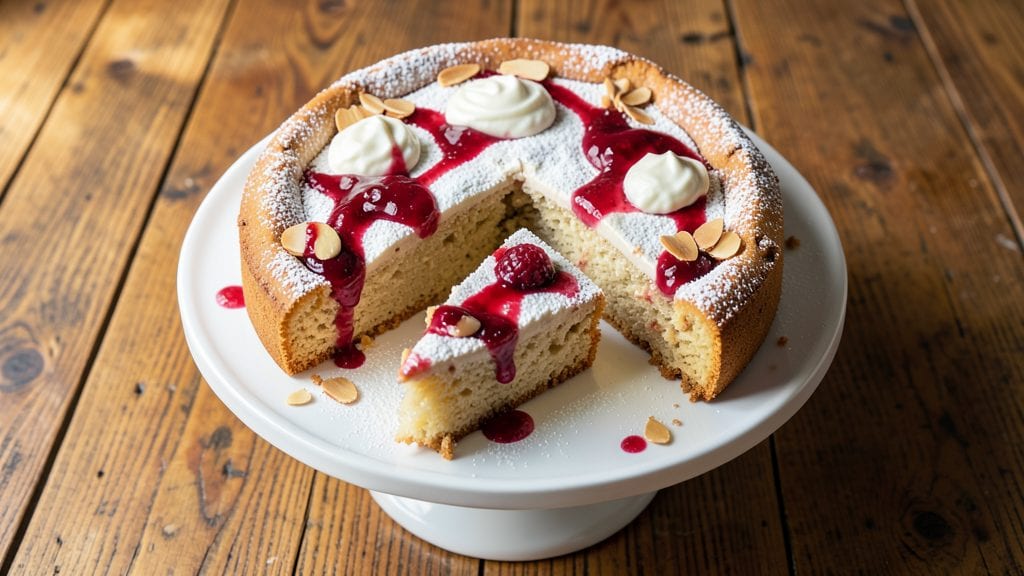
This yoghurt cake recipe delivers the perfect balance of light, airy crumb and tangy brightness that keeps it fresh for days. After years of testing variations, I've perfected a method that avoids common pitfalls like dryness or cracking, using simple ingredients that work every time.
The secret lies in proper mixing techniques and a precise baking approach that ensures consistent results.
What sets this recipe apart is its versatility—you can keep it classic with vanilla or add vibrant lemon zest for that signature tangy twist. The cake's moist texture comes from combining Greek yogurt with buttermilk, which adds richness without heaviness.
Professional bakers know that proper ingredient ratios and oven temperature are key to achieving that signature lightness.
By the time you pull it from the oven, you'll have a tender, golden cake with just the right crumb that stays moist for hours. The tangy flavor profile makes it perfect for breakfast or afternoon tea, and it pairs beautifully with fresh berries or a dusting of powdered sugar.
This is the kind of dessert that feels indulgent yet remains light enough for any occasion.
For those who prefer a sweeter touch, a simple glaze or cream cheese frosting elevates it further. The recipe includes troubleshooting tips to address common baking challenges, ensuring your first attempt is successful. Let's get started on creating this crowd-pleasing classic.
Ingredients for yoghurt cake
Simple ingredients that transform into a tender, tangy cake with just the right crumb.
| Ingredient | Amount | Notes |
|---|---|---|
| All-Purpose Flour 🌾 | 2 ½ cups | Sifted for lightness |
| Plain Greek Yogurt 🥛 | 1 cup | Full-fat for moisture |
| Buttermilk 🥛 | 1 cup | Substitute with milk + 1 tbsp vinegar |
| Granulated Sugar 🍚 | 1 ½ cups | Superfine preferred for smooth texture |
| Unsalted Butter 🧈 | 1 cup | Room temperature, cubed |
| Large Eggs 🥚 | 2 whole | Room temperature for even baking |
| Baking Powder 🧂 | 2 tsp | Aluminum-free preferred |
| Salt 🧂 | ½ tsp | Fine sea salt |
| Vanilla Extract 🍯 | 1 tbsp | Pure vanilla preferred |
| Lemon Zest 🍋 | 1 tbsp | Fresh, finely grated |
| Powdered Sugar 🍚 | ½ cup | For glaze (optional) |
| Lemon Juice 🍋 | 1 tbsp | Freshly squeezed for glaze |
| Heavy Cream 🥛 | ¼ cup | Optional for glaze |
The Greek yogurt is non-negotiable here—full-fat ensures maximum moisture without heaviness. Fage or Chobani are my go-to brands, but any plain Greek yogurt works. For the flour, King Arthur or Gold Medal are reliable choices; sifting removes lumps for that signature lightness. The butter should be room temperature—cold cubes won't emulsify properly, and melted butter can make the cake dense. If you're short on time, microwave the butter in 20-second bursts until just soft. The lemon zest adds that signature tang, so use a fine grater for maximum flavor—no zesters here.
No Greek yogurt? Plain yogurt works in a pinch—just add 1 tablespoon cornstarch to thicken it. Substituting buttermilk? Milk plus 1 tablespoon lemon juice or vinegar does the trick. For the glaze, powdered sugar is key—Dommini or Confectioners Sugar brands dissolve smoothly. Short on heavy cream? Whipped cream cheese gives a similar tangy richness. The vanilla extract should be pure, not imitation—Nielsen-Massey is my top pick, but any good-quality extract works. If you're feeling adventurous, swap the vanilla for orange blossom water (½ teaspoon) for a floral twist.
This cake stays moist for 4-5 days when wrapped tightly in plastic, but it's best enjoyed within 2 days for peak tenderness. For longer storage, freeze slices wrapped individually—they thaw beautifully. The glaze, if made, should be applied just before serving to prevent weeping. Leftovers? Reheat slices in a 200°F oven for 5 minutes to restore freshness. Portion into single servings before freezing for easy grab-and-go treats.
Why You'll Love This Recipe
- No Mixer Needed: I swear by this one—just whisk the Greek yogurt and buttermilk together until smooth, then fold in the dry ingredients. The butter gets creamed in seconds with a fork, no electric beaters required. My hands are always busy, and this keeps my kitchen quiet.
- Moist Without Gummy: That yogurt-buttermilk combo? It’s the secret. The cake stays tender for days, but never turns sad or dense. The sugar caramelizes just enough to give it a subtle depth—like a hug in dessert form.
- Pantry Staple Magic: I keep a tub of Greek yogurt and buttermilk on hand anyway, so this uses what I already have. No specialty ingredients, no last-minute grocery runs. Honestly, I’ve made this with store-brand butter and still gotten rave reviews.
- Leftovers That Beg: Slice it the next day, and it’s even better—crisp edges, soft middle, that buttery richness. Wrap it loosely and stash it in the fridge for up to five days. (Yes, even on a Tuesday night.) My kids fight over the scraps.
Step-by-step instructions for yoghurt cake recipe
This method delivers a perfectly light, tender crumb with a subtle tang and bright citrus notes.
Prepare the Dry Ingredients and Yogurt Mixture
Preheat your oven to 350°F and grease an 8-inch round cake pan or line it with parchment paper. In a medium bowl, whisk together the 2.5 cups all-purpose flour, 2 teaspoons baking powder, and 0.5 teaspoon salt. Sift the mixture once to remove any lumps and set aside.
In a separate large bowl, combine the 1 cup plain Greek yogurt and 1 cup buttermilk. Whisk until smooth and let sit for 5 minutes to allow the yogurt to slightly thicken. This step ensures a moist crumb without making the cake dense.
Cream Butter and Sugar for Lightness
In a stand mixer fitted with the paddle attachment, beat the 1 cup unsalted butter and 1.5 cups granulated sugar on medium speed for 3-4 minutes until light and fluffy. You should see the mixture nearly double in volume and turn pale. This aeration is key for a tender, airy cake.
Add the 2 whole large eggs, one at a time, mixing well after each addition. Scrape down the sides of the bowl as needed. Stir in the 1 tablespoon vanilla extract and 1 tablespoon lemon zest until fully incorporated. The zest will infuse subtle citrus brightness throughout the cake.
Combine Wet and Dry Ingredients
Gradually add the dry ingredients to the wet mixture in three parts, mixing on low speed just until combined after each addition. Avoid overmixing—stop as soon as the batter comes together. The goal is to maintain as much air as possible for a light texture.
Pour the batter into your prepared cake pan and smooth the top with a spatula. Tap the pan gently on the counter 2-3 times to remove any air bubbles. Bake for 30-35 minutes, or until a toothpick inserted into the center comes out clean. The cake should spring back slightly when pressed gently.
Make the Lemon Glaze (Optional)
While the cake bakes, prepare the optional glaze by whisking together the 0.5 cup powdered sugar, 1 tablespoon lemon juice, and 0.25 cup heavy cream in a small bowl. The glaze should be smooth and pourable but not too runny. If needed, add 1-2 teaspoons more powdered sugar to thicken.
Once the cake has cooled for 15 minutes in the pan, run a knife around the edges to loosen it. Transfer to a wire rack and let cool completely. Pour the glaze over the top and spread evenly with a spatula. For extra shine, you can drizzle any remaining glaze over the sides. Serve at room temperature for the best texture.
Pro Tips For Making Yoghurt Cake
- Whisk Butter Slowly: Melt the butter just until it’s liquid—no hotter than 110°F (43°C)—then whisk it into the sugar gradually while mixing on low. I learned this the hard way after ending up with a cake that tasted like butterscotch instead of vanilla. Let the butter cool slightly after melting, or the heat will cook the flour before the eggs get a chance to emulsify.
- Strain the Yogurt: If your Greek yogurt is thick or has whey separation, strain it through a fine-mesh sieve for 10 minutes before using. This removes excess liquid that can make your cake dense, and trust me, your future self will notice the difference in texture. (Yes, even if you’re impatient like me.)
- Don’t Overmix Wet Ingredients: Mix the wet ingredients—yogurt, buttermilk, eggs, and melted butter—just until the sugar dissolves. Overmixing here introduces too much air, which can cause the cake to sink in the middle as it bakes. Think "combined, not whipped."
- Preheat Pan and Oven: Place your cake pan in the oven while preheating to 350°F (175°C) for 5 minutes. This ensures even heat distribution and prevents the edges from browning too fast. I used to skip this, and the first 10 minutes of baking were always a guessing game—now it’s foolproof.
Pro cooking tips for perfect results
Mixing Like a Pro
The key to a light, airy yoghurt cake starts with proper mixing techniques. I always use a stand mixer with a paddle attachment for the butter and sugar—this creates more air than hand-whisking.
Beat the butter and sugar on medium speed for 3-4 minutes until pale and fluffy. This step is non-negotiable for that signature tender crumb. 💡
When adding the eggs, incorporate them one at a time, mixing well after each addition. Scrape the bowl frequently to prevent butter buildup on the sides. The goal is to emulsify everything smoothly without overworking the batter.
I like to add the vanilla and lemon zest at this stage—the zest will infuse beautifully during the mixing process.
Batter Consistency
Your batter should be thick but pourable, like heavy pudding. If it's too thin, your cake will be dense. If it's too thick, it may not rise properly. I recommend using a spatula to gently fold in the dry ingredients—mix just until combined after each addition.
Overmixing develops gluten, which makes the cake tough. Stop mixing as soon as the flour disappears. 🥄
For extra insurance, I always tap the cake pan 2-3 times on the counter after pouring the batter. This removes air bubbles that could cause cracks or an uneven rise. The batter should fill the pan about ¾ full—don't overfill, or it may spill during baking.
Oven Mastery
Preheat your oven to 350°F for at least 15 minutes before baking. I use an oven thermometer to verify accuracy—many home ovens run hot or cold. Place the cake pan on the middle rack for even heat distribution.
The center of your cake should reach 205-210°F internally, which typically takes 30-35 minutes for an 8-inch round pan. 🌡️
Don't open the oven door early to check! The temperature drop can cause the cake to sink. Instead, rely on the toothpick test: insert it into the center—it should come out clean with a few moist crumbs clinging to it.
If it comes out wet, bake for another 5 minutes.
Avoiding Common Pitfalls
Cracking is the #1 complaint with yoghurt cakes, but it's preventable. Always use room-temperature ingredients—especially eggs and butter. Cold ingredients cause uneven expansion. I also recommend lining your pan with parchment paper instead of greasing, which prevents sticking and reduces cracking. If cracks do appear, they're purely cosmetic—just cover with glaze or frosting. 🛡️
For dryness, never overbake the cake. The moment it passes the toothpick test, remove it immediately. If your kitchen tends to be dry, tent the cake with foil after 20 minutes of baking to retain moisture.
The Greek yogurt and buttermilk combo keeps this cake moist naturally, but these extra precautions ensure perfect results every time.
Cooling for Perfection
Let the cake cool in the pan for 15 minutes before transferring to a wire rack. This gradual cooling prevents collapse. I always run a thin spatula around the edges to loosen it before removing.
For the glaze, wait until the cake is completely cool—warm cake absorbs too much glaze and becomes soggy. The glaze should be applied just before serving for the best texture. 🍋
Pro tip: If you're making the cake ahead, store it in an airtight container at room temperature for up to 4 days. For longer storage, freeze slices wrapped tightly in plastic—they thaw beautifully with a quick 200°F oven warm for 5 minutes.
The glaze, if made, should be added fresh after thawing for maximum shine and flavor.
Nutrition facts
Frequently asked questions
Why does this yoghurt cake turn out so moist?
The secret lies in the combination of Greek yogurt and buttermilk, which add natural moisture without making the cake dense. The yogurt's fat content keeps it tender, while the buttermilk's acidity enhances the rise. Plus, we avoid overmixing to preserve that light, airy texture.
Can I make this cake without a stand mixer?
Use a hand mixer or even a sturdy whisk. For the butter and sugar, beat vigorously for 5-6 minutes until pale and fluffy. The key is patience—don't rush this step, or your cake may turn out dense. A wooden spoon works in a pinch, but it takes more elbow grease.
How do I fix a cracked yoghurt cake?
Cracks are common but easily fixed! Brush them with a simple syrup (equal parts sugar and water, heated until dissolved) or cover with a thin layer of cream cheese frosting. For a quick fix, dust with powdered sugar or drizzle with extra glaze. The cracks won't affect the flavor—just the looks!
What’s the best way to store leftovers?
Wrap the cake tightly in plastic wrap or store in an airtight container at room temperature for up to 4 days. For longer storage, slice and freeze individual portions. Thaw at room temperature or warm briefly in a 200°F oven for 5 minutes to restore freshness. The glaze should be added fresh after thawing.
Can I substitute Greek yogurt with regular yogurt?
Yes, but add 1 tablespoon cornstarch to thicken it first. Regular yogurt has more water, which can make the cake denser. For the best results, stick with full-fat Greek yogurt—it adds richness without heaviness. If you're using dairy-free yogurt, choose one with a thick, creamy texture.