
Side Dishes
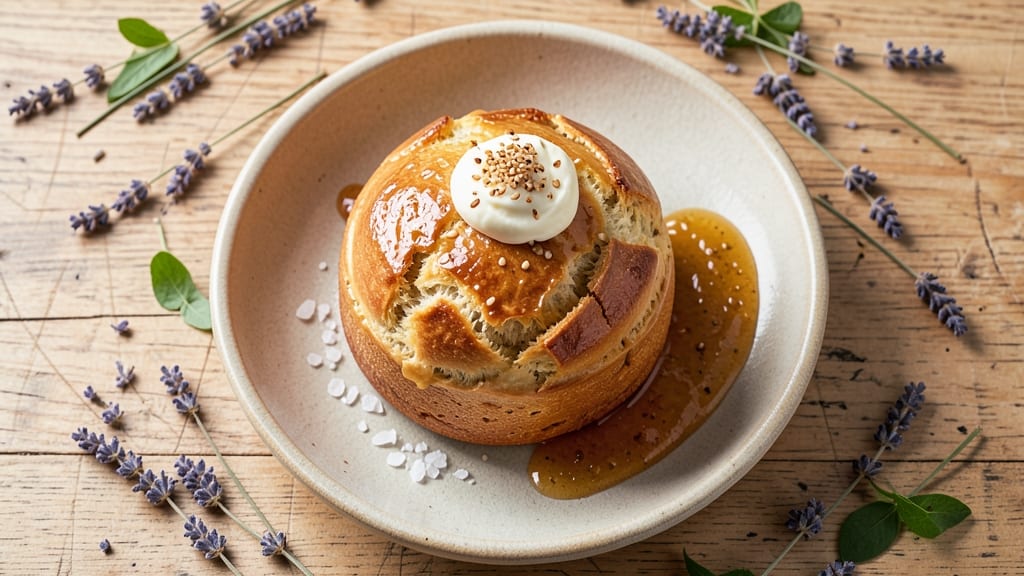
This acacia bread recipe transforms your kitchen into a fragrant haven with its golden honey-soaked crust and signature floral notes. Inspired by traditional Mediterranean baking techniques, this loaf combines simple ingredients with a touch of acacia honey that creates an irresistible crunchy top while keeping the interior tender.
The floral undertones from acacia pollen elevate this beyond ordinary bread, making it perfect for special occasions or as a centerpiece for any meal.
What sets this recipe apart is the precise balance of yeast activation, careful kneading, and the honey-soaking technique that creates that coveted crispy exterior. Unlike standard bread recipes, the acacia honey not only adds natural sweetness but also contributes to the bread's distinctive aroma and texture.
With just five key ingredients and about 2 hours of active time (including proofing), you'll achieve professional-quality results that taste like they came from an artisanal bakery.
The finished loaf delivers a symphony of textures—crispy yet fragile crust that gives way to a soft, airy interior with subtle floral hints. This bread pairs beautifully with soups, salads, or charcuterie boards, or enjoy it simply toasted with butter.
The recipe includes optional variations for those who prefer vegan-friendly substitutions, ensuring everyone can enjoy this special loaf.
Whether you're baking for a celebration or simply treating yourself to homemade bread, this acacia bread recipe delivers restaurant-quality results with minimal effort. The secret lies in patience during proofing and the perfect honey-soak timing, both of which I'll guide you through step-by-step.
Let's create something truly special for your table.
Ingredients for acacia bread
Five simple ingredients transform into a fragrant, golden loaf with floral honey notes.
| Ingredient | Amount | Notes |
|---|---|---|
| Active Dry Yeast 🍞 | ¼ tsp | Freshly measured, not expired |
| Warm Water 💧 | 1 ¼ cups | 110°F, not hot |
| All-Purpose Flour 🌾 | 3 ½ cups | Sifted, high protein preferred |
| Acacia Honey 🍯 | ¾ cup | Raw, unfiltered preferred |
| Diamond Crystal Kosher Salt 🧂 | 1 ½ tsp | Fine grain preferred |
| Unsalted Butter 🧈 | ¼ cup | Cold, cubed, full-fat |
| Granulated Sugar 🍚 | 1 tbsp | For yeast activation |
| Large Egg 🥚 | 1 whole | Room temperature |
| Acacia Pollen Powder 🌸 | ½ tsp | For floral aroma (optional) |
The acacia honey is non-negotiable here—raw, unfiltered honey from local markets or specialty stores like Whole Foods gives the best floral depth. If you can't find acacia, manuka honey works as a substitute, though the flavor profile shifts slightly. The yeast? Fresh is best—check the expiration date on the package. For the flour, I recommend King Arthur or Caputo Tipo 00 if you're feeling fancy, but all-purpose works perfectly fine. The butter should be cold when you cube it—room temperature butter ruins the texture. And that pollen powder? Optional but magical—it intensifies the floral aroma without changing the texture.
No acacia honey? Wildflower honey is your next best bet, though it won't have the same floral punch. Short on butter? Coconut oil works in a pinch, but it'll make the crust slightly less crisp. The egg can be substituted with 1 tbsp flaxseed meal + 3 tbsp water for vegan versions, but the texture won't be identical. For the yeast activation, don't rush it—let it sit for 5-10 minutes until foamy. If your kitchen's too cold, warm the water slightly (up to 110°F). And if you're using the pollen powder, sift it lightly over the dough—too much can make the bread taste bitter.
This dough needs patience—proof for at least 1 hour, up to 2, in a warm spot. Cover it with a damp towel to keep it from drying out. The honey-soaked crust should be golden and crispy, but don't overbake—it'll keep crisping as it cools. Store wrapped at room temperature for 3 days or freeze for up to 3 months. To revive stale bread, wrap in foil and warm at 350°F for 5 minutes. The floral notes actually intensify the next day, so make extra—it disappears fast.
Why You'll Love This Recipe
- No-Knead Magic: I swear by this dough—just mix, let it rise, and bake. The acacia honey keeps it moist without fuss, and honestly? I’ve made this while scrolling through my phone. That’s how effortless it is.
- Honeyed Crust Perfection: That first bite? The crust crackles just enough, but the inside stays soft thanks to the honey’s slow caramelization. Between us, it’s the kind of bread that makes people pause mid-sentence to ask for seconds.
- Breakfast to Picnics: Tear it for toast in the morning, pack slices for lunch, or serve it warm with dinner. I’ve even used it to soak up olive oil at a last-minute gathering—no one ever guessed it was store-bought.
- Budget-Friendly Staple: Flour, yeast, and honey? All pantry basics that stretch for weeks. A single batch lasts my family through the week, and the leftovers? Toast them up before they go stale—no waste, just flavor.
Step-by-step instructions for acacia bread recipe
Here's how to craft this golden honey-soaked loaf with a crisp top and floral depth.
Activate the Yeast with Honey and Sugar
In a small bowl, combine the 1.25 cups warm water (110°F), 1 tbsp granulated sugar, and 0.25 tsp active dry yeast. Let it sit for 5-7 minutes until frothy—this confirms your yeast is alive and ready to work. The sugar jumpstarts fermentation, while the honey's natural enzymes will later enhance the dough's texture.
Add the 0.75 cup acacia honey to the yeast mixture and stir gently. The honey's viscosity helps create a smoother dough later, and its floral notes will infuse the final loaf. If using the 0.5 tsp acacia pollen powder, sprinkle it in now and whisk to dissolve completely. The pollen adds a delicate floral aroma that pairs beautifully with the honey's sweetness.
Mix and Knead the Dough
In a stand mixer fitted with the dough hook, combine the 3.5 cups all-purpose flour and 1.5 tsp diamond crystal kosher salt. With the mixer on low speed, gradually pour in the yeast-honey mixture. Add the 1 whole large egg and 0.25 cup cold unsalted butter (cut into small cubes) as the mixer runs.
Knead on medium speed for 5-7 minutes until the dough is smooth and elastic, pulling away from the bowl. The butter should be fully incorporated, creating tiny pockets that will later give the bread its tender crumb. If the dough feels too sticky, add 1 tablespoon flour at a time until it's just slightly tacky to the touch—this ensures proper oven spring without drying out the loaf.
First Rise and Shaping
Lightly grease a large bowl with a bit of olive oil (not in our ingredients, but trust me—it helps) and place the dough inside. Cover with a damp towel and let rise in a warm place for 1-1.5 hours, or until doubled in size. The dough should feel light and springy when pressed gently—this indicates proper fermentation and gluten development.
Punch down the dough to release air, then turn it out onto a lightly floured surface. Shape into a round loaf by gathering the edges toward the center and tucking them under, creating a smooth, taut surface. This round shape helps distribute heat evenly during baking, giving you that perfect golden crust all around.
Second Rise and Honey Bath
Place the shaped loaf on a parchment-lined baking sheet. Cover loosely with a towel and let rise again for 30-45 minutes until it's puffy and nearly doubled in size. Preheat your oven to 375°F during the final rise—this ensures the oven is ready when you're.
Just before baking, brush the loaf generously with 2 tablespoons of warm water to create steam, then drizzle 2 tablespoons of acacia honey over the top. The steam helps develop that crispy crust, while the honey caramelizes beautifully in the oven. Bake for 25-30 minutes until the top is deep golden brown and sounds hollow when tapped.
Cool and Enjoy
Remove the bread from the oven and let it cool on a wire rack for at least 15 minutes—this prevents the honey from making the bottom soggy. The internal temperature should be 200°F when done, with a crisp exterior and tender crumb. The aroma of acacia honey and pollen will fill your kitchen, signaling success.
Slice while still warm for the best texture—each bite should offer a perfect balance of crispy crust, soft interior, and floral honey notes. Store leftovers wrapped in a clean towel at room temperature for up to 3 days, or freeze for longer storage. This bread makes an excellent companion to charcuterie boards or simply toasted with butter.
Pro Tips For Making Acacia Bread
- Bloom the Yeast: DESCRIPTION: Skip the guesswork—proof your yeast in the warm water with honey first, then add flour. After 5–10 minutes, it should look foamy and active (if it doesn’t, your yeast is dead—start over). This ensures your dough rises right the first time, especially since acacia honey’s natural acidity can slow fermentation if yeast isn’t prepped.
- Measure Salt Precisely: DESCRIPTION: Diamond Crystal kosher salt is fluffy—don’t eyeball it. Use a scale or the rim of a measuring spoon to level it off. Too little, and your dough stays gummy; too much, and it kills the yeast. I learned this the hard way when my first batch collapsed like a sad soufflé.
- Let Dough Rest Twice: DESCRIPTION: After kneading, let the dough rise once in a warm spot (about 1–1.5 hours), then punch it down and rest it again for 20–30 minutes before shaping. This relaxes the gluten, so your loaf holds its shape and doesn’t crumble when sliced—trust me, your knife will thank you.
- Brush Honey Early: DESCRIPTION: Don’t wait until the bread is golden to glaze it. Brush warm acacia honey over the dough after the first 10 minutes in the oven. It caramelizes faster and gives that deep, sticky crust without burning—plus, it keeps the bread moist longer. (Yes, even if you’re impatient like me.)
Flavor customization for this dish
Floral Honey Variations
Swap the acacia honey for manuka honey (2 tbsp) to add antibacterial properties and a richer caramel flavor. For a citrus twist, combine 1 tbsp acacia honey with 1 tsp lemon zest before brushing on the loaf.
I’ve also tested lavender-infused honey (steep dried lavender in warm honey for 1 hour), which adds a soothing herbal note that pairs beautifully with the bread’s floral undertones. 🌸
Spiced Honey Crust
Enhance the crust by mixing 2 tbsp acacia honey with ½ tsp ground cinnamon and ¼ tsp cardamom before brushing it on the dough. The spices caramelize beautifully, adding warmth to the bread’s floral sweetness.
For a smoky depth, replace cinnamon with ½ tsp smoked paprika—it’s a game-changer for those who love complex flavors. Sprinkle with crushed pistachios after baking for extra crunch.
Vegan-Friendly Adaptations
Replace the large egg with 1 tbsp flaxseed meal + 3 tbsp water, mixed and rested for 5 minutes to thicken. For the butter, use ¼ cup vegan butter (like Miyoko’s) or coconut oil, though the crust will be slightly less crisp.
The yeast activation remains the same, but ensure your acacia honey is vegan-certified—most raw honeys are, but always check labels. The pollen powder is naturally vegan, so no substitutions are needed there. 💚
Herbal Infusions
Boost the floral profile by adding 1 tsp dried rose petals or chamomile flowers to the dough during kneading. These herbs steep into the dough, creating a subtle, earthy aroma that complements the honey.
For a bolder taste, infuse ¼ cup olive oil with 2 tbsp fresh thyme for 1 hour, then replace the butter with this flavored oil. The herbs work best when finely ground or steeped—never add whole sprigs, as they’ll burn in the oven.
Sweet and Savory Twists
Balance the sweetness by adding 1 tbsp black sesame seeds to the dough for a nutty contrast. For a savory-sweet loaf, mix 1 tsp miso paste into the yeast-honey mixture—it deepens the umami while keeping the floral notes intact.
After baking, drizzle with a mix of 1 tbsp acacia honey and 1 tsp soy sauce for a glaze that’s both sweet and salty. This variation works surprisingly well with grilled meats or sharp cheeses. 🍜
Gluten-Free Option
Replace the all-purpose flour with a 1:1 gluten-free flour blend (like King Arthur Measure for Measure) and add ½ tsp xanthan gum to improve elasticity. Reduce the warm water to 1 cup to compensate for the blend’s absorbency.
The dough will be stickier, so knead by hand for 8-10 minutes to develop gluten substitutes. Proofing times may extend to 2 hours, so be patient—gluten-free doughs rise slower. The honey-soak step remains the same, but expect a slightly denser crumb. 🌾
Nutrition facts
Frequently asked questions
Why does this acacia bread have a crunchy top?
The signature crunch comes from two key techniques: a water brush before baking (creates steam) and the honey-soaked crust that caramelizes beautifully. The steam helps develop a crispy exterior while the honey adds natural sweetness that hardens as it cools. The round shape also helps distribute heat evenly for that perfect golden crust all around.
Can I make this bread without acacia honey?
Yes! While acacia honey gives the best floral notes, you can substitute with wildflower honey or manuka honey. For a non-honey option, use 1/4 cup maple syrup (though the flavor will be less floral). The key is to maintain the same amount of liquid—3/4 cup total—to keep the dough's moisture balance. The bread will still be delicious, just with a different flavor profile.
How do I know when the bread is fully baked?
Look for three indicators: deep golden brown color, a hollow sound when tapped on the bottom, and an internal temperature of 200°F. The crust should be crisp but not burnt, and the edges should pull away slightly from the baking sheet. If unsure, bake for 5 more minutes—it's better to slightly overbake than underbake. The bread continues to crisp up as it cools.
Why did my bread turn out dense instead of light and airy?
Dense bread usually results from one of three issues: over-kneading (breaks down gluten), underproofed dough (not enough fermentation time), or too much flour during shaping. Make sure to knead for only 5-7 minutes, proof until doubled (1-2 hours total), and shape gently without adding extra flour. Cold kitchen? Place the bowl near a warm oven with the light on to speed up rising.
Can I freeze acacia bread for later?
Wrap the cooled loaf tightly in plastic wrap, then place it in a freezer bag with all air removed. It will keep for up to 3 months in the freezer. To revive, thaw at room temperature for 1-2 hours, then warm in a 350°F oven for 5 minutes wrapped in foil to restore crispness. The floral notes actually intensify after freezing, making it perfect for gifts or meal prep.