
Desserts
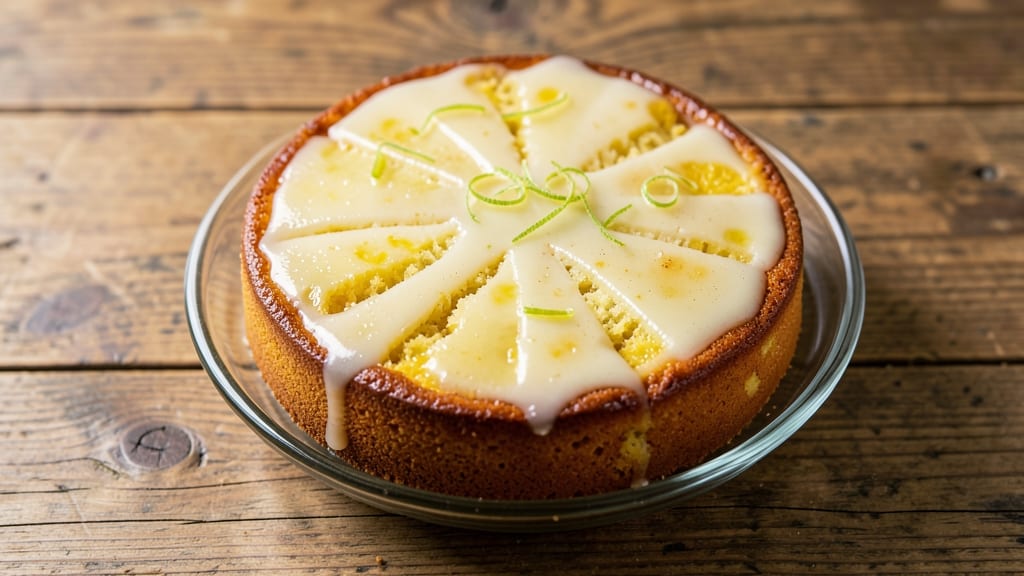
This old-fashioned lemon pound cake recipe delivers the perfect balance of rich, buttery layers and bright citrus zing that makes every slice unforgettable.
After years of testing variations, I’ve perfected a method that ensures a moist, tender crumb with just the right amount of lemon to keep it from becoming too tart. The secret lies in precise ingredient ratios and a gentle baking approach that preserves that classic pound cake texture.
What sets this recipe apart is its simplicity—no fancy techniques or expensive ingredients, just high-quality butter, flour, and fresh lemon juice working together to create a cake that’s both comforting and vibrant.
The cake bakes up with a golden crust and a tender interior, where each bite reveals layers of buttery richness balanced by the bright, refreshing lemon flavor. This is the kind of cake that tastes even better the next day, making it perfect for meal prep or gifting.
The result is a cake that’s rich enough to satisfy serious dessert lovers but light enough to feel special for any occasion.
Whether you’re serving it with a dollop of whipped cream, a drizzle of lemon glaze, or simply on its own, this lemon pound cake will become a staple in your baking repertoire. Let’s get started on making yours.
For those who love traditional baking, this recipe maintains all the hallmarks of classic pound cake—dense, moist, and rich—while adding the bright, citrusy twist that makes it truly stand out. The method is straightforward, but the results are anything but ordinary. You’ll want to bake this again and again.
Ingredients for old fashioned lemon pound cake
Classic ingredients with a citrus twist—this old-fashioned lemon pound cake recipe delivers buttery layers and vibrant lemon flavor.
| Ingredient | Amount | Notes |
|---|---|---|
| Unsalted Butter 🧈 | 1 cup | Cold and cubed for better texture |
| Granulated Sugar 🍚 | 2 cups | Superfine preferred for smoothness |
| All-Purpose Flour 🌾 | 2 cups | Sifted for light texture |
| Fresh Lemon Juice 🍋 | ¾ cup | From 3-4 lemons, freshly squeezed |
| Large Eggs 🥚 | 4 whole | Room temperature for even baking |
| Baking Powder 🍞 | 1 tsp | Ensures proper rise |
| Salt 🧂 | ½ tsp | Fine sea salt preferred |
| Zest of 2 Lemons 🍋 | 1 tbsp | Finely grated, bright flavor |
| Vanilla Extract 🍯 | 1 tsp | Pure, high-quality extract |
| Milk 🥛 | ½ cup | Whole milk for richness |
| Vegetable Oil 🫒 | ¼ cup | Lightens texture slightly |
The butter quality makes all the difference here. Plugrá or Land O’Lakes unsalted butter are reliable choices, but if you’re splurging, grab European-style butter from Whole Foods or specialty stores—it has higher fat content and creates a richer cake. For the flour, King Arthur or Gold Medal brands are ideal since they’re finely milled and sift easily. The lemons should be fresh and vibrant—avoid those that feel heavy or have dull-colored peels, as they won’t yield enough juice. If you can’t find fresh lemons, organic lemon juice from concentrate works in a pinch, but it lacks the bright zing of freshly squeezed.
No superfine sugar? Pulse regular granulated sugar in a food processor for about 30 seconds to break it down—this ensures a smoother texture without affecting the cake’s structure. Short on lemon zest? Substitute with 1 tsp of bottled lemon zest, but it won’t be as potent. The baking powder is non-negotiable—don’t swap it for baking soda, or your cake will taste bitter. For a dairy-free option, unsweetened almond milk plus 1 tbsp of melted butter replaces the milk, though the texture will be slightly denser. If you’re making this ahead, the cake actually improves overnight—cover it tightly and let it sit at room temperature for 24 hours before slicing.
This cake keeps beautifully for up to 5 days wrapped in plastic at room temperature, though it’s best enjoyed within the first 3 days for peak moisture. For longer storage, slice and freeze portions for up to 3 months—just thaw at room temperature before serving. The lemon flavor intensifies slightly as the cake sits, so if you’re baking it ahead for a party, let it rest for at least 4 hours before slicing. To prevent drying, store any leftovers in an airtight container with a slice of bread—it helps maintain freshness.
Why You'll Love This Recipe
- No Fuss Mixing: I swear by this recipe’s simplicity—just cream butter and sugar, toss in eggs and flour, then fold in that bright lemon juice. The batter comes together faster than you can say "lemon meringue pie," and no one will guess it’s this easy.
- Citrus Magic: That first bite? Pure sunshine in cake form. The butter and sugar create a rich crumb, while the fresh lemon juice cuts through with a tangy punch. Honestly, it’s the kind of flavor that makes you want to slice it right away—no waiting needed.
- Weekday Hero: This cake is my go-to when I need something reliable. Serve it plain for breakfast, drizzle with glaze for a fancy brunch, or stack it with whipped cream for dessert. Between us, it’s the one thing I always have on hand for last-minute guests.
- Budget-Friendly Staples: You’re using pantry basics—flour, sugar, butter—plus a few lemons, and it feeds a crowd. I’ve made this for birthday parties, book club gatherings, and even as a "just because" treat, and it never disappoints. The leftovers? Even better the next day.
Step-by-step instructions for old fashioned lemon pound cake
This classic recipe delivers rich, buttery layers with bright citrus notes—every step ensures tender crumb and perfect rise.
Prepare the Dry and Wet Ingredients Separately
In a medium bowl, whisk together the 2 cups all-purpose flour, 1 teaspoon baking powder, and 0.5 teaspoon salt. Sift the mixture once to aerate it—this prevents dense pockets in the finished cake. Set aside until ready to combine.
In a separate large bowl, beat the 1 cup unsalted butter and 2 cups granulated sugar together using an electric mixer on medium speed for 3-4 minutes. The mixture should become light and fluffy, nearly doubling in volume. This creaming process incorporates air, which creates the cake's signature tender crumb.
Add Eggs and Lemon Components Gradually
Add the 4 whole large eggs one at a time, mixing well after each addition until fully incorporated. Then stir in the 0.75 cup fresh lemon juice, 1 tablespoon zest of 2 lemons, 1 teaspoon vanilla extract, and 0.5 cup milk. Mix just until combined—overmixing develops gluten, which makes the cake tough.
Here's the thing—adding the lemon juice and zest in stages prevents sudden acidity that could curdle the eggs. The zest should be finely grated, with no visible strings or pith, to ensure a smooth texture and bright flavor throughout.
Combine Wet and Dry Ingredients
With the mixer on low speed, gradually add the dry ingredients to the wet mixture in three parts. Mix just until the flour is incorporated—you should still see small streaks of flour. This gentle folding maintains the cake's lightness.
Scrape down the sides of the bowl with a rubber spatula to ensure even distribution. Then, slowly drizzle in the 0.25 cup vegetable oil while mixing on low speed. The oil helps create a moist, tender crumb without adding excess fat that could make the cake greasy.
Bake in Prepared Pans
Preheat your oven to 350°F. Grease two 9-inch round cake pans thoroughly with butter and line the bottoms with parchment paper. Divide the batter evenly between the pans, smoothing the tops with a spatula.
Bake for 50-55 minutes, or until a toothpick inserted into the center comes out clean. The cake should spring back when gently pressed in the center. If the tops brown too quickly, tent the pans with aluminum foil after 25 minutes to prevent over-browning while ensuring even cooking.
Cool and Serve
Remove the cakes from the oven and let them cool in the pans for 10 minutes. Then transfer to a wire rack to cool completely. This gradual cooling prevents cracking and allows the layers to set properly for clean slicing.
Once fully cooled, you can frost with a simple lemon glaze or serve as-is. The cake's rich, buttery layers paired with the bright citrus notes make it a timeless classic. Store in an airtight container at room temperature for up to 3 days or refrigerate for up to 5 days.
Pro Tips For Making Old Fashioned Lemon Pound Cake
- Cream Butter Slowly: DESCRIPTION: Whip the butter and sugar until it’s truly pale yellow—about 3-5 minutes with a stand mixer. I used to rush this, but that extra time dissolves the sugar crystals properly, making the cake tender and less gritty. (Yes, even if you’re impatient like me.)
- Measure Flour Right: DESCRIPTION: Spoon flour into the measuring cup, then level it with a knife—don’t scoop directly from the bag. Packing it in tight makes the cake dense, and nobody wants a brick disguised as dessert. I learned this the hard way after a cake that sank like a ship.
- Don’t Overmix the Batter: DESCRIPTION: Stop folding in the flour as soon as it’s just combined—lumps and all. Overmixing develops gluten, and that’s how you end up with a tough, chewy cake instead of a light, crumbly one. Trust the process; the flour will blend in as it bakes.
- Bake Until Springy: DESCRIPTION: Check doneness at 10 minutes before the recipe’s suggested time—press the center with your finger. If it springs back slowly, it’s done. My first few cakes were underbaked because I assumed the recipe knew best. (Spoiler: it doesn’t always.)
Serving suggestions for this dish
Classic Lemon Glaze
My go-to finishing touch is a simple lemon glaze made with 1 cup powdered sugar, 2-3 tablespoons fresh lemon juice, and a pinch of salt. Whisk until smooth, then drizzle over the cooled cake layers.
For extra sparkle, add edible gold leaf flakes or a sprinkle of crushed freeze-dried lemon zest on top. This glaze enhances the citrus flavor without overpowering the buttery richness. 💛
Whipped Cream Pairing
Serve slices with a generous dollop of homemade whipped cream lightly sweetened with 1 teaspoon powdered sugar and a pinch of vanilla. I like to fold in 1 teaspoon lemon zest for a cohesive citrus flavor.
For a modern twist, top with toasted coconut flakes or crushed pistachios for texture contrast. This combination feels indulgent yet refreshing.
Fresh Berries Topping
Bright berries cut through the richness beautifully. Arrange sliced strawberries and blueberries on top of each slice, or serve them on the side for dipping. For a tropical vibe, add mango chunks or passion fruit pulp.
The natural sweetness of the berries complements the lemon's acidity perfectly while adding vibrant color. 🍓
Coffee or Tea Pairings
This cake pairs wonderfully with hot black coffee or Earl Grey tea—the tannins in the tea enhance the lemon's brightness. For a dessert-focused pairing, serve with vanilla ice cream or lemon sorbet on the side.
The cold, creamy contrast makes each bite feel special. I often enjoy this combination during afternoon tea gatherings.
Garnish with Candied Citrus
For a festive touch, garnish the cake with candied lemon slices or orange peel. Simmer ½ cup sugar, ¼ cup water, and thin lemon/orange slices for 10 minutes until translucent.
Let cool and arrange on top of the cake. The chewy texture and sweet-tart flavor elevate the presentation while keeping the lemon theme cohesive. ✨
Seasonal Adaptations
In summer, serve chilled slices with a mint-infused syrup drizzle. For winter, add warm spiced whipped cream with a dash of cinnamon and nutmeg. The cake's versatility makes it perfect for any season—just adjust the toppings to match the occasion. This adaptability is why it’s a crowd-pleaser year-round. 🌟
Nutrition facts
Frequently asked questions
Why does this recipe call for both lemon juice and zest?
The fresh lemon juice adds bright acidity that balances the cake's richness, while the zest provides aromatic oils that give each bite a vibrant citrus punch. Using both creates a more complex flavor than juice alone. For best results, use freshly grated zest—it's much more potent than bottled versions.
Can I make this cake in a single 9x13-inch pan instead of two rounds?
Yes, but reduce the baking time to 40-45 minutes and watch closely after 35 minutes. The cake will spread more in a single pan, so check for doneness with a toothpick. For even cooking, rotate the pan halfway through baking. The texture will be slightly denser but still delicious.
What if my cake turns out too dense?
Overmixing the batter or underbaking are common culprits. To fix it, ensure you're mixing just until combined (small flour streaks remain) and bake until a toothpick comes out clean. For next time, sift your flour thoroughly and don't skip the creaming step—properly aerated butter and sugar create that signature tender crumb.
How do I store leftovers to keep them moist?
Wrap slices tightly in plastic wrap and store at room temperature for up to 3 days. For longer storage, freeze slices in an airtight container for up to 3 months. Thaw at room temperature—never microwave. Pro tip: Place a slice of bread in the container to help maintain moisture.
Can I substitute butter with oil for a lighter texture?
You can replace ½ cup of the butter with oil, but expect a slightly different texture. The cake will be more tender but less rich. For best results, stick with the butter—it creates that classic pound cake density. If you're avoiding dairy, use a neutral oil like vegetable or canola and add 1 extra tablespoon of milk to compensate.