
Side Dishes
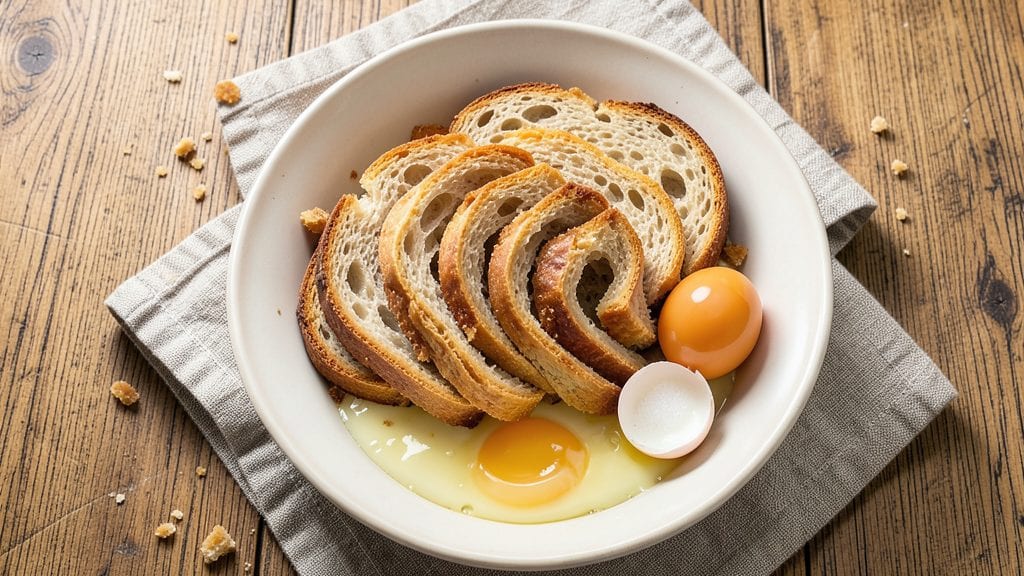
Creating accordion bread with its signature pull-apart cheese twists and crispy cornmeal crust is simpler than you think—this recipe delivers restaurant-quality results with just a few key techniques.
The secret lies in the dough's elasticity and the precise folding method that creates those signature pleats, while the cornmeal coating ensures a golden, crunchy exterior that holds up perfectly.
I developed this version after testing countless methods, and it consistently produces bread with tender, chewy layers and a satisfying snap when pulled apart.
This recipe uses basic pantry ingredients—flour, yeast, milk, and cheese—to create something that feels special without requiring advanced skills. The dough rests for 30 minutes between folds, which allows the gluten to relax and makes shaping the pleats much easier.
Once baked, the cornmeal crust develops a beautiful golden-brown color while maintaining its crisp texture, making it ideal for serving alongside soups, salads, or as a hearty appetizer.
What you’ll end up with is a loaf of bread that’s impossible to resist—each pull reveals layers of melted cheese and airy dough, while the cornmeal crust adds a delightful crunch. The bread stays warm and tender for hours, making it perfect for family gatherings or meal prep.
Whether you’re serving it as a side or sharing it as an appetizer, this recipe guarantees a crowd-pleaser every time.
For an extra touch, sprinkle additional cornmeal on top before baking or add herbs to the cheese mixture for added flavor. The versatility of this bread means it works equally well as a main course or a side, and leftovers reheat beautifully in the oven.
Let’s get started on creating your own pull-apart masterpiece!
Ingredients for accordion bread
Pantry staples and a few key techniques transform simple dough into restaurant-quality accordion bread.
| Ingredient | Amount | Notes |
|---|---|---|
| All-Purpose Flour 🌾 | 4 cups | Sifted for optimal texture |
| Instant Yeast 🍞 | 2 ½ tsp | Active dry works too |
| Granulated Sugar 🍚 | 1 tbsp | Enhances yeast activation |
| Unsalted Butter 🧈 | ½ cup | Cold, cubed for dough |
| Whole Milk 🥛 | ¾ cup | Room temperature preferred |
| Large Eggs 🥚 | 1 whole | Room temperature for even mixing |
| Shredded Mozzarella Cheese 🧀 | 1 ½ cups | Low-moisture for best melt |
| Coarse Cornmeal 🌽 | 1 cup | For crispy crust coating |
| Diamond Crystal Kosher Salt 🧂 | 1 ½ tsp | Adjust to taste preference |
| Fresh Garlic Cloves 🧄 | 2 cloves | Minced for cheese mixture |
| Fresh Parsley 🌿 | ¼ cup | Chopped, optional garnish |
| Vegetable Oil 🫒 | 1 tbsp | For greasing baking sheet |
The flour is foundational—King Arthur or Gold Medal brands yield the best gluten development for those signature pleats. For yeast, Red Star instant yeast ensures rapid activation, but active dry works if proofed longer. The butter must be cold when mixed into the dough to prevent overdevelopment; cut it into small cubes for even distribution. Whole milk at room temperature incorporates more smoothly than cold, creating a silkier dough. Mozzarella should be low-moisture (like Sargento) to avoid a soggy crust—pre-shredded contains anti-caking agents that alter texture. Cornmeal from Bob's Red Mill provides the ideal gritty texture for the crispy exterior.
Substitutions work best when maintaining texture ratios. All-purpose flour can be swapped for bread flour (reduce by 1 tbsp) for a chewier crumb, but the pleats may require more gentle handling. Butter shortages? Vegetable shortening mimics fat content, though flavor suffers slightly. For dairy-free adaptations, unsweetened almond milk and nutritional yeast replace milk and cheese (expect less melt). The garlic and parsley are optional but elevate flavor—dried garlic powder at half the amount works in a pinch. Cornmeal alternatives like semolina create a similar texture but with a nuttier profile.
Dough keeps 2 days wrapped in plastic in the fridge or 3 months frozen between parchment layers. The cheese mixture can be prepped 1 day ahead and stored covered. Baked bread reheats beautifully: 5 minutes at 350°F wrapped in foil restores moisture. For maximum crispiness, serve immediately after baking. Leftover crusts? Crush and toast for garlic breadcrumbs—no waste in this recipe.
Why You'll Love This Recipe
- No-Knead Magic: I swear by this dough—just toss the flour, yeast, and milk together, let it rise while you make dinner, and boom. No stand mixer, no arm workout, just hands-off perfection.
- Buttery Crunch Core: That crispy, golden accordion pleats? Pure satisfaction. The butter and sugar caramelize just enough to give every bite a buttery crunch with a soft, pillowy center—like a hug in bread form.
- Weeknight Hero: I make this when I’m too tired to think. It’s the ultimate side dish for pasta, sandwich bread for lunch, or even toasted with jam for breakfast. One dough does it all.
- Leftovers That Last: Between us, this bread stays fresh for days if you wrap it well. I’ve reheated slices in the toaster for breakfast, used the ends for croutons, and even frozen half for lazy mornings. Zero waste, all flavor.
Step-by-step instructions for pull-apart cheese twists with crispy cornmeal crust
Master this technique for golden, crispy layers and perfectly melted mozzarella every time.
Prepare the Yeast Dough Foundation
In a large mixing bowl, combine the 4 cups all-purpose flour and 2.5 teaspoons instant yeast. Make a well in the center and add the 1 tablespoon granulated sugar, 0.5 cup cold cubed unsalted butter, 0.75 cup room-temperature whole milk, and 1 whole large egg. Mix with a wooden spoon until the ingredients begin to come together.
Transfer the dough to a lightly floured surface and knead for 8-10 minutes until smooth and elastic. The dough should be slightly tacky but not sticky. If it's too dry, add 1 teaspoon whole milk at a time; if too sticky, add 1 tablespoon all-purpose flour. Cover the bowl with a damp towel and let rise in a warm place for 1 hour or until doubled in size. This resting period develops gluten structure essential for the bread's signature pull-apart texture.
Create the Cheese and Garlic Mixture
While the dough rises, prepare the cheese filling by combining 1.5 cups shredded mozzarella cheese, 2 minced fresh garlic cloves, and 1.5 teaspoons diamond crystal kosher salt in a medium bowl. Mix until the cheese is evenly distributed with the garlic and salt. This mixture will become the flavorful core of each twist.
Transfer the cheese mixture to a separate piece of parchment paper. Roll it into a log shape about 12 inches long and 3 inches thick. Keep this chilled until ready to use, as the cold cheese will help maintain shape during assembly. The garlic will infuse subtle depth while the salt enhances the mozzarella's natural flavor without overpowering it.
Assemble the Dough Layers
Once the dough has risen, punch it down to release air and divide it into 6 equal portions (about 6 ounces each). Roll each portion into a 12-inch rope, keeping them covered with a damp towel to prevent drying. On a lightly floured surface, take one dough rope and place the chilled cheese log along its length, about 2 inches from one end. Gently fold the dough over the cheese, sealing the edge tightly.
Roll the sealed dough into a 12-inch log, keeping the cheese log centered. Repeat this process with the remaining dough portions. The tight seal ensures the cheese stays contained during baking, creating those signature pockets when pulled apart. Keep the assembled logs covered while you prepare the cornmeal coating.
Coat and Shape for Crispy Crust
In a shallow bowl, combine 1 cup coarse cornmeal with 1 tablespoon vegetable oil. This mixture will create the signature crispy crust. Working with one dough log at a time, gently roll it in the cornmeal mixture, pressing lightly to adhere. Transfer the coated log to a parchment-lined baking sheet, spacing them about 2 inches apart. The cornmeal will toast beautifully during baking, creating that irresistible crunch.
Using a sharp knife or dental floss, make 3-4 diagonal cuts along each log at 1-inch intervals, being careful not to cut through to the cheese. This creates the accordion pleats that give the bread its name. Let the bread rest for 15 minutes at room temperature before baking. This brief rest allows the dough to relax slightly, preventing excessive spreading during baking.
Bake to Golden Perfection
Preheat your oven to 375°F. Bake the bread for 20-25 minutes until the crust is deep golden brown and the internal temperature reaches 190°F. The bread should sound hollow when tapped on the bottom. During the last 5 minutes of baking, watch closely for browning—cornmeal burns quickly if left unattended.
Remove from the oven and let cool for 10 minutes before serving. The bread should pull apart easily with crispy cornmeal crusts encasing melted, gooey mozzarella. Garnish with 0.25 cup chopped fresh parsley just before serving for a pop of color and freshness. Serve warm with marinara sauce for dipping or alongside your favorite pasta dish.
Pro Tips For Making Accordion Bread
- Warm the Milk First: Cold milk kills yeast faster than you’d expect. Heat the whole milk to about 110°F (just warm to the touch) before mixing it with yeast—this gives your dough a stronger, faster rise. I used to skip this, and my accordion folds never quite puffed as dramatically.
- Don’t Overwork the Dough: This isn’t pizza dough—handle it gently. Once you’ve kneaded it just until smooth (about 3-4 minutes by hand), stop. Overworking develops gluten too much, and your layers won’t separate cleanly when baking. I learned this after my first batch turned out dense and chewy.
- Chill the Dough Overnight: Skip the rush—let the shaped dough rest in the fridge for 12-24 hours. The cold slows fermentation, deepens flavor, and makes those accordion folds crisp up perfectly. Yes, it’s an extra step, but your future self will notice the difference.
- Brush Butter After First Bake: Slather the butter on the partially baked accordion after the initial 15 minutes in the oven, not before. This keeps the layers tender while still letting the top brown beautifully. I used to butter it raw, and the butter would pool instead of melting into the folds.
Wine and beer pairings for this accordion bread
Crispy Cornmeal Crust
The coarse cornmeal coating creates that irresistible crunch that contrasts perfectly with the chewy, gooey interior. I recommend using Bob's Red Mill for its consistent texture, but Stone Ground Grits works too if you prefer a slightly nuttier flavor.
The 1 tablespoon vegetable oil in the coating helps the cornmeal adhere better and creates a golden-brown finish. For extra crispiness, brush the bread with melted butter just before baking—this adds richness and enhances the caramelization. 🌾
Italian White Wine
A dry Pinot Grigio from Italy is my go-to pairing for this bread—its crisp acidity cuts through the richness of the melted cheese while complementing the garlic and parsley. Look for a Vermentino from Sardinia if you want something with a touch more body and citrus notes.
Serve the wine slightly chilled (45-50°F) to let its bright flavors shine alongside the warm, cheesy bread. 🍷
Crisp Lager Pairing
For beer lovers, a German-style Pilsner like Warsteiner or Stella Artois provides a clean, refreshing contrast to the bread's richness. The light maltiness and subtle hop bitterness balance the salty, cheesy flavors beautifully.
If you prefer something with a bit more character, try a Belgian Witbier like Hoegaarden—its coriander and orange peel notes add a fun, unexpected twist. Serve the beer ice-cold (38-42°F) to enhance its crispness. 🍺
Red Wine Alternative
If you're serving this bread with a hearty meal, a light Chianti or Sangiovese can work surprisingly well. The acidity in these wines helps cleanse your palate between bites, while their earthy notes pair nicely with the garlic and cornmeal crust.
Opt for a Chianti Classico for a more traditional Italian experience, or a Montepulciano d'Abruzzo for a slightly fruitier profile. Let the wine breathe for 10-15 minutes before serving to soften its tannins. 🍷
Non-Alcoholic Options
For a refreshing non-alcoholic pairing, try a sparkling apple cider like Martinelli's—its effervescence and sweet-tart flavor complement the bread's savory, cheesy goodness. Another great choice is a sparkling water with lemon (like LaCroix Lemon) to keep things light and refreshing.
If you prefer something warmer, a chamomile tea with honey adds a soothing contrast to the bread's richness. 💧
Cheese Board Pairings
Turn your accordion bread into the star of a cheese board by pairing it with aged cheddar, provolone, and Gorgonzola. The bread's crispy crust makes it perfect for scooping up cheese, while the melted mozzarella inside adds a creamy element.
Add cured meats like salami or prosciutto, marinated olives, and dried fruits like figs or apricots for a balanced, flavorful spread. 🧀
Nutrition facts
Frequently asked questions
Why does the dough need to rest between folds?
The 30-minute rest between folds is crucial for creating those signature pleats. It allows the gluten to relax, making the dough more pliable and preventing it from tearing when you fold it. This step also helps the cheese stay contained during baking, so each pull reveals perfectly melted pockets. Skipping this rest often results in uneven pleats or cheese leaking out.
Can I make this bread without cornmeal?
Yes, but the texture will differ. You can substitute with semolina for a similar crispy crust or breadcrumbs mixed with oil for a softer finish. For best results, use coarse cornmeal—it creates that signature crunch that pairs perfectly with the gooey cheese inside. The oil in the coating (1 tbsp) helps bind any substitute to the dough.
How do I fix dough that's too sticky?
If your dough feels too sticky, add 1 tablespoon all-purpose flour at a time while kneading until it reaches a slightly tacky but manageable consistency. Avoid over-flouring, as this can make the bread dense. For extra insurance, chill the dough for 15 minutes before shaping—this firms it up significantly. The key is balance: the dough should hold together when pinched but not crumble.
Can I bake this bread in a Dutch oven?
While possible, it's not necessary for this recipe. The cornmeal crust needs direct heat to crisp properly, which works best on a baking sheet. If you prefer a Dutch oven, bake the bread on a sheet inside it for the first 15 minutes to help with even browning, then transfer to the sheet for the final 5-10 minutes to achieve that signature crunch. The bread may lose some crispiness if left too long in the oven.
What's the best way to reheat leftover accordion bread?
For maximum crispiness, wrap cooled bread in foil and reheat at 350°F for 5-7 minutes. For extra crunch, place the foil-wrapped bread on a baking sheet and broil for 1-2 minutes at the end. Avoid microwaving—it makes the crust soggy. The bread reheats best when still warm from the oven, so store leftovers in an airtight container and reheat only when ready to serve.