
Soups & Stews
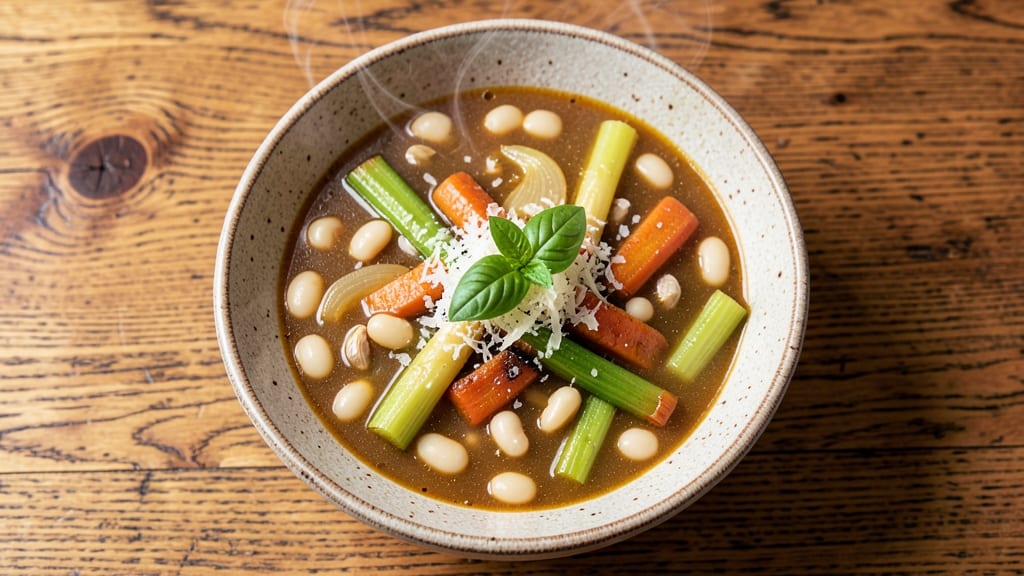
Alton Brown's minestrone soup recipe delivers the kind of hearty, vegetable-packed comfort that transforms simple ingredients into something extraordinary. This one-pot masterpiece balances fresh vegetables, rich broth, and tender beans into a flavorful soup that's both satisfying and nutritious.
I've recreated it using Alton's signature techniques—precise sautéing, proper simmering, and thoughtful seasoning—to ensure every spoonful is packed with depth and texture.
The beauty of this minestrone lies in its versatility and simplicity. With just 15 ingredients and one pot, you'll create a soup that's rich enough for a winter dinner yet light enough for spring.
The key is building layers of flavor: caramelizing onions and garlic, sautéing vegetables until tender, and letting the broth develop a deep, savory base. Alton's method ensures the vegetables stay vibrant while the beans and pasta absorb the broth's rich flavors.
What you'll end up with is a vegetarian minestrone that's hearty enough to stand alone or pair with crusty bread. The soup is packed with caramelized onions, tender carrots, earthy mushrooms, and firm white beans, all swimming in a broth that's both comforting and complex.
The addition of pasta makes it a complete meal, while fresh basil at the end adds a bright, aromatic finish that ties everything together.
This recipe is perfect for meal prepping—it tastes even better the next day as flavors meld. Customize it with seasonal vegetables, add protein like grilled chicken or white beans, or keep it vegetarian. Let's bring Alton Brown's restaurant-quality minestrone to your kitchen.
Ingredients for alton brown minestrone soup
Fifteen ingredients transform into Alton Brown's legendary vegetable-packed minestrone masterpiece.
| Ingredient | Amount | Notes |
|---|---|---|
| Vegetable Broth 💧 | 6 cups | Low-sodium preferred, homemade ideal |
| Yellow Onions 🧅 | 1 ½ cups | Diced, about 2 medium onions |
| Garlic Cloves 🧄 | 4 cloves | Minced, fresh preferred |
| Carrots 🥕 | 2 cups | Diced, about 4 medium carrots |
| Celery Stalks 🌿 | 3 stalks | Diced, about 1 cup |
| Canned White Beans 🥫 | 1 ½ cups | Drained, cannellini or great northern |
| Ditalini Pasta 🍝 | 1 cup | Uncooked, about 8 oz |
| Canned Diced Tomatoes 🍅 | 1 can | 28 oz, San Marzano preferred |
| Mushrooms 🍄 | 1 cup | Sliced, cremini or white |
| Tomato Paste 🍅 | 2 tbsp | Squeeze tube preferred |
| Fresh Basil Leaves 🌿 | ¼ cup | Chopped, for finishing |
| Extra-Virgin Olive Oil 🫒 | ¼ cup | For sautéing vegetables |
| Diamond Crystal Kosher Salt 🧂 | 1 ½ tsp | Adjust to taste |
| Freshly Ground Black Pepper 🌶️ | ½ tsp | For seasoning |
| Dried Oregano 🍃 | 1 tsp | Italian preferred |
The vegetable broth forms the soup's foundation—homemade yields superior depth, but quality store-bought brands like Pacific Foods or Imagine work beautifully. For the onions, yellow sweet onions caramelize best, though red onions add subtle sweetness. Garlic should be freshly minced—pre-minced garlic lacks the aromatic punch. The carrots and celery form the 'holy trinity' of soup vegetables, so choose firm, vibrant specimens from the produce section. Trader Joe's consistently carries excellent organic options, while Whole Foods offers heirloom varieties for maximum flavor. For mushrooms, cremini or white button mushrooms provide earthy depth without overpowering the other vegetables.
No vegetable broth? Chicken-free vegetable bouillon cubes work in a pinch—just dissolve one cube per cup of water. Substituting canned tomatoes? San Marzano tomatoes provide the best quality, but any high-quality brand will suffice. The white beans can be swapped for kidney beans or lentils for different textures. For pasta, ditalini or small shells work best, but any small shape will hold up. The tomato paste is essential for thickening and adding umami—squeeze tubes eliminate waste and keep well. Fresh basil is ideal for finishing, but dried basil at one-third the amount works if fresh isn't available. For a nutritional boost, add spinach or kale during the final 5 minutes of cooking.
This minestrone develops deeper flavor when reheated—day-old soup tastes even better as the ingredients meld together. Store in an airtight container in the refrigerator for up to 5 days, or freeze portions for 3 months. For meal prep, cook the soup without pasta, then add it fresh when serving to maintain texture. The pasta cooks quickly in the hot broth—add it just 5 minutes before serving. For a restaurant-quality finish, garnish with extra virgin olive oil and freshly cracked black pepper before serving.
Why You'll Love This Recipe
- No Chopping Struggle: I swear by the "mirepoix hack" here—just toss in pre-diced onions, carrots, and celery from the store. That’s it. No crying over onions, no knife skills required. The broth does all the heavy lifting while you stir.
- Garlic Bomb Depth: Between us, that first sizzle of minced garlic in olive oil? Chef’s kiss. It caramelizes just enough to coat every spoonful without overpowering—like a warm hug for your taste buds. The broth soaks it up perfectly.
- Meals for Days: This isn’t just soup; it’s my freezer’s best friend. Double the batch, freeze half, and boom—you’ve got a 30-second lunch for when you’re too tired to think. Reheats like it was just made (no sad, watery leftovers here).
- Pantry Magic: Honestly, I make this when I’m low on fresh veggies. The broth’s richness and the caramelized onions/carrots turn simple ingredients into something hearty. Even my picky roommate asks for seconds—proof it works.
Step-by-step instructions for Alton Brown's minestrone soup
This one-pot method delivers restaurant-quality minestrone with layers of vegetable flavor and hearty texture.
Sauté the Vegetable Base
Heat the 0.25 cup extra-virgin olive oil in a large Dutch oven over medium heat. Add the 1.5 cups diced yellow onions and cook for 5 minutes until softened and translucent. This foundational step develops sweetness that carries through the entire soup.
Add the 2 cups diced carrots, 3 stalks diced celery, and 1 cup sliced mushrooms. Continue cooking for 8-10 minutes until the vegetables begin to soften and release their natural juices. You'll notice the aromas intensify as the vegetables break down—this is when the soup's depth of flavor begins to build.
Stir in the 4 cloves minced garlic and cook for 30 seconds until fragrant. The garlic should be golden around the edges but not browned—this prevents bitterness. Remove the pan from heat temporarily to prevent burning while you prepare the next components.
Build the Tomato Foundation
Return the Dutch oven to medium heat and add the 2 tbsp tomato paste, stirring to combine with the vegetables. Cook for 1 minute to toast the paste slightly—this deepens its umami character. Pour in the 1 can canned diced tomatoes (with juices) and the 6 cups vegetable broth, scraping up any browned bits from the bottom of the pot.
Bring the mixture to a gentle boil, then reduce heat to medium-low and simmer uncovered for 15 minutes. This initial simmer allows the tomato flavors to meld with the vegetables and broth. Stir occasionally to prevent sticking, and taste the broth—this is your flavor baseline before adding the remaining ingredients.
Add the 1.5 tsp dried oregano, 1.5 tsp diamond crystal kosher salt, and 0.5 tsp freshly ground black pepper. Adjust seasoning if needed—minestrone should be rich but not overly salty. The oregano will infuse the broth with earthy warmth that complements the vegetables.
Incorporate Beans and Pasta
Add the 1.5 cups drained canned white beans to the simmering broth. Stir gently to distribute them evenly—this ensures each serving gets a balanced portion of protein. Let the soup simmer for an additional 10 minutes to allow the beans to absorb some of the broth's flavor.
Increase heat to medium-high and bring the soup to a rolling boil. Add the 1 cup uncooked ditalini pasta, stirring immediately to prevent clumping. The pasta should cook directly in the broth, absorbing its rich flavors as it expands. Simmer for 8-10 minutes until the pasta is al dente—it should have a slight bite but be fully tender.
Here's the thing—don't overcook the pasta. It continues cooking slightly after removal from heat, and overcooked pasta turns mushy in soups. Test a piece by biting into it: if it offers resistance, it's perfect. If it's too soft, the texture of the entire soup suffers.
Finish and Rest
Remove the soup from heat and stir in the 0.25 cup chopped fresh basil leaves. The basil adds a bright, herbal note that cuts through the soup's richness. Let the soup rest for 5 minutes off the heat—this allows the flavors to settle and the pasta to finish absorbing liquid.
Taste the soup one final time and adjust seasoning if needed. The resting period is crucial—it lets the soup develop its full character. Serve immediately in deep bowls, garnished with additional basil if desired. Each spoonful should deliver a harmonious balance of vegetables, beans, and pasta, with the broth tying everything together.
This method ensures a soup that's both comforting and nuanced, with each ingredient playing its part in the final composition. The key lies in patience—letting flavors develop at each stage rather than rushing the process.
Pro Tips For Making Alton Brown Minestrone Soup
- SWEAT THE SOFAGNO FIRST: I learned this the hard way—rushing the onion, garlic, and celery in olive oil at too low heat makes the base taste flat. Crank the heat to medium-high and let that sofrito blister slightly (about 8-10 minutes) before adding anything else. The deeper caramelization builds flavor that broth alone can’t match.
- CHOP VEGETABLES UNIFORMLY: Unevenly sized carrots and celery mean some pieces turn to mush while others stay crunchy. Aim for ¼-inch dice—small enough to soften in 15 minutes but not so fine they disappear. (Yes, even if you’re impatient like me.) Use a mandoline for consistency if you’re making this often.
- SALT THE BROTH TWICE: Alton’s recipe likely calls for unsalted vegetable broth, but don’t assume it’s seasoned enough. Taste the broth before adding beans or pasta—adjust to taste, then add another pinch after simmering 20 minutes. Flavor builds as it cooks, and you’ll regret undersalting later.
- ADD PASTA LAST MINUTE: I used to let the pasta sit in the simmering soup for 10+ minutes, and it turned to glue. Instead, cook it al dente in salted water, drain, and toss it in just before serving. The residual starch clings better, and the texture stays perfect—no sad, overcooked noodles. (Your future self will thank you.)
Make-ahead tips for this recipe
Prep Ahead Strategy
I always recommend prepping the vegetable base the night before to save time on cooking day. Dice the onions, carrots, celery, and mushrooms and store them in an airtight container in the fridge.
When ready to cook, simply sauté the prepped vegetables in olive oil over medium heat for 10 minutes—this cuts your active cooking time by nearly half. 🌱
Broth Development
The broth is where the soup's depth comes from, so I suggest making it a day ahead. Simmer the vegetable broth with the tomato paste, diced tomatoes, oregano, salt, and pepper for 30 minutes on the stove, then let it cool completely before refrigerating.
Strain it if you prefer a smoother texture, or leave it chunky for extra heartiness. This pre-flavored broth is a game-changer for quick assembly later.
Pasta Cooking Hack
For meal prep, cook the ditalini pasta separately and drain it well. Store it in a separate airtight container in the fridge for up to 3 days. When ready to serve, simply reheat the broth and beans, then add the pasta directly to the hot broth.
It'll absorb the flavors beautifully without overcooking. This keeps the pasta al dente even after reheating.
Freezer-Friendly Assembly
Assemble the soup completely (without pasta) and freeze it in quart-sized freezer bags or airtight containers. When ready to eat, thaw overnight in the fridge, then reheat on the stovetop.
Add the pasta fresh when serving—it cooks in just 5 minutes in the hot broth. I like to label my freezer bags with the date to track freshness.
Day-of Cooking
On the day you serve, simply reheat the prepped components. Bring the broth to a simmer, add the beans, and let everything warm through for 10 minutes. Stir in the pasta and fresh basil at the end.
This approach ensures your minestrone tastes freshly made, with vibrant flavors and perfect texture. The key is keeping the pasta separate until the final step. 💡
Garnish Prep
Chop the fresh basil and store it in a small airtight container with a damp paper towel. Keep it in the fridge for up to 3 days—this preserves its vibrant color and flavor.
When serving, simply tear a few leaves over each bowl for that restaurant-quality finish. A drizzle of extra virgin olive oil right before serving adds another layer of richness.
Nutrition facts
Frequently asked questions
Can I make this minestrone without pasta?
This recipe works beautifully as a vegetable broth-based stew. Simply omit the ditalini pasta and add an extra 0.5 cup of beans or 1 cup chopped kale for heartiness. The soup will still be satisfying and packed with flavor—just more broth-forward.
What's the best way to make this soup extra flavorful?
Alton Brown's technique relies on caramelizing the onions for 10-12 minutes until deep golden, and toasting the tomato paste for 1 minute to develop umami. For even more depth, add 1 tsp red pepper flakes or 1 bay leaf during simmering. A splash of white wine (¼ cup) when adding the broth also enhances complexity.
How do I prevent the pasta from getting mushy?
Cook the pasta al dente (just 1 minute less than package instructions) and add it to the soup only in the final 8-10 minutes of cooking. The residual heat will finish cooking it perfectly. For extra insurance, use smaller pasta shapes like orzo or acini di pepe—they hold up better. Never add cold pasta to cold soup!
Can I use fresh tomatoes instead of canned?
Yes, but with adjustments. Use 4-5 medium fresh tomatoes, roasted at 400°F for 20 minutes until softened, then peeled and chopped. Replace the 2 tbsp tomato paste with 1 tbsp since roasted tomatoes are more concentrated. Fresh tomatoes add vibrant acidity but require more prep time.
Why did my minestrone turn out too thin?
This usually happens when the pasta absorbs too much broth. To fix it, mash 1-2 cooked beans with a fork and stir them back in—they'll thicken the soup naturally. For prevention, use less broth (start with 5 cups) or add 1 tbsp cornstarch mixed with 2 tbsp water at the end. Stir constantly until thickened.