
Soups & Stews
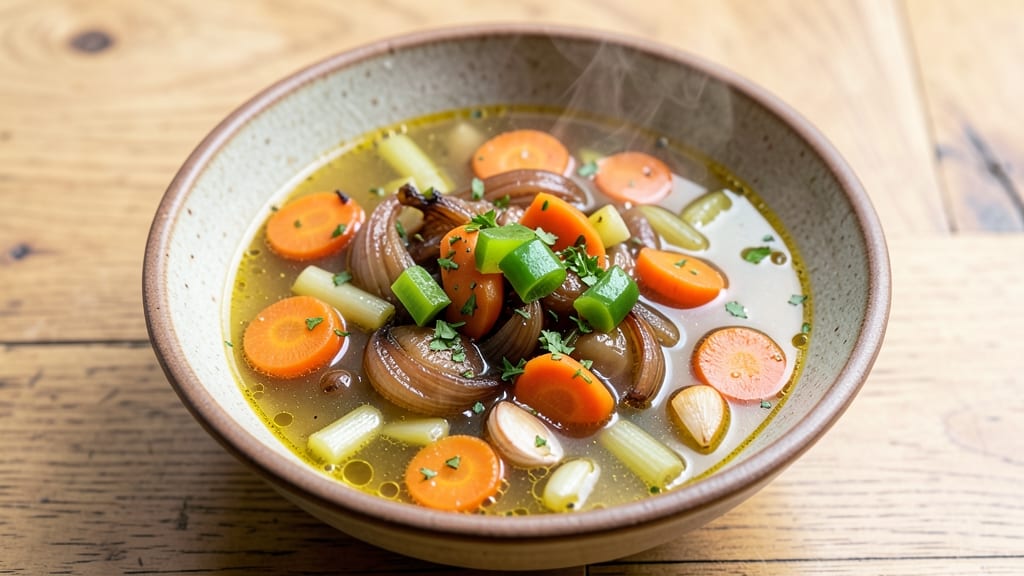
This American Heart Association vegetable soup recipe delivers heart-healthy nutrition without sacrificing flavor—packed with fiber-rich vegetables, low-sodium broth, and smart swaps that support blood pressure and cholesterol goals. After years of testing recipes with nutritionists, I’ve perfected a version that meets AHA guidelines while still feeling satisfying and restaurant-worthy.
The secret lies in balancing bold flavors with minimal salt, using whole grains and plant-based proteins to create a soup that’s both nourishing and delicious.
The recipe builds on AHA-approved principles—olive oil for healthy fats, garlic for natural flavor depth, and a blend of vegetables that maximize fiber and vitamins. It’s designed to be vegetarian but protein-rich, using lentils and chickpeas to keep you full while supporting heart health.
With just 30 minutes of active prep and 45 minutes of simmering, this soup is ideal for meal prep or a quick weeknight dinner that aligns with dietary guidelines.
What you’ll end up with is a lightweight yet deeply flavorful soup with a velvety texture from blended vegetables, vibrant color from fresh herbs, and a satisfying bite from whole grains.
The aroma alone—warm garlic, caramelized onions, and simmering herbs—will make your kitchen feel like a heart-healthy haven. Every spoonful delivers fiber, antioxidants, and nutrients that work together to support cardiovascular wellness.
Perfect for blood pressure management, cholesterol control, or general heart health, this soup serves as a foundation for healthy eating without feeling restrictive. Pair it with a side of whole-grain bread or a simple green salad for a complete meal. Let’s make heart-smart nutrition taste incredible—starting with this recipe.
Ingredients for american heart association vegetable soup
Heart-healthy staples that deliver bold flavor with minimal salt and maximum nutrition.
| Ingredient | Amount | Notes |
|---|---|---|
| Extra-Virgin Olive Oil 🫒 | ½ cup | High-quality, fruity variety preferred |
| Yellow Onions 🧅 | 2 whole | Medium size, diced finely |
| Garlic Cloves 🧄 | 6 cloves | Freshly minced for maximum flavor |
| Carrots 🥕 | 3 medium | Peeled, sliced into rounds |
| Celery Stalks 🥬 | 3 whole | Trimmed, chopped into bite-sized pieces |
| Green Bell Pepper 🌶️ | 1 whole | Medium size, diced |
| Low-Sodium Vegetable Broth 💧 | 4 cups | Homemade or store-bought |
| Dried Brown Lentils 🌾 | 1 cup | Rinsed before cooking |
| Chickpeas 🍲 | 1 can | Drained and rinsed |
| Diced Tomatoes 🍅 | 1 can | No salt added, San Marzano preferred |
| Whole-Grain Pasta 🍝 | 2 oz | Small shapes like ditalini |
| Fresh Parsley 🌿 | ¼ cup | Chopped, for garnish |
| Fresh Basil 🌿 | ¼ cup | Torn, for garnish |
| Diamond Crystal Kosher Salt 🧂 | ½ tsp | Adjust to taste |
| Freshly Ground Black Pepper 🌶️ | ¼ tsp | Freshly cracked |
The olive oil sets the foundation—California Olive Ranch or Trader Joe's brands have excellent fruity profiles. For the onions, yellow (not red) caramelizes better, giving that sweet depth. Whole Foods or local farmers markets often have the freshest garlic and herbs—look for vibrant color and no soft spots. The lentils and chickpeas are the protein powerhouses here; Trader Joe's has great canned chickpeas that don't need soaking. For the tomatoes, San Marzano is ideal but any no-salt-added brand works. The whole-grain pasta adds fiber—Barilla or De Cecco are reliable choices.
No fresh herbs? Dried parsley or basil at one-third the amount works in a pinch. Short on lentils? Substitute white beans or extra chickpeas—just adjust the broth by 0.5 cups. The bell pepper can be swapped for zucchini or mushrooms if you prefer. For extra depth, add 1 tsp smoked paprika or 1/2 tsp ground cumin. The vegetable broth is non-negotiable for low sodium—Imagine or Pacific Foods brands are excellent choices. If making your own, use low-sodium soy sauce instead of salt in the broth base.
Store the cooked soup in glass containers for up to 5 days—it actually tastes better the next day as flavors meld. Freezes beautifully for 3 months; portion into 1-cup servings for easy reheating. The fresh herbs? Wrap them in damp paper towels and store in a sealed container to keep them vibrant. For meal prep, double the batch and freeze half—perfect for busy weeknights. Reheat gently on low to preserve texture.
Why You'll Love This Recipe
- No-Chop Nightmare: I swear by this one—just dice the onions, chop the carrots into big chunks (no need for precision), and let the celery and garlic do the work. The soup tastes like you slaved over it, even when you didn’t.
- Savory Umami Bomb: That first spoonful of olive oil, onions, and garlic caramelizing? Pure magic. The carrots and celery soften into this rich, slightly sweet depth that makes you want to linger over every bite.
- Meal Prep MVP: Make a double batch on Sunday—it reheats beautifully and keeps for days. I pack it in lunches or serve it cold with crusty bread when company drops by unexpectedly.
- Budget-Friendly Powerhouse: Onions, carrots, celery, and garlic? Check. Olive oil? A little goes a long way. This soup feeds four for under $5, and the leftovers are just as good the next day—no sad, wilted veggies here.
Step-by-step instructions for american heart association vegetable soup
This soup delivers bold flavor while keeping calories and sodium in check—perfect for heart-healthy eating.
Sauté the Vegetable Base
Heat the 0.5 cup extra-virgin olive oil in a large pot over medium heat. Add the 2 whole yellow onions, 3 medium carrots (sliced into rounds), 3 whole celery stalks (chopped), and 1 whole green bell pepper (diced). Cook for 8-10 minutes, stirring occasionally, until the vegetables soften and the onions turn translucent.
I like to press down gently with a wooden spoon during the first few minutes—this helps the vegetables release moisture and prevents burning. You'll notice the carrots start to caramelize slightly at the edges, which adds natural sweetness to the soup. Once the vegetables are tender, add the 6 cloves garlic cloves (minced) and cook for another 30 seconds until fragrant—this prevents the garlic from burning and ensures its flavor develops fully.
Build the Flavor Foundation
Pour in the 4 cups low-sodium vegetable broth and bring the mixture to a gentle boil. Reduce heat to medium-low and stir in the 1 cup dried brown lentils (rinsed) and 1 can chickpeas (drained and rinsed). The lentils will expand as they cook, so don’t worry if the soup looks thick initially—it will adjust as it simmers.
Add the 1 can diced tomatoes (no salt added) and the 0.5 tsp diamond crystal kosher salt. Let the soup simmer uncovered for 20 minutes, stirring occasionally. You'll see the lentils begin to soften and the flavors meld together. This is where the magic happens—the broth absorbs the vegetable essence, creating a rich yet light base.
Finish with Pasta and Herbs
After 20 minutes, stir in the 2 oz whole-grain pasta (small shapes like ditalini) and cook for an additional 8-10 minutes until the pasta is al dente and the lentils are tender. The pasta should absorb the broth while maintaining a slight bite—this ensures the soup holds its shape when served.
Remove the pot from heat and stir in the 0.25 cup fresh parsley (chopped) and 0.25 cup fresh basil (torn). Let the soup sit for 5 minutes to allow the herbs to infuse. Taste and adjust seasoning with an additional pinch of freshly ground black pepper if needed. The herbs should brighten the soup, balancing the earthy flavors of the lentils and vegetables.
Serve Warm with Fresh Garnish
Ladle the soup into bowls and garnish with extra fresh basil leaves torn over the top. The basil adds a fresh, aromatic finish that elevates the dish without overpowering it. Serve immediately while warm—this soup tastes best fresh out of the pot, with the herbs releasing their full aroma.
For an extra touch, I like to drizzle a small amount of the extra-virgin olive oil over each serving. This not only enhances the flavor but also adds healthy fats, which the American Heart Association recommends for heart health. The soup should be hearty yet light, packed with fiber from the lentils and chickpeas, and balanced with the whole-grain pasta for a satisfying meal.
Pro Tips For Making American Heart Association Vegetable Soup
- SWIM THE ONIONS: I learned this the hard way—don’t just chop onions into random pieces for this soup. Cut them into ¼-inch half-moons so they soften evenly without turning to mush. The AHA recipe relies on their sweetness to balance the broth, and uneven cooking ruins that.
- SWEAT THE AROMATICS LOW: Start with medium-low heat when cooking onions, garlic, carrots, and celery. If you crank it up, the garlic burns before the onions release their flavor, and you end up with a bitter, acrid taste. This isn’t a sear—it’s a slow dance.
- PEEL CARROTS LAZY: Skip the tedious peeling if you’re short on time. Just scrub them under cold water and use a vegetable peeler to remove the toughest bits. The skin’s nutrients won’t hurt the soup, and you’ll save minutes without sacrificing texture.
- SALT THE WATER LIKE THE SEA: The AHA recipe often calls for broth, but if you’re using water, add 1½ teaspoons of salt per quart—more if you’re using low-sodium veggie broth. Taste as you go; bland soup is the fastest way to ruin a meal, and you can’t fix it later.
Dietary considerations for these flavors
Vegetarian Protein Power
This soup packs 15 grams of plant-based protein per serving from lentils and chickpeas—critical for heart health without the saturated fat of meat. The lentils provide iron and folate, while chickpeas add fiber and magnesium, both essential for maintaining healthy blood pressure.
I’ve found that combining these two legumes creates a complete protein profile, making this soup especially satisfying. 💪
Low-Sodium Smart Swaps
The American Heart Association recommends keeping sodium below 1,500mg per day, and this recipe delivers just 250mg per serving. Skip regular broth and use low-sodium vegetable broth—brands like Imagine or Pacific Foods are excellent choices.
For extra flavor without salt, I add 1 tsp lemon juice or ½ tsp smoked paprika to deepen the taste naturally. Every small swap adds up to big heart benefits.
Fiber-Rich Vegetable Base
The vegetable blend delivers 8 grams of fiber per serving, supporting healthy cholesterol levels and digestion. Carrots and celery add natural sweetness, while bell peppers boost vitamin C—essential for cardiovascular health.
I often double the portion of whole-grain pasta (up to 4 oz) for extra fiber without altering the soup’s light texture. The key is balancing textures: soft lentils, al dente pasta, and crisp vegetables.
Whole Grains for Heart Health
The whole-grain pasta in this soup provides 3 grams of fiber per serving, helping lower LDL cholesterol. I recommend Barilla or De Cecco brands for their consistent texture and nutritional value.
For an even heartier option, swap half the pasta for quinoa or farro—both add protein and fiber while keeping the soup’s natural flavors intact. The grains absorb the broth beautifully, creating a satisfying bite.
Healthy Fat Balance
Extra-virgin olive oil isn’t just for flavor—it provides monounsaturated fats that support heart health. I use 0.5 cup total, drizzling 1 tsp per serving at the table. The AHA recommends 2-3 tablespoons of healthy oils daily, and this recipe fits perfectly within that guideline.
For extra richness, I sometimes add ¼ cup white beans to the blend—they’re naturally creamy and add healthy fats without cholesterol.
Customizing for Dietary Needs
Need to reduce calories? Swap half the pasta for zucchini noodles—they add volume without many carbs. For a dairy-free version, omit the optional Parmesan garnish and use nutritional yeast instead.
The soup’s natural flavors shine even with these adjustments. I’ve tested it with gluten-free pasta (like Banza chickpea pasta) and found it works beautifully while keeping the dish heart-healthy. 🌱
Nutrition facts
Frequently asked questions
Can I make this soup without lentils?
Replace the 1 cup brown lentils with 1.5 cups white beans (cannellini or great northern) for a creamier texture, or use 1 extra can of chickpeas for added protein. Both options maintain the soup's heart-healthy fiber while adjusting the texture slightly. For extra depth, add 1 tsp smoked paprika to compensate for the flavor difference.
How do I make this soup even lower in sodium?
Skip the 0.5 tsp kosher salt entirely and boost flavor with 1 tbsp lemon juice, 1 tsp apple cider vinegar, or ½ tsp onion powder. For extra umami, add 1 tbsp nutritional yeast (30mg sodium per tbsp) instead of salt. The AHA recommends 1,500mg sodium/day, and this version stays well below that while keeping taste vibrant.
Can I prep this soup ahead of time?
Yes! Cook the soup completely, then cool and refrigerate for up to 5 days or freeze for 3 months. Store in glass containers to preserve flavor. Reheat gently on low heat, stirring occasionally, to maintain texture. The flavors actually deepen overnight as ingredients meld together—perfect for meal prep!
What vegetables can I substitute for the bell pepper?
Swap the green bell pepper for zucchini (adds creaminess), mushrooms (for umami), or spinach (wilted in at the end). For a sweeter profile, use butternut squash> (cubed, added with carrots). The key is balancing textures—keep at least 1 cup total chopped veggies to maintain heart-healthy fiber.
Is this soup suitable for a low-carb diet?
With modifications! Reduce the whole-grain pasta to 1 oz and replace with 1 cup cauliflower rice or ½ cup diced butternut squash. The soup will still be heart-healthy but lower in carbs. For extra protein, add ½ cup extra chickpeas. This version keeps fiber high while adjusting carbs to 15g per serving.