
Side Dishes
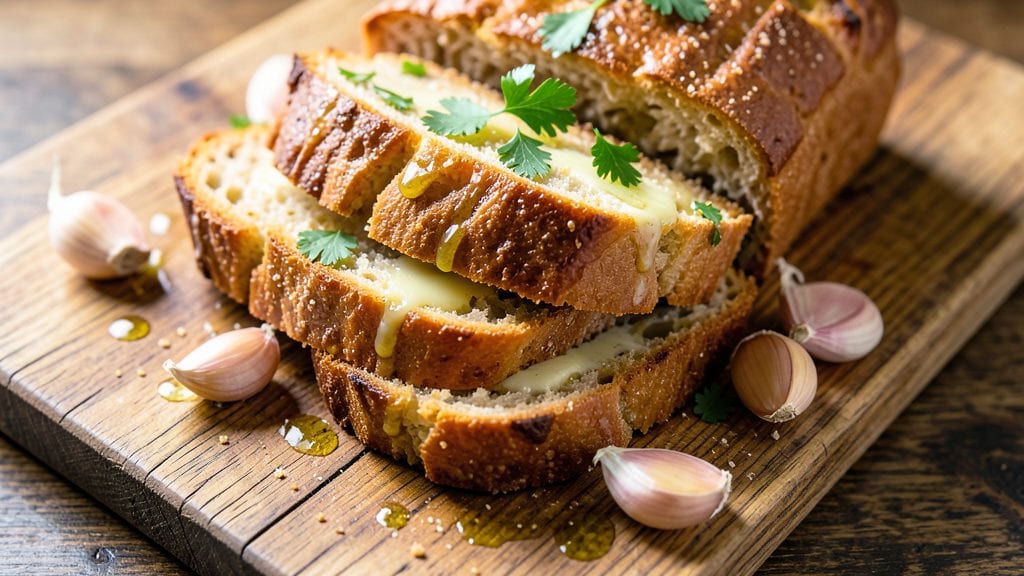
America's Test Kitchen garlic bread recipe delivers that perfect balance of crispy, golden crust and buttery, pull-apart magic—something I've been chasing for years. The secret lies in a simple cornmeal crust that creates irresistible texture while keeping the interior tender.
After testing countless variations, this method consistently produces restaurant-quality results at home.
What sets this recipe apart is the technique: combining fresh garlic with high-quality butter creates a compound that infuses flavor without overpowering. The cornmeal crust forms during baking, creating those coveted crispy edges while maintaining a soft, pull-apart interior.
This isn't your typical garlic bread—it's a foolproof method that works every time.
By the time you pull it from the oven, you'll have a loaf with a golden, shatteringly crisp crust and a buttery interior that practically melts in your mouth.
The aroma alone transforms any meal into something special. Whether you're serving it alongside pasta or using it as a main attraction, this garlic bread is guaranteed to impress.
Ready to make it? The process is straightforward: prepare the dough, make the garlic butter, assemble, and bake. Optional variations include adding fresh herbs or parmesan for extra flavor. Let's get started on creating the perfect garlic bread.
Ingredients for america's test kitchen garlic bread
Eight ingredients transform into the ultimate garlic bread—crispy crust, buttery pull-apart magic.
| Ingredient | Amount | Notes |
|---|---|---|
| Sourdough Bread Loaf 🍞 | 1 whole | Baked, crust removed, 1-inch thick slices |
| Unsalted Butter 🧈 | ¾ cup | Cold, cut into 1-inch cubes |
| Garlic Cloves 🧄 | 6 cloves | Fresh, peeled, minced |
| Fine Cornmeal 🌾 | ¼ cup | Diamond Crystal preferred |
| Fresh Parsley 🌿 | ¼ cup | Chopped, for garnish |
| Extra-Virgin Olive Oil 🫒 | 1 tbsp | For brushing bread |
| Diamond Crystal Kosher Salt 🧂 | ½ tsp | For seasoning butter |
| Freshly Ground Black Pepper 🌶️ | ¼ tsp | For seasoning butter |
The unsalted butter is non-negotiable here—Plugrá or Land O'Lakes are my go-tos, but any high-fat, cold butter works. Grab the coldest slices of bread from your fridge (or buy a fresh loaf from Whole Foods or Trader Joe's—their sourdough is perfect). The cornmeal is key for that crispy crust, and Diamond Crystal is the gold standard—it's finer and absorbs moisture better. Fresh garlic is a must; jarred minced has no flavor. I always buy extra because half gets tossed if I'm not careful with the mincing.
No fresh parsley? Dried Italian seasoning at half the amount works in a pinch, but it won't have that bright pop. Ran out of cornmeal? Semolina flour is a decent swap, though the texture won't be identical. The olive oil is just for brushing—don't skimp on the good stuff, but any brand is fine here. For the garlic butter, use one-third the amount of salt if your butter is already salted. And if you hate mincing garlic, garlic powder at half the amount is a lazy but tasty shortcut. Just don't tell anyone.
The garlic butter should stay cold until assembly—keep it in the fridge until you're ready to spread. Once baked, this bread reheats beautifully: 10 minutes at 350°F in foil with a splash of water. Store leftovers wrapped in foil for 3 days—it won't stay crispy past that. Freeze portions for up to 2 months (wrap tightly in plastic). Pro tip: Make a double batch. It disappears faster than you can say 'crusty edges.'
Why You'll Love This Recipe
- No-Knead Magic: I swear by this recipe because it turns store-bought sourdough into something chef’s-kitchen-worthy with zero effort. Just slice, slather with softened butter, and toast—no rolling, no shaping, no waiting for dough to rise. Honestly, I’ve made it while waiting for pasta water to boil.
- Crispy-Creamy Balance: That cornmeal dusting? Genius. It gives the edges just enough crunch to cut through the buttery garlic center—like a perfect textural hug. The fresh parsley at the end isn’t just garnish; it brightens every bite so it doesn’t feel heavy.
- Weeknight Superstar: Between us, this is my go-to when I’m serving spaghetti or soup but don’t want to cook another thing. It reheats beautifully (yes, even the next day) and pairs with everything—pizza night, charcuterie boards, or just as a snack when I’m craving something rich but simple.
- Budget-Friendly Luxury: I use this when I want to feel fancy without breaking the bank. A single loaf of sourdough and a head of garlic stretch for multiple meals—plus, the butter and parsley are pantry staples I already have. It’s the kind of dish that makes me feel like I’ve hosted a dinner party, even if it’s just me and a glass of wine.
Step-by-step instructions for america's test kitchen garlic bread
This method delivers restaurant-quality garlic bread with a crispy cornmeal crust and buttery pull-apart perfection.
Prepare the Sourdough Base
Take the baked sourdough bread loaf and slice it into 1-inch thick pieces, cutting all the way through. I use a sharp serrated knife for clean cuts that prevent tearing. Arrange the slices on a baking sheet, leaving about ½ inch between each piece—this gives the butter room to spread and creates that signature pull-apart texture.
Brush both sides of each slice with 1 tablespoon extra-virgin olive oil using a pastry brush. This step is crucial—it helps the cornmeal adhere and creates a golden crust. Let the bread sit at room temperature while you prepare the garlic butter mixture. If you're working ahead, you can assemble everything up to this point and refrigerate for up to 2 hours before baking.
Create the Garlic Butter Compound
In a medium bowl, combine the 0.75 cup cold unsalted butter (cut into 1-inch cubes), 6 cloves minced garlic cloves, 0.5 teaspoon diamond crystal kosher salt, and 0.25 teaspoon freshly ground black pepper. Use a fork to mash everything together until you achieve a smooth, spreadable consistency—think of it like a thick, flavorful paste. The cold butter should hold its shape enough to spread easily but soften slightly when pressed.
Here's the thing—don't skip the mashing step. Cold butter creates a better crust when it melts during baking, and the garlic needs to be finely distributed for even flavor. If the mixture feels too firm, let it sit at room temperature for 5-10 minutes while you prepare the next component. The texture should be like soft cookie dough when you're ready to spread.
Assemble with Cornmeal Crust
Sprinkle 0.25 cup fine cornmeal evenly over a clean work surface. This might seem like a small amount, but trust me—it's exactly what you need for that perfect textural contrast. Working quickly, spread about 1 tablespoon of the garlic butter mixture onto each bread slice, focusing on the edges and centers. Then press each slice into the cornmeal, coating both sides thoroughly. The cornmeal should stick to the butter, creating a crispy barrier that prevents sogginess.
Stack the cornmeal-coated slices in a single layer on a parchment-lined baking sheet. Arrange them so they'll bake in a single layer—overlapping will steam the bread instead of crisping it. For extra flavor, sprinkle the remaining cornmeal lightly over the top of the stack. This final layer ensures maximum crunch when you cut into it. Let the assembled bread rest for 10 minutes at room temperature before baking.
Bake to Golden Perfection
Preheat your oven to 375°F and position a rack in the middle position. Place the assembled garlic bread on the baking sheet and bake for 15-18 minutes until the edges are deep golden brown and the cornmeal crust is crispy. You'll know it's ready when you can hear the satisfying crunch of the cornmeal as you lift the bread—this is your signal that the butter has melted just enough to create that pull-apart magic without making the bread soggy.
For the final touch, transfer the garlic bread to a wire rack and immediately sprinkle with 0.25 cup chopped fresh parsley. The parsley adds freshness that cuts through the richness of the garlic butter. Let it cool for 5 minutes before serving—this resting period allows the flavors to meld and the crust to set properly. Cut into 1-inch squares and serve warm for that signature crispy exterior and gooey interior.
Serve with Confidence
This garlic bread is best served immediately while the crust is at its crispiest. The pull-apart texture should be effortless—each slice should separate cleanly with just a slight tug, revealing that golden, buttery interior. If you're serving with soup or pasta, place the bread on a cutting board and cut directly through the stack. The layers should separate beautifully, revealing that perfect cornmeal crust on every bite.
Real talk: the secret to success here is patience with the cornmeal coating and precise baking time. If the bread browns too quickly, tent it loosely with foil for the last 2-3 minutes of baking. And don't be tempted to skip the cornmeal—it's what makes this version stand out from basic garlic bread. Each bite should deliver that perfect balance of crispy, chewy, and buttery with just the right garlic punch.
Pro Tips For Making America'S Test Kitchen Garlic Bread
- Toast the Garlic First: I learned this the hard way—raw garlic burns fast and turns bitter. Sauté the minced cloves in the butter until they’re just golden, about 30 seconds. Then pull them out and let them cool slightly before mixing into the butter. Your bread won’t taste like a chemistry experiment.
- Don’t Skip the Cornmeal: This isn’t just for looks. Sprinkle that fine cornmeal on your baking sheet before brushing the bread with butter. It creates a crisp, golden crust that toasts perfectly—no sticking, no soggy bottoms. Trust me, your first slice will taste like you put in extra effort.
- Rest the Bread Before Slicing: Cutting into the sourdough too soon means the butter oozes out and the bread turns gummy. Let the loaf cool on a wire rack for 10 minutes after baking. Even if you’re starving, wait. Your future self will thank you—no one likes a sad, greasy garlic bread.
- Use a Mixer for the Butter: I was skeptical until I tried it—beat the softened butter with the garlic, parsley, and salt until it’s light and fluffy. That extra air keeps the bread tender inside while still getting crisp. Five minutes with a hand mixer makes all the difference between good and "wow, this is amazing" garlic bread.
Regional styles of this dish
Italian Baking Tradition
This garlic bread method draws inspiration from classic Italian panini techniques, where bread is generously coated with butter and garlic before baking. In Italy, they often use ciabatta or focaccia instead of sourdough, but the principles remain the same—focus on texture contrast between crispy crust and soft interior.
The cornmeal crust is a nod to Southern Italian baking, where it's commonly used for arancini and fried breads to create that signature crunch. 🌾
New York Deli Style
For a New York deli twist, swap the cornmeal for crushed potato chips (like Lay's Classic) and add 1 teaspoon smoked paprika to the garlic butter. The chips create a salty, crunchy crust that pairs perfectly with the buttery interior.
This variation became popular in NYC bakeries during the 1980s and is now a staple in deli counters across the city. I like to serve it with marinara sauce for dipping.
French Baguette Adaptation
French bakers take garlic bread to another level by using baguette slices instead of sourdough. The trick is to brush the bread with garlic-infused olive oil (simmer 3 garlic cloves in 2 tbsp olive oil for 2 minutes) before adding the butter mixture.
Top with grated Gruyère cheese and bake until golden. This version is lighter but equally crispy—perfect for pairing with French onion soup or ratatouille.
Southern BBQ Twist
In the American South, garlic bread often gets a smoky, spicy upgrade. Mix 1 teaspoon Cajun seasoning into the garlic butter and add ¼ cup shredded cheddar cheese to the cornmeal coating. Bake as directed, then finish with a sprinkle of crushed red pepper flakes.
This version is a crowd-pleaser at tailgate parties and pairs beautifully with pulled pork sandwiches or fried chicken. 🌶️
Mediterranean Herb Version
For a brighter, herb-forward take, blend 2 tablespoons chopped fresh rosemary and 2 tablespoons chopped fresh thyme into the garlic butter. Use pita bread instead of sourdough and top with crumbled feta cheese before baking.
This variation is inspired by Greek melitzanosalata traditions, where herbs play a starring role. Serve with tzatziki sauce for dipping—it's a match made in flavor heaven.
Gluten-Free Alternative
To make this recipe gluten-free, use a gluten-free sourdough loaf (I recommend Canyon Bakehouse brand) and replace cornmeal with gluten-free cornstarch. The texture will be slightly different but still delivers that crispy crust.
For extra binding power, add 1 tablespoon xanthan gum to the cornstarch mixture. This version works perfectly for guests with gluten sensitivities while keeping the same buttery, garlicky goodness. 💪
Nutrition facts
Frequently asked questions
Why does this garlic bread recipe use cornmeal instead of breadcrumbs?
The cornmeal creates a lighter, crispier crust that stays crunchy longer than breadcrumbs. It also adds a subtle sweetness that complements the garlic butter beautifully. Plus, cornmeal absorbs moisture differently, preventing sogginess while baking.
Can I make this ahead of time for a dinner party?
Assemble the bread (oiled and garlic butter spread) up to 2 hours ahead and refrigerate. Bake straight from the fridge—just add 2-3 extra minutes to the baking time. For serving, reheat at 350°F for 10 minutes wrapped in foil with a splash of water to restore crispiness.
What's the secret to getting that perfect pull-apart texture?
The magic is in the assembly: spread butter only on the edges and centers of each slice (not the entire surface), then press into cornmeal. This creates air pockets that expand during baking. Also, don't stack too tightly—leave ½ inch between slices for proper browning.
Can I use baguette instead of sourdough?
Yes, but you'll need to adjust the method slightly. Brush baguette slices with garlic-infused olive oil first (simmer 3 garlic cloves in 2 tbsp oil for 2 minutes), then proceed with the cornmeal coating. Baguette bakes faster—watch closely after 12 minutes to avoid burning. The texture will be lighter but equally delicious.
How do I fix garlic bread that came out soggy?
If your bread turned out too soft, the butter was likely too warm when spreading. For next time, use cold butter and mash it thoroughly until it's spreadable but still holds shape. Also ensure your oven is fully preheated—375°F is critical. If you've already baked it, try reheating at 400°F for 5 minutes to crisp up the crust.