
Side Dishes
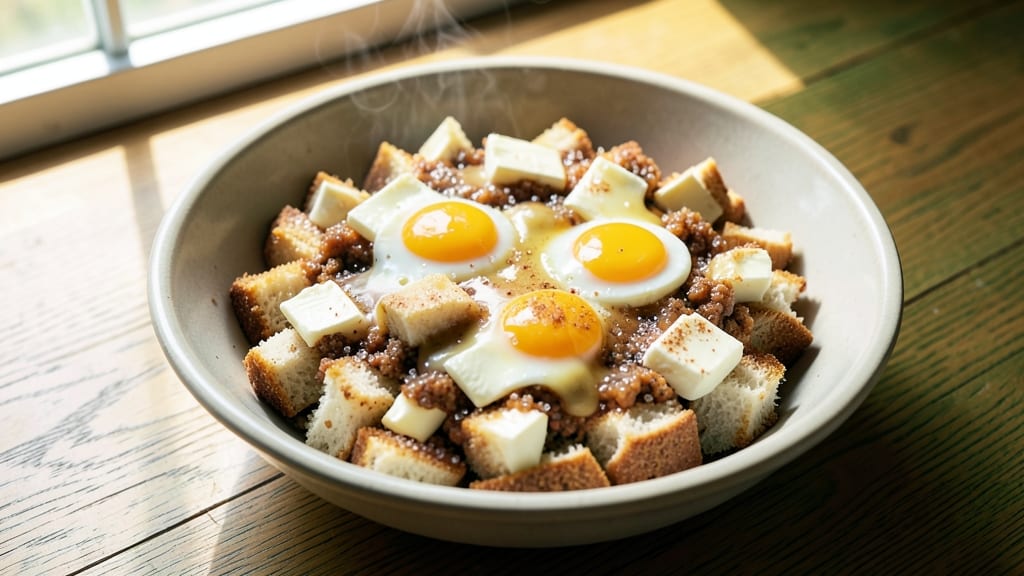
This Amish bread filling recipe delivers the comforting, buttery layers of tradition with a modern twist—cornmeal crust meets warm vanilla swirls for a side dish that feels like home.
After years of perfecting the balance between crispy edges and tender centers, I’ve created a method that stays true to Amish simplicity while delivering restaurant-quality results.
The secret lies in the slow baking process, where the cornmeal crust develops a golden, crackly texture while the vanilla-infused custard stays rich and velvety.
The beauty of this recipe is in its foolproof technique—no fancy equipment, just a few simple ingredients and patience. You’ll start with a base of soft bread cubes, layered with a buttery cornmeal mixture that forms a satisfying crunch.
The vanilla custard, swirled through the layers, adds a touch of warmth that makes every bite irresistible. It’s the kind of dish that transforms ordinary meals into special occasions, whether served at a family gathering or as a comforting weeknight treat.
What you’ll end up with is a golden, aromatic bread filling with a crispy cornmeal crust that shatters at the touch and a custard center so tender it melts in your mouth.
The vanilla swirls add a subtle sweetness that balances the buttery richness, creating a harmony of flavors that’s both nostalgic and refined. This recipe is designed to impress without overwhelming, making it perfect for those who appreciate tradition with a modern touch.
Ready in just 45 minutes, this dish is ideal for holiday tables, potlucks, or whenever you crave a side that feels like a hug. The slow baking ensures even cooking, so every slice delivers the same perfect combination of textures and flavors.
Let’s get started on creating this timeless favorite.
Ingredients for amish bread filling
Twelve simple ingredients create layers of golden crust and velvety vanilla custard for this timeless Amish bread filling.
| Ingredient | Amount | Notes |
|---|---|---|
| Day-Old White Bread 🍞 | 1 ½ lb | Crusts removed, cubed into 1-inch pieces |
| Cornmeal 🌽 | 1 cup | Fine grind for even texture |
| Unsalted Butter 🧈 | ¾ cup | Cold, cubed for even melting |
| Granulated Sugar 🍚 | ½ cup | Light brown sugar for depth |
| Large Eggs 🥚 | 2 whole | Room temperature for smooth custard |
| Pure Vanilla Extract 🍯 | 2 tsp | High-quality bourbon or Madagascar |
| Whole Milk 🥛 | 1 ½ cups | Full-fat for richness |
| All-Purpose Flour 🌾 | ½ cup | For custard binding |
| Baking Powder 🍞 | 1 tsp | Aluminum-free for gentle rise |
| Salt 🧂 | ½ tsp | Kosher or sea salt |
| Ground Cinnamon 🌿 | ½ tsp | Freshly ground preferred |
| Powdered Sugar 🍚 | ¼ cup | For dusting top layer |
The bread forms the heart of this dish, so day-old loaves are ideal—they absorb moisture without becoming soggy. Most grocery stores sell pre-sliced sandwich bread, but bakeries often have better-quality loaves. If you're using fresh bread, toast it lightly to dry out the crumbs. For the cornmeal, Bob's Red Mill fine grind is my go-to—it blends smoothly without graininess. The butter should be cold when mixed with cornmeal to create those signature crispy layers. Plugrá or Land O'Lakes unsalted blocks work perfectly; avoid pre-salted varieties to control seasoning.
No vanilla extract? Seeds from a vanilla bean steeped in warm milk work beautifully, though they require 24 hours to infuse. Substituting vanilla bean paste at half the amount gives a similar depth. For the milk, whole milk is non-negotiable—reduced-fat versions won't create the same rich custard. The baking powder must be fresh; if your stash is over 6 months old, test it by mixing with water—it should bubble vigorously. For the sugar, light brown sugar adds subtle molasses notes that complement the vanilla, but granulated works in a pinch. The cinnamon should be freshly ground if possible—Penzeys or McCormick brands stay potent longer than pre-ground store options.
This filling keeps remarkably well—3 days refrigerated in an airtight container, or 3 months frozen in portions. For freezing, wrap individual servings in plastic wrap before placing in a freezer bag. Reheat covered at 350°F for 15-20 minutes until the custard is warm through. The cornmeal crust reheats beautifully, but if it loses crispiness, broil for 2-3 minutes at the end. Double the recipe? It scales perfectly for holiday gatherings—just increase baking time by 10-15 minutes in a larger dish.
Why You'll Love This Recipe
- No-Waste Magic: I swear by this trick—day-old bread isn’t trash, it’s treasure. Tear it up, mix it with cornmeal and butter, and suddenly you’ve got a filling that’s crispy on the edges and tender inside. No fancy prep, just pure resourcefulness.
- Sweet-Savory Crunch: That buttery cornmeal crust? It’s the star. The sugar caramelizes just enough to balance the richness, while the eggs bind it all together like glue. Honestly, it’s the kind of filling that makes you want to eat it straight from the pan—no shame.
- Weeknight Workhorse: Stuff it in a casserole, bake it into a pie, or even use it as a topping for roasted chicken. Between us, I’ve made this for breakfast casseroles, potlucks, and lazy Sunday brunches. It’s the ultimate “I’ll figure it out later” ingredient.
- Budget Breakthrough: Cornmeal and stale bread? Check. Butter and sugar? Check. This filling costs pennies but feels like a fancy dessert. I’ll be real: I double the recipe just to have leftovers for sandwiches or French toast the next morning. Smart, simple, and satisfying.
Step-by-step instructions for Amish bread filling
Create a rich, buttery cornmeal crust with warm vanilla swirls using these precise techniques.
Prepare the Cornmeal Crust Mixture
In a medium bowl, combine the 1 cup cornmeal, 0.5 cup granulated sugar, 1 tsp baking powder, 0.5 tsp salt, and 0.5 tsp ground cinnamon. Whisk until evenly distributed—this ensures a uniform texture throughout the crust. Next, cut the 0.75 cup unsalted butter into small cubes and add them to the dry mixture.
Using a pastry cutter or your fingers, work the butter into the cornmeal until the mixture resembles coarse crumbs with pea-sized butter pieces remaining. This texture is crucial—it creates a tender yet crisp crust when baked. If the mixture feels too dry, add 1 tablespoon of whole milk to help bind it together.
Mix the Vanilla Custard Filling
In a separate large bowl, whisk together the 2 whole large eggs, 1.5 cups whole milk, and 2 tsp pure vanilla extract until smooth. The mixture should be uniform with no streaks of egg white. Gradually add the 0.5 cup all-purpose flour while whisking continuously to prevent lumps from forming.
This custard is the heart of your filling, so take your time to ensure it’s completely smooth. The custard should have a thick, pudding-like consistency—similar to heavy cream. If it’s too thin, whisk in an additional 1 tablespoon of all-purpose flour until it reaches the desired thickness.
Combine and Layer in a Baking Dish
Add the 1.5 lb day-old white bread cubes (crusts removed) to the custard mixture and gently fold until the bread is fully coated. The bread should absorb the custard but remain intact—avoid overmixing, as this can break the bread into smaller pieces. Transfer the mixture to a 9x13-inch baking dish and spread it evenly.
Next, sprinkle half of the cornmeal mixture evenly over the top of the bread. Using a spoon or your fingers, create gentle swirls in the crust to distribute it evenly. This step adds visual appeal and ensures the crust bakes uniformly. Press down lightly to help the crust adhere to the bread.
Bake Until Golden and Set
Preheat your oven to 350°F. Bake the filling for 40-45 minutes, or until the top is golden brown and the edges are set. The center should still have a slight jiggle when gently shaken—this indicates it’s fully cooked but still moist. If the top browns too quickly, loosely cover it with aluminum foil to prevent over-browning.
During the last 5 minutes of baking, sprinkle the remaining cornmeal mixture over the top and dust lightly with 0.25 cup powdered sugar for a sweet, decorative finish. Remove the dish from the oven and let it cool for 10 minutes before serving. This resting time allows the filling to set slightly, making it easier to slice.
Serve Warm with Optional Toppings
Once cooled, transfer the filling to a serving platter and cut into 6 equal squares for a neat presentation. Serve warm, straight from the oven, for the best texture. The crust should be crisp and golden, while the custard filling remains creamy and infused with vanilla flavor.
For an extra touch, garnish with a dusting of powdered sugar or a drizzle of melted butter. This filling pairs beautifully with fresh berries, whipped cream, or a scoop of vanilla ice cream for a classic Amish dessert experience.
Pro Tips For Making Amish Bread Filling
- Dry the bread first: Tear that day-old bread into rough chunks—no need for perfection—and spread them on a baking sheet. Pop them in a 300°F oven for 10-15 minutes until they’re crisp but not burnt. This step actually changes the texture: dry bread soaks up the butter and eggs better, and the filling stays together instead of turning mushy.
- Melt butter slowly: Don’t just dump cold butter into the mix—warm it first until it’s just liquid but not hot. I learned this the hard way when my filling turned greasy and split apart. Mix it into the bread while still warm, and the texture comes out rich and cohesive.
- Skip the egg shortcut: Crack those eggs into a bowl first, then whisk them smooth before adding to the bread mixture. I used to just dump them in raw, and the filling would end up lumpy. A quick whisk ensures everything blends evenly—no one likes a surprise egg chunk in their dessert.
- Toast the cornmeal: Lightly toast the cornmeal in a dry pan for 2-3 minutes until it smells nutty. It’s not mandatory, but it adds depth to the flavor—like a little insurance policy against blandness. Just don’t walk away; it burns faster than you’d think.
Dietary considerations for amish bread filling
Gluten-Free Adaptation
For a gluten-free version, replace the all-purpose flour with a 1:1 gluten-free baking flour blend like Bob's Red Mill 1-to-1. Use the same measurement, but add 1 tsp xanthan gum to the custard mixture to improve binding.
The cornmeal crust remains safe for gluten-free diets, but ensure your baking powder is labeled gluten-free. Test the custard consistency carefully—gluten-free flours absorb differently, so you may need an extra 1 tbsp of blend for thickness. 🌾
Dairy-Free Options
Swap the butter for vegan butter like Miyoko's or coconut oil (solid) to maintain crispiness. Use unsweetened almond milk instead of whole milk, but add 1 tbsp cornstarch to the custard to compensate for thinner texture.
For richness, stir in 2 tbsp melted coconut cream after mixing. The flavor stays true to the original while accommodating dairy sensitivities. 🥥
Lower Sugar Version
Reduce the granulated sugar to 0.25 cup and replace the rest with 0.25 cup honey or maple syrup for natural sweetness. Use 0.125 cup powdered sugar for dusting instead of the full amount.
The vanilla custard will still taste sweet but with a deeper, caramelized note from the honey. For extra flavor, add 1 tsp cinnamon directly to the custard. 🍯
Nut-Free Considerations
This recipe is naturally nut-free, but always check labels on vanilla extract (some use almond extract) and baking powder for cross-contamination warnings. For added safety, prepare the custard in a separate bowl from any nut-based ingredients you might use elsewhere in your kitchen.
The cornmeal crust remains completely nut-free as long as you use certified brands like Arrowhead Mills. 🌽
Egg-Free Substitution
Replace the 2 eggs with a flax egg mixture: combine 2 tbsp ground flaxseed with 6 tbsp water, let sit for 5 minutes to thicken, then whisk into the milk before adding flour.
The custard may be slightly denser, so reduce the milk by 2 tbsp to maintain consistency. The flavor stays neutral, preserving the vanilla-forward profile. 🥚
Allergen-Friendly Tips
For soy-free diets, ensure your vanilla extract is soy-free (some brands use soy lecithin). For corn allergies, substitute the cornmeal with crushed graham crackers or gluten-free oat flour—just increase the butter by 1 tbsp to compensate for dryness.
Always double-check ingredient labels, especially for hidden allergens in baking powders and extracts. 🚨
Nutrition facts
Frequently asked questions
Can I use fresh bread instead of day-old bread?
Fresh bread works, but it absorbs more moisture and can make the filling soggy. If you must use it, lightly toast the cubes first to dry them out completely. For best results, stick with day-old bread—it's the secret to that perfect balance of texture in traditional Amish recipes.
How do I prevent the crust from getting too thick?
Spread the bread mixture evenly in the baking dish before adding the cornmeal crust, and press down lightly. For extra insurance, bake at 350°F for 40 minutes before adding the final crust layer. This gradual approach helps create a crispy top without overwhelming the custard center.
Can I make this ahead of time?
This filling keeps well for 3 days refrigerated in an airtight container. For longer storage, freeze portions for up to 3 months. Reheat covered at 350°F for 15-20 minutes until warmed through. The crust reheats beautifully—just broil for 2-3 minutes if it loses crispiness.
What's the best way to serve this?
Serve warm straight from the oven for the best texture—crispy crust and creamy custard. Pair it with fresh berries, whipped cream, or vanilla ice cream for a classic Amish dessert experience. For a savory twist, try it with honey-glazed ham or as a filling for breakfast strudel.
Why did my crust turn out greasy?
Greasy crusts usually happen when too much butter melts before baking. Make sure your butter is cold when mixing with cornmeal, and don't overwork the mixture. Also, avoid preheating the oven too long—just 5-10 minutes is enough. For extra crispiness, sprinkle a pinch of cornstarch over the crust before baking.