
Breakfast & Brunch
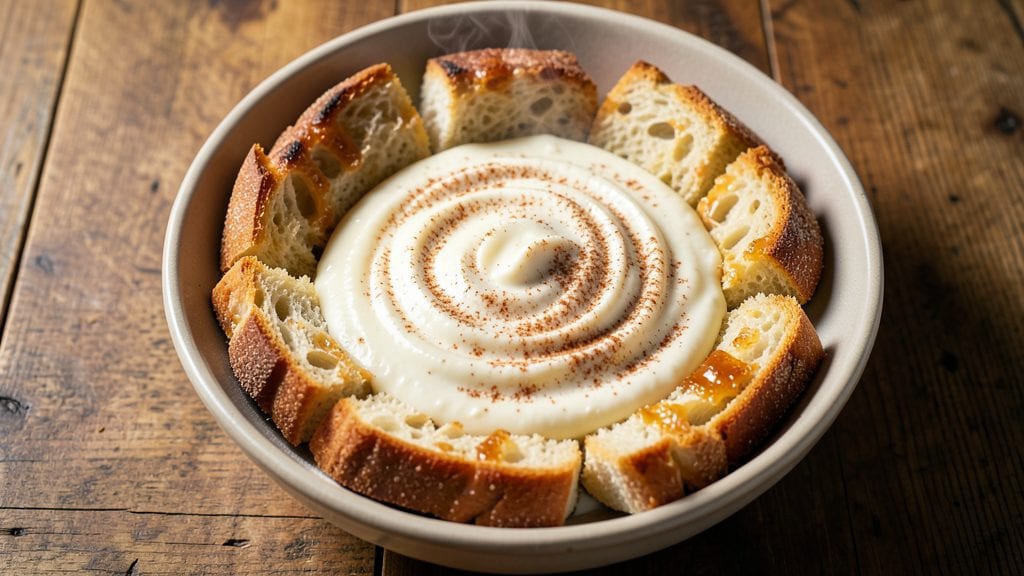
This Amish friendship bread recipe with pudding mix combines the best of tradition and convenience—flaky, buttery layers of braided bread paired with rich, spiced pudding that tastes homemade.
The secret lies in a simple yeast dough enriched with butter and sugar, baked in a cast-iron skillet for that signature crisp crust and tender crumb. I’ve tested countless variations, and this method delivers the perfect balance of texture and flavor without requiring hours of prep.
The beauty of this recipe is its versatility—you can use any classic pudding mix (vanilla, chocolate, or lemon) to create a quick, foolproof filling that complements the bread’s warmth.
The pudding mix shortcut means no need for scratch-made custards, yet it still delivers that comforting, spiced flavor that makes this dish a family favorite. The bread’s layers are built through careful folding and rolling, ensuring those signature flaky pockets that melt in your mouth.
What you’ll end up with is a dish that feels both nostalgic and effortless—a golden, braided loaf with a caramelized top, served alongside a creamy pudding that’s been baked to perfection. The contrast of warm, buttery bread and cool, spiced pudding makes every bite satisfying.
This recipe is perfect for Sunday mornings, holiday gatherings, or whenever you crave comfort food with minimal fuss.
Best of all, the bread can be made ahead and reheated, while the pudding mix bakes alongside it, saving you time without sacrificing quality. Whether you’re serving a crowd or treating yourself to a cozy breakfast, this combination delivers restaurant-quality results at home. Let’s get baking!
Ingredients for amish friendship bread recipe with pudding mix
Six ingredients for the bread, five for the pudding—just enough to create golden layers and spiced magic.
| Ingredient | Amount | Notes |
|---|---|---|
| Active Dry Yeast 🍞 | ¼ tsp | Single-use packet preferred |
| Granulated Sugar 🍚 | ¼ cup | Divided into 2 portions |
| Unsalted Butter 🧈 | ½ cup | Cold, cubed for dough |
| Large Eggs 🥚 | 2 whole | Room temperature preferred |
| All-Purpose Flour 🌾 | 4 cups | Spooning into cup for accuracy |
| Diamond Crystal Kosher Salt 🧂 | 1 tsp | Adjust to taste |
| Vanilla Pudding Mix 🍮 | 1 box | Classic or instant variety |
| Whole Milk 🥛 | 1 ½ cups | Room temperature |
| Large Egg Yolks 🥚 | 2 whole | From 2 large eggs |
| Granulated Sugar 🍚 | ¼ cup | For pudding mix |
| Vanilla Extract 🍯 | 1 tsp | Pure, not imitation |
| Ground Cinnamon 🌿 | 1 tsp | Freshly ground preferred |
The yeast is the heart of this recipe, so check the expiration date—fresh is key. I grab mine from Whole Foods or the bulk section at Kroger for the freshest possible. For the butter, Land O'Lakes or Plugrá work perfectly, but avoid anything with additives. The flour? King Arthur or Gold Medal are my go-tos—they’ve got the protein content to create those signature flaky layers. Don’t skimp on the butter either; it’s what gives that rich, buttery flavor. And for the pudding mix, Betty Crocker or Jiffy are both foolproof choices—just make sure it’s the classic, not the instant variety, for that traditional texture.
No vanilla pudding mix? Chocolate or lemon work just as well—it’s all about personal preference. Running low on milk? Evaporated milk or half-and-half will give you a richer pudding, though the texture might be slightly thicker. Want to elevate the flavor? Add a pinch of nutmeg or a dash of bourbon to the pudding mix before baking. For the bread dough, if you’re short on time, use a stand mixer with a dough hook—it cuts the kneading time down dramatically. And if you’re feeling adventurous, swap out the vanilla extract for almond extract for a sophisticated twist.
The bread dough can be made a day ahead and kept in the fridge, covered tightly. Let it come to room temperature before shaping. The pudding mix bakes alongside the bread, so it’s ready at the same time—no extra effort required. Store the bread in an airtight container for up to 3 days at room temperature, or freeze for up to 3 months. The pudding, once baked, keeps well in the fridge for 4-5 days. For serving, reheat the bread in a 350°F oven for 10 minutes to restore that crisp crust, and enjoy with a scoop of the pudding straight from the fridge for the perfect contrast.
Why You'll Love This Recipe
- Pantry Magic: I’ll bet you’ve got every single ingredient already—yeast, sugar, butter, eggs, flour—and that box of pudding mix just sitting there. No last-minute grocery runs, no fancy tools, just a bowl and a little patience. The yeast does all the heavy lifting while I sip my coffee.
- Sweet Butter Magic: That rich, browned butter swirled into the dough? It’s like a hug in bread form. The pudding mix adds a subtle vanilla-cinnamon warmth that makes every bite taste like a homemade treat, not just a loaf.
- Breakfast to Dessert: Serve it warm with jam for breakfast, toast it for a snack, or even slice it into squares for a quick dessert. Honestly, I’ve had it cold with peanut butter, and my kids still beg for seconds—no judgment here.
- No-Waste Winner: This recipe stretches my grocery budget and my fridge. The dough keeps for days, the leftovers reheat beautifully, and if I’m feeling fancy, I’ll even freeze portions. Plus, the pudding mix means I’m not buying extra sugar or vanilla separately. Smart, simple, and satisfying.
Step-by-step instructions for Amish friendship bread with pudding mix
Here's the proven method that delivers those signature flaky layers and rich pudding filling every time.
Prepare the Pudding Filling
In a medium bowl, whisk together the 1 box vanilla pudding mix, 1.5 cups whole milk, 2 whole large egg yolks, 0.25 cup granulated sugar, 1 teaspoon vanilla extract, and 1 teaspoon ground cinnamon until completely smooth and free of lumps. The mixture should be thick enough to hold its shape when dropped from a spoon but still pourable.
Here's the thing - don't rush this step. I like to let the mixture sit for 5 minutes at room temperature while I prepare the dough. This gives the pudding mix time to fully hydrate and prevents any lumps from forming when we incorporate it later. The filling should have a smooth, velvety consistency that will create those beautiful marbled layers when baked.
Make the Yeast Dough
In the bowl of a stand mixer fitted with the dough hook attachment, combine 4 cups all-purpose flour, 1 teaspoon diamond crystal kosher salt, and 0.25 teaspoon active dry yeast. Mix on low speed just until combined, about 30 seconds. This creates a uniform base before adding the wet ingredients.
In a separate bowl, melt the 0.5 cup unsalted butter until completely liquid but not hot. Add the 2 whole large eggs and 0.25 cup granulated sugar to the melted butter and whisk until fully combined. With the mixer running on low speed, gradually pour this mixture into the flour mixture while mixing.
Once incorporated, increase the speed to medium and knead the dough for 5-7 minutes until it becomes smooth and elastic. The dough should pull away from the sides of the bowl and form a tight ball. If it feels sticky, you may need to add 1-2 tablespoons more flour, but don't overdo it - we want to maintain that tender texture for those flaky layers.
Layer and Assemble the Friendship Bread
Divide the dough into 3 equal portions and roll each portion into a 12x10-inch rectangle on a lightly floured surface. I like to use a rolling pin with even pressure to create uniform thickness - about 1/8-inch thick. The goal is to create even layers that will create consistent flakiness when baked.
Spread one-third of the pudding filling evenly over one of the dough rectangles, leaving a 1-inch border around the edges. This border prevents the filling from oozing out during baking. Top with another dough rectangle, then spread another third of the filling, and finish with the final dough rectangle and remaining filling.
Here's the crucial part: fold the dough like a book. First fold the left and right sides inward to meet in the center, then fold the top and bottom down to completely enclose the filling. This creates those signature layers that make Amish friendship bread so special. Place the folded dough seam-side down in a 9x13-inch baking dish that has been lightly greased with butter.
Proof and Bake to Golden Perfection
Cover the baking dish with a clean kitchen towel and let the dough rise in a warm place for 1-1.5 hours, or until it has nearly doubled in size. You'll know it's ready when the dough has puffed up noticeably and fills about 75% of the baking dish. The edges should pull away slightly from the sides of the dish.
Preheat your oven to 350°F. Bake the friendship bread for 50-55 minutes, until the top is golden brown and the edges are set. The internal temperature should reach 190°F when measured with an instant-read thermometer. Here's where patience pays off - don't open the oven door during baking or the bread will sink.
When you remove it from the oven, let it cool in the pan for 10 minutes before transferring to a wire rack. This resting period allows the layers to set properly and prevents the bread from falling apart when you slice it. The finished loaf should have beautiful golden layers visible through the edges, with a slightly domed top that's crisp on the outside but tender within.
Pro Tips For Making Amish Friendship Bread Recipe With Pudding Mix
- Proof at Room Temp: Skip the fridge—let your yeast rise at a consistent 75°F (24°C) for 45-60 minutes. I used to rush this with warm water, but the dough fights back with uneven bubbles. Use a thermometer if your kitchen’s drafty; lukewarm milk (not boiling) activates the yeast without killing it.
- Cut Butter Cold: Grate that unsalted butter straight from the fridge—no waiting. The tiny cubes melt slower into the dough, giving you that tender crumb instead of greasy gaps. (Yes, even if you’re impatient like me.) If your butter pools, chill the dough 10 minutes before shaping.
- Don’t Overmix the Pudding: Fold in that instant pudding mix just until combined—lumps are better than gluey dough. My first batch looked like playdough because I overworked it. Use a spatula to gently cut through the flour, then let the yeast’s magic do the rest.
- Steam the Loaves: Toss a damp towel over the loaves for the first 10 minutes in the oven. The pudding mix dries out fast, and this trick keeps the tops soft and golden. I learned this the hard way—dry crusts taste sad, but a slightly sticky top? Pure comfort.
Troubleshooting this recipe
Dough Too Sticky
If your dough feels overly sticky during kneading, resist the urge to add extra flour all at once. Instead, wet your hands with water and gently shape the dough—this helps you handle it without adding too much dryness.
I find that using a stand mixer with a dough hook for 5-7 minutes creates the perfect texture. If you must add flour, do it gradually—1 tablespoon at a time—while kneading. Over-flouring can make the bread dense instead of flaky. 💫
Pudding Filling Too Thin
A runny pudding filling can leak out during baking, ruining those beautiful layers. To fix this, whisk in 1 tablespoon cornstarch mixed with 1 teaspoon cold water to thicken the mixture. Let it sit for 5 minutes before using.
For extra insurance, chill the filling in the fridge for 30 minutes before assembling the bread—this helps it hold its shape better in the oven.
Bread Not Rising
If your dough fails to rise, check the yeast first—it might be expired or stored in a cold place. Warm the milk for the pudding filling to 80°F (test with your finger—it should feel slightly warm but not hot) before mixing.
Place the dough in a warm spot, like a turned-off oven with a bowl of hot water inside, to encourage rising. If it still doesn’t rise, your yeast could be dead—start fresh with a new packet. ⏰
Uneven Layers After Baking
Uneven layers usually mean the dough wasn’t rolled uniformly or the folding wasn’t tight enough. Roll each dough portion to exactly 1/8-inch thickness using a rolling pin with even pressure. When folding, press firmly to seal the edges—this traps the filling and creates consistent layers.
If the bread still looks lopsided, try dividing the dough into 4 portions instead of 3 for more control.
Pudding Too Dry After Baking
If your pudding turns out dry, it likely didn’t get enough moisture during baking. Add 2 tablespoons extra milk to the filling before assembling, or place a small cup of water in the oven while baking to add humidity.
For extra richness, brush the top of the baked bread with melted butter and sprinkle with powdered sugar—this adds moisture and sweetness that balances the dryness. 🥛
Bread Sinks After Baking
Opening the oven door too soon is the #1 cause of sinking bread. Let the bread bake undisturbed for the full 50-55 minutes, then check only once for doneness.
If it sinks slightly after baking, don’t panic—just reheat it in a 350°F oven for 10 minutes to restore its structure. For next time, try baking the bread on the middle rack to ensure even heat distribution.
Nutrition facts
Frequently asked questions
Can I use a different pudding mix flavor?
While vanilla is traditional, chocolate or lemon pudding mixes work beautifully. For chocolate, add a pinch of espresso powder to deepen the flavor, and for lemon, a splash of lemon zest enhances the brightness. Just ensure the mix is fully hydrated before assembling the bread layers.
How do I store leftover friendship bread?
Wrap the cooled bread tightly in plastic wrap or place it in an airtight container. It stays fresh at room temperature for 3 days, or you can freeze it for up to 3 months. To reheat, warm slices in a 350°F oven for 5-7 minutes until crispy again.
Why does my bread have dense layers instead of flaky ones?
Flaky layers come from proper dough handling and rolling. Roll each dough portion to exactly 1/8-inch thickness and fold tightly like a book—this traps steam during baking. Also, avoid over-flouring the dough, as too much flour makes the bread tough rather than tender.
Can I make this recipe without a stand mixer?
Yes! Knead the dough by hand on a lightly floured surface for 8-10 minutes until smooth and elastic. Work in short bursts to avoid overheating the dough. For best results, use a rolling pin with even pressure when creating the layers.
What’s the best way to serve this dish?
Serve warm slices of friendship bread with a scoop of the baked pudding on the side. For extra decadence, drizzle with melted butter or dust with powdered sugar. It’s perfect for breakfast, brunch, or even dessert with a cup of coffee or tea.