
Breakfast & Brunch
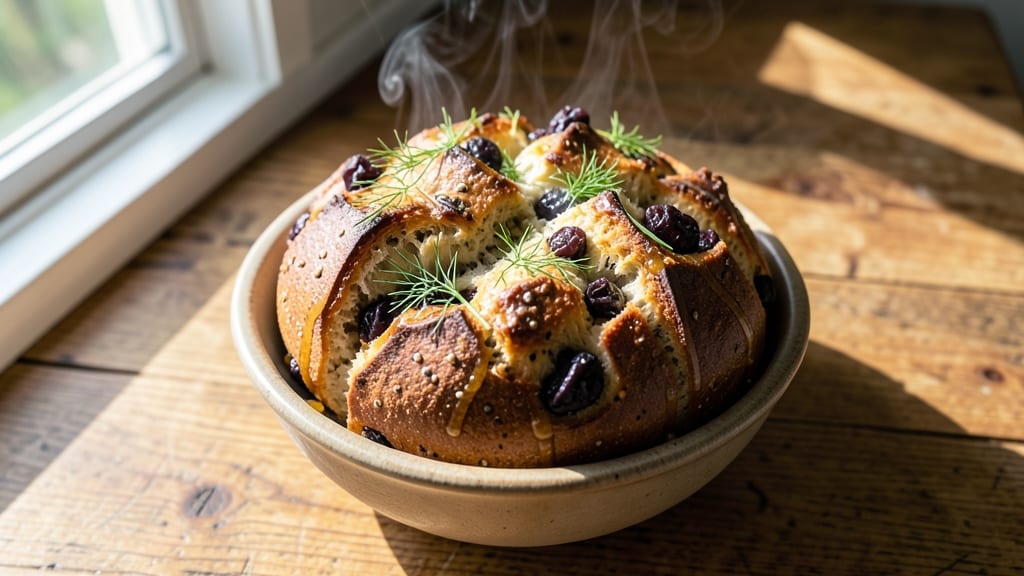
This Amy's raisin fennel bread recipe delivers a warm, spiced loaf with a chewy crust and aromatic fennel notes that elevate any breakfast table. After years of perfecting the balance between sweet raisins and earthy fennel, I’ve created a recipe that’s foolproof yet impressive enough for guests.
The key lies in a slow fermentation that develops deep flavor while keeping the texture tender and slightly crisp at the edges.
The dough combines simple ingredients—flour, yeast, honey, and whole milk—to create a rich, aromatic base. Fennel seeds and dried raisins add layers of complexity, while orange zest brightens the flavor profile.
Unlike quick breads, this recipe requires patience: letting the dough rise overnight enhances flavor and texture, ensuring a loaf that’s both hearty and delicate.
By the time it emerges from the oven, you’ll have a golden-brown loaf with a crackly crust and a tender crumb studded with plump raisins and aromatic fennel. The warm spices linger on the tongue, making every slice feel like a cozy embrace.
Serve it fresh from the oven with butter or jam for a breakfast that feels like a celebration.
This recipe works equally well for weekend brunches or holiday gatherings—just scale the dough as needed. For extra texture, fold in toasted nuts or a sprinkle of citrus zest before baking. The possibilities are endless, but the foundation remains the same: a perfect balance of sweet, spice, and chewy satisfaction.
Ingredients for amy's raisin fennel bread
Simple pantry staples meet aromatic spices in this rich, chewy raisin fennel bread recipe.
| Ingredient | Amount | Notes |
|---|---|---|
| All-Purpose Flour 🌾 | 5 cups | Spooned and leveled, not packed |
| Active Dry Yeast 🍞 | 2 ¼ tsp | One packet, 7g equivalent |
| Granulated Sugar 🍚 | ¼ cup | For yeast activation |
| Whole Milk 🥛 | 1 ¼ cups | Room temperature, full-fat preferred |
| Honey 🍯 | ¼ cup | Wildflower or clover variety |
| Large Eggs 🥚 | 2 whole | Room temperature, beaten |
| Unsalted Butter 🧈 | ½ cup | Cold, cubed, full-fat |
| Dried Raisins 🍇 | 1 ½ cups | Plump, not shriveled |
| Fennel Seeds 🌿 | 2 tsp | Whole, lightly toasted |
| Orange Zest 🍊 | 1 tbsp | From organic orange |
| Diamond Crystal Kosher Salt 🧂 | 1 ½ tsp | Adjust to taste |
| Ground Cinnamon 🌶️ | 1 tsp | Freshly ground preferred |
| Coarse Sugar 🍚 | ½ cup | For sprinkling on top |
The flour is the foundation—King Arthur or Gold Medal brands yield the best texture, but your standard all-purpose works fine. Fennel seeds are non-negotiable for that signature warmth; Penzeys sells them in bulk if you want to stock up. Raisins should be plump—Sun-Maid or Thompson varieties are reliable. Toast the fennel seeds in a dry pan for 30 seconds until fragrant (that's the secret to deeper flavor). The milk must be warm but not hot—yeast hates extremes, so test with your finger (should feel like bathwater).
No whole milk? Evaporated milk or heavy cream works in a pinch, but the fat content matters for that tender crumb. Substituting honey? Maple syrup has a similar viscosity, but reduce by 10% due to moisture differences. Fennel seeds too strong? Swap half for anise seeds (they’re milder). For extra richness, replace 2 tablespoons of the flour with almond flour—it keeps the texture but adds nutty depth. The orange zest can be from any citrus, but organic yields brighter flavor without bitterness.
This dough improves with time—let it rise overnight for maximum flavor development. Store wrapped at room temperature for 3 days or freeze the shaped loaf for up to 3 months. To revive frozen dough, thaw in the fridge overnight before baking. The crust stays crisp for 24 hours if kept in an airtight container, but the interior softens beautifully when toasted or warmed through.
Why You'll Love This Recipe
- No-Knead Magic: I swear by this—just mix, let it rise, and forget it. The yeast does all the work while I sip coffee, and the dough comes together smoother than store-bought. Honestly, my lazy Sunday mornings have never been sweeter.
- Sweet-Savory Balance: That honey-milk combo with the earthy fennel and plump raisins? It’s the kind of flavor that makes you pause mid-bite. The crust gets just crisp enough to hold up to toast, but the inside stays soft—like a hug in bread form.
- Weeknight Superstar: I make this twice a week because it’s my go-to for breakfast, sandwiches, or even a quick charcuterie board. The raisins caramelize slightly when toasted, and the fennel’s licorice note pairs perfectly with cheese or jam—no fancy planning needed.
- Budget-Friendly Staple: A single batch costs me pennies but lasts forever. Freeze half the loaves, and you’ve got fresh bread for days without the grocery store markup. Plus, using pantry basics means I’m not scrambling for specialty ingredients—just flour, milk, and a handful of raisins.
Step-by-step instructions for Amy's raisin fennel bread
This method delivers a perfectly spiced loaf with a chewy crust and tender crumb every time.
Activate the Yeast and Mix the Dough
In a small bowl, combine the 1.25 cups whole milk, 0.25 cup granulated sugar, and 2.25 teaspoons active dry yeast. Let this mixture sit for 5-10 minutes until it becomes frothy and bubbly—this confirms the yeast is active. If it doesn't bubble, your yeast may be dead, and you'll need to start over.
In a large bowl, whisk together the 5 cups all-purpose flour, 1.5 teaspoons diamond crystal kosher salt, 1 teaspoon ground cinnamon, 2 teaspoons fennel seeds, and 1 tablespoon orange zest. The fennel seeds should be lightly toasted first in a dry skillet over medium heat for 1-2 minutes until fragrant—this enhances their flavor significantly. Let them cool before adding to the flour mixture.
Create a well in the center of the dry ingredients and pour in the yeast mixture, the 2 whole large eggs, 0.25 cup honey, and the 0.5 cup cold unsalted butter (cut into small cubes). Using a wooden spoon or your hands, mix until the dough begins to come together. The butter should still be cold enough to hold its shape at this stage.
Knead the Dough Until Smooth and Elastic
Transfer the dough to a lightly floured surface and knead for 8-10 minutes by hand, or use a stand mixer with a dough hook attachment on medium speed for 5-6 minutes. The dough should become smooth, elastic, and slightly tacky but not sticky. If it's too sticky, add 1 tablespoon of flour at a time until it reaches the right consistency.
Here's the thing—you'll know it's ready when it springs back slowly when poked and doesn't stick to your fingers. Form the dough into a round shape and place it back in the bowl. Cover the bowl with a clean kitchen towel or plastic wrap and let it rise in a warm place for 1-1.5 hours, or until it has doubled in size. A warm oven with the light on works perfectly for this.
Fold in the Raisins and Shape the Loaf
Once the dough has risen, gently punch it down to release any air bubbles. Add the 1.5 cups dried raisins to the dough and fold them in by hand, pressing lightly to distribute them evenly. The raisins should be plump and not shriveled—if they are, soak them in warm water for 10 minutes before adding to the dough.
Shape the dough into a 9x5-inch loaf pan, pressing it down gently to fill the pan completely. The dough should come up about 1 inch above the rim of the pan. Cover the loaf with the towel and let it rise again for 30-45 minutes, or until it has risen about 1 inch above the pan. This second rise ensures a light, airy texture.
Bake to a Golden, Chewy Perfection
Preheat your oven to 375°F. Once the oven is fully preheated, brush the top of the dough with a little whole milk or water and sprinkle evenly with the 0.5 cup coarse sugar. This creates a beautiful caramelized crust and adds a touch of sweetness to the exterior. Bake for 30-35 minutes until the top is golden brown and the internal temperature reaches 190-200°F when measured with an instant-read thermometer.
Don't open the oven during baking—this can cause the bread to sink. If the top browns too quickly, tent the loaf with aluminum foil to prevent over-browning while it continues to bake through. The bread is done when it sounds hollow when tapped on the bottom and pulls away from the sides of the pan easily.
Cool and Serve for Maximum Flavor
Remove the bread from the oven and let it cool in the pan for 5 minutes. Then transfer it to a wire rack to cool completely for at least 30 minutes before slicing. This resting period allows the moisture to redistribute, ensuring each slice is tender and moist. If you can't wait, slice a small piece to test—it should be warm, fragrant, and slightly gooey inside.
Slice the bread into ½-inch thick pieces and serve warm for the best texture. The crust should be crisp and chewy, while the interior should be soft with pockets of sweetness from the raisins and honey. Store any leftovers in an airtight container at room temperature for up to 3 days, or freeze for up to 3 months for freshly baked flavor whenever you need it.
Pro Tips For Making Amy'S Raisin Fennel Bread
- Bloom the Yeast Right: DESCRIPTION:
- Toast Your Raisins: DESCRIPTION:
- Knead Until Smooth: DESCRIPTION:
- Proof in a Warm Spot: DESCRIPTION:
Troubleshooting your amy's raisin fennel bread
Dough Too Sticky?
If your dough feels too sticky during kneading, resist the urge to add too much flour at once. Instead, work in 1 tablespoon increments while kneading to find the perfect balance.
The dough should be smooth and slightly tacky but not cling to your fingers. For extra help, wet your hands slightly with water—this prevents sticking while you shape. 💡
Yeast Not Activating?
If your yeast mixture doesn’t bubble within 10 minutes, your yeast may be dead. Test it by sprinkling a pinch into warm water with a little sugar—if it doesn’t foam, replace it.
Always check the expiration date on your yeast packet, and store it in the fridge (not the pantry) to extend its life. A warm, draft-free spot (like a turned-off oven with the light on) is ideal for rising.
Bread Sinks After Baking
Opening the oven door too soon causes the bread to collapse. If this happens, don’t panic—just place the loaf back in the oven for 5-10 minutes to restore some rise.
For future bakes, avoid peeking until the 30-minute mark, and use a loaf pan with slightly tapered sides (like Wilton’s Non-Stick Loaf Pan) to help the bread hold its shape.
Raisins Too Dry?
If your raisins look shriveled, soak them in warm water for 10 minutes before folding them into the dough. This plumps them up and prevents a dry, crumbly texture.
For extra flavor, soak them in warm orange juice instead—it infuses the raisins with citrus notes that pair perfectly with the fennel. 🍊
Crust Too Pale or Dry
A pale crust often means the bread needs more time in the oven. For a deeper color, brush the top with whole milk or egg wash before baking, then sprinkle with coarse sugar for caramelization.
If the crust dries out too quickly, tent the loaf with aluminum foil after 20 minutes to trap moisture while it finishes baking.
Uneven Rise or Density
An uneven rise usually means the dough didn’t ferment long enough. Let it rise until it doubles in size—use a warm spot (like a proofing box or oven with the light on) to speed this up.
For extra insurance, punch down the dough after the first rise to release air bubbles, then fold in the raisins gently to avoid deflating it completely.
Nutrition facts
Frequently asked questions
Can I make this bread without a loaf pan?
Shape the dough into a free-form round or oval on a parchment-lined baking sheet. Brush with milk and sprinkle with coarse sugar before baking at 375°F for 25-30 minutes. The crust will be crispier, and the texture slightly denser than pan bread. For extra rustic appeal, bake on a preheated baking stone.
How do I store leftovers to keep them fresh?
Wrap the cooled loaf tightly in plastic wrap or aluminum foil, then place it in an airtight container. Store at room temperature for up to 3 days—the crust stays crisp, while the interior softens beautifully. For longer storage, freeze the whole loaf (unwrapped) for up to 3 months. Thaw overnight in the fridge before slicing.
What's the best way to reheat sliced bread?
Wrap slices in a damp paper towel and microwave for 10-15 seconds to restore softness. For a crispy crust, toast slices in a 350°F oven for 3-5 minutes until golden. Avoid the toaster—it dries out the interior too quickly. The ideal method depends on whether you prefer a warm, gooey center or a crisp exterior.
Can I substitute dried cranberries for raisins?
Yes, but reduce the amount by 25% since cranberries are tart and smaller. Soak them in warm water for 5 minutes to soften before folding into the dough. The acidity pairs wonderfully with fennel, but expect a slightly tangier flavor. For balance, add ½ teaspoon extra cinnamon to complement the cranberries.
Why does my bread taste bland?
Bland flavor usually means underdeveloped yeast or insufficient fennel/toasting. Let the dough rise longer (up to 2 hours) for deeper flavor. Always toast fennel seeds until fragrant—this amplifies their aroma. For extra depth, add ½ teaspoon ground cardamom or a pinch of nutmeg alongside the cinnamon. Freshly ground spices make a noticeable difference!