
Side Dishes
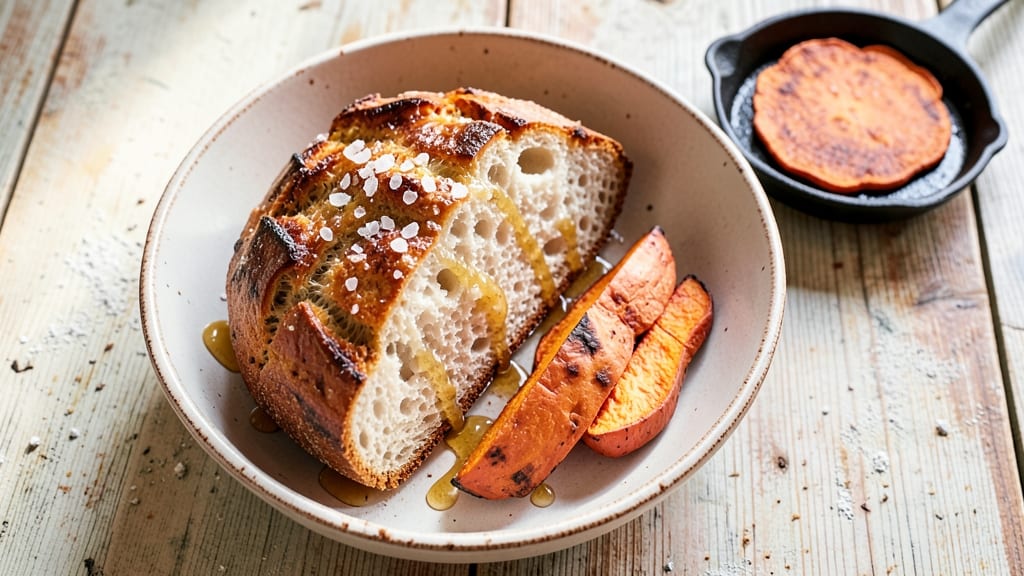
This Antigua bread recipe transforms simple ingredients into a fragrant, spiced loaf with sweet potato at its heart—a staple that brings Caribbean warmth to your table. The secret lies in toasted spices and slow fermentation, which develop deep, complex flavors that store-bought bread can't match.
I first discovered this recipe during a trip to Antigua, where it was served steaming hot alongside fish dishes, and it quickly became my go-to for special occasions.
The process begins with a dough made from flour, sweet potato, and a blend of warm spices like cinnamon, nutmeg, and allspice—each toasted to enhance their aroma before mixing.
Unlike quick breads, this recipe benefits from a slow rise, allowing the flavors to meld and the texture to become light yet substantial. The sweet potato adds natural moisture and a subtle sweetness that balances the spices perfectly.
What makes this bread truly special is its versatility—serve it fresh with butter, toasted for breakfast, or even sliced for sandwiches. The crust develops a golden-brown hue with a crisp texture, while the interior remains tender with pockets of airiness.
Each bite carries the essence of Antigua's kitchen, making it a dish that feels both comforting and celebratory.
Ready in about 2 hours with minimal active time, this bread is perfect for weekend baking projects or meal prep. The recipe yields a loaf that stays fresh for days, making it ideal for feeding a crowd or enjoying leftovers. Let's get started on creating this flavorful Caribbean classic.
Ingredients for antigua bread
Sixteen simple ingredients blend Caribbean warmth into a loaf that feeds six.
| Ingredient | Amount | Notes |
|---|---|---|
| All-Purpose Flour 🌾 | 4 cups | Unbleached preferred for texture |
| Sweet Potato 🍠 | 1 medium | Peeled and mashed |
| Granulated Sugar 🍚 | ¼ cup | Light brown preferred |
| Active Dry Yeast 🍞 | 2 ¼ tsp | One packet |
| Warm Water 💧 | 1 cup | 110°F for yeast activation |
| Unsalted Butter 🧈 | ½ cup | Cold, cubed |
| Ground Cinnamon 🌿 | 1 tsp | Toasted for depth |
| Ground Nutmeg 🌿 | ½ tsp | Freshly grated preferred |
| Ground Allspice 🌶️ | ½ tsp | Toasted for aroma |
| Salt 🧂 | 1 tsp | Fine sea salt |
| Large Eggs 🥚 | 2 whole | Room temperature |
| Milk 🥛 | ¼ cup | Whole preferred |
The flour is the foundation—King Arthur or Gold Medal work best for that light, airy texture. For the sweet potato, orange-fleshed varieties like Jewel or Beauregard have the best natural sweetness. Most grocery stores carry these, but if you're at a specialty market, ask for the freshest tubers—they should be firm and heavy for their size. The spices? Toast them in a dry pan for 30 seconds each before using—Penzeys or local spice shops carry the best quality. The yeast needs to be fresh, so check the expiration date on the packet. For the butter, Plugrá or Land O'Lakes are reliable choices, but any unsalted will do.
No allspice? Mix equal parts cinnamon, cloves, and nutmeg for a close substitute. Running short on milk? Evaporated milk or even water work in a pinch, though the texture will be slightly different. The sweet potato can be roasted ahead of time and stored in the fridge for 3 days—just make sure it's fully cooled before mashing. For the flour, if you're gluten-sensitive, substitute a 1:1 gluten-free blend, though the texture may vary slightly. The eggs should be at room temperature when mixed into the dough—cold eggs make the dough tough. If you're baking for a crowd, consider doubling the recipe—this bread keeps well for days.
The dough is best made fresh, but you can prep the sweet potato and spice mixture up to 24 hours ahead and store it in the fridge. Once baked, let the bread cool completely on a wire rack—at least 1 hour—before slicing. It stays fresh for 3-4 days at room temperature, wrapped in a clean kitchen towel. For longer storage, slice and freeze—up to 3 months—then toast straight from frozen. The crust gets crispier the longer it sits, so if you're serving it fresh, slice just before eating. This bread reheats beautifully in a 350°F oven for 5-10 minutes if you want to revive its warmth.
Why You'll Love This Recipe
- Sweet Potato Shortcut: I swear by this trick—mashed sweet potato replaces half the flour, so no extra shopping or measuring. The texture stays light, and honestly? My bread never dries out like store-bought.
- Caramelized Edge Magic: That sugar in the dough? It browns beautifully, giving you a crispy crust with a hint of sweetness. Pair it with butter, and you’ve got a bread that tastes like a dessert you didn’t plan.
- Breakfast to Dinner: Toast it for breakfast with jam, slice it for sandwiches, or even cube it into soups—this bread handles everything. I keep a loaf on hand because it’s the one thing that actually works for all meals.
- Yeast-Friendly Budget Win: Active dry yeast means no fancy starters or expensive sourdough cultures. Plus, sweet potatoes stretch your grocery budget further than regular bread dough ever could. (Yes, even on a Tuesday night.)
Step-by-step instructions for Antigua bread
This spiced sweet potato bread delivers rich flavor with a tender crumb and aromatic crust.
Prepare the Sweet Potato Base
Preheat your oven to 375°F and pierce the 1 medium sweet potato with a fork. Place it on a baking sheet and bake for 45-50 minutes until fork-tender. The skin should be slightly wrinkled, and the flesh easily pierced with a knife.
Once cooled enough to handle, peel the sweet potato and mash it thoroughly using a potato masher or fork. You want a smooth, lump-free consistency. Set aside to cool completely to room temperature—this prevents the yeast from dying when mixed later.
Activate the Yeast and Mix Wet Ingredients
In a small bowl, combine the 1 cup warm water (tested at 110°F with a thermometer) with the 2.25 t tsp active dry yeast. Let it sit for 5-10 minutes until foamy. This confirms your yeast is active and ready to work.
In a separate large bowl, whisk together the mashed sweet potato, 0.25 cup granulated sugar, 2 whole large eggs, and 0.25 cup milk until smooth. Add the yeast mixture and stir well. The batter should be thick but pourable—if it's too stiff, add 1-2 tablespoons warm water to reach proper consistency.
Combine Dry Ingredients and Form the Dough
In a medium bowl, sift together the 4 cups all-purpose flour, 1 tsp salt, 1 tsp ground cinnamon, 0.5 tsp ground nutmeg, and 0.5 tsp ground allspice. Whisk to distribute the spices evenly throughout the flour.
Gradually add the dry ingredients to the wet mixture, stirring with a wooden spoon until just combined. The dough will be thick and sticky—this is normal for Antigua bread. Fold in the 0.5 cup cold cubed unsalted butter until evenly distributed. The butter should be incorporated but still visible in small flecks throughout.
Shape and Proof the Dough
Lightly flour a clean surface and transfer the dough onto it. Gently shape the dough into a 9x5-inch loaf pan, pressing down lightly to fill the pan completely. Cover the pan with a damp towel and let rise in a warm place for 1-1.5 hours until the dough has doubled in size and springs back slowly when pressed.
Here's the thing—this dough is delicate. Don't overproof it or the bread will collapse. Look for the edges to pull away from the pan slightly and the top to feel puffy to the touch. The aroma should be sweet and spiced, signaling the yeast is working properly.
Bake to Golden Perfection
Preheat your oven to 350°F while the dough proofs. Once the dough has risen, brush the top with a bit of milk for a golden finish. Bake for 50-55 minutes until the bread reaches an internal temperature of 190°F and the top is deep golden brown.
For that perfect crust, I like to tent the loaf with foil after 25 minutes if it's browning too quickly. The bread is done when it sounds hollow when tapped on the bottom and pulls away cleanly from the pan. Let it cool in the pan for 10 minutes, then transfer to a wire rack to cool completely before slicing.
Pro Tips For Making Antigua Bread
- Boil Sweet Potatoes Longer: I learned this the hard way—undercooked sweet potatoes make the dough dense and gummy. Simmer them until they’re fork-tender (about 15-20 minutes), then mash them thoroughly until smooth. No lumps, no excuses.
- Proof Yeast in Sugar Water: Skip mixing yeast with flour first—it’s a waste. Instead, dissolve the sugar in warm water (110°F), sprinkle yeast on top, and let it foam for 5-10 minutes. This ensures the yeast wakes up fully before meeting the flour, so your bread rises faster.
- Don’t Overmix the Dough: Antigua bread dough is delicate. Mix just until combined—overworking it makes the bread tough. Use a wooden spoon or your hands to gently fold in the sweet potato mash; stop when it clings together loosely. No need to knead like pizza dough.
- Bake Until Golden, Not Just Set: This bread’s crust is the star. Bake until it’s deep golden brown, not just pale. If yours looks dull, cover loosely with foil for 5 minutes, then uncover to finish—it’ll brown faster without burning. (Yes, even if you’re impatient like me.)
Storing and reheating your leftovers
Room-Temp Storage
This bread stays fresh for 3-4 days at room temperature when wrapped in a clean kitchen towel or stored in an airtight container. The towel method preserves moisture better than plastic—just let the bread cool completely first.
I place it on a wire rack to cool, then wrap it loosely to allow airflow while keeping out dust. The crust will crisp up beautifully over time, making it perfect for slicing and toasting later. 🌾
Fridge Preservation
For longer storage, transfer fully cooled slices to an airtight container or resealable freezer bag. The bread keeps well in the fridge for up to 5 days, though the texture becomes slightly denser.
To revive, warm slices in a 350°F oven for 5-7 minutes—this restores that fresh-baked aroma. I always portion individual slices before refrigerating for easy grab-and-go breakfasts. ✨
Freezer-Friendly Slices
Slice the bread before freezing for maximum convenience. Wrap each slice tightly in parchment paper, then store in a freezer bag with all air removed. These freeze for up to 3 months—just toast straight from frozen in a toaster or oven.
The sweet potato flavor intensifies slightly after freezing, making it even more comforting. For whole loaves, wrap tightly in plastic wrap followed by foil before freezing, then thaw overnight at room temperature. 🧊
Reviving Stale Bread
If your bread loses its freshness, don't toss it! Pop slices in a 375°F oven for 8-10 minutes with a splash of water sprayed on top. The steam helps restore moisture while the heat crisps the crust.
For extra flavor, brush with melted butter before reheating. This trick works especially well for breakfast sandwiches or toast. The spices in this bread actually taste more vibrant when revived this way. 💡
Spice Blend Tips
The toasted spices are key to this bread's flavor profile. If you've stored the bread and the spices seem muted, try lightly toasting them again in a dry pan for 20 seconds before using. The warmth of the spices enhances their aroma when reheated.
For extra richness, add a pinch of cinnamon or nutmeg to your butter before brushing on toasted slices. This simple step makes reheated bread taste almost as good as fresh. 🌶️
Meal Prep Strategy
Bake two loaves at once and store one in the freezer for future use. I like to label my freezer bags with the date to track freshness. For meal prep, slice and freeze individual portions—perfect for quick breakfasts or lunches.
The sweet potato base makes this bread naturally moist, so it reheats beautifully without drying out. This strategy saves time and ensures you always have fresh-tasting bread on hand. 📅
Nutrition facts
Frequently asked questions about Antigua bread
Can I make this bread without sweet potato?
The sweet potato adds natural moisture and subtle sweetness that balances the spices beautifully. For a substitute, try 1 cup mashed pumpkin or 1 cup unsweetened applesauce. The texture will be slightly different but still delicious. If you omit it entirely, add 1 extra tablespoon sugar to compensate for the lost sweetness.
Why does my dough smell so strong?
The toasted spices and sweet potato create a rich aroma during proofing—this is normal! The yeast also releases carbon dioxide, which enhances the spicy scent. If the smell seems too sharp, your oven may be too warm or the dough overproofed. Keep proofing in a 75°F environment for optimal flavor development.
How do I know when the bread is fully baked?
Your bread is done when it reaches an internal temperature of 190°F and pulls away cleanly from the pan edges. Tap the bottom—it should sound hollow. The crust should be deep golden brown, not pale. If unsure, check at 45 minutes to avoid overbaking.
Can I use this bread for sandwiches?
The tender crumb and lightly sweet flavor make it perfect for sandwiches. Toast slices lightly before assembling to prevent sogginess. It pairs especially well with ham, cheese, or smoked fish—classic Antigua-style combos. The spices add warmth that complements savory fillings beautifully.
What if my bread collapses after baking?
This usually happens from overproofing or opening the oven too soon. Next time, proof until the dough just doubles (about 1 hour) and avoid peeking during baking. If it collapses slightly, brush with melted butter and serve as-is—the flavor won't be affected. For future attempts, try a slightly cooler oven (325°F) for a longer bake.