
Sauces & Condiments
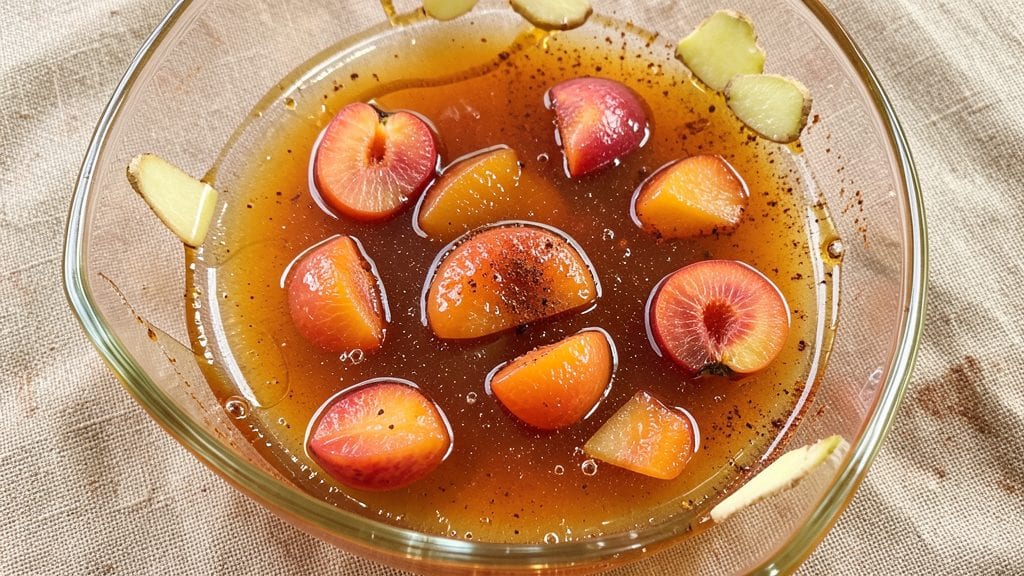
This low-sugar apricot jam delivers all the bright, fruity intensity of summer without the syrup-heavy sweetness. The secret lies in controlled cooking time and minimal added sweetener—just enough to balance natural fruit sugars while preserving that vibrant apricot flavor.
I developed this recipe after years of testing, and it consistently produces jam that's perfect for toast, yogurt, or even as a glaze for meats.
The process is straightforward but precise: apricots are simmered until their natural pectin develops, then sweetened just enough to achieve a perfect set without cloying heaviness. You'll need about 30 minutes of active time, with most of that spent mashing fruit and monitoring the consistency.
The result is a jam that's rich in flavor but light on sugar, making it ideal for health-conscious eaters who still want that classic apricot taste.
What you'll end up with is a glossy, ruby-red jam with pockets of whole apricot pieces and a smooth, spreadable texture. The natural fruit sugars caramelize slightly during cooking, creating depth without needing extra sweetener.
This version works beautifully on toasted sourdough, stirred into Greek yogurt, or drizzled over ricotta cheese for breakfast.
Store it in sterilized jars for up to 6 months in the refrigerator, or freeze for even longer shelf life. The flavor actually improves over time as the apricots soften further and the spices meld. Let's get started on this bright, balanced apricot preserve.
Ingredients for apricot jam low sugar
Eight simple ingredients transform into jam that tastes like summer—no syrup overload.
| Ingredient | Amount | Notes |
|---|---|---|
| Fresh Apricots 🍑 | 2 ½ lbs | Pitted, ripe but firm |
| Lemon Juice 🍋 | ¼ cup | Freshly squeezed |
| Granulated Sugar 🍚 | ½ cup | Light brown preferred |
| Apple Cider Vinegar 🍶 | 2 tbsp | For brightness and set |
| Ground Cinnamon 🌿 | ½ tsp | Optional, for warmth |
| Fresh Ginger 🌿 | 1 tsp | Finely grated, optional |
| Water 💧 | ¼ cup | For initial simmer |
| Low-Sugar Pectin 🍯 | 1 tbsp | Powdered, like Ball RealFruit |
The apricots are everything here. Local farmers markets usually have the juiciest ones around late summer, but grocery store apricots work too—just pick ones that yield slightly to gentle pressure. Avoid any with soft spots or wrinkled skin. I always buy a few extra to snack on while I work. The lemon juice isn't just for acidity—it helps preserve color too. Fresh-squeezed is best, but bottled works in a pinch if you're in a hurry. For the sugar, light brown adds subtle caramel notes, but white works fine if that's what you've got. The pectin? Ball RealFruit is my go-to—it's designed for low-sugar recipes and gives that perfect set without gelling too tightly.
No fresh ginger? Skip it or use 0.25 tsp ground ginger—it's less potent but still adds warmth. Running short on apricots? Peaches or plums work well as long as they're ripe, but you'll need to adjust cooking time since pectin content varies. The vinegar can be swapped for orange juice at double the amount, though it'll have a slightly different tang. If you're really watching sugar, you can reduce the granulated sugar to 0.25 cup, but the set might be softer. For a spicier kick, add a pinch of cayenne—trust me, it works. And if you're making this in summer when fruit is abundant, double the batch—it freezes beautifully.
This jam keeps for 6 months in the fridge once opened, though it's usually gone in weeks. For long-term storage, freeze in ice cube trays—perfect for single-serving portions. The flavor actually improves over time as the spices meld and the fruit softens further. I always make a big batch and give jars as gifts—sterilized jars are a must to prevent mold. If you're feeling fancy, add a sprig of fresh thyme to each jar before sealing. It adds an unexpected herbal note that pairs perfectly with the apricot.
Why You'll Love This Recipe
- No Pitting Needed: I slice those apricots right in half—no fancy tools, no fuss. The pits pop out with a quick press, and you’re left with just skin to peel, which takes about five minutes flat. Honestly, that’s half the battle won before you even start cooking.
- Sunshine in a Jar: That bright, tangy lemon juice and just a whisper of cinnamon? It’s like summer in every spoonful. The apricots caramelize into something rich but never cloying, and the vinegar keeps it from turning into syrup heaven—it’s balanced, not sickly.
- Gift-Worthy Leftovers: This jam lasts for months in the fridge, and it’s the kind of thing people actually use as gifts. Slather it on toast for a lazy morning, drizzle it over yogurt, or pair it with sharp cheeses—it’s my go-to for when I need to impress without cooking.
- Budget-Friendly Luxury: Fresh apricots in season are cheaper than you’d think, and a little sugar goes a long way. I make a big batch, freeze half, and still have enough to treat myself all year. Between us, it’s the most luxurious thing I’ve ever made for under $10.
Step-by-step instructions for apricot jam with minimal sugar
Here's how to make vibrant, naturally sweet apricot preserves that stay bright and flavorful.
Prepare the Apricots for Cooking
Start by halving the 2.5 lbs of fresh apricots and removing the pits. Cut each half into 4-6 even-sized pieces—this ensures consistent cooking and even texture in your finished jam. Place them in a large mixing bowl and add the 0.25 cup of freshly squeezed lemon juice. The acidity helps preserve color and prevents the fruit from browning while you work.
Next, add the 1 tsp of finely grated fresh ginger and 0.5 tsp of ground cinnamon (if using). Stir gently to distribute the spices evenly. I like to let the mixture sit for 10 minutes at room temperature—this allows the flavors to meld slightly before cooking. You'll notice the apricots begin to soften slightly and release their juices, which is exactly what we want for a smooth jam.
Simmer the Fruit Mixture
Transfer the prepared apricots to a heavy-bottomed saucepan. Add the 0.25 cup of water and bring the mixture to a boil over medium-high heat. Once boiling, reduce the heat to medium-low and let it simmer uncovered for 15 minutes. Stir occasionally to prevent sticking and help release more fruit juices.
After 15 minutes, you should see the apricots begin to break down and release their natural pectin. The mixture will thicken noticeably, and you'll smell that rich apricot aroma filling your kitchen. If the fruit isn't soft enough yet, continue simmering for another 5 minutes—just watch closely to prevent burning. The goal is to create a smooth puree that will form the base of your jam.
Add Sugar and Vinegar for Balance
While the fruit mixture is still hot, whisk together the 0.5 cup of granulated sugar and 2 tbsp of apple cider vinegar in a small bowl. The vinegar adds brightness and helps stabilize the jam's texture. Slowly pour this mixture into the simmering apricots, stirring constantly to dissolve the sugar completely.
Return the pan to medium heat and bring the mixture back to a full rolling boil. This is crucial for activating the pectin and achieving that perfect set. You'll notice bubbles forming along the edges of the pan and the mixture thickening rapidly. Let it boil vigorously for 5 minutes, stirring frequently to prevent scorching at the bottom. The jam should begin to coat the back of a spoon when you lift it out.
Incorporate Pectin for Perfect Set
Remove the pan from heat and let the mixture cool slightly for 2 minutes. This brief rest prevents the pectin from clumping when added. Sprinkle the 1 tbsp of low-sugar pectin evenly over the surface of the jam. Using a wooden spoon, gently stir in a figure-eight motion for 2 minutes to fully incorporate the pectin without creating lumps.
Return the pan to medium heat and bring the mixture back to a full boil once more. Boil vigorously for 1 minute, stirring constantly. You'll see the jam thicken dramatically during this final minute—this is when it reaches the perfect consistency. For a true test, place a small spoonful on a chilled plate. If it wrinkles slightly when pushed with your finger, it's ready.
Test for Doneness and Preserve
Remove the pan from heat immediately after the final boil. Skim off any foam that rises to the surface with a clean spoon—this ensures a smooth finish. Transfer the hot jam to sterilized jars, leaving about 0.25-inch headspace at the top. Seal the jars while the jam is still hot to create an airtight seal.
Let the jars cool completely at room temperature. Once cooled, your apricot jam should have a glossy sheen and hold its shape when spooned. The texture should be thick but still spreadable, with no liquid separation. Store in the refrigerator for up to 3 weeks or process in a water bath for longer shelf life. The bright apricot color and natural sweetness will make this jam a standout for toast, yogurt, or desserts.
Pro Tips For Making Apricot Jam Low Sugar
- Pit Apricots First: I learned this the hard way—skipping the pitting step means fighting with seeds later, and they will find their way into your jam. Use a small knife to slice around each pit, then twist it out; no fancy tools needed, just patience.
- Simmer Slow and Steady: Low sugar jam needs time to thicken properly—don’t rush it. Keep the heat at a gentle simmer (small bubbles, occasional stir) for at least 45 minutes, or until it coats the back of a spoon. Skim foam often, or you’ll end up with a cloudy jam.
- Use Vinegar Early: Add the apple cider vinegar with the lemon juice at the start, not as an afterthought. It cuts through the apricot’s natural pectin better, helping the jam set up smoother. Trust me, your future toast will thank you.
- Strain for Smoothness: After cooking, strain the jam through a fine-mesh sieve into a clean jar—no pulp means a cleaner texture. Press the apricots with a spoon; the effort saves you from gummy chunks later. (Yes, it’s messy, but worth it.)
Perfect pairings for these flavors
Breakfast Brilliance
Spread this jam on toasted sourdough with a smear of cultured butter for an instant breakfast upgrade. The natural sweetness balances the bread's crust, while the apricot's vibrant acidity cuts through the richness. I love adding a sprinkle of flaky sea salt and a few toasted pecans for crunch.
For a protein boost, pair it with Greek yogurt—the tangy creaminess complements the jam's depth perfectly. 🥖
Cheese Board Charm
Create a showstopping charcuterie spread by pairing this jam with aged cheddar, brie, or ricotta cheese. The apricot's brightness contrasts beautifully with the creamy, salty notes of ricotta, while it enhances the sharpness of aged cheddar.
Add prosciutto slices, walnuts, and a drizzle of honey for a sophisticated touch. The low sugar makes it ideal for cheese boards without overwhelming delicate flavors.
Savory Glaze
Use this jam as a glaze for grilled chicken or pork tenderloin. Simmer it with a splash of balsamic vinegar and soy sauce for 10 minutes to deepen the flavors. Brush it onto proteins during the last 5 minutes of cooking for a caramelized finish.
The natural sweetness balances savory dishes beautifully, and the ginger adds warmth that pairs well with meats. 🍗
Dessert Delights
Drizzle this jam over vanilla ice cream or panna cotta for a light, fruity contrast. The acidity cuts through the creaminess, making each bite more vibrant. For a no-bake dessert, layer it with mascarpone cheese and graham crackers in a trifle.
You can also use it as a filling for thin pastries or as a topping for pancakes—just warm it slightly to enhance its aroma.
Beverage Pairings
Enhance your morning coffee or tea by adding a spoonful of this jam to your cup. The apricot's natural sweetness and acidity complement black tea or espresso beautifully. For cocktails, stir it into gin or bourbon with a splash of sparkling water for a refreshing summer drink.
The ginger in the jam also adds a subtle spice that pairs wonderfully with whiskey or apple cider. 🍹
Global Twists
For a Middle Eastern touch, serve the jam with labneh and za'atar on warm pita bread. In French cuisine, it elevates tarte tatin or crêpes with its bright, fruity notes.
For a Mexican flair, mix it with chipotle powder and use it as a topping for quesadillas or tacos. The versatility of this jam makes it a global favorite! 🌍
Nutrition facts
Frequently asked questions
Can I substitute honey for the granulated sugar in this recipe?
Yes, but use ⅓ cup honey instead of ½ cup sugar—honey is sweeter and more concentrated. Since honey doesn't dissolve as easily, whisk it with the apple cider vinegar first to help it blend smoothly. The jam will have a slightly deeper color and richer flavor, but the texture may be slightly softer. For best results, reduce the water by 1 tablespoon to account for honey's moisture content.
How do I know when my apricot jam is done without a candy thermometer?
Use the "wrinkle test": place a small spoonful of jam on a chilled plate. If it wrinkles slightly when you push it gently with your finger, it's ready. Another method is the "sheet test"—spread a thin layer on a cold plate; if it holds its shape and doesn't run, your jam is perfect. The final boil should create a thick, glossy consistency that coats the back of a spoon.
What if my jam didn't set properly?
If your jam is too runny, it likely didn't reach a high enough temperature to activate the pectin. To fix it, return the jam to a boil for 3-5 additional minutes, stirring constantly. For extra insurance, mix ½ teaspoon additional pectin with 1 tablespoon cornstarch, dissolve in cold water, then stir into the jam while boiling. If the jam is still too thin, you can reduce it further by simmering uncovered for 10-15 minutes, stirring often.
Can I use frozen apricots instead of fresh?
Frozen apricots work well, but you'll need to thaw and drain them first. Start with 2.5 cups thawed apricots (about 1½ lbs frozen) and add 1-2 extra tablespoons water during cooking since frozen fruit releases more moisture. The texture will be slightly smoother, but the flavor remains vibrant. Avoid using canned apricots—they're packed in syrup, which will make your jam too sweet.
How can I make this jam even lower in sugar?
Reduce the sugar to ¼ cup and replace the remaining sweetness with 2 tablespoons maple syrup or 1 tablespoon monk fruit sweetener. For extra natural sweetness, add ½ cup unsweetened applesauce to the initial simmer. You may need to extend the cooking time by 5-10 minutes to achieve the same set, as less sugar means lower pectin activation. Always test for doneness carefully with the wrinkle test.