
Sauces & Condiments
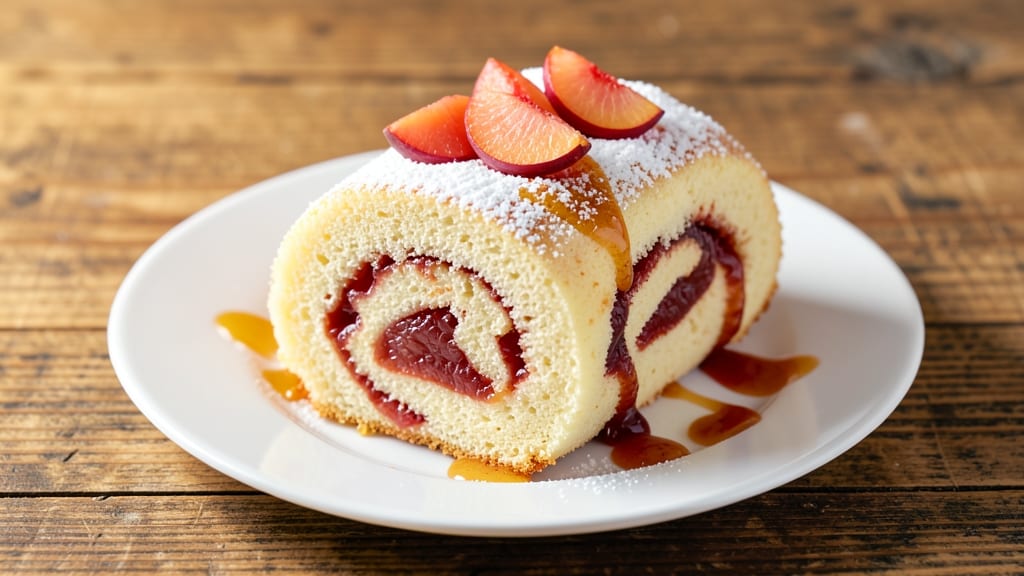
Creating an apricot jam Swiss roll transforms a simple sponge cake into a showstopping dessert with layers of buttery crust and jam-soaked sweetness. This recipe delivers a professional-quality result with precise techniques that ensure a tender base, perfectly rolled layers, and a filling that stays moist without sogginess.
The key lies in baking the sponge just until golden, spreading the jam evenly, and rolling while still warm for that signature tight spiral.
What sets this recipe apart is the balance of textures—light, airy sponge contrasts beautifully with the jam’s fruity intensity, while a dusting of powdered sugar adds an elegant finish.
You’ll need basic baking tools and about 45 minutes of active time, including cooling periods that allow the jam to set properly. The sponge comes together with a simple batter, and the apricot jam filling can be homemade or store-bought for convenience.
By the time you slice into this dessert, you’ll uncover layers of buttery sponge saturated with apricot jam, creating a harmonious blend of textures and flavors.
The result is a dessert that feels indulgent yet refined, perfect for special occasions or when you want to impress without spending hours in the kitchen. This method ensures a clean roll every time, with no cracks or uneven layers.
For added flair, serve with a dollop of whipped cream or a sprinkle of toasted almonds—though the Swiss roll shines beautifully on its own. The recipe scales easily for gatherings, and leftovers keep well for up to 3 days when stored properly. Let’s get baking!
Ingredients for apricot jam swiss roll
Buttery sponge meets jam-soaked sweetness in this elegant dessert. Twelve ingredients, professional results.
| Ingredient | Amount | Notes |
|---|---|---|
| All-Purpose Flour 🌾 | 2 ½ cups | Sifted for light texture |
| Unsalted Butter 🧈 | 1 cup | Cold, cubed for proper creaming |
| Granulated Sugar 🍚 | 1 ½ cups | Superfine preferred for smoothness |
| Large Eggs 🥚 | 5 whole | Room temperature for even baking |
| Apricot Jam 🍑 | 1 ½ cups | High-quality, seedless preferred |
| Powdered Sugar 🍚 | 1 cup | For dusting and filling |
| Vanilla Extract 🌿 | 1 tbsp | Pure, high-quality extract |
| Baking Powder 🧂 | 1 ½ tsp | Aluminum-free for best results |
| Salt 🧂 | ½ tsp | Fine sea salt preferred |
| Lemon Zest 🍋 | 1 tbsp | Fresh, finely grated |
| Whipped Cream 🥛 | 1 ½ cups | Stable, for optional garnish |
| Toasted Almonds 🌰 | ¼ cup | Sliced, for garnish (optional) |
| Vegetable Oil 🫒 | ½ cup | For greasing the pan |
| Parchment Paper 📄 | 1 sheet | For easy rolling and transfer |
The flour and butter form the foundation—King Arthur or Gold Medal flour yields the lightest texture, while European-style butter (like Plugrá) adds richness. If you can't find superfine sugar, pulse regular granulated sugar in a food processor for 30 seconds. The eggs must be room temperature—cold eggs cause cracks in the sponge. For the jam, Bon Appétit or Smucker’s brands deliver consistent quality, but homemade jam works beautifully if you have it. The lemon zest brightens the flavor without overpowering the apricot.
No vanilla extract? Almond extract at half the amount works, though the flavor will differ. Short on powdered sugar? Confectioners' sugar is the same thing—just make sure it's clump-free. The whipped cream can be store-bought (like Reddi-wip), but homemade with heavy cream and powdered sugar is far superior. For a nut-free option, skip the almonds and add crushed pistachios instead. If your jam is too runny, mix in 1 tsp cornstarch to thicken it slightly before spreading. The baking powder must be fresh—if it's over a year old, the sponge won't rise properly.
Store the Swiss roll in an airtight container at room temperature for up to 3 days, separated by parchment paper to prevent sticking. For longer storage, freeze the uncut roll for up to 3 months—thaw at room temperature before slicing. The whipped cream should be added fresh before serving, as it can turn grainy if stored with the roll. To reheat slices, warm in a 350°F oven for 5-10 minutes to restore the jam’s moisture. This dessert keeps best when refrigerated, but bring it to room temperature before serving for optimal texture.
Why You'll Love This Recipe
- You’re already using basics: flour, butter, sugar, eggs. No specialty ingredients, no last-minute grocery runs. And if you make a double batch? The leftovers freeze like a champ—just reheat slices in the oven for that fresh-from-the-kitchen taste.
- No-Rolling Required: I swear by this trick—just spread the jam before rolling, so the dough does all the work. No wrestling with sticky layers or perfecting the fold; the butter and sugar in the dough stay soft enough to bend like a dream.
- Jam-Packed Sweetness: That apricot jam isn’t just filling—it’s the star. The warm, fruity burst cuts through the buttery sponge, and the sugar in the dough caramelizes just enough when baked. Honestly, the first bite makes me question why I ever bought store-bought rolls.
- Picnic or Party Ready: Slice it, stack it, or serve whole—this holds up everywhere. Pack it for a lunchbox (the jam stays put), bring it to a potluck (no one will guess it’s homemade), or save slices for breakfast the next day. The butter keeps it rich, so it never feels dry.
Step-by-step instructions for apricot jam Swiss roll
This method delivers a perfectly rolled cake with tender layers and a luscious apricot filling every time.
Prepare the Cake Batter for Light Layers
In a stand mixer fitted with the paddle attachment, combine the 1 cup unsalted butter and 1.5 cups granulated sugar. Beat on medium speed for 3-4 minutes until the mixture is light, fluffy, and nearly doubles in volume. This creaming process incorporates air, which is essential for the cake's tender texture.
Add the 5 whole large eggs, one at a time, mixing just until each is fully incorporated. Scrape down the sides of the bowl as needed. Then add the 1 tablespoon vanilla extract and 1 tablespoon lemon zest, mixing for 30 seconds to combine. The lemon zest adds a bright contrast to the apricot jam, balancing the sweetness beautifully.
In a separate bowl, whisk together the 2.5 cups all-purpose flour, 1.5 teaspoons baking powder, and 0.5 teaspoon salt. Gradually add the dry ingredients to the wet mixture, mixing on low speed just until combined. Avoid overmixing—you should still see small streaks of flour. The batter should be smooth and slightly thick, like a well-tempered cake batter.
Bake the Cake to Perfectly Even Layers
Preheat your oven to 350°F and line a 10x15-inch jelly roll pan with the 1 sheet parchment paper. Lightly grease the parchment with 0.5 cup vegetable oil to prevent sticking. Pour the batter evenly into the prepared pan and smooth the top with a spatula.
Bake for 12-15 minutes, or until the edges are lightly golden and a toothpick inserted into the center comes out clean. The cake should spring back when gently pressed in the center—this ensures it's fully baked but still tender. Remove from the oven immediately and turn the cake onto a clean kitchen towel dusted with 1 cup powdered sugar. This step is critical for rolling later.
Spread the Apricot Jam Filling
While the cake is still warm, spread the 1.5 cups apricot jam evenly over the surface using an offset spatula. Leave a ½-inch border around the edges to prevent filling from oozing out when rolled. The jam should be spread smoothly but not pressed too firmly—you want it to stay put when you roll the cake.
Here's the thing—don't rush this step. If the cake cools completely before rolling, the jam will leak out when you try to wrap it. Work quickly but carefully to maintain that even layer. The apricot jam's natural pectin helps bind the layers, creating a cohesive roll that holds together beautifully.
Roll and Chill for Clean Slices
Starting from the long side closest to you, tightly roll the cake into a log using the towel. This helps create even tension and prevents cracking. Once rolled, transfer the cake to a wire rack and let it cool completely at room temperature for 30 minutes. This step is essential for setting the jam and ensuring clean slices later.
After cooling, wrap the rolled cake in plastic wrap and refrigerate for at least 2 hours (or up to 24 hours). Chilling firms up the jam and makes the cake easier to slice. When ready to serve, dust the top with additional powdered sugar and garnish with 0.25 cup toasted almonds for texture and visual appeal.
Serve with Whipped Cream for the Ultimate Experience
Slice the chilled cake into 6 equal pieces using a sharp serrated knife. Dip the knife in hot water and wipe dry between slices for clean cuts. Serve each piece with a dollop of 1.5 cups whipped cream on the side. The contrast between the buttery cake, sweet apricot filling, and light whipped cream creates a perfect balance of textures and flavors.
For an extra touch, sprinkle additional toasted almonds on top of the whipped cream. This not only adds crunch but also enhances the presentation. The cake keeps well in the refrigerator for 3 days and can be frozen for up to 1 month—just thaw at room temperature before serving.
Pro Tips For Making Apricot Jam Swiss Roll
- Chill the Dough Properly: After rolling out the sponge, wrap it tightly in plastic and refrigerate for at least 30 minutes—no, not just 10. Cold dough rolls out smoother and bakes more evenly, which means fewer cracks when you spread the jam later. I used to skip this, and the sponge always fought me.
- Use Room-Temp Butter: Take your butter out of the fridge 1–2 hours before starting. Cold butter creates tough layers, and you’ll end up with a dense sponge instead of that light, flaky texture you’re after. If you’re in a rush, microwave it in 10-second bursts until pliable—just don’t melt it.
- Spread Jam Sparingly: Less is more here. A thin, even layer of apricot jam (about 2–3 tablespoons) prevents sogginess and keeps the roll from falling apart when you slice it. I learned this after my first attempt turned into a sticky mess—now I use a spoon to spread it like frosting, not a flood.
- Roll Tight, Not Perfect: Don’t stress about a flawless roll—focus on tight, even pressure as you wrap the sponge around the jam. A slightly uneven roll is better than one that unravels later. Use a damp kitchen towel to help it stick if needed, and resist the urge to pull too hard on the ends.
Regional styles of this dish
French Classic
The French version of the apricot jam Swiss roll replaces the lemon zest with a touch of orange blossom water (about ½ teaspoon) for a floral note that complements the apricot beautifully. I use Maille brand jam for its rich, slightly tart profile.
The key difference is baking the sponge at 375°F for just 10 minutes—this creates a thinner, more delicate layer that’s easier to roll. Serve with a dusting of icing sugar and a drizzle of orange liqueur for an authentic touch. 🍊
Italian Twist
In Italy, this dessert often incorporates mascarpone cream instead of whipped cream. Replace the apricot jam with peach jam (or a mix of both) and fold ½ cup mascarpone into the filling before spreading.
The Italian version also calls for a sprinkle of ground pistachios on top, adding a nutty crunch. I’ve seen this styled as a "Swiss-Italian roll" in bakeries—it’s a crowd-pleaser for those who love creamy textures. 🌰
German Buttercream
German bakers often add a layer of buttercream between the sponge and jam for extra richness. Spread a thin layer of Swiss meringue buttercream (about ½ cup) on the baked sponge before adding the apricot jam.
This version uses apricot preserves instead of jam for a smoother texture, and the roll is typically dusted with powdered sugar and garnished with chopped almonds. The buttercream adds a velvety contrast to the jam’s fruitiness. 🥛
Japanese Matcha Fusion
For a modern twist, Japanese bakers infuse the sponge with matcha powder (about 1 teaspoon) and use red bean paste instead of apricot jam. The matcha adds an earthy depth that pairs surprisingly well with the sweetness.
Roll the cake as usual, then dust with matcha powder before slicing. Serve with a side of white chocolate ganache for a fusion dessert that’s both elegant and unexpected. 🍵
British Victoria Sponge
The British version often skips the rolling entirely and serves the cake as a Victoria sponge—two layers of sponge with jam and cream in between. Use the same apricot jam filling but spread it between two baked sponges (halving the batter recipe).
Top with clotted cream or whipped cream and fresh berries. This style is perfect for afternoon tea and feels more rustic than the classic Swiss roll. 🍓
Modern Vegan Adaptation
For a vegan-friendly version, replace the butter with coconut oil and eggs with flax eggs (1 tbsp ground flaxseed + 3 tbsp water per egg). Use vegan apricot jam (like Bonita brand) and ensure the powdered sugar is also vegan.
The rolling technique remains the same, but the sponge will be slightly denser. Garnish with coconut whipped cream and toasted coconut flakes for a tropical twist. 🌱
Nutrition facts
Frequently asked questions
Can I use store-bought apricot jam instead of homemade?
High-quality store-bought jam works perfectly—just choose a seedless variety with a thick, spreadable consistency. Brands like Smucker's or Bon Appétit jam are excellent choices. For extra richness, heat the jam gently for 1-2 minutes to soften it before spreading, ensuring it stays put when rolling.
Why is my Swiss roll cracking when I try to roll it?
Cracking usually happens if the cake cools too much before rolling or if the jam is too runny. Spread the jam only when the cake is warm but not hot, and leave a ½-inch border around the edges. Roll the cake tightly while still warm, using the kitchen towel to help guide it. Chill for at least 2 hours before slicing to prevent cracks when cutting.
How do I make this recipe gluten-free?
Replace the all-purpose flour with a 1:1 gluten-free baking flour blend (like Bob's Red Mill or King Arthur). Use xanthan gum if your blend doesn’t include it, and ensure your apricot jam is also gluten-free. The rolling technique remains the same, but gluten-free sponges can be slightly more delicate—work quickly to avoid cracks.
Can I make this ahead of time?
Yes! Assemble the Swiss roll up to 24 hours ahead and store it wrapped tightly in plastic in the refrigerator. For best texture, bring it to room temperature before serving. If freezing, wrap the uncut roll in plastic and foil, then thaw overnight in the fridge. Reheat slices briefly in a 350°F oven for 5-10 minutes to restore moisture.
What’s the best way to slice the Swiss roll without it falling apart?
Use a sharp serrated knife and dip it in hot water, then wipe dry between slices. Cut against the grain of the roll, and slice slowly for clean edges. For extra stability, chill the roll for 2-3 hours before slicing. Serve immediately or store slices in an airtight container with parchment paper between layers.