
Side Dishes
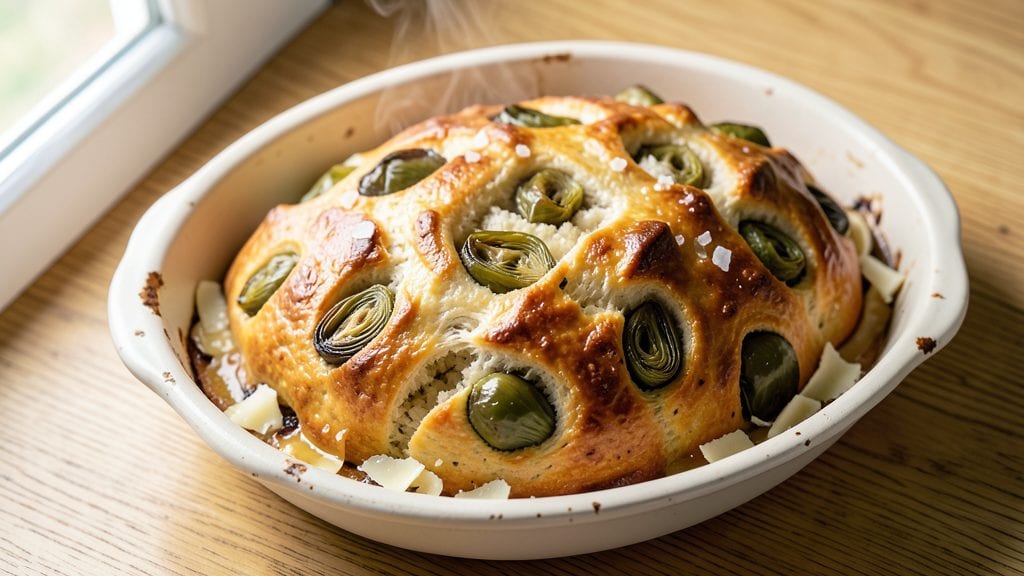
Transforming simple bread dough into an artichoke bread loaf with a herb-infused crust and tender hearts is where everyday baking meets gourmet technique. This recipe combines the earthy richness of artichokes with fragrant herbs, creating a side dish that stands out at any table.
The secret lies in properly incorporating the artichoke hearts into the dough without compromising texture—something I perfected after years of trial and error.
What makes this loaf special is its foolproof method that ensures a crispy, golden crust while keeping the interior moist and flavorful. You'll need just 15 minutes of active prep time followed by a 30-minute bake, making it perfect for weeknight dinners or holiday gatherings.
The herb-infused crust adds an aromatic layer that complements the tender artichoke filling beautifully.
The result is a loaf with a crispy exterior that gives way to a soft, herby interior filled with tender artichoke hearts. Each slice reveals layers of flavor—earthy, savory, and slightly sweet—that make this more than just a side dish.
This recipe delivers restaurant-quality results with minimal effort, proving that even simple bread dough can become extraordinary.
Whether you serve it warm alongside roasted meats or as a centerpiece for vegetarian meals, this artichoke bread loaf brings something special to the table. The versatility of the recipe allows for endless variations, from adding garlic to experimenting with different herbs.
Let's get started on creating this tender, flavorful masterpiece.
Ingredients for artichoke bread loaf
Earthy artichokes meet fragrant herbs in this gourmet bread loaf with a crispy crust and tender interior.
| Ingredient | Amount | Notes |
|---|---|---|
| All-Purpose Flour 🌾 | 4 cups | Unbleached preferred for texture |
| Active Dry Yeast 🍞 | 2 ¼ tsp | Ensure freshness with expiration date check |
| Granulated Sugar 🍚 | 1 tbsp | For yeast activation |
| Warm Water 💧 | 1 ¼ cups | 110°F for optimal yeast activation |
| Unsalted Butter 🧈 | ½ cup | Cold, cubed for even distribution |
| Marinated Artichoke Hearts 🌱 | 1 cup | Drained, chopped into small pieces |
| Fresh Rosemary 🌿 | ¼ cup | Finely chopped, stems removed |
| Fresh Thyme 🌿 | ¼ cup | Leaves only, finely chopped |
| Garlic Cloves 🧄 | 4 cloves | Minced for herb-infused crust |
| Diamond Crystal Kosher Salt 🧂 | 1 ½ tsp | Adjust to taste |
| Extra-Virgin Olive Oil 🫒 | ¼ cup | For dough and crust brushing |
| Egg 🥚 | 1 whole | Room temperature for binding |
| Coarse Sea Salt 🧂 | ½ tsp | For final crust sprinkle |
| Sesame Seeds 🌰 | 1 tbsp | Optional for decorative finish |
The quality of your artichoke hearts makes all the difference. Marinated hearts from a trusted brand like Goya or Mutti provide the best texture and flavor profile—avoid those in water, as they lack depth. Fresh rosemary and thyme should be vibrant green with a strong aroma; Whole Foods or local farmers' markets offer the freshest selections. For the yeast, always check the expiration date—old yeast produces weak dough. The flour should be sifted before measuring to ensure even distribution of ingredients throughout the loaf. King Arthur or Gold Medal are reliable choices for consistent results.
No fresh herbs? Dried rosemary and thyme work at one-third the amount, but the flavor will be less pronounced. Substituting canned artichoke hearts is acceptable, but drain them thoroughly and pat dry to prevent a soggy loaf. For a richer dough, consider adding 1/4 cup sour cream instead of water, though this will slightly alter the texture. The olive oil should be extra-virgin for optimal flavor infusion into the crust. If you're short on time, pre-minced garlic from a jar works, though freshly minced adds more depth. Always use room-temperature eggs to ensure proper binding during mixing.
This loaf keeps beautifully at room temperature for 2 days wrapped in a clean kitchen towel, or in the refrigerator for up to 5 days. For longer storage, freeze the fully baked loaf for up to 3 months—wrap tightly in plastic wrap followed by aluminum foil. Reheat slices in a 350°F oven for 5-7 minutes to restore crispiness. The herb-infused crust benefits from being brushed with extra olive oil before baking, which enhances the aromatic qualities. Portion into individual slices for easy serving, and consider wrapping each slice in parchment paper to maintain freshness during transport.
Why You'll Love This Recipe
- No-Knead Magic: I swear by this dough—just mix, let it rise, and forget it. The yeast does all the work while you sip coffee or scroll through your phone. Honestly, I’ve made it on lazy Sundays when I couldn’t be bothered to roll out pizza dough, and it still turned out golden and tender.
- Buttery Artichoke Dream: That first bite? Rich, herby, and packed with briny artichoke chunks—like a hug in bread form. The butter keeps it moist while the sugar caramelizes just enough to make it irresistible. (Yes, even on a Tuesday night.)
- Leftovers That Beg for More: Slice it thick, toast it up, and watch it disappear. I’ve reheated slices in the oven for days, and they’re always better the second time around. Between us, it’s the kind of bread that makes you question why you ever bought store-bought.
- Pantry Staple Powerhouse: Flour, yeast, butter—ingredients you already own. No fancy marinated olives or specialty flours here. I’ll be real: it’s my go-to when I’m low on groceries but still want something impressive. Plus, a single loaf stretches to feed a crowd or lasts me a week.
Step-by-step instructions for artichoke bread loaf
This method delivers a perfectly balanced loaf with a fragrant herb-infused crust and tender interior infused with artichoke flavor.
Prepare the Yeast-Leavened Dough
In a large mixing bowl, combine the 4 cups all-purpose flour and 1.5 teaspoons diamond crystal kosher salt. Create a well in the center and add the 2.25 teaspoons active dry yeast and 1 tablespoon granulated sugar. Pour in the 1.25 cups warm water (110°F) and gently stir until a shaggy dough forms.
Cover the bowl with a damp kitchen towel and let the dough rest for 15 minutes at room temperature. This allows the yeast to activate and begin developing gluten strands. You'll notice small bubbles forming on the surface and the dough becoming slightly lighter in texture. If the dough doesn't bubble after 15 minutes, your yeast may be inactive—start with fresh yeast and warm the water to exactly 110°F for optimal activation.
Develop the Dough and Incorporate Artichoke Mixture
Transfer the dough to a lightly floured surface and knead for 8-10 minutes until smooth and elastic. The dough should spring back slowly when pressed with a finger. While kneading, add the 0.5 cup cold unsalted butter in small pieces, allowing it to incorporate fully before adding more. This cold butter will create pockets of flavor as it melts during baking.
In a separate bowl, combine the 1 cup chopped marinated artichoke hearts, 0.25 cup finely chopped fresh rosemary, 0.25 cup finely chopped fresh thyme, 4 minced garlic cloves, and 0.25 cup extra-virgin olive oil. Mix thoroughly to create a vibrant herb-artichoke paste. Return the dough to the mixing bowl, make a well in the center, and spread the artichoke mixture evenly over the surface. Gently fold the dough over itself until fully incorporated, being careful not to overwork the gluten.
Shape and Proof the Loaf
Shape the dough into a 9x5-inch loaf pan by pressing it gently into the corners. Brush the top with a thin layer of extra-virgin olive oil to help create a golden crust. Cover the loaf pan with a damp towel and let it proof in a warm place for 1-1.5 hours or until the dough has risen approximately 1 inch above the pan. The surface should look slightly domed and feel springy to the touch when pressed lightly.
During proofing, the dough should double in volume and develop a slightly glossy sheen. If the kitchen is cool, place the pan on top of the refrigerator (not inside) to create a warm, moist environment. Avoid overproofing—this will result in a dense loaf rather than the tender, airy texture we're aiming for.
Bake with Herb-Infused Crust
Preheat your oven to 375°F. In a small bowl, beat the 1 whole egg and brush it lightly over the top of the loaf. Sprinkle evenly with 0.5 teaspoon coarse sea salt and, if using, 1 tablespoon sesame seeds for added texture. Bake for 35-40 minutes until the crust is deep golden brown and the internal temperature reaches 190°F when measured with an instant-read thermometer.
The loaf is done when it sounds hollow when tapped on the bottom and pulls away slightly from the sides of the pan. If the top browns too quickly, tent loosely with aluminum foil after 20 minutes to prevent over-browning while allowing the interior to cook through. The herb-infused crust should be aromatic with a crisp texture that contrasts beautifully with the tender, artichoke-infused interior.
Rest and Slice for Maximum Tenderness
Remove the loaf from the oven and transfer it to a wire rack to cool for 10 minutes. This brief resting period allows the structure to set slightly, making it easier to slice cleanly. For best results, slice the loaf while still warm—this ensures each piece maintains its moist, tender quality. The artichoke hearts should be evenly distributed throughout, adding bursts of flavor with each bite.
Serve the loaf warm with your favorite soup or as a side dish. The herb-infused crust will provide a fragrant contrast to the tender, artichoke-infused interior, making this bread loaf a standout centerpiece for any meal. Store any leftovers wrapped tightly in plastic at room temperature for up to 3 days or freeze for longer storage.
Pro Tips For Making Artichoke Bread Loaf
- TEST YEAST FIRST: Mix a tiny spoonful of yeast with warm water and sugar—if it bubbles within 5 minutes, your yeast is alive. I’ve wasted dough waiting for sluggish yeast, and this quick check saves headaches later, especially when artichokes add moisture that can slow fermentation.
- CHOP ARTICHOKE FINE: Grate or finely dice the artichoke hearts—think rice-sized pieces, not chunks. Big bits sink to the bottom of the dough, leaving uneven texture. My first loaf looked like a puzzle; now it’s smooth and packed with flavor.
- DON’T SKIP THE REST: Let the dough rise until it’s almost doubled, then punch it down and rise again. Rushing this step means a dense, gummy loaf. I learned this after a sad, flat first attempt—patience here makes all the difference.
- BRUSH WITH MELTED BUTTER: After baking, brush the warm loaf with melted butter mixed with a pinch of salt. It crisps the crust and adds richness without extra effort. I used to just serve it plain—now it’s the showstopper.
Dietary considerations for this artichoke bread loaf
Gluten-Free Adaptation
For a gluten-free version, replace the 4 cups all-purpose flour with 3 cups gluten-free 1:1 baking flour (like Bob's Red Mill or King Arthur) plus 1 tablespoon xanthan gum to mimic gluten structure. The dough will be stickier, so wet your hands when handling.
Add an extra 1 tablespoon olive oil to improve texture. Proofing time may extend to 1.5-2 hours due to slower gluten development in GF flours. 🌾
Vegan Substitutions
Swap the 1 whole egg for 1 tablespoon flaxseed meal mixed with 3 tablespoons water (let sit for 5 minutes to gel). Use vegan butter (like Earth Balance) instead of unsalted butter, and ensure your yeast is vegan-certified.
For extra richness, add 2 tablespoons tahini to the artichoke mixture. The crust will still brown beautifully with a light egg wash of 1 tablespoon aquafaba (chickpea brine) + 1 teaspoon maple syrup. 🥚
Low-Carb Option
Cut carbs by using 2 cups almond flour and 1 cup coconut flour (measure carefully—coconut flour absorbs 4x its weight in liquid). Reduce the warm water to 1 cup and add 1/4 cup unsweetened almond milk for moisture.
The loaf will be denser but still flavorful. Skip the sugar entirely—yeast will activate with the natural sweetness of the artichokes. 🥑
Allergen-Friendly Notes
For nut-free kitchens, ensure your almond flour substitute is made in a dedicated facility if cross-contamination is a concern. Check marinated artichokes for added oils (some brands use sesame). If avoiding garlic, replace with an extra 1/4 cup finely chopped shallots for mild onion flavor.
Always verify ingredient labels—many kosher salts contain anti-caking agents derived from animal sources. 🧂
Dairy-Free Adjustments
Use vegan butter (like Miyoko's) and ensure your olive oil is certified dairy-free. The artichoke mixture will still bind well with the dough's natural oils. For extra moisture, add 1 tablespoon apple cider vinegar to the dough—it enhances yeast activation and balances flavors beautifully.
The crust remains crispy when brushed with olive oil instead of butter. 🧈
Nutrition facts
Frequently asked questions
Can I use canned artichoke hearts instead of marinated ones?
Yes, but drain them thoroughly and pat completely dry to prevent a soggy loaf. Canned hearts in water lack flavor depth, so consider adding an extra 1 tablespoon olive oil and 1/2 teaspoon salt to compensate. For best results, use marinated hearts—they're already seasoned and have better texture.
Why did my loaf turn out dense instead of light?
Overproofing or inactive yeast are the most common causes. Always check yeast expiration dates and use water at exactly 110°F. Proof the dough until it's just doubled (about 1 inch above the pan), not until it collapses. Also ensure you kneaded enough to develop gluten—8-10 minutes of vigorous kneading is ideal.
How can I make this recipe without fresh herbs?
Use 1/3 the amount of dried rosemary and thyme (about 1/8 teaspoon each). For extra flavor, add 1/2 teaspoon dried oregano or 1/4 teaspoon red pepper flakes. Toast the dried herbs lightly in a dry pan for 30 seconds before mixing to enhance their aroma.
Can I prepare this loaf ahead of time?
Shape and proof the loaf, then refrigerate it overnight. The next day, let it sit at room temperature for 1 hour before baking (no need to re-proof). For longer storage, freeze the shaped loaf (unbaked) for up to 1 month). Thaw in the fridge overnight before baking as directed.
What's the best way to reheat slices?
Wrap slices in aluminum foil and warm at 350°F for 5-7 minutes or until crispy. For a quicker option, use the air fryer at 300°F for 3-4 minutes. Avoid microwaving—it makes the crust soggy. Brush reheated slices with a little olive oil for extra crispiness.