
Side Dishes
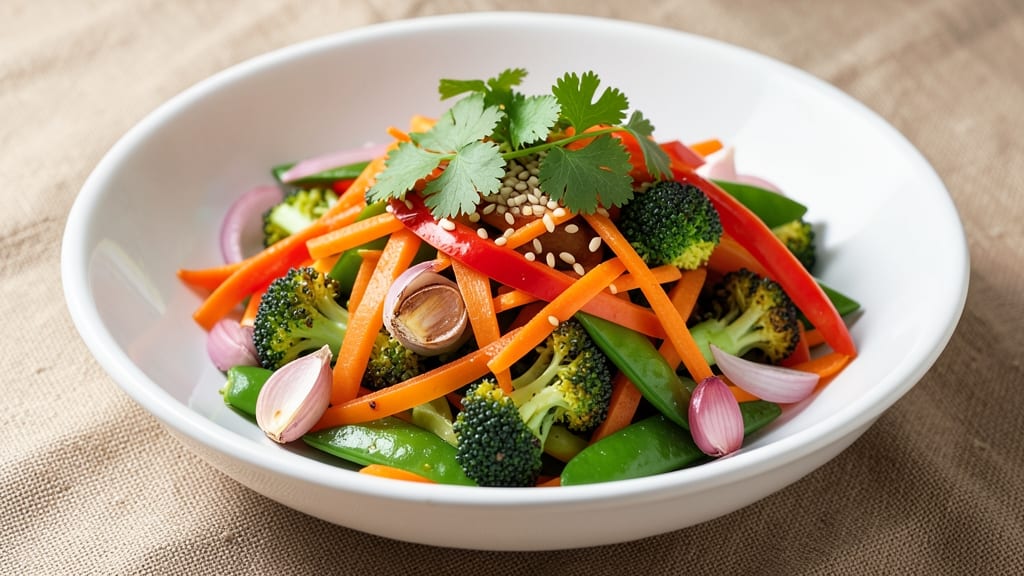
Mastering an Asian stir fry veggies recipe that delivers restaurant-quality crunch and flavor in under 15 minutes is simpler than you think—no takeout required.
The secret lies in proper prep, high-heat wok technique, and a balance of sweet, salty, and umami flavors that transform ordinary vegetables into a vibrant, satisfying dish. I developed this recipe after years of testing shortcuts that still deliver authentic taste, using pantry staples and minimal active time.
What sets this stir fry apart is the wok-tossed crunch—achieved through precise cutting techniques and rapid cooking over high heat to preserve texture. You'll use a classic soy-ginger-garlic marinade that infuses the vegetables while keeping them crisp-tender, not mushy.
The recipe works with pre-cut vegetables for convenience but tastes even better with freshly chopped ingredients for maximum crunch. This method ensures every bite delivers that satisfying contrast of textures and flavors.
By the end, you'll have a bright, aromatic stir fry packed with colorful vegetables that stay crisp on the outside while absorbing the savory-sweet sauce perfectly. The dish is naturally vegetarian but easily adaptable for vegans by omitting optional fish sauce or honey.
Serve it as a standalone meal with rice or as a side to complement grilled proteins. The best part? It comes together faster than ordering takeout, with results that impress every time.
Whether you're cooking for a weeknight dinner or meal prepping for the week, this stir fry delivers restaurant-quality flavor without the fuss. The technique is foolproof for beginners but refined enough for home cooks looking to elevate their weeknight meals.
Let's get started with the ingredients and method that make this dish a staple in your rotation.
Ingredients for asian stir fry veggies
Pantry staples meet vibrant produce for a restaurant-worthy stir fry in under 15 minutes.
| Ingredient | Amount | Notes |
|---|---|---|
| Bell Peppers (Red, Yellow, Green) 🌶️ | 1 ½ cups | Julienned for even cooking |
| Broccoli Florets 🥦 | 2 cups | Medium-sized, cut into bite-sized pieces |
| Snap Peas (or Sugar Snap Peas) 🌱 | 1 cup | Trimmed ends, whole pods |
| Carrots 🥕 | 1 whole | Julienned into matchsticks |
| Red Onion 🧅 | ½ whole | Thinly sliced into half-moons |
| Garlic Cloves 🧄 | 4 cloves | Minced, aromatic foundation |
| Fresh Ginger 🌿 | 1 tbsp | Finely grated, zesty kick |
| Vegetable Oil (High Smoke Point) 🫒 | 2 tbsp | Avocado or grapeseed preferred |
| Low-Sodium Soy Sauce 🍶 | 3 tbsp | Kikkoman preferred for balance |
| Sesame Oil 🫒 | 1 tbsp | Toasted, for aroma |
| Honey (or Agave for Vegan) 🍯 | 1 tbsp | Sweetness balance |
| Rice Vinegar 🍶 | 1 ½ tbsp | Bright acidity |
| Diamond Crystal Kosher Salt 🧂 | ½ tsp | Adjust to taste |
| Black Pepper 🌶️ | ¼ tsp | Freshly cracked |
| Sesame Seeds (Toasted) 🌰 | 1 tbsp | Garnish, nutty crunch |
The vegetables are the stars here—opt for fresh, crisp produce with vibrant colors for both flavor and presentation. Trader Joe's or local Asian markets excel for pre-cut stir-fry mixes, but whole vegetables yield better texture when julienned yourself. Look for bell peppers with taut skin and broccoli florets still tightly clustered. Snap peas should snap when bent, and carrots should feel firm. For the ginger, organic is ideal—its peel is edible and adds subtle earthiness. Prep all vegetables uniformly (about 2-inch pieces) to ensure even cooking; this is non-negotiable for wok-tossed perfection.
No sesame oil? Toasted peanut oil adds depth, though sesame's aroma is irreplaceable. Substitute honey with maple syrup or brown sugar syrup for vegans, though honey's floral notes enhance the sauce. For soy sauce, tamari works for gluten-free, but reduce by 10% as it's saltier. Fresh ginger too pungent? Ground ginger at half the amount suffices, though texture suffers. Pre-cut vegetables from the grocery store? Rinse and pat thoroughly dry to prevent excess moisture in the wok. The red onion should be thinly sliced—mandoline or sharp knife for precision.
Store prepped vegetables in airtight containers with paper towels to absorb moisture, keeping them crisp for up to 3 days in the fridge. The sauce components (soy, vinegar, honey) blend best fresh but last 1 week refrigerated. For meal prep, portion stir-fried vegetables into containers and store sauce separately—toss just before eating to preserve crunch. The dish reheats beautifully in a skillet over medium heat with a splash of water to steam. Garnish with toasted sesame seeds right before serving for maximum aroma.
Why You'll Love This Recipe
- One-Pan Magic: I swear by this for nights when I’m too tired to scrub pots—just toss everything on one sheet pan, drizzle with soy-ginger sauce, and walk away. The bell peppers and snap peas caramelize right alongside the broccoli, so you get that perfect mix of crisp-tender and soft in one go.
- Umami Bomb: That combo of red onion and carrots? It’s where the flavor really lives. The onions add a sharp bite that cuts through the sweetness of the snap peas, while the carrots soak up the sauce like a sponge—every bite has layers, not just "veggies with sauce."
- Lunchbox Hero: Between us, this is my go-to for meal prep because it actually stays fresh. Pack the broccoli and bell peppers separately (they hold up better) and the snap peas last longer than sad wilted greens. Honestly, my kids grab these before their sandwiches—no joke.
- Budget Flex: I buy frozen snap peas and pre-cut bell peppers to save cash, and it still tastes like I slaved over it. The red onion adds zero cost but transforms the whole dish, and carrots? You can’t mess them up. It’s the kind of recipe that makes grocery day feel like a win.
Step-by-step instructions for wok-tossed Asian stir fry veggies
This method delivers vibrant, perfectly cooked vegetables with a glossy sauce in record time.
Prepare All Vegetables for Even Cooking
Begin by julienning the 1 whole carrots into matchstick-sized pieces using a mandoline or sharp knife. This uniform cut ensures all vegetables cook simultaneously. Next, thinly slice the 0.5 whole red onion into half-moons and trim the ends from the 1 cup snap peas while leaving them whole. For the 1.5 cups bell peppers, cut them into thin julienne strips—this maximizes surface area for quick cooking.
While prepping, keep a bowl of ice water nearby. As you cut the 2 cups broccoli florets into bite-sized pieces, immediately submerge them in the ice water to preserve their vibrant green color. This step prevents premature wilting while you finish preparing the remaining vegetables. The goal is to have all ingredients ready before you begin cooking—this is what we call mise en place, and it's the secret to a perfect stir fry.
Create the Flavor Base and Sear Aromatics
Heat a wok or large skillet over high heat until it's smoking hot. Add the 2 tablespoons vegetable oil and let it shimmer for 30 seconds—this high heat is crucial for developing the wok hei, that signature smoky flavor. Immediately add the 4 cloves minced garlic and 1 tablespoon finely grated ginger, stirring constantly for 20 seconds until fragrant but not browned. Garlic burns quickly, so watch carefully.
Add the sliced red onion and stir-fry for 1 minute until it becomes translucent. This step builds the aromatic foundation while preventing the onions from caramelizing too much, which would make them sweet rather than savory. Now add the julienned carrots and stir-fry for another 1 minute until they begin to soften at the edges. The vegetables should sizzle continuously—if they're not, your pan isn't hot enough.
Cook Vegetables in Batches for Perfect Texture
Working in batches, add half of the bell peppers and broccoli florets to the wok. Stir-fry vigorously for 2 minutes until the broccoli turns bright green and the bell peppers begin to soften. Remove these vegetables to a large bowl and set aside. Repeat with the remaining vegetables, maintaining the same 2-minute cook time. This batch method prevents overcrowding, which would cause steaming instead of proper searing.
Return all vegetables to the wok and add the 1 cup snap peas. Stir-fry for an additional 1 minute until the snap peas blanch slightly but remain crisp. The vegetables should be vibrant, with just a hint of tenderness—this is the ideal texture for stir fry. If any vegetables appear undercooked, return them to the wok for 10-15 seconds of additional cooking.
Combine Sauce Ingredients for Glossy Finish
Lower the heat to medium and add the 3 tablespoons low-sodium soy sauce, 1 tablespoon sesame oil, 1 tablespoon honey (or agave), and 1.5 tablespoons rice vinegar to the wok. Stir everything together for 30 seconds until the sauce begins to coat the vegetables evenly. The honey and rice vinegar will create a beautiful gloss while balancing the savory soy sauce. Taste and adjust seasoning with the 0.5 teaspoon diamond crystal kosher salt and 0.25 teaspoon black pepper if needed.
Here's the thing—this is the moment that matters: the sauce should cling to the vegetables like silk. If it's too thick, add 1 tablespoon water at a time until you achieve the perfect consistency. The vegetables should be tossed in a light, glossy coating rather than swimming in sauce. The residual heat from the wok will continue to cook the vegetables slightly as they absorb the sauce.
Finish with Sesame Seeds and Serve Immediately
Transfer the stir-fried vegetables to a serving platter. Immediately sprinkle with the 1 tablespoon toasted sesame seeds, pressing them gently into the vegetables so they adhere. The seeds add a nutty crunch and visual appeal that elevates the dish. Serve immediately while the vegetables are still vibrant and the sauce is glossy—stir fry vegetables lose their texture and vibrancy if left to sit.
This dish pairs beautifully with steamed jasmine rice or noodles. The contrast of the warm, slightly sticky vegetables against cool rice creates the perfect balance. For best results, serve within 5 minutes of cooking while the vegetables maintain their perfect texture and the sauce remains glossy. The aromatics should be pronounced, with bright notes from the ginger and vinegar complementing the umami from the soy sauce.
Pro Tips For Making Asian Stir Fry Veggies
- CUT ONIONS IN HALVES FIRST: I learned this the hard way—whole onion slices take forever to soften and often burn before they get tender. Halve them lengthwise, then slice into thin strips so they cook through in the same time as the bell peppers. (Yes, even if you're impatient like me.)
- STIR AND REARRANGE CONSTANTLY: This isn’t the prettiest method, but it’s the tastiest. Your wok or pan will have hot spots, and veggies left sitting too long turn mushy or bitter. Every 30 seconds, scrape the bottom, push everything to one side, and toss in fresh oil if needed—especially with the broccoli and carrots.
- USE FROZEN SNAP PEAS: Sounds weird, but it works: frozen peas stay crisp longer than fresh in stir-fries. Toss them in during the last 2 minutes of cooking—they’ll thaw fast and retain their snap. Bonus: no prep, no peeling, and they’re cheaper. (Your future self will thank you.)
- DON’T OVERCROWD THE PAN: I was skeptical until I tried it: if you dump all the veggies in at once, they steam instead of sear. Start with half the onions and peppers, cook until slightly blistered, then add the rest. The pan needs space to breathe—especially with broccoli and carrots, which release moisture like crazy.
Wine and beer pairings for this dish
Light White Wine
A crisp, dry Sauvignon Blanc from New Zealand or a Pinot Grigio from Italy complements the bright acidity and fresh ginger notes in this stir fry. The citrusy, herbal profile cuts through the richness of the soy sauce while enhancing the vegetable flavors.
I reach for Kim Crawford Sauvignon Blanc—its zesty lime and grapefruit notes mirror the dish's vibrant ingredients. Serve slightly chilled (45-50°F) to highlight its refreshing qualities. 🍷
Rice Wine or Sake
For an authentic Asian touch, pour a dry Japanese sake like Dassai 18 or a Chinese Shaoxing wine. These fermented rice wines have subtle umami and sweetness that harmonize with the stir fry's savory-sweet balance.
Sake's delicate aroma also enhances the dish's aromatic profile without overpowering it. Serve at room temperature—this is a game-changer for traditional pairings. 🍶
Hoppy Beer Options
A light lager like Asahi Super Dry or Peroni works surprisingly well, as its crisp, clean finish cleanses the palate between bites. For beer lovers, a Belgian witbier such as Hoegaarden adds effervescence that contrasts beautifully with the dish's richness.
The coriander notes in witbiers complement the ginger and sesame flavors. Keep the beer well-chilled (38-42°F) to maintain its crispness. 🍺
Non-Alcoholic Pairings
For a refreshing non-alcoholic option, try sparkling yuzu soda—its citrusy, slightly tart flavor mirrors the rice vinegar in the sauce. Alternatively, a cucumber-mint infused water with a squeeze of lime keeps the palate fresh.
I also love hibiscus iced tea for its floral notes that pair wonderfully with the stir fry's aromatic ingredients. Serve over ice for a cooling contrast. 💧
Sweet Dessert Wine
If you're serving this as part of a full meal, finish with a dry Riesling or Moscato d'Asti to complement the dish's sweet-savory balance. The slight sweetness of these wines echoes the honey in the sauce, while their acidity refreshes the palate.
A chilled Gewürztraminer also works beautifully, with its lychee and floral notes adding an elegant finish. 🍇
Nutrition facts
Frequently asked questions
Can I use frozen vegetables for this stir fry?
Fresh vegetables are ideal for maximum crunch, but you can use frozen stir-fry mixes if needed. First, thaw them completely and pat them very dry with paper towels to remove excess moisture. This prevents steaming instead of searing. For best results, add frozen veggies to the wok 30 seconds before the final 1-minute cook time to ensure they're heated through.
How do I get that restaurant-style wok hei flavor at home?
Wok hei (breath of the wok) comes from high heat and proper technique. Use a wok or cast-iron skillet and heat it until it's smoking hot before adding oil. Keep the vegetables moving constantly with a spatula or wok tongs, and cook in batches to avoid overcrowding. The residual heat from the wok will continue cooking the vegetables even after they leave the pan, creating that signature smoky aroma.
What if my stir fry turns out soggy instead of crisp?
Soggy stir fry usually means one of two things: either the vegetables were overcrowded in the pan or they weren't cooked at high enough heat. To fix this, always cook in batches and ensure your pan is properly heated before adding oil. Also, make sure to pat all vegetables completely dry before cooking. For extra crunch, add snap peas and bell peppers last—they hold their texture best when cooked briefly.
Can I make this stir fry ahead of time?
For best texture, stir fry is best served immediately, but you can prep components ahead. Store prepped vegetables in airtight containers with paper towels to absorb moisture for up to 3 days. The sauce can be made separately and stored for 1 week. When ready to serve, quickly stir-fry the vegetables (about 5 minutes) and toss with the sauce just before eating to maintain crispness.
What are the best vegetables to substitute if I don't have the ones listed?
This recipe is flexible! Swap broccoli for bok choy or Chinese cabbage, and use zucchini or mushrooms instead of carrots. For extra crunch, add water chestnuts or bamboo shoots. Just ensure all vegetables are cut to similar sizes for even cooking. The key is to balance firm and tender vegetables for the best texture contrast in each bite.