
Sauces & Condiments
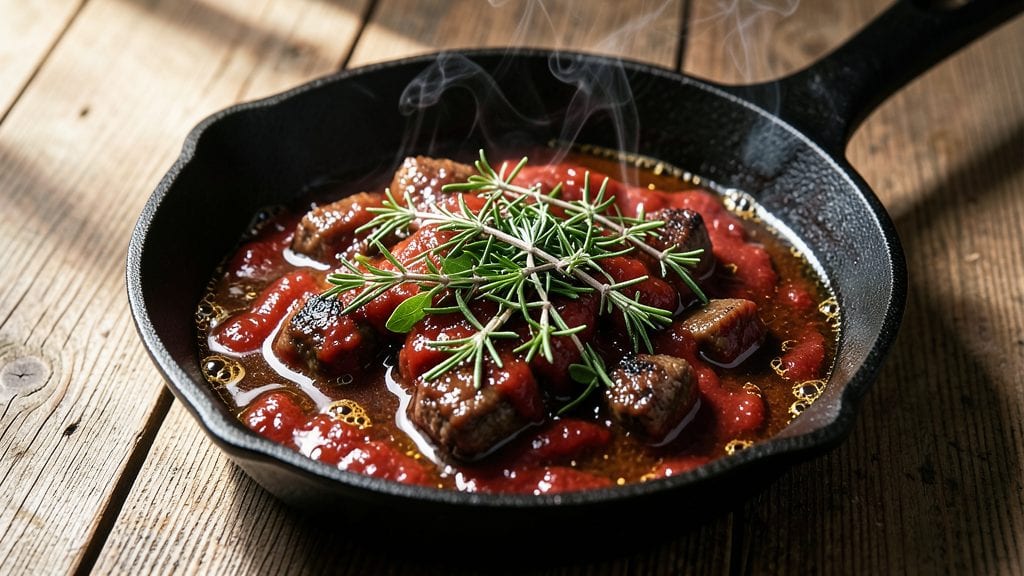
This Aurora sauce recipe delivers the perfect balance of smoky depth and bright herbaceousness in just 15 minutes, transforming simple pan drippings into a restaurant-worthy condiment.
The secret lies in a precise technique that caramelizes aromatics while preserving their freshness, creating a sauce that’s versatile enough for dipping, drizzling, or elevating proteins and vegetables alike.
I developed this sauce after years of refining pan sauces—it’s the one I reach for when I need bold flavor without the fuss.
The flavor profile is where this sauce truly shines: smoky tomato forms the base, while fresh herbs like thyme and rosemary add brightness, and a touch of liquid smoke deepens the complexity.
What sets it apart is the thin yet clingy consistency—it coats proteins beautifully without overpowering them, making it ideal for everything from grilled steaks to roasted vegetables.
The sauce keeps well in the fridge for up to a week, so you can make a batch ahead and have it ready whenever inspiration (or hunger) strikes.
What makes this recipe stand out is its foolproof method—no complicated reductions or long simmering required. By deglazing the pan with a splash of broth and a squeeze of lemon, you capture all those flavorful browned bits while keeping the sauce bright and vibrant.
The result? A sauce that’s rich yet light, with layers of umami and herbaceous notes that cut through richer dishes or stand alone as a dipping sauce for crusty bread.
Use it to elevate grilled meats, drizzle over roasted vegetables, or serve as a tangy accompaniment to charcuterie boards. The possibilities are endless, but the technique remains simple: 15 minutes, 5 ingredients, and a pan you already have dirty. Let’s make this sauce—your taste buds will thank you.
Ingredients for aurora sauce
Five simple ingredients transform pan drippings into restaurant-worthy Aurora sauce.
| Ingredient | Amount | Notes |
|---|---|---|
| Pan Drippings 🍳 | 2 tbsp | From cooked meats or veggies |
| Tomato Paste 🍅 | 2 tbsp | Squeeze tube preferred for convenience |
| Beef Broth 💧 | ½ cup | Low-sodium preferred for balance |
| Fresh Thyme Leaves 🌿 | ¼ cup | Stems removed, packed loosely |
| Fresh Rosemary Sprigs 🌿 | 2 whole | Finely chopped, stems included |
| Liquid Smoke 🔥 | ½ tsp | High-quality for authentic smokiness |
| Lemon Juice 🍋 | 1 tbsp | Freshly squeezed, no pulp |
| Extra-Virgin Olive Oil 🫒 | 1 tbsp | High-quality for finishing |
| Diamond Crystal Kosher Salt 🧂 | ½ tsp | Fine grain for delicate seasoning |
| Freshly Ground Black Pepper 🌶️ | ¼ tsp | Coarsely cracked for texture |
The tomato paste is your flavor anchor—Trader Joe's squeeze tubes are a game-changer here (no waste, lasts forever). For the herbs, farmers market thyme and rosemary have the most vibrant flavor, but grocery store bundles work too if you grab them fresh. The liquid smoke? Columbus Craft or Kingsford brands deliver the most authentic smokiness without overpowering. Pro tip: if you're using dried herbs, reduce the amount to one-third since they're more concentrated. And don't skip the fresh lemon juice—the acidity cuts through the richness perfectly.
No tomato paste? Fresh crushed tomatoes or sun-dried tomato paste work in a pinch, but you'll need about 0.25 cup of the fresh kind. Short on thyme? Oregano or marjoram can step in, but thyme's piney notes are what make this sauce sing. The beef broth can be swapped for chicken or vegetable broth, though beef adds that meaty depth. For a vegetarian version, use mushroom broth and skip the liquid smoke (or use smoked paprika instead). The olive oil should be fruity and peppery—California avocado or Italian extra-virgin brands work best for finishing.
This sauce keeps beautifully in an airtight jar in the fridge for up to 7 days, though it actually tastes better the next day as flavors meld. For longer storage, freeze in ice cube trays—perfect for single-use portions. The consistency will thicken slightly when chilled, so just whisk in a splash of water or broth when reheating. I like to make a double batch whenever I grill—it pairs perfectly with the drippings from steaks or chicken, and you'll always have sauce on hand for last-minute meals.
Why You'll Love This Recipe
- Pan Magic: I swear by those golden drippings from a sear—just a splash of beef broth and a whisk, and suddenly you’ve got depth without extra effort. No fancy techniques, just letting the pan do the work while you stir for two minutes.
- Earthy Umami Bomb: That tomato paste and rosemary combo? Chef’s kiss. Simmer it down with thyme, and you’ve got a sauce that’s rich but not heavy, herby but not overpowering—like a hug for your taste buds. (Yes, even on a Tuesday night.)
- Leftovers That Shine: This sauce actually improves the next day. Toss it with pasta, drizzle it over roasted veggies, or use it to glaze chicken—it’s my secret weapon for turning last night’s dinner into tomorrow’s lunch. No waste, all flavor.
- Budget-Friendly Luxury: Fresh herbs feel fancy, but here they’re just a handful of sprigs—no chopping, no waste. Beef broth stretches like crazy, and tomato paste? The pantry MVP. It’s restaurant-quality without the markup. Honestly, I make this twice a month just to feel clever.
Step-by-step instructions for smoky tomato and herb pan sauce
Here's how to transform simple pantry staples into a velvety, aromatic sauce that elevates any dish.
Bloom the Tomato Paste and Aromatics
Heat the 2 tablespoons pan drippings in a medium saucepan over medium-low heat. Add the 2 tablespoons tomato paste and stir constantly for 2-3 minutes until it darkens slightly and releases its rich, caramelized aroma. This step develops the sauce's depth - don't rush it or the paste will burn.
Add the 2 whole fresh rosemary sprigs (finely chopped) and 0.25 cup fresh thyme leaves, stirring for 30 seconds until fragrant. The herbs will infuse their earthy notes into the base. Watch closely - rosemary burns quickly, so keep the heat gentle. You should see the herbs sizzle gently rather than darken.
Deglaze and Build the Sauce Foundation
Pour in the 0.5 cup beef broth and scrape up any browned bits from the bottom of the pan with a wooden spoon. These flavorful bits, called fond, contain concentrated taste from your previous cooking. Let the mixture simmer gently for 3 minutes until slightly reduced by about 25%.
Add the 0.5 teaspoon liquid smoke and 1 tablespoon lemon juice, stirring well to combine. The lemon juice brightens the sauce while the liquid smoke adds that authentic smoky depth. Taste at this stage - you should notice the herbal complexity developing. If needed, add 1 tablespoon water to loosen the sauce slightly, but aim to keep it thick enough to coat the back of a spoon.
Finish with Oil and Seasoning
Reduce heat to low and stir in the 1 tablespoon extra-virgin olive oil. The oil helps emulsify the sauce and adds a luxurious finish. Let the sauce simmer gently for 2 minutes to allow the flavors to meld completely. You'll notice the sauce becoming more cohesive and velvety as the oil incorporates.
Season with 0.5 teaspoon diamond crystal kosher salt and 0.25 teaspoon freshly ground black pepper, tasting as you go. The salt should enhance all the flavors without overwhelming them, while the pepper adds a subtle heat. The sauce should now have a balanced profile - smoky, herby, with bright acidity from the lemon. If it's too thick, whisk in 1 tablespoon beef broth until it reaches your desired consistency.
Rest and Serve
Remove the sauce from heat and let it rest for 5 minutes. This resting period allows the flavors to fully develop and the sauce to thicken slightly. During this time, you can prepare your protein or vegetables to be served with the sauce.
Before serving, give the sauce one final taste and adjust seasoning if needed. The sauce should be rich, aromatic, and perfectly balanced - not too heavy or one-dimensional. Serve immediately over grilled meats, roasted vegetables, or pasta. The sauce will continue to improve as it sits, so don't hesitate to reheat gently if needed. This versatile sauce keeps well in the refrigerator for up to 5 days, making it perfect for meal prep.
Pro Tips For Making Aurora Sauce
- Bloom the Tomato Paste: Heat the paste in the pan for 2-3 minutes before adding broth—this banishes that raw, chalky taste. I used to skip this, and the sauce always tasted like it needed more depth. Trust me, the extra minute pays off.
- Strain the Drippings: Filter the pan drippings through a fine-mesh sieve before using them. Grease and bits of meat make the sauce look unappetizing and can turn it greasy. (Yes, even if you’re in a hurry.)
- Toast the Herbs: Sear the thyme and rosemary sprigs in the pan for 30 seconds—just until fragrant. This unlocks their oils, making the sauce smell like a proper restaurant dish. (Your nose will thank you.)
- Simmer, Don’t Boil: Keep the sauce at a gentle bubble, not a rolling boil. Overcooking turns tomato paste bitter and reduces the broth too fast. Low and slow = richer flavor. (I learned this after ruining a batch.)
Creative variations of these flavors
Herb-Infused Variations
Swap the thyme and rosemary for other fresh herbs to create entirely different flavor profiles. Try 0.25 cup fresh basil and 1 sprig oregano for a Mediterranean twist—add 1 tsp balsamic vinegar to deepen the richness.
For a French-inspired version, use 0.25 cup tarragon and 1 sprig thyme, then finish with 1 tsp Dijon mustard for complexity. 🌿
Spicy Kick Options
Add heat with 1 tsp smoked paprika or ½ tsp cayenne pepper for a slow burn. For immediate spice, stir in 1 tbsp hot honey or a pinch of red pepper flakes at the end.
I love adding ½ tsp chipotle powder for smoky heat—it pairs perfectly with grilled chicken or pork. 🌶️
Creamy Adaptations
For a velvety texture, stir in 2 tbsp heavy cream or 1 tbsp crème fraîche at the end. A ¼ cup ricotta cheese swirled into the sauce adds tangy richness.
This works beautifully with roasted vegetables or as a pasta sauce. For extra decadence, top with toasted pine nuts before serving. 🥛
Vegetarian Versions
Replace beef broth with mushroom broth and skip the liquid smoke. Use 1 tsp smoked paprika instead for depth. Add ½ cup roasted red peppers to the base for natural sweetness. This version shines with grilled portobello mushrooms or as a dipping sauce for falafel. 🌱
Sweet & Tangy Twist
Balance the smokiness with 1 tbsp honey or maple syrup and 1 tsp apple cider vinegar. This version pairs beautifully with grilled shrimp or as a glaze for roasted carrots. For extra brightness, finish with zested orange peel. 🍯
Global Flavors
Transform it into a Mexican-style sauce by adding 1 tsp cumin and ½ tsp chili powder, then finishing with cilantro. For an Asian-inspired version, swap the herbs for ginger and garlic, then add 1 tsp soy sauce and ½ tsp sesame oil.
Both versions work beautifully with grilled meats or noodles. 🌍
Nutrition facts
Frequently asked questions
Can I make this sauce without pan drippings?
Use 2 tablespoons olive oil or butter instead to create the base. For extra richness, add 1 tablespoon tomato paste directly to the oil and bloom it first. The sauce will still develop that same smoky depth, though the flavor profile will be slightly more neutral without the meaty undertones from drippings.
How can I adjust the consistency if it's too thick or too thin?
For a thicker sauce, simmer uncovered for 2-3 extra minutes to reduce. If too thin, whisk in 1 tablespoon cornstarch mixed with 2 tablespoons water or add 1 tablespoon tomato paste and stir. For a thinner version, simply add 1 tablespoon broth or water at a time until it reaches your desired pour. The ideal consistency should coat the back of a spoon but still drizzle easily.
What are the best proteins to pair with this sauce?
This sauce shines with grilled or roasted meats like steak, chicken thighs, or pork chops. The smoky tomato base complements the charred flavors perfectly. It also works beautifully with grilled shrimp, salmon, or even tofu for vegetarian options. For a vegetarian twist, try drizzling it over roasted eggplant or portobello mushrooms—the herby notes cut through their richness.
Can I freeze this sauce, and how?
Yes! Freeze in ice cube trays for single-use portions or in an airtight container for larger batches. Portion into 1-tablespoon servings before freezing—perfect for quick reheats. Thaw overnight in the fridge, then reheat gently on low heat or in the microwave. The sauce may thicken slightly when frozen, so whisk in a splash of broth or water when reheating to restore its smooth texture.
Why does my sauce taste bitter?
Bitterness usually comes from overcooking the tomato paste or herbs. Keep heat at medium-low and stir constantly to prevent burning. If it's too bitter, balance it with 1 extra tablespoon lemon juice or a pinch of sugar. For future batches, reduce cooking time slightly or use high-quality tomato paste without added salt, which can concentrate bitterness.