
Soups & Stews
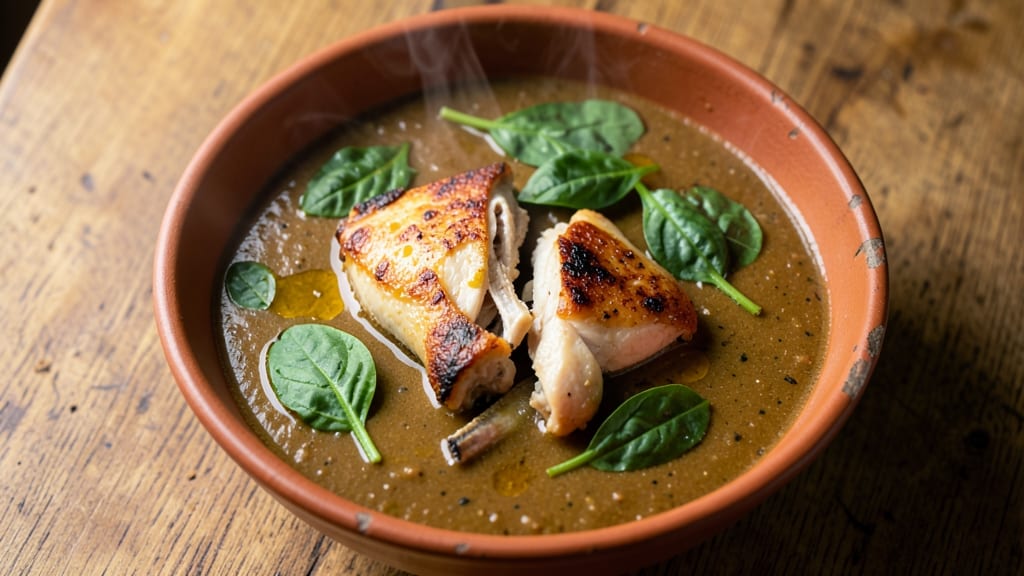
This authentic egusi soup recipe brings the rich, earthy flavors of Nigerian home cooking to your kitchen with every spoonful. The secret lies in the blend of ground melon seeds, leafy greens, and slow-simmered proteins that create a thick, satisfying broth.
I've perfected this version after years of testing—it delivers the same hearty taste my grandmother served at family gatherings.
The beauty of this recipe is its versatility while staying true to tradition. Whether you use chicken, beef, or fish, the key is simmering the broth just right to develop deep, complex flavors.
The egusi paste thickens naturally as it cooks, creating that signature velvety texture without relying on flour or cornstarch. This is comfort food at its finest—warm, nourishing, and packed with authentic Nigerian soul.
What sets this recipe apart is the balance of textures and flavors: tender meat, silky broth, and the subtle bitterness of spinach or pumpkin leaves that round out the dish.
The aroma alone will transport you to a bustling Nigerian kitchen, where this soup is served with pounded yam or fufu. Every ingredient plays a crucial role, from the smoked fish that adds depth to the palm oil that gives it that signature golden hue.
Ready in about 1 hour and 15 minutes, this recipe is perfect for family dinners or special occasions. The best part? It tastes even better the next day as the flavors continue to meld. Let's bring authentic Nigerian heartiness to your table with this one-pot masterpiece.
Ingredients for authentic egusi soup
Authentic Nigerian flavors start with these 15 essential ingredients—each playing its part in that velvety, hearty broth.
| Ingredient | Amount | Notes |
|---|---|---|
| Egusi Seeds 🌰 | 1 cup | Ground into paste, traditional Nigerian |
| Bone-In Chicken Thighs 🍗 | 1 ½ lb | Skin-on for flavor, cut into pieces |
| Smoked Fish Fillets 🐟 | ½ lb | Nigerian smoked mackerel preferred |
| Palm Oil 🫒 | ½ cup | Red palm oil for authentic color |
| Fresh Spinach 🌿 | 2 cups | Chopped, stems removed |
| Pumpkin Leaves 🍃 | 1 cup | Chopped, or sub bitter greens |
| Onions 🧅 | 1 whole | Yellow, chopped |
| Garlic Cloves 🧄 | 4 cloves | Minced, fresh preferred |
| Scotch Bonnet Peppers 🌶️ | 1 whole | Seeds removed, chopped |
| Locust Beans 🌱 | ¼ cup | Dried, soaked overnight |
| Ground Crayfish 🦞 | 2 tbsp | Dried, optional for depth |
| Salt 🧂 | 1 ½ tsp | Adjust to taste |
| Black Pepper 🌶️ | ½ tsp | Freshly ground |
| Stock Cubes 🥣 | 2 whole | Chicken or vegetable |
| Water 💧 | 6 cups | For simmering broth |
The egusi seeds are non-negotiable—African markets or specialty stores carry the best quality, but Amazon or Nigerian grocery sections work too. Look for seeds that are plump and uniform; grinding them fresh makes all the difference. The smoked fish? Nigerian smoked mackerel is ideal, but any smoked fish will add that deep, smoky backbone. If you can't find it, smoked trout or salmon in a pinch. For the palm oil, red palm oil gives that signature golden hue—don't substitute with regular olive oil. The locust beans? Soak them overnight; they're the secret to that earthy, nutty depth. African grocery stores usually stock them dried, but if you're lucky, you might find them pre-soaked.
No egusi seeds? Melon seeds ground into a paste work in a bind, but texture won't be identical. Smoked fish unavailable? Anchovies or even a splash of soy sauce adds umami, though nothing beats the real thing. Fresh spinach and pumpkin leaves are key for that signature bitterness—substitute with kale or collard greens if needed. The scotch bonnet is optional but adds a subtle heat; jalapeño or habanero can stand in. For the crayfish, dried shrimp is a decent swap, but reduce to 1 tbsp since it's saltier. The stock cubes? Homemade chicken stock elevates this, but store-bought is fine for convenience.
This soup tastes even better the next day—flavors meld like magic. Store leftovers in the fridge for 4-5 days or freeze for 3 months. I like to portion it into containers with a side of pounded yam or fufu on the side for easy reheating. The palm oil solidifies when cold, so reheat gently on low to avoid separating. Make a double batch—it disappears fast at family gatherings, and the extra simmers into perfection.
Why You'll Love This Recipe
- No Chopping Chaos: I swear by the whole chicken thighs—just toss them in the pot with the smoked fish, and the bones melt into rich broth while you prep the rest. Honestly, my knife stays sheathed longer than usual.
- Umami Bomb: That first spoonful of palm oil simmered with egusi? Pure satisfaction. The nutty seeds blend into a velvety base, while the smoked fish adds a smoky depth that makes every bite feel like a hug.
- Weeknight to Party: Same recipe, different vibes—serve it with pounded yam for a casual dinner or swap in jollof rice for guests. Between us, I’ve pulled this off for both my lazy Sundays and my in-laws’ visits. (They never suspect how little effort it took.)
- Leftovers That Beg: The soup actually improves the next day—more flavor, thicker texture. I freeze portions too; reheating with a splash of water brings back that restaurant-quality richness. My wallet and my freezer both thank me.
Step-by-step instructions for authentic egusi soup
Here's how to create this rich, traditional Nigerian soup that brings the flavors of home to your table.
Prepare the Egusi Paste and Soak the Locust Beans
Start by grinding the 1 cup of egusi seeds into a fine paste using a blender or mortar and pestle. You'll want it smooth but not liquidy—think the consistency of thick peanut butter. Set this aside in a bowl.
Next, soak the ¼ cup of locust beans in warm water for at least 4 hours or overnight. This rehydration step is crucial—the beans will swell significantly and become tender. Drain and rinse them before using, as they'll release a bitter flavor if not properly soaked. Real talk: Skipping this step makes the soup taste harsh, so don't rush it.
Cook the Chicken and Smoked Fish
In a large pot, combine the 1.5 lb bone-in chicken thighs, 6 cups of water, and the 2 whole stock cubes. Bring to a boil over medium-high heat, then reduce to a simmer and cook for 20-25 minutes until the chicken is tender and the meat pulls away from the bone easily. Remove the chicken and set aside to cool slightly.
In the same broth, add the 0.5 lb smoked fish fillets and simmer for 5-7 minutes until they flake easily with a fork. This step infuses the broth with that signature smoky depth that makes this soup truly authentic. Strain the broth through a fine-mesh sieve to remove any fish bones, reserving the liquid for the soup base.
Build the Soup Base with Palm Oil and Aromatics
Return the strained broth to the pot and bring to a gentle simmer over medium heat. Add the ½ cup of palm oil and stir to distribute evenly—this creates that signature rich, reddish color. Add the chopped 1 whole onion, 4 cloves of minced garlic, and the chopped Scotch bonnet pepper (seeds removed for less heat). Cook for 5 minutes until the onions soften and the garlic becomes fragrant.
Here's where it gets good: Stir in the soaked and drained locust beans and the 2 tablespoons of ground crayfish. These ingredients add texture and that unmistakable umami depth. Let the mixture simmer for 10 minutes, stirring occasionally, until the locust beans are tender and the flavors meld together beautifully.
Incorporate the Egusi Paste and Seasonings
Gradually whisk in the prepared egusi paste, starting with small amounts and stirring continuously to prevent lumps. You'll want to add it slowly over 2-3 minutes until fully incorporated. The soup should thicken noticeably as the egusi absorbs the liquid. If it becomes too thick, add a little of the reserved broth to reach your desired consistency.
Add the 1.5 teaspoons of salt and 0.5 teaspoon of freshly ground black pepper, then bring the soup to a gentle boil. Reduce heat to low and let it simmer for 10 minutes, stirring occasionally. This final simmer allows all the flavors to develop and the soup to reach its perfect texture—thick enough to coat a spoon but still silky smooth.
Finish with Leafy Greens and Serve
Stir in the 2 cups of chopped fresh spinach and 1 cup of chopped pumpkin leaves. Cook for 3-4 minutes until the greens wilt completely. The soup should be vibrant green from the spinach and slightly bitter from the pumpkin leaves—this balance is what makes this dish so special.
Shred the cooked chicken and return it to the pot, along with any accumulated juices. Let everything heat through for 2-3 minutes. Serve the soup immediately with your choice of pounded yam, fufu, or rice. The aroma alone will transport you straight to a Nigerian dining table—trust me, it's that good.
Pro Tips For Making Authentic Egusi Soup
- TOAST EGUSI FIRST: I learned this the hard way—skipping the dry toast ruins the texture. Spread raw egusi seeds on a dry pan over medium heat for 3-4 minutes, stirring constantly, until they smell nutty and smell like toasted corn. This removes bitterness and makes the soup thicken properly without that chalky aftertaste.
- PRESS SMOKED FISH: Sounds weird, but it works: wrap smoked fish fillets in plastic wrap and press them flat with a heavy book for 10 minutes before cutting. This keeps them from crumbling into the soup and lets the flavor infuse evenly—no more fishy clumps at the bottom.
- LOW AND SLOW FOR CHICKEN: After burning three batches, I finally figured out: bone-in chicken thighs need low heat after browning. Once you’ve seared them, reduce to a bare simmer (just small bubbles) and cover the pot—this renders fat slowly and keeps the meat from drying out while the soup builds flavor.
- SALT THE PALM OIL: My grandmother swore by this, and she was right: add a pinch of salt to your palm oil before heating it. It cuts through the richness and balances the egusi’s earthiness—trust me, your soup will taste deeper and more cohesive from the first spoonful. (Yes, even if you’re impatient like me.)
Common mistakes when making this dish
Overcooking the Egusi
One of the biggest mistakes is letting the egusi paste cook too long after adding it to the broth. The paste thickens quickly—once it reaches your desired consistency, remove it from heat immediately.
I’ve seen people simmer egusi for 20+ minutes, which turns it grainy and loses that silky texture. The ideal time is just 10 minutes after incorporating the paste. 🌰
Skipping the Locust Bean Soak
Unsoaked locust beans release bitterness that overpowers the soup. I’ve tried cutting corners by using dried beans straight from the package, and honestly, it ruins the dish. Soak them for at least 4 hours (overnight is best) to soften them and remove that harsh flavor.
If you forget, soak them in cold water with a pinch of salt for 1 hour—it helps, but it’s not the same.
Using the Wrong Oil
Substituting palm oil with olive or vegetable oil is a common mistake. Palm oil gives egusi soup its signature rich color and depth. If you can’t find red palm oil, use coconut oil as a backup—it’s closer in flavor.
Regular oils won’t replicate that earthy, slightly sweet undertone. The color change alone tells you it’s missing something special. 🫒
Not Straining the Broth
Leaving fish bones or chicken skin in the broth can make the soup gritty. Always strain the broth after cooking the protein. I use a fine-mesh sieve to remove every last bit of debris.
Skipping this step means you’ll get an unpleasant texture—trust me, your taste buds will notice. The broth should be smooth and velvety.
Adding Greens Too Early
Tossing spinach or pumpkin leaves into the pot before the soup is fully cooked will turn them mushy. Wait until the very end—just 3-4 minutes before serving—to add the greens.
This keeps them vibrant and slightly crisp, balancing the soup’s richness. If you add them too soon, they’ll lose their texture and turn into a sad, limp mess. 🌿
Ignoring the Resting Time
Freshly made egusi soup tastes amazing, but letting it rest for 10-15 minutes after cooking allows flavors to meld. I’ve rushed to serve it immediately, only to realize the taste wasn’t as deep or balanced.
The palm oil and spices need time to integrate. If you’re serving guests, let it sit covered for 10 minutes—you’ll thank me later.
Nutrition facts
Frequently asked questions
Can I make this egusi soup with beef instead of chicken?
Swap the chicken for 1.5 lb beef chunks (like short ribs or stew meat) and simmer for 45-60 minutes until tender. Beef adds richer depth, but reduce the cooking time for the smoked fish to 3-5 minutes to avoid overcooking. The broth will be even more hearty and satisfying.
What can I use if I can't find egusi seeds?
For a substitute, blend 1 cup melon seeds (from watermelon or other varieties) into a paste—it won't be identical but works in a pinch. Alternatively, use ½ cup peanut butter (unsweetened) for thickness, though the flavor will differ. The key is achieving that creamy texture, so adjust liquid as needed.
How do I make this soup vegetarian?
Replace the chicken and fish with 1 lb mushrooms (like oyster or shiitake) and 1 block firm tofu, both cubed. Use vegetable stock cubes and add 1 tbsp soy sauce for umami. The crayfish can be omitted, but add 1 extra tbsp nutritional yeast for depth. The soup will still be rich and flavorful!
Why does my egusi soup taste bitter?
Bitterness usually comes from unsoaked locust beans or overcooked greens. Always soak locust beans for 4+ hours and add spinach/pumpkin leaves just 3-4 minutes before serving. If the bitterness persists, reduce the greens by half or use milder options like Swiss chard. A pinch of sugar can also balance harsh flavors.
Can I freeze leftover egusi soup?
Yes! Portion into airtight containers, leaving 1-inch headspace for expansion. Freeze for up to 3 months. Thaw overnight in the fridge, then reheat gently on low heat, stirring occasionally. Avoid microwaving to prevent separating. The texture may slightly thicken after freezing—just add a splash of water or broth when reheating.