
Side Dishes
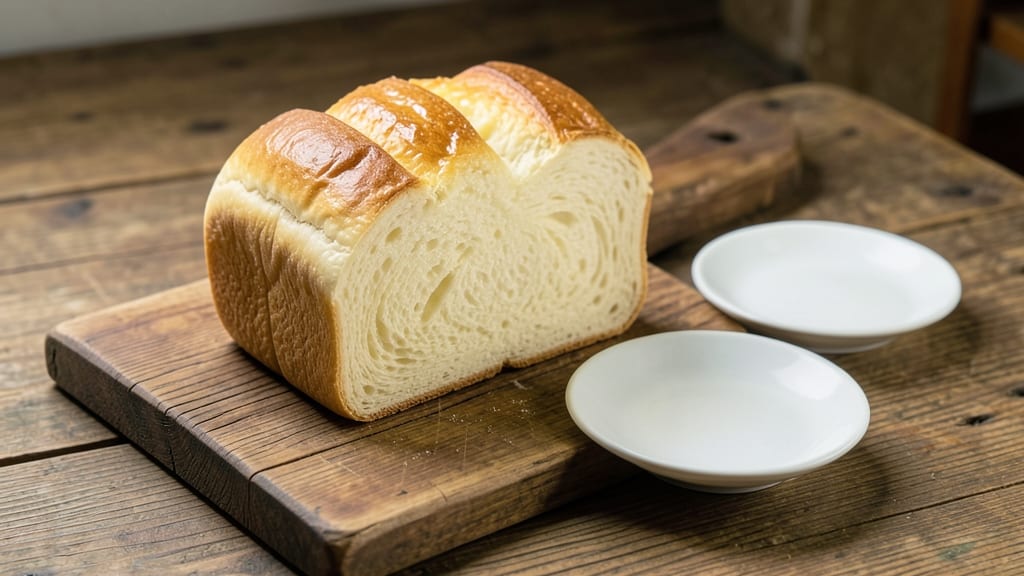
Mastering authentic Japanese milk bread means achieving that signature shokupan crust—crisp yet tender, with a cloud-soft interior that melts in your mouth. This recipe preserves the traditional tangzhong method, where a simple water roux transforms ordinary bread into something extraordinary.
I’ve baked countless loaves to perfect the balance of sweetness and texture, ensuring every slice delivers that iconic Japanese bakery experience at home.
The secret lies in precise technique: a slow fermentation for maximum flavor development, gentle kneading to avoid toughening the dough, and baking at the right temperature to create that signature crust.
With five simple ingredients—flour, milk, butter, yeast, and sugar—you’ll create a loaf that’s impossibly light yet sturdy enough to hold its shape. The tangzhong method guarantees a moist crumb that stays fresh for days, making this bread perfect for sandwiches, toast, or simply enjoying with butter.
What sets this recipe apart is the attention to detail that mimics professional Japanese bakeries. The dough undergoes two rises—one at room temperature and another in the refrigerator—to enhance flavor and texture.
When baked, the crust develops a subtle golden hue with a slight crispness, while the interior remains pillowy soft, almost custard-like. This is the kind of bread that elevates any meal, whether served warm with jam or as a side to soups and stews.
Once you try this authentic version, store-bought milk bread will never compare. The recipe scales easily for gifts or large gatherings, and leftovers keep well wrapped at room temperature for up to three days. Ready to bake bread that tastes like a trip to Tokyo? Let’s get started.
Ingredients for authentic japanese milk bread
Five core ingredients and the tangzhong method transform ordinary bread into authentic Japanese milk bread.
| Ingredient | Amount | Notes |
|---|---|---|
| Bread Flour 🌾 | 3 cups | High-protein for optimal structure |
| Whole Milk 🥛 | 1 cup | Room temperature preferred |
| Unsalted Butter 🧈 | ½ cup | Cold, cut into small cubes |
| Granulated Sugar 🍚 | ¼ cup | White or light brown |
| Active Dry Yeast 🍞 | 0.03 oz | 2 1/4 tsp, fresh or proofed |
| Large Eggs 🥚 | 1 whole | Room temperature, separated |
| Water 💧 | ¼ cup | For tangzhong roux |
| Diamond Crystal Kosher Salt 🧂 | ½ tsp | Fine grain preferred |
| Granulated White Sugar 🍚 | ¼ tsp | For dough enrichment |
| Cornstarch 🌾 | ¼ tsp | For dusting work surface |
| Egg Wash 🥚 | 1 whole | Yolk only for brushing |
| Coarse Sugar 🍚 | ½ tbsp | For crust decoration |
The bread flour is non-negotiable—King Arthur or Caputo deliver the high protein content needed for that signature shokupan crust. For the tangzhong roux, use equal parts water and flour by weight, not volume, to achieve the proper viscosity. Japanese supermarkets like Mitsuwa or H Mart carry excellent Japanese bread flour if you prefer a more authentic protein blend. The butter should be European-style if possible, with at least 82% fat content, for optimal flavor and tenderness. Store your flour in an airtight container to prevent absorption of ambient odors, which can compromise the delicate flavor profile of the finished loaf.
No bread flour on hand? All-purpose flour plus 1 tbsp vital wheat gluten per cup approximates the protein content. Substitute heavy cream for milk if needed, though the texture will be slightly denser. For the yeast, instant yeast can be used at half the amount without proofing, though active dry yeast yields more reliable results. The sugar can be omitted entirely for a less sweet loaf, though it contributes to the signature softness. If using brown sugar, pack it firmly to maintain proper measurements. For the tangzhong, ensure the mixture reaches 160°F to fully gelatinize the starches before cooling.
The tangzhong roux should be stored in an airtight container in the refrigerator for up to 3 days or frozen for 3 months. The final dough can be refrigerated overnight for enhanced flavor development, though it must be brought to room temperature before shaping. Room temperature dough is ideal for shaping, typically taking 1-2 hours to reach optimal consistency. Once baked, the loaf maintains freshness wrapped at room temperature for 3 days or frozen for 3 months. For reheating, wrap slices in a damp paper towel and microwave for 10-15 seconds to restore maximum softness.
Why You'll Love This Recipe
- Soft in Minutes: The dough comes together in five minutes—no fancy kneading required. Just mix, let it rest, and the butter layers do all the work while you sip your tea.
- Buttery Cloud Magic: That first bite? Pure indulgence. The whole milk and cold butter create a tender, flaky crumb that melts in your mouth—like a hug from Japan.
- Breakfast to Snack: Slice it toasted for a quick breakfast, pack it for lunch, or serve warm with jam at brunch. It’s equally at home on a weekday morning or a weekend spread.
- Budget-Friendly Luxury: A single batch costs less than takeout but feels like a treat. The yeast and sugar stretch the dough to perfection, and leftovers stay fresh for days—no waste, all comfort.
Step-by-step instructions for authentic Japanese milk bread
Mastering this technique delivers the signature shokupan crust and cloud-like interior every time.
Create the Tangzhong (Roux) for Ultra-Soft Texture
In a small saucepan, combine the 0.25 cup water and 0.25 cup granulated sugar. Bring to a boil over medium-high heat while stirring constantly. Immediately remove from heat and whisk in the 3 cups bread flour all at once. The mixture will form a thick, dough-like paste.
Transfer the hot paste to a clean mixing bowl and let it cool to 115°F (about 10 minutes). This temperature is critical—too hot and it will kill the yeast later. The tangzhong absorbs water during baking, creating that signature moist crumb. If you don't have a thermometer, test by touching the mixture lightly—it should feel warm but not hot to the touch.
Develop the Dough with Proper Kneading Technique
In the bowl of a stand mixer fitted with the dough hook attachment, combine the cooled tangzhong with the 1 cup whole milk (room temperature), 0.5 cup unsalted butter (cold cubes), 0.5 tsp diamond crystal kosher salt, 0.25 tsp granulated white sugar, and 0.025 oz active dry yeast. Mix on low speed for 2 minutes until the butter begins to incorporate.
Increase speed to medium and knead for 8-10 minutes until the dough becomes smooth and elastic, forming a windowpane when stretched. The dough should pull away cleanly from the bowl and sides. If it's too sticky, add 1 tablespoon bread flour at a time until it reaches the proper consistency. This kneading develops gluten for that signature soft yet structured texture.
First Fermentation for Optimal Rise
Shape the dough into a smooth ball and place it in a lightly greased bowl. Cover with a damp kitchen towel and let rise in a warm place (80°F) for 1-1.5 hours or until doubled in size. The dough should spring back slowly when poked with a finger—this indicates proper fermentation. If your kitchen is cooler, extend the time by 30 minutes to prevent overproofing.
During this time, separate the 1 whole large egg and reserve the yolk for the egg wash. The egg yolk will create that beautiful golden crust. Divide the risen dough into 4 equal pieces (about 8 oz each) and shape each into a smooth ball. This division ensures even baking and proper portion control for the shokupan shape.
Shape and Second Proof for Signature Crust
On a surface lightly dusted with 0.25 tsp cornstarch, shape each dough ball into a smooth, slightly tapered cylinder. The top should be slightly wider than the bottom to create the classic milk bread silhouette. Place the shaped loaves on a parchment-lined baking sheet, cover with a damp towel, and let proof for 45-60 minutes until they've risen to about 1.5 times their original size.
While proofing, prepare the egg wash by whisking the reserved egg yolk with 1 tablespoon water. Brush this generously over each loaf just before baking. The egg wash creates that signature glossy crust while preventing over-browning. Sprinkle with 0.5 tbsp coarse sugar immediately after brushing for that traditional caramelized finish.
Bake for Perfect Shokupan Crust and Crumb
Preheat your oven to 350°F with a baking stone or inverted baking sheet inside. This creates steam for that signature soft crumb. Bake the milk bread for 25-30 minutes until the internal temperature reaches 190-195°F and the crust turns a golden brown. The loaves should sound hollow when tapped on the bottom.
For the authentic shokupan texture, bake until the crust is crisp but the interior remains tender. If the crust browns too quickly, tent with foil. Let cool on a wire rack for 10 minutes before slicing—this prevents the bread from becoming gummy. The result should be a crisp exterior with a pillowy, moist interior that melts in your mouth.
Pro Tips For Making Authentic Japanese Milk Bread
- MIX THE DOUGH BY HAND: Skip the mixer for the first 5 minutes—knead the butter and sugar into the flour by hand until it looks like wet sand. This ensures the butter emulsifies properly with the milk and flour, giving that signature tender crumb. (Yes, it’s messy, but it’s worth it.)
- COOL THE DOUGH FASTER: After shaping, place the dough in the fridge for 30 minutes instead of letting it sit at room temp. This tightens the gluten, prevents overproofing, and makes scoring easier later. I learned this the hard way when my loaves collapsed like sad soufflés.
- SCORE DEEP AND SHARP: Use a razor blade or very sharp knife to cut the dough—press hard enough to split the skin but not tear the layers underneath. A dull blade crushes the bread, ruining the airy texture. (And no, a butter knife won’t cut it.)
- BAKE WITH STEAM FIRST: Place a metal tray on the oven rack and pour 1 cup of boiling water into it before baking. The steam creates that glossy, golden crust for the first 10 minutes, then remove the tray. This isn’t optional—it’s what makes milk bread look (and taste) professional.
Perfect pairings for this authentic japanese milk bread
Japanese Tea Pairings
Pair your freshly baked milk bread with a cup of genmaicha or sencha—both complement the bread’s sweetness beautifully. Genmaicha, with its nutty, toasted rice flavor, balances the bread’s richness, while sencha’s bright, grassy notes enhance the crust’s subtle crispness.
For a traditional experience, serve with matcha latte—the earthy bitterness contrasts the bread’s softness. 🍵
Butter Variations
Skip store-bought butter and try Japanese kewpie mayo for a tangy twist—spread a thin layer on warm slices for a creamy, slightly sweet contrast. For a richer option, use European-style cultured butter like Plugrá or Kerrygold, which adds depth to every bite.
A sprinkle of flaky sea salt elevates the flavor further. 🧈
Sweet Toppings
Top slices with kinako (roasted soybean flour) and a drizzle of honey for a classic Japanese-inspired treat. Alternatively, spread miso caramel or black sugar butter for a salty-sweet balance. For a fruity touch, add strawberry jam or plum butter—both pair perfectly with the bread’s soft texture. 🍓
Savory Spreads
Try teriyaki-glazed salmon or spicy mayo for a savory option. Thinly sliced ham and cheese (like Japanese cheddar) with a touch of wasabi mayo creates a delicious sandwich. For a lighter choice, spread avocado mash with soy sauce and sesame seeds. 🥢
Coffee Pairings
For coffee lovers, a light roast Japanese coffee like Kona or Mocha enhances the bread’s buttery notes. A cortado (equal parts espresso and steamed milk) cuts through the richness without overpowering. Avoid dark roasts—they can clash with the bread’s delicate sweetness. ☕
Seasonal Adaptations
In summer, pair with cucumber and yuzu kosho for a refreshing contrast. In winter, try warm miso soup or grilled cheese with miso butter. For holidays, add cinnamon sugar or matcha-infused whipped cream for festive flair. 🎄
Nutrition facts
Frequently asked questions
Why does this recipe use a tangzhong (water roux) method?
The tangzhong creates that signature moist, custard-like crumb by absorbing water during baking. This traditional Japanese technique transforms ordinary bread into something impossibly soft. Without it, the bread would be denser and drier. The 115°F cooling step is critical—it prevents killing the yeast while ensuring proper starch gelatinization.
Can I make this without a stand mixer?
Use your hands for kneading—work the dough for 10-12 minutes until smooth and elastic. The key is patience: knead on a lightly floured surface until it passes the windowpane test (stretching thin without tearing). For extra strength, add 1 tbsp vital wheat gluten if your flour is low-protein. The dough should be tacky but not sticky when done.
What's the best way to store leftover milk bread?
Wrap cooled loaves tightly in plastic wrap or place in an airtight container at room temperature for 3 days. For longer storage, freeze slices between parchment paper for up to 3 months. To revive, microwave wrapped slices for 10-15 seconds—the steam restores that pillowy texture instantly. Never refrigerate unless necessary, as cold temperatures dry out the bread.
Why did my crust turn out too dark?
Over-browning usually happens from too-high oven heat or insufficient steam. Bake at 350°F with a baking stone and spray the oven walls with water at 10 minutes for extra steam. If the crust browns too quickly, tent with foil. The ideal crust should be golden with slight crispness—not dark brown. For a lighter crust, brush with more egg wash before baking.
Can I substitute milk with a dairy-free alternative?
Yes, but texture may vary. Use unsweetened almond or oat milk with 1 tbsp powdered milk added for richness. Avoid soy milk—it can make the bread taste beany. For best results, ensure the substitute is room temperature and has similar fat content to whole milk. The bread will still be soft but may lack the signature buttery flavor.