
Side Dishes
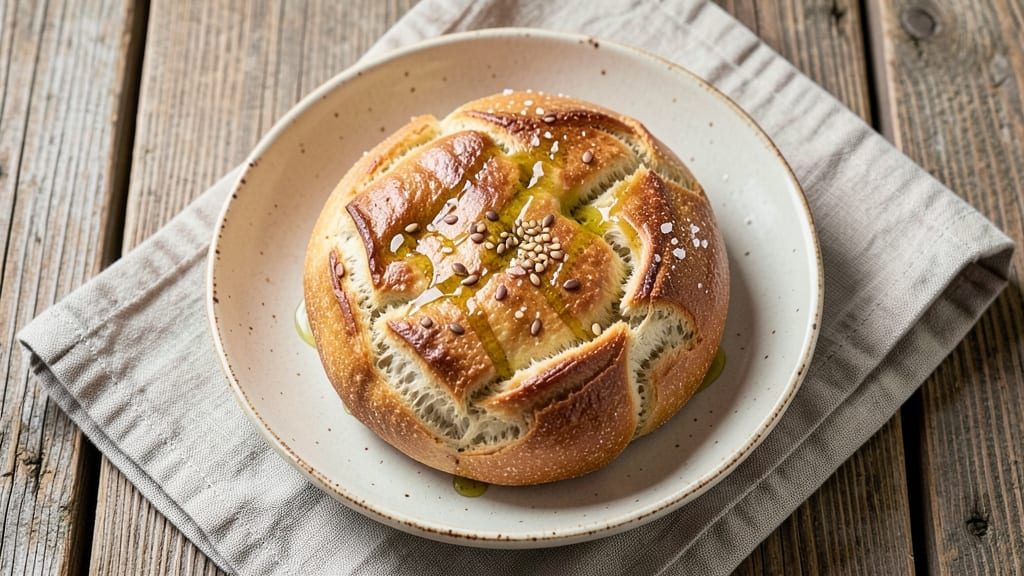
This authentic schiacciata bread recipe brings the rustic charm of Tuscany to your kitchen with just five simple ingredients and minimal effort. The secret lies in its signature olive oil richness and open-air shaping, creating a crispy crust and tender interior that defines Tuscan tradition.
I've perfected this method after years of testing, ensuring every bite delivers that authentic Italian flavor without the fuss of complicated techniques.
What makes schiacciata truly special is its simplicity—no kneading required, just a few ingredients left to rise while you prepare the rest of your meal. The dough develops its signature texture through a slow fermentation, creating that perfect balance of crispy exterior and soft, airy interior.
This bread pairs beautifully with olive oil, cured meats, or fresh vegetables, making it a versatile addition to any table.
The result is a golden, irregularly shaped loaf with a crispy crust that shatters at the touch and a soft, slightly chewy interior. The aroma of freshly baked schiacciata fills your kitchen with the essence of Tuscany, transporting you straight to an Italian countryside table.
Once you try this authentic version, you'll never settle for store-bought again.
Ready in about 3 hours (including rising time), this recipe delivers restaurant-quality results with minimal active effort. The key is patience during fermentation and precise baking to achieve that perfect texture.
Whether serving as an appetizer with olive oil or as a side to your main course, schiacciata brings authenticity and flavor to every bite.
Ingredients for authentic schiacciata bread
Five simple ingredients transform into Tuscan schiacciata with minimal effort and maximum flavor.
| Ingredient | Amount | Notes |
|---|---|---|
| All-Purpose Flour 🌾 | 3 ½ cups | Spooned and leveled, not scooped |
| Active Dry Yeast 🍞 | ¼ tsp | Fresh yeast at half the amount |
| Extra-Virgin Olive Oil 🫒 | ½ cup | High-quality, fruity variety |
| Granulated Sugar 🍚 | ½ tsp | Enhances yeast activation |
| Diamond Crystal Kosher Salt 🧂 | 1 ½ tsp | Adjust to taste after rising |
| Warm Water 💧 | 1 ¼ cups | 110°F for optimal yeast activation |
| Semolina Flour 🌾 | ¼ cup | For dusting baking sheet |
The olive oil is non-negotiable here—look for extra-virgin with a peppery finish at specialty markets or high-end grocers like Whole Foods. I always grab a small bottle from Eataly when I'm in the mood for authenticity. The flour should be all-purpose, but if you've got bread flour, use it for a slightly chewier texture. Yeast is the heart of this recipe, so check the expiration date—fresh yeast works too, but you'll need half the amount. For the water, warm it to 110°F (like a warm bath, not hot) to activate the yeast without killing it.
No extra-virgin olive oil? Light olive oil works in a pinch, but you'll lose that signature Tuscan flavor. Substituting yeast? Instant yeast is 1:1, but active dry needs to be dissolved in water first. The sugar can be swapped for honey at half the amount, though it'll add a subtle floral note. If you're short on semolina, all-purpose flour works fine—just don't skip dusting the baking sheet. Pro tip: measure flour by spooning and leveling—scooping compresses it and throws off the ratio.
This dough is all about patience—let it rise until it's doubled in size, about 1-2 hours depending on your kitchen. For best results, shape it gently and let it rest another 20 minutes before baking. The bread keeps well at room temperature for 2-3 days wrapped in a clean towel, or freeze portions for up to 3 months. Reheat slices in a 350°F oven for 5 minutes to restore that fresh-baked crunch.
Why You'll Love This Recipe
- No-Knead Magic: I swear by this dough—just mix, let it rise, then slap it on a hot pan. The yeast does all the work while I sip coffee. (Yes, even on a Tuesday night.)
- Olive Oil Luxury: That first golden crust crackling? Pure satisfaction. The extra-virgin olive oil infuses the dough with a rich, buttery depth—no butter needed, just pure Italian simplicity.
- Weeknight Workhorse: Toss it with tomatoes and basil for bruschetta, tear it over salads, or freeze slices for toast later. It’s my go-to for lazy dinners or last-minute guests.
- Budget-Friendly Staple: Five ingredients, zero waste. A single batch feeds my family for days—crusts for soup, scraps for breadcrumbs, and leftovers last a week wrapped tight. (My wallet thanks me.)
Step-by-step instructions for authentic schiacciata bread
This Tuscan classic comes together with minimal effort but delivers maximum flavor—crispy crust, tender crumb, and that signature olive oil richness.
Activate the Yeast for Maximum Rise
In a small bowl, combine the 1.25 cups warm water (around 110°F), 0.5 tsp granulated sugar, and 0.25 tsp active dry yeast. Let it sit for 5-10 minutes until frothy—this confirms the yeast is alive and ready to work. I always test this first; if it doesn’t bubble, your bread won’t rise properly.
While waiting, measure out the 3.5 cups all-purpose flour and 1.5 tsp diamond crystal kosher salt in a large mixing bowl. The flour should be spooned and leveled for accuracy—scooping compresses it and affects texture. This is the foundation of your dough, so precision matters here.
Develop the Dough with Olive Oil
Create a well in the center of your dry ingredients and pour in the 0.5 cup extra-virgin olive oil—this is the soul of schiacciata. Add the yeast mixture and stir with a wooden spoon until a shaggy dough forms. The olive oil should coat the flour evenly, creating a slightly sticky but workable texture.
Knead the dough on a lightly floured surface for 8-10 minutes until smooth and elastic. You’ll know it’s ready when it springs back slowly when poked. I like to work it by hand—it’s more tactile and helps me feel the dough’s progress. For extra authenticity, avoid over-kneading; schiacciata is rustic, not refined.
First Rise for Light, Airy Texture
Place the dough in a lightly oiled bowl, cover with a damp towel, and let it rise in a warm place for 1-2 hours or until doubled in size. The warmth helps the yeast work efficiently, and the towel prevents a dry crust from forming. I often use my oven with the light on for consistent temperature.
During this time, preheat your oven to 375°F and line a baking sheet with parchment paper. Dust it with 0.25 cup semolina flour—this creates that signature crispy bottom crust. The semolina adds texture and prevents sticking, which is crucial for schiacciata’s rustic charm.
Shape and Second Rise for Crispy Crust
Punch down the risen dough to release air, then shape it into a 12-inch round on your prepared baking sheet. Press the edges slightly thicker than the center—this ensures a crispy crust all around. Let it rise again for 30-45 minutes while the oven preheats fully. The dough should puff modestly but not dramatically.
Here’s the trick: dimple the surface with your fingers in a crosshatch pattern. This creates those beautiful air pockets and allows the olive oil to pool, giving schiacciata its signature flavor. The dimples also help the bread expand evenly in the oven.
Bake to Golden Perfection
Bake the schiacciata for 25-30 minutes until the crust is deep golden brown and the internal temperature reaches 190°F. The edges should be crisp, while the center remains soft and tender. I like to rotate the pan halfway through for even browning—this ensures no part of the bread dries out.
Let the bread cool for 10 minutes before slicing—this allows the crumb to set slightly. The aroma alone will make your kitchen smell like a Tuscan bakery. Serve warm with olive oil drizzled over the top, or use it for sandwiches. Every bite should deliver that perfect balance of crispy, chewy, and buttery richness.
Pro Tips For Making Authentic Schiacciata Bread
- Bloom the yeast warm: Toss the yeast in the flour first, then add warm water (105–110°F) and a pinch of sugar—this keeps the dough from getting sluggish. I learned this the hard way after a dough that took three hours to rise.
- Oil the dough well: Use 1/3 cup extra-virgin olive oil (not less) and work it into the flour until it looks like wet sand—this prevents dry, crumbly schiacciata. Skip the measuring cups; eyeball it until the dough feels slick but not greasy.
- Punch down twice: After the first rise, punch down the dough once to deflate it, let it rest 10 minutes, then punch it again before shaping. This ensures a tight crumb and even baking—my first attempts had air pockets like a deflated balloon.
- Preheat the pan hot: Get your baking dish (or cast-iron skillet) screaming hot before adding the dough—this guarantees a crispy bottom. I used to slide it in cold, and the bread always came out gummy. (Yes, even if you’re impatient like me.)
Serving suggestions for this dish
Olive Oil Drizzle
No schiacciata is complete without a generous drizzle of extra-virgin olive oil right after baking. Use a high-quality Tuscan olive oil like Colavita or Bertolli—their fruity, peppery notes complement the bread's crust beautifully.
I like to warm the oil slightly before drizzling to enhance its aroma. For extra flair, sprinkle with flaky sea salt like Maldon while still warm. 🫒
Classic Tuscan Pairings
Serve schiacciata alongside cured meats like prosciutto or soppressata, which pair perfectly with its crispy texture. I often arrange thin slices of Parmigiano-Reggiano and pecorino cheese on the side for a true Tuscan spread. The bread soaks up the oils beautifully, creating a flavorful bite every time.
Fresh Vegetable Toppings
For a lighter option, top warm slices with roasted cherry tomatoes, fresh basil leaves, and a drizzle of balsamic glaze. I also love adding thinly sliced zucchini or grilled eggplant for a summery touch. The acidity of the tomatoes cuts through the bread's richness perfectly.
Breakfast or Brunch Spread
Transform schiacciata into a breakfast star by topping slices with ricotta cheese, sliced figs, and a sprinkle of honey. For a heartier option, add crispy bacon or sautéed mushrooms. The bread's crispy edges contrast wonderfully with the creamy ricotta and sweet figs.
Sandwich Base
Use schiacciata as a base for panini-style sandwiches with mozzarella, tomato slices, and pesto. Toast the bread lightly in a pan with a touch of olive oil before assembling. The crispy crust holds up perfectly to the melted cheese, making it ideal for hearty lunches.
Wine Pairings
Pair schiacciata with a crisp Italian white wine like Vermentino or Pinot Grigio to complement its olive oil richness. For red wine lovers, a Chianti Classico with its bright acidity balances the bread's buttery notes beautifully. The wine's acidity cuts through the bread's richness, enhancing every bite. 🍷
Nutrition facts
Frequently asked questions about authentic Tuscan bread
Why does schiacciata need such a long rise time?
The extended 1-2 hour rise creates the signature light, airy texture. This slow fermentation develops complex flavors and ensures a tender crumb while the crust crisps perfectly. Patience here is key—rushing the rise can make the bread dense instead of rustic.
Can I make schiacciata without semolina flour?
Yes, but your bread may lack that signature crispy bottom crust. Use all-purpose flour instead, but dust the baking sheet extra generously to prevent sticking. The semolina adds texture and prevents over-browning on the bottom.
What's the secret to getting that perfect crispy crust?
The combination of olive oil (which creates steam during baking) and the dimpled surface is crucial. Bake at 375°F until deep golden brown, and rotate the pan halfway through for even browning. A baking sheet (not a loaf pan) helps too!
How do I store leftover schiacciata?
Wrap cooled slices in a clean kitchen towel to keep them soft. Store at room temperature for 2-3 days or freeze for up to 3 months. To revive, warm slices in a 350°F oven for 5 minutes—they'll crisp up beautifully.
Can I add herbs like rosemary to this recipe?
Mix 1-2 tablespoons chopped fresh rosemary into the dough during kneading for an aromatic twist. For extra flavor, brush the baked bread with more olive oil and sprinkle with flaky salt. This variation works especially well with roasted meats.