
Appetizers
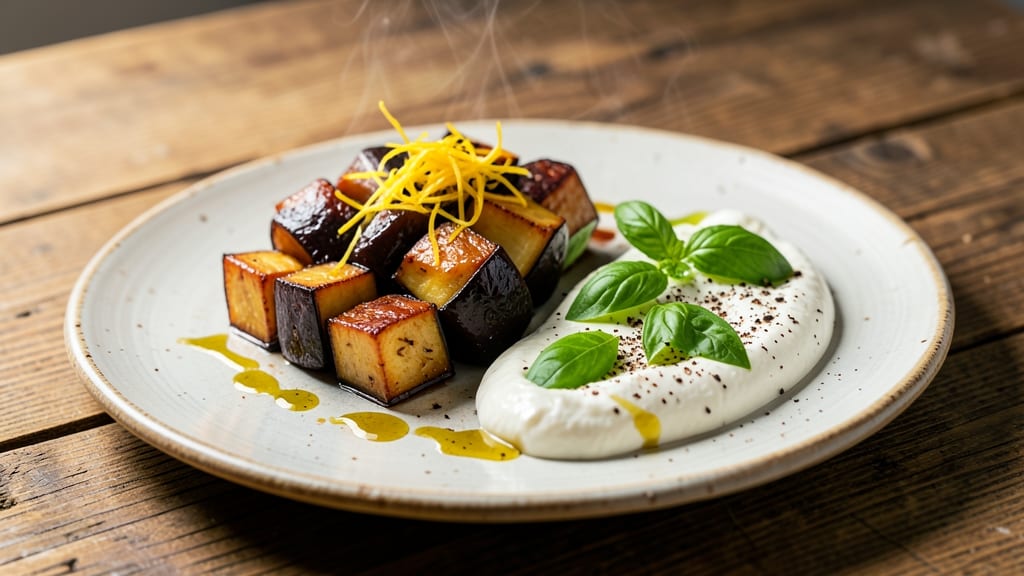
This eggplant with ricotta cheese recipe delivers the perfect balance of textures—crispy, caramelized eggplant cubes paired with creamy, gooey ricotta that melts into every bite.
The key lies in roasting the eggplant until tender yet firm, then folding it into lightly seasoned ricotta for a dish that’s rich, satisfying, and impossible to resist. I developed this recipe after years of experimenting with Mediterranean-inspired appetizers, and it’s become a staple at gatherings.
The beauty of this dish is its simplicity: just a few ingredients, minimal prep, and a 30-minute bake time that transforms humble eggplant into something extraordinary. The eggplant soaks up the ricotta’s creaminess while developing deep, smoky notes from the oven.
A sprinkle of fresh herbs and a drizzle of olive oil elevate it to restaurant-quality without the fuss.
What you’ll end up with is an appetizer that’s equal parts elegant and comforting—crispy edges on the eggplant, velvety ricotta that stretches with each bite, and a flavor profile that’s herby, savory, and just slightly tangy.
It’s the kind of dish that disappears fast, leaving guests asking for seconds. Serve with crusty bread to soak up every last bit.
This recipe works equally well as a standalone appetizer or part of a larger spread. The flavors develop even more after sitting for 15 minutes, making it perfect for meal prep or last-minute entertaining. Let’s get cooking—your taste buds will thank you.
Ingredients for eggplant with ricotta cheese
Just eight core ingredients transform simple eggplant into a restaurant-worthy appetizer.
| Ingredient | Amount | Notes |
|---|---|---|
| Eggplant 🍆 | 1 ½ lb | Medium-sized, cubed into 1-inch pieces |
| Ricotta Cheese 🧀 | 16 oz | Whole-milk, room temperature |
| Extra-Virgin Olive Oil 🫒 | ½ cup | High-quality, fruity variety |
| Garlic Cloves 🧄 | 3 cloves | Minced, fresh preferred |
| Fresh Basil Leaves 🌿 | ⅓ cup | Chopped, stems removed |
| Lemon Zest 🍋 | 1 tbsp | From 1 medium lemon |
| Salt 🧂 | 1 tsp | Diamond Crystal or sea salt |
| Black Pepper 🌶️ | ½ tsp | Freshly ground preferred |
| Nutmeg 🌿 | ¼ tsp | Freshly grated |
| Crusty Bread 🍞 | 4 slices | For serving, optional |
| Parmesan Cheese 🧀 | ¼ cup | Freshly grated, for garnish |
The eggplant is non-negotiable—look for firm, heavy varieties like Italian or Japanese eggplant at specialty markets or the produce section. Whole Foods and Trader Joe's carry excellent options, or check the ethnic aisle at regular grocery stores. Avoid eggplant with soft spots or wrinkled skin. For the ricotta, whole-milk is essential—it has the right fat content to create that signature creamy texture. I always buy mine in 16-ounce tubs from the dairy case, not the pre-shredded kind. The olive oil should be extra-virgin—something you'd drizzle on bread, not the cheap cooking oil. Fresh basil and garlic are worth the extra minute to chop yourself rather than using dried or jarred versions.
No fresh basil? Dried oregano at half the amount works in a pinch, but the flavor won't be the same. Short on ricotta? Cottage cheese blended with cream gets you close—just add an extra tablespoon of cream to reach the right consistency. The nutmeg is crucial for that Mediterranean warmth, but if you're missing it, a pinch of cinnamon adds depth. For the eggplant prep, salting it 30 minutes before cooking removes bitterness—don't skip this step. The lemon zest can be substituted with 1 tablespoon lemon juice if you're out of zesters, though the texture won't be identical. Parmesan isn't strictly necessary, but it adds that final umami punch that makes this dish feel special.
This dish reheats beautifully—just 10 minutes at 350°F brings it back to perfection. Store leftovers covered in the fridge for up to 3 days, though I've never had any last that long. The eggplant cubes hold their texture surprisingly well when reheated. For make-ahead entertaining, assemble the dish 2 hours before baking and refrigerate until ready to bake—this lets the flavors meld even more. The bread should be served on the side so it stays crispy. If you're prepping ahead, toast the bread just before serving to maintain that perfect crunch.
Why You'll Love This Recipe
- No-Chop Nightmare: I swear, this recipe only asks for one knife skill: slicing eggplant into rounds. That’s it. No dicing, no mincing—just a simple knife and a cutting board. (Yes, even on a Tuesday night.)
- Garlic-Basil Magic: The moment that roasted garlic meets the creamy ricotta, then gets a sprinkle of fresh basil? Chef’s kiss. It’s the kind of flavor that makes you pause mid-bite, the way good food should.
- Meal-Prep MVP: Double the batch, store it in the fridge, and reheat it for days—it stays creamy, not soggy. Honestly, I make this on Sundays just so I can grab a portion without thinking during the week.
- Budget Bright Spot: Eggplant and ricotta stretch like crazy, so this feeds a crowd for less than $10. Between us, it’s my go-to when I’m trying to impress guests but don’t want to break the bank.
Step-by-step instructions for eggplant with ricotta cheese
Here's how to achieve perfectly crispy eggplant with creamy, melted ricotta every time.
Prepare and Salt the Eggplant
Cut the 1.5 lb eggplant into 1-inch cubes, removing any seeds or blemished spots. Arrange the cubes on a baking sheet lined with paper towels and sprinkle generously with the 1 tsp salt. This salting step is crucial—it draws out excess moisture that would otherwise steam the eggplant instead of crisping it.
Let the eggplant sit for 30 minutes while you prepare the remaining ingredients. After 30 minutes, pat the eggplant dry with fresh paper towels, pressing firmly to remove all surface moisture. This thorough drying ensures maximum crispiness when cooking. I like to work in batches if I'm short on time, but don't skip this drying step—it makes all the difference in texture.
Create the Ricotta Mixture
In a medium bowl, combine the 16 oz ricotta cheese with the 0.33 cup chopped fresh basil leaves, 1 tbsp lemon zest, 0.5 tsp black pepper, and 0.25 tsp freshly grated nutmeg. Mix gently with a silicone spatula until just combined—you want to preserve the ricotta's creamy texture without overworking it.
Add the 3 minced garlic cloves and mix again. Taste the mixture and adjust seasoning if needed, though the ricotta's natural saltiness usually balances everything well. Cover the bowl and set aside while you prepare the eggplant for cooking. This mixture will stay at room temperature while you crisp the eggplant—no need to refrigerate it during this process.
Cook the Eggplant Until Crispy
Heat the 0.5 cup extra-virgin olive oil in a large skillet over medium-high heat until it shimmers. Working in batches if needed, add the eggplant cubes in a single layer, being careful not to overcrowd the pan. Cook for 4-5 minutes per side until golden brown and crispy, turning with a slotted spatula.
You'll know they're ready when they develop a deep golden color and the edges begin to crisp. Remove the eggplant from the pan and transfer to a paper towel-lined plate to drain excess oil. The eggplant should hold its shape but be tender enough to pierce easily with a fork. If any pieces seem undercooked, return them to the pan for another minute until properly crisped.
Assemble and Bake
Preheat your oven to 375°F. In a greased 8-inch oven-safe skillet, arrange the crispy eggplant cubes in an even layer. Spoon the ricotta mixture evenly over the top, spreading it to cover all the eggplant pieces. The ricotta should melt and create a creamy blanket over the crispy eggplant.
Bake for 12-15 minutes until the ricotta is fully melted and bubbling at the edges. Watch closely during the last few minutes to prevent over-browning. The dish should have a golden top with crispy eggplant peeking through the creamy cheese. Remove from the oven and let it rest for 5 minutes before serving.
Serve with Crusty Bread
Sprinkle the dish with the 0.25 cup freshly grated parmesan cheese and serve immediately with the 4 slices crusty bread. The contrast between the crispy eggplant, creamy ricotta, and crunchy bread creates the perfect textural experience. Each bite should deliver that satisfying combination of textures and flavors we're after.
For best results, serve while warm. The ricotta will continue to soften slightly as it cools, but the eggplant will maintain its crispy perfection. This dish makes a wonderful vegetarian main course or can be served as a side to grilled meats.
Pro Tips For Making Eggplant With Ricotta Cheese
- SALT THE EGPLANT HALVES FIRST: Toss sliced eggplant with 1 teaspoon of salt and let it sit for 20 minutes before cooking—this pulls out bitterness and excess moisture. I used to skip this, and my dish always tasted slightly off until I realized the eggplant needed a good cry first.
- USE ROOM-TEMPERATURE RICOTTA: Take the ricotta out of the fridge 30 minutes before using so it blends smoothly with the olive oil and garlic. Cold ricotta clumps like glue, and no one wants to scrape ricotta off their knife.
- ROAST THE GARLIC: Wrap whole garlic cloves in foil with a drizzle of olive oil, roast at 400°F (200°C) for 10 minutes until soft, then mash into the ricotta. This adds depth without overpowering—raw garlic can turn bitter when mixed with eggplant.
- DON’T OVERCOOK THE BASIL: Tear basil leaves at the last second and scatter them on top—just before serving—so they stay bright and aromatic. Tossing them in while cooking turns them into sad, wilted confetti.
Storing and reheating this dish
Refrigerator Storage
Store your eggplant-ricotta dish in an airtight container for up to 3 days in the refrigerator. The key is letting it cool completely before sealing to prevent condensation, which can make the eggplant soggy.
I use glass Pyrex containers with snap-on lids—they maintain the dish's integrity better than plastic. Label with the date to track freshness, though I've never had leftovers last that long! 💫
Freezer-Friendly Prep
For longer storage, assemble the dish completely (even baked) and freeze it in a single layer on a tray before transferring to a freezer-safe bag. This prevents the eggplant from sticking together.
Thaw overnight in the fridge before reheating—never microwave directly from frozen. The texture holds up surprisingly well, though the eggplant may lose just a touch of crispiness.
Oven Reheating Method
My preferred way to revive this dish is in the oven at 350°F for 10-12 minutes. Cover loosely with foil to prevent over-browning while melting the ricotta back to creamy perfection.
Add 1 tablespoon of water or milk to the dish before reheating if it looks dry. The eggplant cubes will regain their crisp edges, and the ricotta will stretch beautifully again. 🔥
Stovetop Revival
For a quick fix, use a non-stick skillet over medium-low heat. Add 1 tablespoon of olive oil and cover the dish to trap steam. Stir gently every 2 minutes until heated through (165°F internal temp).
This method works best for smaller portions—larger batches may need more time to warm evenly. The ricotta will soften beautifully while the eggplant maintains its structure.
Microwave Shortcut
When time is tight, use the microwave at 50% power for 1-2 minutes, stirring halfway. Add a damp paper towel over the dish to prevent drying. While not ideal for texture, this method works for quick lunches.
For best results, transfer to a plate and finish under the broiler for 1-2 minutes to crisp the eggplant edges again.
Make-Ahead Pro Tip
Assemble the dish 2 hours before baking and refrigerate until ready to bake. This jumpstarts the flavor development and makes the final bake time even more efficient.
The eggplant will absorb the ricotta's flavors more deeply, creating a richer taste. Just add 2-3 extra minutes to the baking time when reheating from cold. ✨
Nutrition facts
Frequently asked questions
Can I use store-bought ricotta instead of homemade?
Store-bought whole-milk ricotta works perfectly for this recipe. Just make sure it's not the pre-shredded kind—those often contain anti-caking agents that can make the texture grainy. For best results, choose a brand like BelGioioso or President, which are widely available in the dairy section.
What if my eggplant turns out mushy instead of crispy?
Mushy eggplant usually happens when too much moisture remains. Always salt the eggplant 30 minutes before cooking and pat it completely dry with paper towels after. Cooking in batches over medium-high heat ensures proper browning. If it still happens, try roasting the eggplant at 400°F for 20 minutes before adding ricotta.
Can I make this dish ahead of time for a party?
Yes! Assemble the dish 2 hours before baking and refrigerate until ready to bake. This lets flavors meld beautifully. For serving, bake as directed and add 2-3 extra minutes if coming from cold. The eggplant will stay crispy, and the ricotta will melt perfectly when reheated.
What's the best way to serve this dish?
Serve warm with crusty bread for dipping or alongside grilled meats like chicken or fish. For extra flair, garnish with fresh basil leaves and a drizzle of extra-virgin olive oil. It works equally well as an appetizer or vegetarian main course, especially when paired with a simple green salad.
How do I adjust the recipe for dietary restrictions?
For a vegan version, swap ricotta for cashew cream (blend soaked cashews with lemon juice) and use nutritional yeast for a cheesy flavor. To make it gluten-free, ensure your bread is certified gluten-free. The eggplant and ricotta combo remains delicious regardless of these adjustments!