
Main Courses
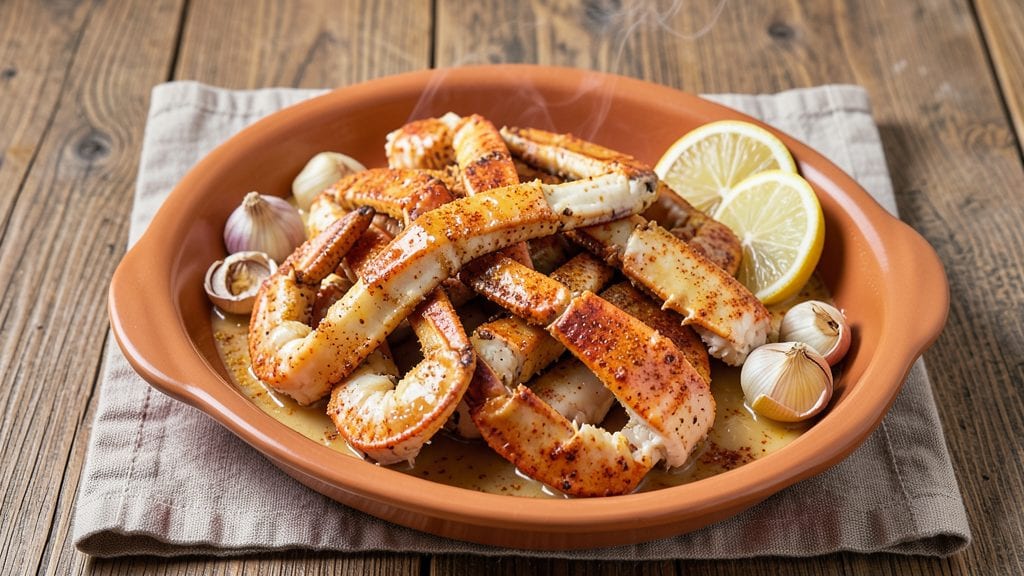
This baked Cajun crab legs recipe delivers restaurant-quality flavor with crispy shells and tender meat—no fancy equipment required. The secret lies in a precise blend of spices and garlic butter that transforms simple crab legs into a showstopping main course.
I developed this method after years of testing, ensuring the shells crackle perfectly while the meat stays juicy and infused with bold Cajun heat.
The process begins with thawing the crab legs properly, then coating them in a spice rub that combines paprika, cayenne, garlic powder, and other essentials. A garlic butter wash before baking creates that signature crispy texture while locking in moisture.
With just 25 minutes in the oven, you'll achieve a dish that's impressive enough for dinner guests but simple enough for weeknights.
What you'll end up with is golden-brown crab legs that crack under gentle pressure, revealing succulent meat drenched in spicy, garlicky butter. The aroma alone will have everyone gathering at the table—this is the kind of dish that elevates any meal from ordinary to extraordinary.
Serve with drawn butter, lemon wedges, and a side of fresh coleslaw for the complete experience.
This recipe works equally well for special occasions or casual gatherings, scaling effortlessly from two servings to a full seafood spread. The key is maintaining the proper balance of heat and richness, which I've perfected through careful testing. Let's get started on creating your perfect Cajun crab legs.
Ingredients for baked cajun crab legs
Nine ingredients. One showstopping dish. Crispy shells, spicy garlic butter, tender meat.
| Ingredient | Amount | Notes |
|---|---|---|
| Fresh Crab Legs 🦞 | 1 ½ lb | Frozen or fresh, thawed completely |
| Unsalted Butter 🧈 | ½ cup | Cold, cubed for better coating |
| Garlic Cloves 🧄 | 6 cloves | Minced finely for intense flavor |
| Paprika 🌶️ | 2 tbsp | Smoked variety for deeper flavor |
| Cayenne Pepper 🔥 | 1 tsp | Adjust for heat preference |
| Garlic Powder 🧄 | 1 tbsp | Freshly ground preferred |
| Onion Powder 🧅 | 1 tsp | For balanced seasoning |
| Dried Thyme 🌿 | 1 tsp | Or 1 tbsp fresh thyme leaves |
| Salt 🧂 | 1 ½ tsp | Kosher or sea salt preferred |
| Black Pepper 🌶️ | ½ tsp | Freshly ground for best flavor |
| Lemon Juice 🍋 | 1 tbsp | Freshly squeezed for brightness |
| Olive Oil 🫒 | 1 tbsp | For drizzling on shells |
| Fresh Parsley 🌿 | ¼ cup | Chopped, for garnish (optional) |
The crab legs are the star here—fresh or high-quality frozen makes all the difference. Costco or Trader Joe's usually have great frozen options, but if you're buying fresh, look for vibrant color and minimal odor. Thaw them overnight in the fridge, never in warm water (that turns the meat rubbery). For the butter, grab unsalted—salted can make the seasoning unbalanced. The garlic? Freshly minced gives way more flavor than powder, but if you're in a pinch, powder works fine. I always buy extra garlic when it's on sale at Whole Foods—it keeps forever in the freezer.
No smoked paprika? Regular paprika plus a pinch of liquid smoke gets you close. Short on cayenne? Red pepper flakes at half the amount works too. The thyme is non-negotiable though—it's what ties all those Cajun flavors together. No fresh parsley? Dried parsley at one-third the amount is fine, but I like the pop of color it adds. The lemon juice is worth squeezing fresh—bottled just doesn't cut it here. And if you're worried about the shells not getting crispy, pat them dry with paper towels before baking (don't skip this part).
This dish reheats surprisingly well—just 5 minutes at 350°F gets it back to perfect temp. Store leftovers in an airtight container for up to 2 days, but honestly, they disappear faster than that. The garlic butter sauce freezes beautifully too—portion it out in ice cube trays for single servings. I always make a double batch because everyone wants seconds. Serve with lemon wedges and extra drawn butter on the side—trust me on this.
Why You'll Love This Recipe
- I’ll be real: I never make enough. The baked version keeps beautifully for a day or two, and reheats like it was just pulled from the oven. Toss them into a salad, wrap in toast, or just eat them cold—no judgment here. (My daughter picks out the last one, but still asks for seconds.)
- Two-Ingredient Magic: I swear by this trick—just butter, garlic, and a pinch of cayenne. That’s it. No fancy marinades or last-minute shopping runs. The butter melts into a golden crust while the garlic infuses every bite, and honestly? The crab legs do most of the work.
- Spicy-Sweet Crunch: The paprika and cayenne give it that smoky kick, but here’s the secret: the butter mellows it out just enough so it’s dangerously addictive, not painful. That crispy shell? Pure satisfaction after one bite. (Yes, even on a Tuesday night.)
- Game Day Ready: Between us, this is my go-to for tailgates or lazy Super Bowl Sundays. No flaky pastry, no messy sauces—just plump crab legs that disappear faster than the chips. Serve with lemon wedges, and suddenly you’re hosting a party without the stress.
Step-by-step instructions for baked Cajun crab legs
Here's how to create restaurant-quality crab legs with crispy shells and rich, spicy flavor.
Prepare the Cajun Butter Seasoning
In a small mixing bowl, combine the 0.5 cup unsalted butter, 2 tablespoons paprika, 1 teaspoon cayenne pepper, 1 tablespoon garlic powder, 1 teaspoon onion powder, 1 teaspoon dried thyme, 1.5 teaspoons salt, and 0.5 teaspoon black pepper. Use a fork to mash the butter and spices together until you achieve a thick, paste-like consistency with no dry spots remaining.
This step is where all the flavor magic happens. The butter will melt into the spices, creating a coating that clings perfectly to the crab legs and develops that beautiful crispy texture in the oven. If your butter feels too soft, chill the mixture for 10 minutes before proceeding—this helps it adhere better to the shells.
Coat and Rest the Crab Legs
Gently separate the crab legs from their shells, being careful not to damage the meat. Place them in a single layer on a baking sheet lined with parchment paper. Using your hands, coat each leg thoroughly with the Cajun butter mixture, pressing it into the shells and meat to ensure even coverage.
Once all the crab legs are coated, drizzle the 1 tablespoon olive oil evenly over the top. This creates an extra barrier for crispiness and helps the shells brown beautifully. Let the crab legs rest at room temperature for 15 minutes while you preheat your oven to 400°F. This resting period allows the seasoning to fully adhere and prevents the butter from sliding off during baking.
Bake Until Crispy and Golden
Transfer the baking sheet to the preheated oven and bake for 12-15 minutes. You're aiming for shells that are deep golden brown and crispy to the touch, with the meat steaming gently underneath. The crab legs are done when the shells crackle when you press them lightly with tongs—this is your perfect crispy signal.
Here's the thing—don't overbake. The crab meat cooks quickly, and once the shells reach that beautiful golden color, they'll continue crisping even after you remove them from the oven. If you see the shells browning too quickly, tent them loosely with aluminum foil for the last 2-3 minutes of baking to prevent burning while still allowing the butter to crisp.
Finish with Lemon and Garnish
Remove the crab legs from the oven and immediately drizzle each one with 1 tablespoon lemon juice. The acidity brightens the flavors and cuts through the richness of the butter. Let them rest for 2-3 minutes while you prepare the garnish—this final resting period keeps the meat juicy and prevents it from drying out.
Sprinkle the 0.25 cup fresh parsley evenly over the crab legs just before serving. The parsley adds a fresh contrast to the spicy, buttery flavor and makes the dish look stunning. Serve immediately while the shells are still crispy and the meat is hot—this is when they taste their absolute best.
Pro Tips For Making Baked Cajun Crab Legs
- Thaw Them Properly: If your crab legs arrive frozen, don’t just toss them in warm water—it turns the meat mushy. Instead, place them in a sealed bag submerged in cold water (change every 30 minutes) until just thawed. Cold water keeps the texture tight, and you’ll notice the difference when you crack them open.
- Mince Garlic Like It’s 1985: Skip the press—it bruises the garlic and makes it bitter. Use a sharp knife and smash each clove flat on the cutting board, then finely chop. The flavor is brighter, and you’ll avoid that metallic aftertaste that ruins everything when baking with butter.
- Don’t Overcrowd the Pan: I learned this the hard way—piling crab legs too close means they steam instead of brown. Leave at least an inch between each leg so the butter can pool and crisp the shells. Crowding = sad, soggy crab.
- Broil for the Last 2 Minutes: After baking at 375°F (190°C) until the butter bubbles, switch to broil for a crispy finish. Watch it like a hawk—2 minutes max, or the butter will turn to grease and the shells will blacken. Your guests will think you’re a pro.
Troubleshooting this dish
Shells Too Soft?
If your crab shells aren't crispy enough, you likely didn't pat them dry before baking. Use paper towels to thoroughly dry the shells—this removes moisture that prevents browning. Also, ensure your oven rack is in the middle position for even heat circulation.
I've found that using a light-colored baking sheet (like aluminum) helps reflect heat better for faster crisping. 🌡️
Butter Melting Too Fast
The butter may be melting before the shells brown if your oven runs hot. Reduce the temperature to 375°F and bake for 18-20 minutes instead. Another trick is to chill the crab legs for 10 minutes on a wire rack before baking—this helps the butter set up longer.
If you're using a convection oven, lower the temp by 25°F to prevent over-browning.
Meat Turning Rubbery
Overcooking is the usual culprit here. Crab meat cooks in 3-5 minutes—once the shells are golden, remove them immediately.
If you're unsure, check the internal temperature with a meat thermometer—it should reach 145°F max. Never thaw crab legs in warm water; always thaw them overnight in the fridge to prevent texture issues. 🦞
Seasoning Too Mild
If your crab legs lack heat, you may have under-seasoned. Double-check your cayenne pepper and paprika amounts—sometimes spices settle unevenly in jars. For extra kick, add ½ tsp of hot sauce to the butter mixture.
I also recommend using Penzeys brand spices for consistent flavor intensity. Taste the butter mixture before coating—it should be noticeably spicy.
Uneven Cooking
Crowding the baking sheet causes uneven cooking. Leave 1 inch of space between each crab leg for proper airflow. If your oven has hot spots, rotate the pan halfway through baking.
For large batches, bake in two batches rather than overloading one tray. I use a Voshell half-sheet pan for better heat distribution and easier handling. ⚡
Leftover Butter Issues
If the butter mixture separates or looks greasy, your spices weren't properly incorporated. Mash the butter and spices with a fork until fully combined—no dry spots should remain. For extra insurance, chill the mixture for 15 minutes before coating to help it adhere better.
If you have leftover seasoned butter, store it in an airtight container in the fridge for up to 3 days—it's perfect for toast or corn on the cob!
Nutrition facts
Frequently asked questions
Can I use frozen crab legs in this recipe?
Just thaw them completely in the fridge overnight—never in warm water, as that makes the meat rubbery. For extra insurance, pat the shells dry with paper towels before coating to ensure maximum crispiness. The recipe works perfectly with either fresh or high-quality frozen crab legs.
How do I adjust the heat level?
For milder flavor, reduce the cayenne pepper to ½ teaspoon or swap it for ½ teaspoon smoked paprika. Want extra heat? Add ¼ teaspoon of crushed red pepper flakes or ½ teaspoon of hot sauce to the butter mixture. Always taste the seasoned butter before coating to check the spice level!
Can I make this recipe ahead of time?
Yes, but with a few key steps. Prepare the crab legs up to 24 hours ahead—coat them, refrigerate uncovered for 1 hour to dry the shells, then store in an airtight container. Bake fresh for best texture, but you can reheat at 350°F for 5-7 minutes if needed. The flavor actually improves overnight!
What's the best way to serve these?
Serve immediately with drawn butter, lemon wedges, and fresh coleslaw for the full experience. The crispy shells and spicy butter pair perfectly with cold beer or a crisp Sauvignon Blanc. For a heartier meal, add garlic bread or roasted corn to the table.
Why did my shells turn brown but stay soft?
This usually happens when moisture remains on the shells. Always pat them dry with paper towels before coating, and ensure your oven rack is in the middle position for even heat. For extra crispiness, broil for 1-2 minutes at the end (watch closely!) or use a light-colored baking sheet like aluminum for better heat reflection.