Main Courses
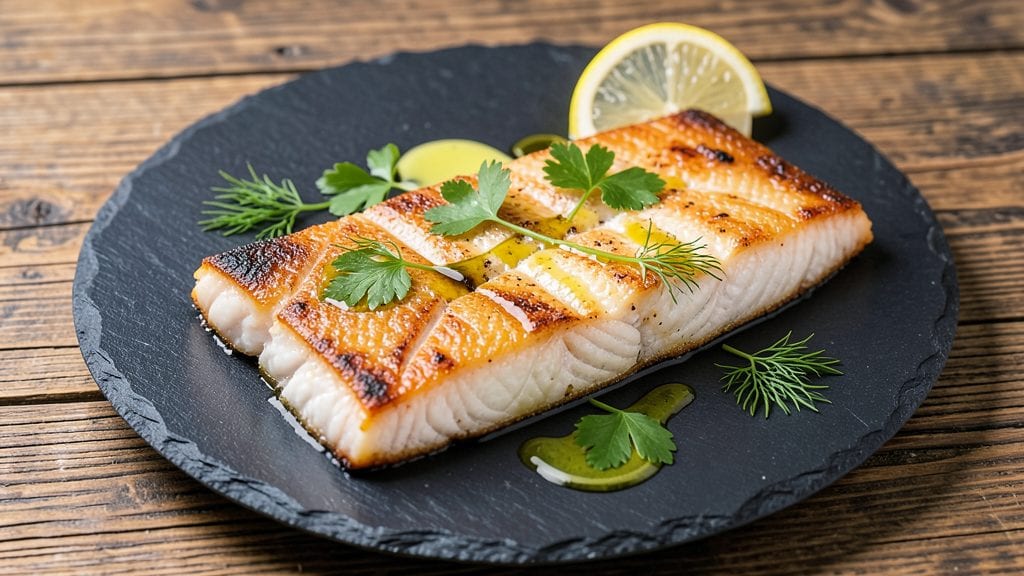
This baked haddock loin recipe delivers flaky perfection with a bright lemon-herb crust that seals in moisture while creating a delicate golden finish. After years of perfecting seafood baking, I’ve cracked the code for restaurant-quality results at home—no fancy equipment required.
The secret lies in precise timing and a simple herb blend that transforms ordinary fish into something extraordinary.
What sets this recipe apart is the technique: haddock loins are gently seasoned, topped with a zesty lemon-herb crust, and baked just long enough to achieve flaky tenderness without drying out.
The crust not only adds flavor but also helps create that coveted crisp edge while keeping the inside impossibly tender. This method works for both weeknight dinners and special occasions.
By the time your haddock emerges from the oven, you’ll have a dish that’s perfectly golden on the outside and melt-in-your-mouth flaky on the inside. The lemon-herb crust infuses every bite with bright, aromatic notes, while the fish itself remains moist and delicate.
Serve it with a simple side salad or roasted vegetables for a complete meal that feels both elegant and effortless.
This recipe is designed to be foolproof, with clear instructions for prepping the fish, baking it to perfection, and plating it beautifully. Whether you're a seafood novice or an experienced cook, these steps will guide you to a dish that’s sure to impress.
Let’s get started on creating your best baked haddock yet.
Ingredients for baked haddock loin
Nine simple ingredients transform haddock into restaurant-quality flaky perfection with golden crust.
| Ingredient | Amount | Notes |
|---|---|---|
| Haddock Loin 🐟 | 1 ½ lb | Skin-on, center-cut preferred |
| Extra-Virgin Olive Oil 🫒 | 2 tbsp | High quality, fruity flavor |
| Fresh Lemon Zest 🍋 | 1 tbsp | From 1 large organic lemon |
| Fresh Lemon Juice 🍋 | 2 tbsp | Freshly squeezed, no pulp |
| Fresh Parsley Leaves 🌿 | ¼ cup | Chopped, flat-leaf preferred |
| Fresh Dill Weeds 🌿 | ¼ cup | Chopped, not dried |
| Garlic Cloves 🧄 | 3 cloves | Minced, fresh preferred |
| Unsalted Butter 🧈 | 2 tbsp | Cold, cubed for crust |
| Kosher Salt 🧂 | 1 tsp | Fine grain preferred |
| Ground Black Pepper 🌶️ | ½ tsp | Freshly ground |
| All-Purpose Flour 🌾 | 1 tbsp | For crust adhesion |
| Fresh Thyme Leaves 🌿 | 1 tsp | Chopped, stems removed |
| Heavy Cream 🥛 | ¼ cup | Optional for plating |
The haddock is everything here. Center-cut loins stay moist longer than tail pieces, and skin-on gives you that perfect crisp edge. Grab yours from Whole Foods or your local fishmonger—they’ll know which ones are freshest. Look for bright, translucent flesh with no fishy smell (trust me, it’s a game-changer). If you can’t find haddock, cod or halibut work too, but haddock’s mild sweetness is ideal. For the lemon, organic is worth it—the zest has more flavor. I always buy a big one and use half for this recipe, saving the rest for drinks or desserts.
No fresh dill? Substitute 1 tbsp dried dill, but fresh is worth hunting down at a Latin market or even the salad bar. Running short on parsley? Cilantro works in a pinch, though it’s got a different vibe. The butter for the crust needs to be cold—take it out of the fridge just before using. For the flour, all-purpose works fine, but if you’ve got bread flour, use that for a slightly chewier crust. The heavy cream at the end? Totally optional, but it makes the plating look restaurant-worthy. If you skip it, just drizzle with a little extra olive oil instead.
This dish is best made fresh, but you can prep the lemon-herb crust ahead. Store the haddock in the fridge until ready to bake—it keeps 1-2 days wrapped tightly. The crust ingredients (butter, flour, herbs) can be mixed in a bowl up to 1 day ahead and stored in the fridge. Once baked, leftovers reheat beautifully in a 350°F oven for 5-7 minutes—just cover with foil to keep them moist. Serve immediately for that perfect flaky texture.
Why You'll Love This Recipe
- Here’s what sold me: that golden crust on the outside, flaky yet tender inside. The lemon zest clings to every bite, while the olive oil keeps it rich without drowning in butter. (Yes, even on a Tuesday night.)
- I’ll be real: most baked fish leftovers are sad. Not this. The haddock stays moist, and reheating it in a pan with a splash of lemon juice? It’s like eating it fresh. Plus, it’s budget-friendly—one fillet feeds two, and the rest freezes beautifully.
Step-by-step instructions for lemon-herb crust baked haddock
Here's how to achieve that signature flaky crust and tender center every time.
Prepare the Haddock and Seasoning
Pat the 1.5 lb haddock loin completely dry with paper towels—this is crucial for that perfect crust. You want it bone dry so the seasoning adheres and the skin gets crispy. Place the fish on a clean cutting board and make a few shallow slits in the skin using a sharp knife, about ¼ inch apart. This helps the lemon-herb butter penetrate deeper.
In a small bowl, combine the 1 tbsp fresh lemon zest, 1 tsp kosher salt, 0.5 tsp ground black pepper, 1 tsp fresh thyme leaves, 0.25 cup fresh parsley leaves, and 0.25 cup fresh dill weeds. Rub this mixture all over the haddock, pressing gently to ensure the seasoning sticks. Let it sit at room temperature for 15 minutes while you prepare the crust.
Create the Lemon-Herb Butter Crust
In a small bowl, mix the 2 tbsp unsalted butter (cold, cubed), 1 tbsp all-purpose flour, 2 tbsp fresh lemon juice, 3 minced garlic cloves, and a pinch of kosher salt. Use your fingers to work the mixture until it forms a crumbly but cohesive paste—it should look like coarse sand with some butter chunks still visible. This texture is perfect for creating that signature crust.
Spread the lemon-herb butter mixture evenly over the haddock, pressing it gently into the slits and all over the top. The butter should melt slightly but still hold its shape. If it feels too soft, chill the haddock for 10 minutes in the refrigerator while you preheat the oven.
Bake to Flaky Perfection
Preheat your oven to 400°F and position a rack in the center. Place the haddock on a parchment-lined baking sheet, skin-side up. Bake for 12-15 minutes until the skin is deep golden brown and crispy, and the internal temperature reaches 145°F when measured with an instant-read thermometer. The fish should flake easily with a fork, and the crust should hold together when lifted gently.
Here's the thing—don't overbake. The moment the crust turns golden and the fish releases easily from the pan, it's done. Haddock cooks quickly and continues to carry over in heat, so pull it out just before you think it's ready. Let it rest for 5 minutes before serving to allow the juices to redistribute.
Finish with Lemon Cream (Optional)
For an elegant presentation, warm the 0.25 cup heavy cream in a small saucepan over low heat until it just begins to simmer. Pour it over the baked haddock and let it sit for 1 minute to create a silky sauce. Garnish with additional fresh parsley leaves and a sprinkle of fresh lemon zest for a bright finish.
Serve immediately with lemon wedges on the side—this dish is best enjoyed while the crust is still crisp and the fish is warm. The contrast between the flaky, buttery crust and the tender, lemon-kissed fish makes every bite unforgettable. Trust me, this method delivers that restaurant-quality result you're after.
Pro Tips For Making Baked Haddock Loin
- Preheat Like a Pro: Crank your oven to 400°F (200°C) and let it scream for 10 minutes before adding the haddock—this isn’t the time to be patient. I learned this the hard way when my fish came out undercooked because the oven was still warming up. A hot oven = crispy skin, not sad, soggy edges.
- Dry That Fish: Pat the haddock loin thoroughly with paper towels—no wet spots, no excuses. Moisture is the enemy of crispy skin, and haddock releases water like a faucet. I skip this step sometimes, and the result is always a sad, limp texture. Trust me, it takes 30 seconds and makes all the difference.
- Zest Before Juice: Grate the lemon zest first, then juice it—this keeps the bright, aromatic oils from bleeding into the juice and diluting the flavor. I used to mix them together, and the dish always tasted a little flat. Save the zest for the fish, then use the juice separately for the sauce or drizzle.
- Don’t Overcrowd the Pan: Give the haddock loins space—crowding steams the fish instead of browning it. A single layer with just a light brush of olive oil is all it needs. I once stuffed two loins into a small pan, and they ended up greasy and undercooked. Less is more, even if it means two batches.
Best sauces and condiments for this recipe
Classic Lemon Butter Sauce
This bright, zesty sauce is the perfect complement to the lemon-herb crust. In a small saucepan, combine 2 tbsp unsalted butter, 2 tbsp fresh lemon juice, 1 tbsp heavy cream, and 1 tsp minced shallots.
Simmer over low heat for 3 minutes until the butter melts completely and the sauce thickens slightly. Strain through a fine-mesh sieve to remove any shallot bits, then drizzle over the baked haddock tableside for an elegant finish. 🍋
Garlic Aioli
For a rich, garlicky contrast, blend ½ cup mayonnaise, 2 tbsp sour cream, 1 tbsp fresh lemon juice, 2 minced garlic cloves, and ½ tsp Dijon mustard until smooth. Serve this cool, creamy sauce on the side for dipping or spooning over the haddock.
I like to add a pinch of cayenne pepper for subtle heat—adjust to taste. This sauce pairs beautifully with the crispy crust while balancing the lemon notes.
Herbed White Wine Sauce
Sauté 2 tbsp chopped shallots in 1 tbsp olive oil over medium heat for 2 minutes. Deglaze with ½ cup dry white wine and reduce by half. Stir in 1 tbsp chopped parsley, 1 tsp chopped dill, and 1 tbsp cold butter until incorporated.
This sauce adds depth and a sophisticated touch to the dish, especially when served with roasted asparagus or a simple green salad. 🍷
Caper-Tomato Relish
For a tangy, briny contrast, mix ¼ cup chopped Kalamata olives, 2 tbsp chopped capers, 2 tbsp finely diced tomatoes, 1 tbsp fresh parsley, and 1 tsp red wine vinegar. Spoon this vibrant relish alongside the haddock for a Mediterranean-inspired twist.
The briny capers and olives cut through the richness of the fish, while the tomatoes add a touch of acidity. This is my go-to when I want something different from traditional butter sauces.
Creamy Dill Sauce
Blend ½ cup sour cream, 2 tbsp mayonnaise, 1 tbsp fresh dill, 1 tbsp fresh lemon juice, and ½ tsp garlic powder until smooth. This cooling, herbaceous sauce enhances the dill in the crust and adds a creamy texture.
I often serve it chilled in a small bowl alongside the haddock, especially when pairing with roasted potatoes or steamed vegetables. The dill-forward flavor ties everything together beautifully. 🌿
Spicy Mango Salsa
For a tropical twist, dice ½ cup ripe mango, ¼ cup red bell pepper, 2 tbsp red onion, and 2 tbsp cilantro. Toss with 1 tbsp lime juice, ½ tsp chili powder, and a pinch of salt.
This sweet-spicy salsa adds a refreshing contrast to the rich, buttery haddock. The acidity from the lime cuts through the fat, while the mango adds a bright, juicy element. Perfect for summer dinners or when you want to shake up the classic presentation. 🌶️
Nutrition facts
Frequently asked questions
Can I substitute cod or halibut for haddock in this recipe?
Both cod and halibut work beautifully as substitutes, though haddock's slightly sweeter flavor is ideal. Use the same baking time and temperature, but check for doneness at 140°F internal temp for cod (it's more delicate). Halibut can handle 145°F like haddock. The lemon-herb crust recipe remains identical.
Why does my baked fish sometimes turn out dry?
Overcooking is the #1 culprit—haddock cooks fast! Use an instant-read thermometer and pull it out at 145°F (it'll rise to 150°F while resting). Also ensure your fish is completely dry before seasoning (pat with paper towels), and don't overcrowd the pan. The crust helps seal in moisture, but proper prep is key.
How do I make this recipe ahead of time?
Prep the lemon-herb crust mixture up to 1 day ahead and store in the fridge. Keep the raw haddock wrapped tightly in the fridge until ready to bake. For leftovers, reheat covered with foil at 350°F for 5-7 minutes—the crust will soften slightly but still taste amazing. Never reheat in the microwave.
Can I bake this without skin for a quicker cook?
Skinless haddock will cook 2-3 minutes faster, but you'll miss that signature crispy edge. If you prefer skinless, brush the top with extra olive oil and sprinkle with 1 tbsp breadcrumbs before baking. The texture won't be identical, but it'll still be delicious. For best results, stick with skin-on.
What's the best way to test if the fish is done?
Use the fork test: gently insert a fork—if it flakes easily with minimal resistance, it's perfect. The crust should be deep golden brown, and the internal temp should read 145°F. If you don't have a thermometer, cut a small slice and check for opacity (should be completely white, not translucent).