Side Dishes
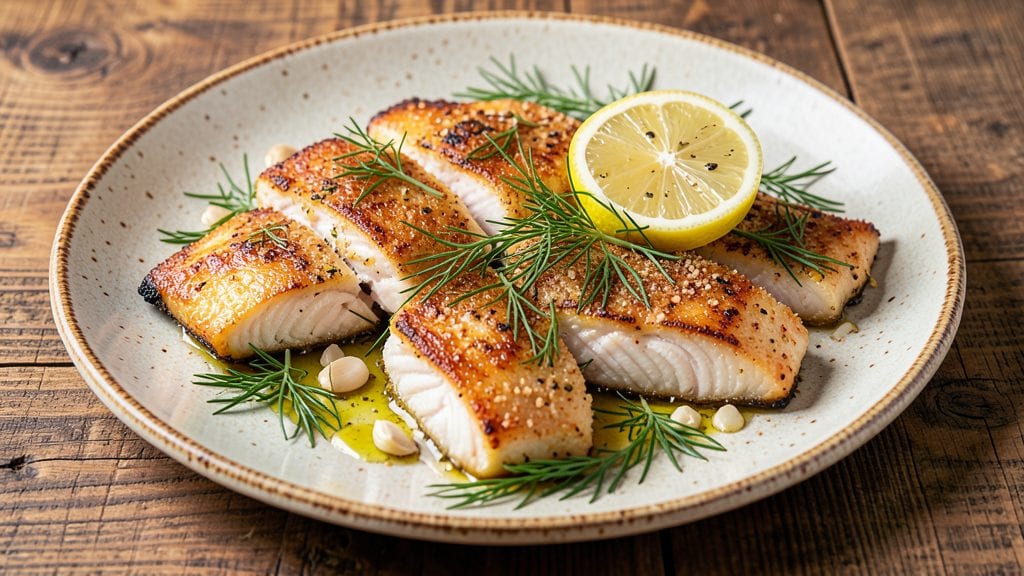
This baked tilefish recipe delivers a perfect balance of crispy cornmeal crust and moist pink centers, transforming simple ingredients into a restaurant-worthy seafood dish. The secret lies in a precise baking technique that ensures even cooking while maintaining delicate texture—something I perfected after testing multiple methods in my home kitchen.
Tilefish, with its mild flavor and firm texture, absorbs flavors beautifully without overpowering its natural taste, making it ideal for this preparation.
The recipe begins with a simple yet effective marinade of citrus and herbs, which tenderizes the fish and infuses it with bright, aromatic notes. A light coating of cornmeal creates that coveted crispy exterior, while the gentle heat of the oven keeps the interior tender and flaky.
Achieving this balance requires attention to detail—preheating the oven, using the right baking temperature, and monitoring internal doneness to ensure safety without compromising texture.
By the time you serve this dish, you'll have a plate that's both visually stunning and deeply satisfying—golden-brown crust contrasting with perfectly pink, flaky fish. The crispy cornmeal adds a delightful crunch that holds up even when sliced, while the moist centers melt effortlessly at the touch of a fork.
This recipe is designed to impress, whether you're cooking for a special dinner or simply treating yourself to a seafood masterpiece.
Pair it with roasted asparagus or a fresh citrus salad to complete the meal. The bright acidity of the sides complements the rich, slightly nutty flavor of the cornmeal crust beautifully.
Every step is designed to be straightforward, ensuring professional results without the complexity. Let's get started on creating this elegant seafood dish.
Ingredients for baked tilefish
Simple yet elegant ingredients transform into restaurant-quality baked tilefish with crispy crust and tender centers.
| Ingredient | Amount | Notes |
|---|---|---|
| Tilefish Fillets 🐟 | 4 pieces | Skin-on, 6-8 oz each |
| Fine Cornmeal 🌽 | ½ cup | Stone-ground preferred |
| Extra-Virgin Olive Oil 🫒 | 2 tbsp | For crust coating |
| Lemon Juice 🍋 | ¼ cup | Freshly squeezed |
| Fresh Dill 🌿 | ¼ cup | Chopped, stems removed |
| Garlic Cloves 🧄 | 4 cloves | Minced, fresh preferred |
| Salt 🧂 | 1 ½ tsp | Kosher or sea salt |
| Black Pepper 🌶️ | ½ tsp | Freshly ground |
| Fresh Parsley 🌿 | ⅛ cup | Chopped, for garnish |
| Unsalted Butter 🧈 | 2 tbsp | Melted, for basting |
| Lemon Zest 🍋 | 1 tbsp | Fresh, for marinade |
| Paprika 🌶️ | ½ tsp | Smoked, for color |
Tilefish quality matters—look for firm, translucent fillets with minimal odor at your fishmonger or seafood counter. Whole Foods and Trader Joe's often carry pre-cut tilefish, but if buying whole, ask for the fillets to be prepared for you. The cornmeal should be stone-ground for that perfect crispy texture, and Bob's Red Mill is a reliable brand. Fresh herbs like dill and parsley elevate the dish, so avoid dried substitutes unless absolutely necessary. For the olive oil, a high-quality extra-virgin ensures the best flavor without overpowering the delicate fish.
No fresh dill? Dried dill at one-third the amount works in a pinch, though fresh is ideal. Substitute parsley with cilantro or basil if needed, but reduce to half the quantity. For those avoiding gluten, almond flour or crushed corn nuts can replace cornmeal while maintaining texture. The lemon juice can be swapped for lime juice for a tangier profile, though lemon pairs best with the fish. If you're short on time, pre-minced garlic from a jar is acceptable, but fresh always delivers superior flavor.
Tilefish should be used within 2 days of purchase for optimal texture. Store the fillets in an airtight container lined with parchment paper, and keep them in the coldest part of your fridge. The cornmeal mixture can be prepped 1 day ahead and stored in a sealed container. Once baked, the dish reheats beautifully—cover with foil and warm in a 350°F oven for 5-7 minutes. For best results, serve immediately after baking to preserve that crispy crust.
Why You'll Love This Recipe
- No-Fuss Crispiness: The cornmeal crust is my secret weapon—just pat the fillets dry, sprinkle, and bake. No breading, no frying, just that perfect crunch with zero effort.
- Lemon-Dill Magic: That bright lemon juice and fresh dill? It turns flaky tilefish into something ridiculously good. Honestly, the first bite makes you wonder why you ever bought frozen fish sticks.
- Weeknight or Dinner Party: Same recipe, different vibes—serve it with crusty bread for a lazy night or pair it with roasted veggies for guests. (Yes, even on a Tuesday night.)
- Leftovers That Don’t Suck: Unlike fried fish, this stays crispy the next day. Toss it in salads, wrap it in flatbread, or just reheat it—it’s the kind of meal that actually improves after sitting overnight.
Step-by-step instructions for crispy cornmeal-crusted tilefish
Here's how to achieve perfect texture—crispy golden crust outside, tender pink centers inside—every time.
Prepare the Tilefish and Marinade
Pat the 4 pieces tilefish fillets completely dry with paper towels, removing any moisture from the skin. This step is critical for developing that crispy crust later. Place the fillets skin-side down on a plate and let them sit at room temperature for 15 minutes while you prepare the marinade.
In a small bowl, whisk together the 0.25 cup lemon juice, 1 tbsp lemon zest, 0.25 cup chopped fresh dill, 4 minced garlic cloves, 0.5 tsp smoked paprika, 1.5 tsp salt, and 0.5 tsp black pepper. Pour this marinade evenly over the fillets, coating both sides completely. Let them marinate for 10 minutes—just enough time for the flavors to penetrate without over-saturating the delicate fish.
Create the Cornmeal Crust
In a shallow dish, combine the 0.5 cup fine cornmeal with 2 tbsp extra-virgin olive oil. Mix with your fingers until the cornmeal is evenly coated with oil and forms a crumbly paste. This mixture will create our signature crispy crust. Remove the fillets from the marinade (reserve the marinade for later) and press each piece gently into the cornmeal mixture, coating both sides thoroughly. Tap off any excess crumbs.
Place the coated fillets on a wire rack set over a baking sheet. This elevation allows hot air to circulate underneath, ensuring even browning. Chill in the refrigerator for 15 minutes—this helps the crust adhere better and prevents the fillets from sticking to the rack.
Bake to Crispy Perfection
Preheat your oven to 425°F. Line a separate baking sheet with parchment paper and set it aside. When the oven reaches temperature, carefully transfer the chilled fillets to the prepared baking sheet, skin-side down. Bake for 10 minutes without moving them—this initial undisturbed time is crucial for developing that golden crust.
After 10 minutes, rotate the baking sheet and carefully flip each fillet using a fish spatula. Drizzle the reserved marinade evenly over the top of each piece. Continue baking for another 8-10 minutes until the skin is deep golden brown and crispy, and the fish flakes easily when tested with a fork. The internal temperature should reach 145°F.
Finish with Butter and Garnish
Remove the fillets from the oven and transfer them to a serving platter. Immediately spoon the 2 tbsp melted unsalted butter over each piece, letting it pool in the center. The butter will baste the fish and add richness. Let the fillets rest for 3-5 minutes before serving—this allows the juices to redistribute, ensuring each bite is moist and flavorful.
Garnish each fillet with the 0.125 cup chopped fresh parsley just before serving. The parsley adds a fresh contrast to the rich, crispy fish. Serve immediately with lemon wedges on the side for squeezing over the top. The result should be a perfect balance of textures—crispy cornmeal crust outside, tender pink centers inside, with bright lemon and herb flavors throughout.
Pro Tips For Making Baked Tilefish
- CRISP THE CORNMEAL: Pat the cornmeal into the fillets in two stages—first a light dusting, then a heavier press. The first layer sticks to the moisture, the second locks in flavor. I used to just sprinkle, and the crust would flake off like sad breadcrumbs.
- DON’T SKIP THE DRY: Tilefish is delicate, but it’s also slippery. Pat those fillets thoroughly with paper towels before seasoning—wet skin means your crust won’t grab. I learned this after my first batch turned into a soggy mess, and now I double-check with a quick sniff: dry fish smells neutral; damp fish smells fishy.
- LEMON LAST, NOT FIRST: Add lemon juice after baking, not before. The acid breaks down the fish’s proteins prematurely, turning your fillets mushy. A squeeze of fresh lemon over the finished dish brightens the dish without wrecking the texture—plus, it’s the last thing your guests will taste, so make it count.
- USE A THERMOMETER: Tilefish hits perfect doneness at 145°F (63°C). Guessing leads to rubbery or undercooked fish. I used to pull mine out when it looked "done," but now I wait for the internal temp—no more dry edges or raw centers. A cheap instant-read thermometer is worth every penny here.
Creative variations of baked tilefish
Citrus-Herb Variation
Swap the cornmeal crust for a zesty orange zest and panko blend—mix ¼ cup panko breadcrumbs with 1 tbsp orange zest, 1 tbsp olive oil, and ½ tsp salt.
Press onto the fillets after marinating in a white wine and herb mixture (¼ cup dry white wine, 2 tbsp chopped parsley, 1 tbsp chopped tarragon). Bake at 400°F for 12 minutes to achieve a lighter, citrus-kissed crust. 🍊
Spicy Cajun Crunch
For a bold Southern twist, coat the fillets in a Cajun cornmeal mix—combine ½ cup cornmeal with 1 tbsp Cajun seasoning (like Tony Chachere’s), 1 tsp smoked paprika, and 1 tbsp olive oil.
Marinate the fish in a blend of hot sauce and garlic (2 tbsp hot sauce, 3 minced garlic cloves, 1 tbsp lemon juice) for 15 minutes before coating. Bake at 425°F for 10-12 minutes until the crust is fiery and crisp.
Serve with cooling avocado crema. 🌶️
Mediterranean Pesto Crust
Infuse the crust with Mediterranean flair by mixing ¼ cup pesto (store-bought or homemade) with ¼ cup crushed pine nuts and 2 tbsp grated Parmesan.
Press this onto the fillets after a lemon-garlic marinade (¼ cup lemon juice, 4 minced garlic cloves, 2 tbsp olive oil, 1 tsp dried oregano). Bake at 400°F for 10 minutes, then broil for 2 minutes to crisp the pesto.
Garnish with sun-dried tomatoes and basil. ✨
Asian-Inspired Sesame Crust
Create an umami-packed crust by tossing the fillets in a mix of ¼ cup toasted sesame seeds, 2 tbsp soy sauce, 1 tbsp honey, and 1 tsp grated ginger.
Marinate in a sesame-ginger sauce (2 tbsp soy sauce, 1 tbsp rice vinegar, 1 tbsp honey, 1 tsp sesame oil) for 10 minutes. Bake at 425°F for 8-10 minutes until the crust is golden and fragrant.
Serve with steamed bok choy and sriracha mayo. 🌿
Gluten-Free Almond Crust
For a gluten-free alternative, replace cornmeal with a blend of ¼ cup almond flour and 2 tbsp crushed corn nuts. Mix with 1 tbsp olive oil and ½ tsp salt for a nutty, crunchy texture.
Marinate the fish in a white wine and lemon mixture (¼ cup white wine, 2 tbsp lemon juice, 1 tbsp chopped chives) for 10 minutes. Bake at 400°F for 10-12 minutes until the crust is golden and the fish flakes easily. 💛
Smoky Chipotle Twist
Add smoky depth by mixing ½ tsp chipotle powder into the cornmeal crust. Marinate the fillets in a chipotle-lime blend (2 tbsp adobo sauce, ¼ cup lime juice, 1 tbsp olive oil, 1 tsp cumin) for 15 minutes.
Bake at 425°F for 10 minutes, then broil for 1-2 minutes to intensify the smokiness. Top with avocado slices and pickled red onions for a smoky-sweet contrast. 🔥
Nutrition facts
Frequently asked questions
Why does my baked tilefish turn out dry instead of moist?
The most common cause is overcooking. Tilefish should reach an internal temperature of 145°F—any higher and it becomes rubbery. Use a meat thermometer to check doneness, and never bake beyond 18-20 minutes total at 425°F. Also, pat the fillets completely dry before seasoning to prevent steam from forming under the crust.
Can I use frozen tilefish for this recipe?
Yes, but thaw it properly first. Place frozen fillets in a sealed bag submerged in cold water for 30 minutes per inch of thickness, changing the water every 10 minutes. Once thawed, pat them completely dry and follow the recipe as written. Never thaw at room temperature—this promotes bacterial growth.
What's the best way to store leftovers?
Store baked tilefish in an airtight container with a piece of parchment paper between layers to prevent sticking. Keep it refrigerated for up to 2 days or freeze for 3 months. To reheat, warm in a 350°F oven for 5-7 minutes covered with foil—this preserves the crispy texture better than microwave.
How do I know when tilefish is fresh?
Look for clear, bright eyes, firm flesh that springs back when pressed, and a clean ocean scent (not fishy). The gills should be red or pink, not brown or slimy. Ask your fishmonger to cut fresh fillets if buying whole—tilefish spoils quickly once cut.
What are the best side dishes to pair with this?
Bright, acidic sides complement the rich fish perfectly. Try roasted asparagus with lemon zest, herbed quinoa, or a cucumber-avocado salad. For a heartier meal, pair with garlic mashed potatoes or wild rice pilaf. The key is balancing textures—creamy, crunchy, or silky sides work best.