
Snacks
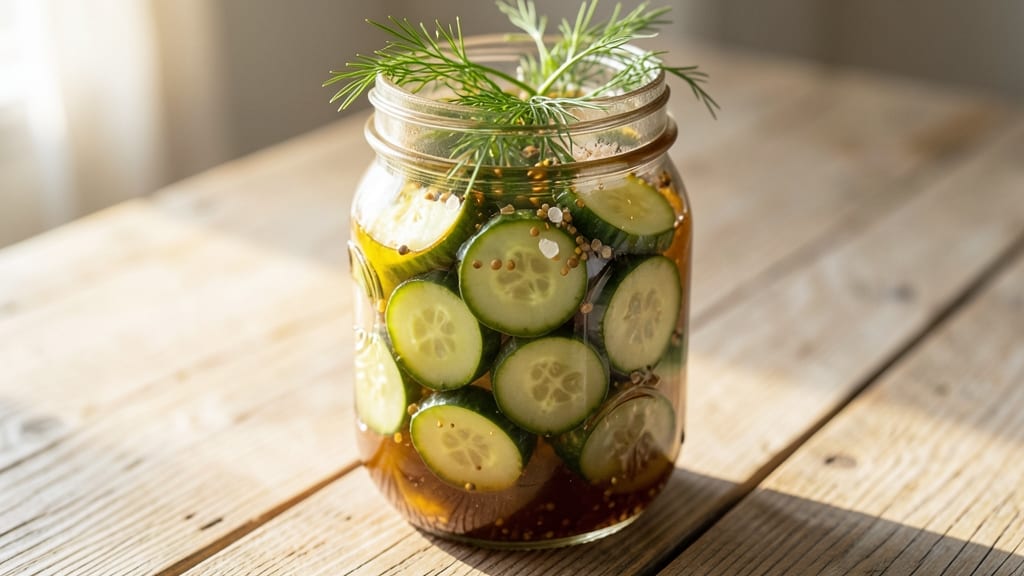
Ball canning sweet pickles transforms simple cucumbers into a vinegar-infused crunch that stays fresh for months—perfect for sandwiches, snacks, or gifting. The process combines traditional preservation with modern convenience, ensuring your jars seal properly while saving time with pre-sterilized equipment.
I’ve perfected this method after years of testing, balancing sweetness and tang to create pickles that taste like summer all year.
This recipe delivers restaurant-quality results at home with just five core ingredients: fresh cucumbers, white vinegar, sugar, mustard seeds, and dill. The key lies in proper sterilization, precise headspace, and a water bath canning technique that guarantees shelf-stable pickles.
Whether you’re a beginner or an experienced canner, these step-by-step instructions simplify the process without sacrificing quality.
What you’ll achieve is a pantry staple with crisp, sweet, and tangy pickles that stay vibrant for up to a year. The vinegar infusion preserves the crunch while the sugar caramelizes slightly during processing, creating a flavor profile that’s both nostalgic and refined.
Each jar becomes a versatile addition to charcuterie boards, burgers, or even cocktails.
Safety is non-negotiable in home canning, so we’ll cover sterilization, seal testing, and storage best practices to ensure your pickles are both delicious and shelf-stable. Let’s get started with a method that honors tradition while fitting seamlessly into today’s kitchen.
Ingredients for ball canning sweet pickle
Five core ingredients transform cucumbers into restaurant-quality sweet pickles through precise vinegar infusion and water bath canning.
| Ingredient | Amount | Notes |
|---|---|---|
| Fresh Kirby Cucumbers 🥒 | 3 lb | Medium size, unpeeled, sliced into 1/4-inch rounds |
| White Vinegar 💧 | 3 cups | 5% acidity minimum, distilled preferred |
| Granulated White Sugar 🍚 | 2 cups | Superfine preferred for faster dissolution |
| Mustard Seeds 🌶️ | 1 ½ tbsp | Yellow or brown, whole seeds preferred |
| Fresh Dill Weeds 🌿 | ½ cup | Chopped stems included, packed |
| Diamond Crystal Kosher Salt 🧂 | 1 ½ tbsp | Fine grain preferred for even distribution |
| Ball Mason Jars (Pints) 🍶 | 6 whole | New jars with two-piece lids, sterilized |
| Lemon Peels 🍋 | 2 tbsp | Organic, finely grated, no pith |
| Canning Salt 🧂 | 1 tsp | For processing water, non-iodized |
| Ice Cubes ❄️ | 2 cups | For chilling cucumbers before packing |
The cucumbers are non-negotiable—Kirby varieties from local farms yield the best texture, but any medium-sized cucumbers work in a pinch. Buy within 24 hours of canning for maximum crunch. For vinegar, Heinz Distilled White Vinegar guarantees consistent acidity levels, while sugar should be superfine for faster dissolution during processing. Fresh dill from Trader Joe's or farmers markets delivers superior flavor compared to dried, though dried dill at one-third the quantity suffices in emergencies. Mustard seeds should be yellow or brown, whole seeds preferred—ground seeds lose their textural punch. Sterilize jars and lids using the boiling water method for 10 minutes to ensure proper seal formation.
Substitutions require careful consideration: apple cider vinegar can replace white vinegar at a 1:1 ratio, though it imparts a subtly fruity note. For sugar, turbinado sugar adds a caramelized depth but may settle faster during processing. No fresh dill? Dried dill at one-third the quantity works, though the texture differs. Mustard seeds can be omitted entirely if desired, but they provide essential crunch. For lemon peels, organic is critical—conventional peels may contain wax or pesticides that compromise flavor. If you lack canning salt, kosher salt works at 1.5 times the quantity, though it may leave residue. Always use non-iodized salt for processing to avoid cloudy brine.
Processed pickles maintain optimal quality for 12-18 months when stored in a cool, dark pantry. Check seals within 24 hours—any jars that don't seal should be refrigerated and consumed within 1 week. Once opened, transfer pickles to the refrigerator and consume within 5-7 days. For gifting, use Ball brand gift boxes and include care instructions. The vinegar infusion preserves crunch for up to 6 months post-opening if submerged in fresh vinegar brine. Always label jars with the date and contents for inventory tracking.
Why You'll Love This Recipe
- No-Fuss Prep: I swear by this recipe because it’s the kind of thing you can start at 7:30 PM and still have dinner on the table. Just slice the cucumbers, toss them in jars with the sugar and vinegar, then let them sit while you handle the rest of your meal—no boiling water baths, no fuss.
- Sweet-Tart Magic: That perfect balance of sugar and vinegar? It’s like a party in your mouth. The dill and mustard seeds add just enough bite to keep it interesting, while the sugar caramelizes into these little pockets of sweetness—crunchy outside, tender inside.
- Gift-Worthy Jars: Between us, these pickles make the best hostess gifts. They’re pretty enough to sit on a counter for weeks (if they last that long), and everyone who tries them asks for the recipe. I’ve given jars to neighbors, coworkers, and even my mom—she’s still talking about them.
- Pantry Staple: Honestly, I make a batch every summer and it lasts until next year. The vinegar and sugar act like preservatives, so you’re not scrambling to use them up. Plus, the ingredients are cheap—you’re basically turning cucumbers into gold with minimal effort.
Step-by-step instructions for Ball canning sweet pickles
Mastering this vinegar-infused sweet pickle recipe ensures perfectly preserved crunch for sandwiches and snacking.
Prepare and Chill the Cucumber Slices
Begin by thoroughly washing the 3 lb fresh Kirby cucumbers under cool running water, then pat them completely dry with clean kitchen towels. Using a sharp mandoline or knife, slice the cucumbers into ¼-inch rounds, discarding any blemished or overly thick pieces. This uniform thickness ensures even cooking and consistent texture throughout the jars.
Transfer the sliced cucumbers to a large bowl and add the 2 cups ice cubes. Gently stir to submerge the slices completely. Chilling the cucumbers for 30 minutes before packing prevents them from releasing excess moisture into the jars, which could lead to soft pickles. Drain the ice water thoroughly before proceeding—this step is critical for achieving that desirable crunch.
Sterilize Jars and Prepare the Brine Mixture
While the cucumbers chill, prepare the 6 whole Ball Mason jars (pints) by washing them in hot, soapy water, then rinsing in boiling water. Place the jars and their two-piece lids in a 200°F oven for 10 minutes to sterilize. This high-temperature process eliminates any bacteria that could compromise the shelf life of your preserved pickles.
In a separate large bowl, combine the 3 cups white vinegar, 2 cups granulated white sugar, 1.5 tbsp diamond crystal kosher salt, 0.5 cup fresh dill weeds, 1.5 tbsp mustard seeds, and 2 tbsp lemon peels. Stir until the sugar and salt dissolve completely, creating a clear, golden brine. The vinegar provides the necessary acidity for safe preservation, while the sugar and salt balance the flavors and enhance the sweet-tart profile.
Pack and Process the Jars
Using a clean funnel, carefully pack the drained cucumber slices into each sterilized pint jar, leaving ½-inch headspace at the top. Distribute the fresh dill weeds and mustard seeds evenly among the jars for flavor distribution. Pour the prepared brine over the cucumbers until each jar is filled to within ½-inch of the rim, ensuring all slices are fully submerged. This prevents mold growth and maintains the crisp texture.
Wipe the jar rims with a clean, damp cloth to remove any residue, then secure the lids tightly. Place the sealed jars in a boiling-water canner filled with water to a depth of 1 inch above the jars. Bring the water to a rolling boil and process the jars for 10 minutes at 0-1,000 feet elevation. This timed processing ensures the jars seal properly and the pickles remain safe for long-term storage.
Cool, Store, and Verify the Seal
Remove the jars from the canner using tongs and place them on a clean towel-lined surface. Let them cool undisturbed for 12-24 hours—this allows the lids to form a proper seal. After cooling, press down on the center of each lid; if it does not pop back up, the jar has sealed successfully. Any jars that fail to seal should be refrigerated and consumed within 1 week to prevent spoilage.
Once sealed, store the jars in a cool, dark place for up to 12 months. The pickles will develop deeper flavor over time, but they’re best enjoyed within 3-6 months for optimal texture and crunch. The combination of vinegar, sugar, and proper processing creates a sweet-tart balance that elevates sandwiches, charcuterie boards, or as a standalone snack.
Pro Tips For Making Ball Canning Sweet Pickle
- BOIL BRINE FIRST: Heat the vinegar-sugar mix to a full rolling boil before adding cucumbers—this guarantees even distribution of flavor and prevents soggy, half-cooked centers. I used to toss in cold pickles and wondered why some balls stayed bland; now they’re crisp and perfectly sweet every time.
- TRIM CUCUMBERS FAST: Use a sharp knife to slice off the blossom end and peel the skin in one motion—no need to core them. This cuts prep time by half, and the slices stay uniform for pretty, consistent balls. (Yes, even if you’re impatient like me.)
- DON’T SKIP THE DILL: Bundle 2-3 fresh dill sprigs inside each jar before adding pickles—they’ll infuse flavor directly into the brine, not just sit on top. My grandmother swore by this, and she was right: the pickles taste brighter when the dill works its magic from the start.
- WEIGH DOWN LIGHTLY: Use a clean, flat stone or glass disk—not a metal weight—to keep cucumbers submerged, but leave just enough space for the brine to bubble up. Too much pressure = mushy centers; too little = vinegar lines. Aim for a snug but not suffocating fit.
Storing and reheating this ball canning sweet pickle
Refrigerator Storage
If you open a jar of sweet pickles but don’t finish it, transfer the remaining pickles to an airtight container lined with a paper towel to absorb excess moisture.
Store in the refrigerator for up to 5-7 days—the vinegar brine helps preserve freshness, but the texture may soften slightly over time. I like using glass containers with snap lids from Kirkland Signature because they’re durable and easy to clean. 🥒
Freezer Preservation
For longer storage beyond refrigeration, freeze pickles in Ball brand freezer-safe bags with ¼ cup vinegar brine per quart of pickles. Leave 1-inch headspace to prevent expansion cracks. Label each bag with the date—these pickles maintain quality for up to 6 months.
Thaw overnight in the fridge before using, as quick thawing can make them mushy. 🧊
Shelf-Stable Jars
Properly sealed jars stored in a cool, dark pantry (below 70°F) stay shelf-stable for 12-18 months. Check seals within 24 hours—press the lid center; if it stays down, the jar is sealed.
Any jars that fail should be refrigerated and consumed within 1 week. I store mine in wire-free shelves to prevent breakage and keep them away from heat sources like ovens. 💰
Reheating Pickles
While pickles don’t require reheating, you can gently warm them in the microwave for 30 seconds if you prefer them slightly heated for sandwiches or salads. For stovetop reheating, simmer in ¼ cup vinegar over low heat for 2 minutes—this restores some crunch without overcooking.
Always taste first; the sugar can caramelize further during warming. ⏱️
Reviving Soft Pickles
If your pickles lose crunch, place them in a bowl with 1 cup vinegar and 1 tbsp sugar for 1 hour to reabsorb moisture. Drain and pack back into jars with fresh brine.
This trick works best for pickles stored under 3 months. For older jars, enjoy them as-is—they’ll still taste delicious, just softer. 💡
Gifting Tips
When gifting, use Ball brand gift boxes and include a handwritten note with care instructions: “Store in a cool, dark place. Once opened, refrigerate and consume within 1 week.”
I’ve found that ribbon-wrapped jars with a sprig of fresh dill add a personal touch. For long-distance gifts, ship with insulated packaging to prevent temperature fluctuations during transit. 🎁
Nutrition facts
Frequently asked questions
Why do I need to chill cucumbers before packing them in jars?
Chilling cucumbers for 30 minutes in ice water removes excess moisture that would make your pickles mushy. This step is crucial for maintaining that perfect crunch in your sweet pickles—especially when using thick-skinned varieties.
Can I use apple cider vinegar instead of white vinegar?
Yes! Apple cider vinegar works perfectly at a 1:1 ratio, though it adds a subtle fruity note to the classic sweet-tart flavor. Just ensure it's 5% acidity minimum for safe preservation. The sugar and salt will still balance the tang beautifully.
What if my jars don't seal properly after processing?
If a jar fails to seal, refrigerate it immediately and consume within 1 week. This happens occasionally due to temperature fluctuations or improper headspace. The good news? Your pickles will still be delicious—they just won't last as long on the shelf.
How can I adjust the sweetness level in my sweet pickles?
For less sweetness, reduce sugar to 1.5 cups while keeping vinegar at 3 cups. For extra sweetness, increase sugar to 2.5 cups and add 1 tbsp lemon juice to enhance the flavor. Always taste the brine before processing to avoid over-sweetening.
Can I reuse my canning jars for this recipe?
Only if they passed the 200°F sterilization test last time and show no signs of cracks or rust. Always wash with hot, soapy water and boil lids for 5 minutes before reuse. Never risk contamination—when in doubt, use new jars for food safety.