
Main Courses
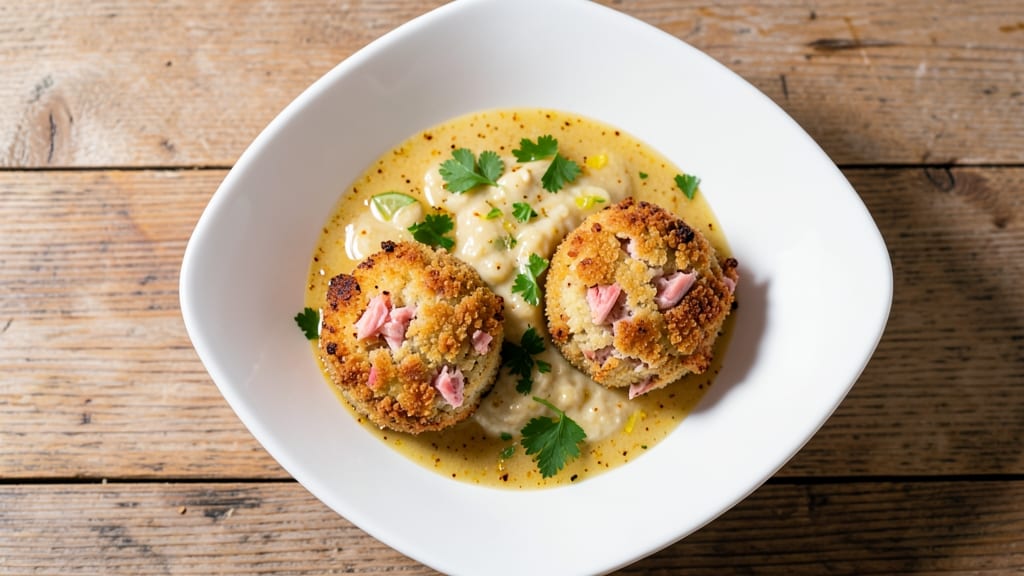
Baltimore-style crab cakes deliver that perfect balance of Old Bay-spiced crunch and juicy, tender centers—a dish so iconic it’s practically a Maryland institution. The secret lies in using lump crab meat (not imitation) and binding it just right with egg and breadcrumbs for that signature texture.
I’ve perfected this recipe over years of testing, ensuring every bite stays moist while the exterior gets golden and crispy.
What sets these apart is the technique: chilling the mixture before frying prevents crumbling, and cooking them low and slow guarantees even browning without drying out. The Old Bay seasoning isn’t just sprinkled on top—it’s worked into the mix, so every bite carries that familiar, bold Chesapeake flavor.
This isn’t just a recipe; it’s a taste of the Eastern Shore.
By the time you’re done, you’ll have crab cakes that are crispy on the outside, melt-in-your-mouth tender inside, and packed with that unmistakable Old Bay punch. Serve them with a tangy remoulade sauce or a squeeze of lemon to cut through the richness.
These are the kind of crab cakes that make people ask for seconds—and thirds.
Whether you’re hosting a seafood feast or treating yourself to a special dinner, this recipe delivers restaurant-quality results at home. The best part? It’s fully pescatarian, though you can easily swap in finely chopped mushrooms or hearts of palm for a vegetarian version. Let’s get cooking!
Ingredients for baltimore style crab cakes
Juicy crab meat, crispy crusts, and that iconic Old Bay kick—here's what you'll need.
| Ingredient | Amount | Notes |
|---|---|---|
| Fresh Lump Crab Meat 🦀 | 1 ½ lbs | Backfin preferred, not imitation |
| Old Bay Seasoning 🌶️ | 2 tbsp | Classic, not the low-sodium version |
| Panko Breadcrumbs 🍞 | ½ cup | Light and crispy, not fine crumbs |
| Large Eggs 🥚 | 2 whole | Room temperature for best binding |
| Mayonnaise 🥫 | 2 tbsp | Duck egg preferred for richness |
| Fresh Lemon Juice 🍋 | 1 tbsp | Freshly squeezed, not bottled |
| Extra-Virgin Olive Oil 🫒 | ¼ cup | For frying, 350°F temperature |
| Fresh Chives 🌿 | 2 tbsp | Finely chopped, for garnish |
| Diamond Crystal Kosher Salt 🧂 | ½ tsp | For seasoning, not table salt |
| Ground Black Pepper 🌶️ | ¼ tsp | Freshly ground, light hand |
| All-Purpose Flour 🌾 | 2 tbsp | For dredging before frying |
| Unsalted Butter 🧈 | 2 tbsp | For extra richness in frying |
The crab meat makes or breaks these crab cakes. Backfin lump crab is the gold standard—it's sweeter and holds together better than imitation. You'll find it at Whole Foods, Trader Joe's, or your local seafood market (ask for it fresh, not canned). If you're using frozen, thaw it overnight in the fridge, not under running water—it gets mushy. The Old Bay seasoning? Don't cut corners here. The classic McCormick version has the perfect balance of celery, paprika, and black pepper. I usually buy it in bulk because I go through it fast—it's the heart of that Baltimore flavor. For the breadcrumbs, Panko is non-negotiable. It stays crispy while regular breadcrumbs turn soggy. Toast it lightly in a dry pan first if you want extra crunch.
No lump crab? Finely chopped fresh crab clusters work in a pinch, but texture will differ. Short on Old Bay? Mix 1 tbsp paprika, 1 tsp celery salt, 1 tsp black pepper, and 1/2 tsp cayenne—it's not identical but gets you close. The mayonnaise acts as a binder, but if you're avoiding it, Greek yogurt or mashed avocado works too (though flavor will shift). For the lemon juice, bottled works in a bind, but fresh makes a difference. Pro tip: If your crab cakes are too loose, add 1 extra tbsp of breadcrumbs. Too dense? Whisk an extra egg. And always chill the mixture for 30 minutes before frying—this prevents crumbling. Trust me on this one.
These crab cakes are best served immediately, but you can prep the mixture ahead and refrigerate it overnight. For storage, keep them in an airtight container with parchment between layers—they'll stay fresh for 2 days. Freezing isn't ideal (texture suffers), but if you must, fry them fresh and freeze on a tray before transferring to a bag. They reheat beautifully in a skillet with a splash of butter. The remoulade sauce you serve with them? Make it fresh too—store-bought just doesn't cut it. These crab cakes are worth the effort, so don't rush the process. Every bite should be a taste of the Eastern Shore.
Why You'll Love This Recipe
- No-Fuss Assembly: I swear, these come together faster than takeout. Just mix the crab meat with mayo, Old Bay, and panko—no chopping, no fuss—then shape and fry. My lazy Sundays just got a serious upgrade.
- Old Bay Magic: That spice blend isn’t just seasoning—it’s the soul of these crab cakes. Sweet, smoky, and just a little kick, it turns simple ingredients into something ridiculously good. Honestly, I’d argue Old Bay makes the dish.
- Tailgate or Tea Party: Serve them crispy on a tray with lemon wedges at a backyard BBQ, or stack them on a charcuterie board for a fancy dinner. They’re equal parts crowd-pleaser and showstopper—no pretension, just pure satisfaction.
- Leftovers That Don’t Suck: Unlike most fried foods, these reheat like a dream—pan-fry them gently until golden, and they’ll taste almost as good the next day. (Yes, even on a Tuesday night.) Plus, the mayo keeps them moist, so no dry, sad crab cake leftovers here.
Step-by-step instructions for Baltimore-style crab cakes
Here's how to achieve that signature Baltimore crunch with perfectly juicy centers every time.
Prepare the Crab Mixture
In a large mixing bowl, gently combine the 1.5 lbs fresh lump crab meat with the 2 tbsp mayonnaise and 1 tbsp fresh lemon juice. The lemon juice brightens the crab while the mayo helps bind everything together. Use your hands to work the mixture just until fully incorporated—don't overmix or you'll break down the delicate crab texture.
In a separate small bowl, whisk together the 2 whole large eggs until well combined. This ensures even distribution when we fold them in. Add the eggs to the crab mixture and gently fold together. Here's the thing—you want to maintain as much air as possible in the mixture, so use a light hand when combining.
Next, add the 2 tbsp Old Bay seasoning, 0.5 tsp diamond crystal kosher salt, and 0.25 tsp ground black pepper to the crab mixture. The Old Bay is what gives these crab cakes their iconic Baltimore flavor profile. Stir gently until evenly distributed throughout the mixture. Taste a small spoonful—it should be seasoned but not overwhelming. If needed, adjust with a pinch more Old Bay or salt.
Add Binders and Chill
Incorporate the 0.5 cup panko breadcrumbs into the crab mixture, gently folding them in with a rubber spatula. The panko will create that signature crispy exterior while helping to bind the crab cakes together. Add the 2 tbsp all-purpose flour next, again folding it in just until combined. This extra flour helps create a better crust during frying.
Transfer the crab mixture to a rectangular baking dish and smooth the top with a spatula. Cover tightly with plastic wrap and refrigerate for at least 30 minutes—I prefer 1 hour if you have time. This chilling step is crucial as it allows the flavors to meld together and makes the crab cakes easier to handle when forming. The mixture should be firm but still pliable when you're ready to shape them.
Shape and Dredge the Crab Cakes
Remove the chilled crab mixture from the refrigerator and let it sit at room temperature for 5-10 minutes before shaping. This makes the mixture more workable. Using wet hands (I dip them in cold water and shake off the excess), form the crab mixture into 4 equal patties, each about ½-inch thick. The wet hands prevent the mixture from sticking and help create clean edges.
Place the 2 tbsp all-purpose flour on a plate and lightly dredge each crab cake, pressing gently to adhere. This extra flour coating creates that perfect crispy crust when frying. Arrange the dredged crab cakes on a plate and let them rest for 10 minutes while you prepare your frying station. This resting time helps the flour coating adhere better and prevents the crab cakes from falling apart during frying.
Fry to Golden Perfection
In a large skillet, heat 0.25 cup extra-virgin olive oil and 2 tbsp unsalted butter over medium heat until the butter melts and the mixture reaches 350°F. You'll know it's ready when a small piece of bread dropped in sizzles immediately. The combination of olive oil and butter creates a rich, flavorful frying medium that gives these crab cakes their signature richness.
Carefully place the crab cakes in the skillet, working in batches if needed to avoid overcrowding. Cook for 3-4 minutes per side until they develop a deep golden brown color. The key here is patience—don't rush the cooking process. You want that crust to form properly while keeping the centers juicy. You'll know they're ready when the edges are crisp and the internal temperature reaches 145°F at their thickest point.
Rest and Serve
Transfer the cooked crab cakes to a paper towel-lined plate to drain any excess oil. Let them rest for 2-3 minutes before serving. This brief resting period allows the internal juices to redistribute, ensuring each bite is perfectly moist. During this time, you can prepare your serving plate by sprinkling with the 2 tbsp finely chopped fresh chives for a pop of color and freshness.
Serve the crab cakes immediately while they're still crispy and warm. The exterior should be golden brown and crunchy, while the interior remains tender and juicy. Each bite should deliver that perfect balance of Old Bay seasoning, buttery richness from the frying, and the delicate sweetness of the fresh lump crab. For an authentic Baltimore experience, serve with a side of tartar sauce and a crisp green salad.
Pro Tips For Making Baltimore Style Crab Cakes
- CHILL THE CRAB FIRST: I learned this the hard way—skipping this step makes your mixture greasy and sloppy. Pat the lump crab meat very dry with paper towels, then refrigerate it for 15-20 minutes before mixing. The cold shock tightens the fibers, so they hold together better when you form the cakes. (Yes, even if you're impatient like me.)
- PRESS THE PANKO HARD: The difference between a crumbly mess and a golden crust? Pressure. When forming the cakes, pack the panko into the mixture with your hands—don’t just sprinkle it on top. The extra density creates that satisfying crunch without turning the inside into a breadcrumb soup. Think "dense, not delicate."
- DON’T OVERMIX THE BATTER: Once you fold in the egg and mayo, stop stirring after 2-3 turns. Overworking the mixture breaks down the crab’s texture and makes the cakes dense. The goal is to coat the crab lightly, not turn it into crab meatloaf. (I used to blend it like pancake batter—don’t be me.)
- COOK IN BATCHES, NOT HEAPS: Crowding the pan steams the crab cakes instead of searing them, and that’s how you end up with soggy centers. Cook them in a single layer with at least 1 inch between each cake. If your pan is small, work in two batches—rustling the pan every 2 minutes guarantees even browning. (Your future self will thank you.)
Storing and reheating your baltimore style crab cakes
Refrigerator Storage
Store leftover crab cakes in an airtight container with parchment paper between layers to maintain crispiness. They’ll stay fresh in the fridge for up to 2 days—perfect for meal prep.
I like to reheat them directly from the fridge to preserve texture, but if they’ve been sitting out, let them come to room temperature first. 💡
Freezer Prep
Freezing isn’t ideal for these crab cakes, but if you must, fry them fresh and freeze on a tray before transferring to a ziplock bag (squeeze out air). They’ll last 1 month, but texture will be slightly softer after thawing.
For best results, reheat in a skillet with 1 tbsp butter over medium heat for 2-3 minutes per side.
Reheating Methods
For stovetop reheating, warm a skillet over medium heat and add 1 tbsp olive oil and 1 tbsp butter. Cook crab cakes for 2-3 minutes per side until golden and heated through.
A splash of lemon juice while reheating brightens flavors. For oven reheating, bake at 375°F for 8-10 minutes on a wire rack over a baking sheet to avoid sogginess. 🔥
Make-Ahead Tips
Prep the crab mixture 1 day ahead and refrigerate it in an airtight container. Shape and dredge the cakes just before frying for the best texture.
If you’re short on time, form the cakes and refrigerate them (uncooked) on a tray for up to 4 hours—then fry straight from the fridge (no thawing needed).
Serving Leftovers
Use leftover crab cakes in crab cake po’ boys (toasted bread with remoulade), crab cake salad (over greens with avocado), or crab cake nachos (on tortilla chips with queso).
They’re also great cold in crab cake sliders with a smear of Dijon mustard and hot sauce. Get creative—these cakes are versatile! 🌟
Nutrition facts
Frequently asked questions
Why do Baltimore-style crab cakes need to chill before frying?
Chilling the mixture for 30-60 minutes helps the binders (egg and mayo) set properly, preventing crumbling during frying. It also makes shaping easier and ensures even cooking. Skipping this step often leads to messy, falling-apart cakes. The cold also helps maintain that signature crispy exterior while keeping centers juicy.
Can I bake these crab cakes instead of frying?
Yes, but texture will differ. For baking, preheat oven to 400°F and bake on a wire rack for 12-15 minutes until golden. Brush with melted butter halfway through. They'll be less crispy but still flavorful. For best results, broil for 2-3 minutes at the end to create some browning.
What's the best way to substitute for lump crab meat?
For a seafood version, use finely chopped fresh crab clusters or surimi (imitation crab)—though texture won't be identical. Vegetarian options include finely chopped mushrooms or hearts of palm (sautéed first to remove moisture). For a seafood-free alternative, try chickpeas or white beans (mashed) mixed with 1 tbsp Old Bay and 1 tsp lemon zest.
How do I fix crab cakes that fall apart when frying?
Overmixing the batter or skipping the chilling step usually causes this. For next time, handle the mixture gently and ensure it chills at least 30 minutes. If it's too late, try this quick fix: Press the crumbled pieces back into patties, dredge in extra flour, and fry at 325°F (lower heat) for 4-5 minutes per side to bind them better.
What's the secret to keeping crab cakes crispy when reheating?
Reheat only what you'll serve immediately—these cakes lose crispiness fast. For best results, use a skillet with 1 tbsp butter over medium heat for 2-3 minutes per side. Add a splash of lemon juice to revive flavors. If using the oven, bake at 375°F for 8-10 minutes on a wire rack (not a plate) to prevent sogginess.