
Soups & Stews
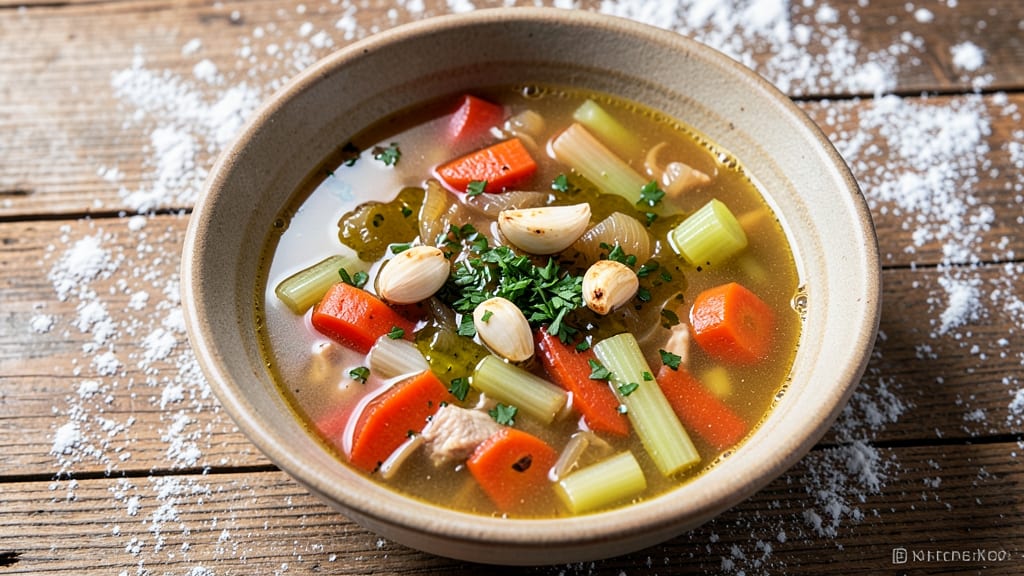
A basic soup recipe built from pantry staples can transform simple ingredients into a comforting meal that warms you from the inside out. This method delivers restaurant-quality flavor in just 20 minutes—no fancy techniques required, just a few essential steps that work every time.
I developed this recipe during a particularly busy week when I needed nourishment fast, and it's become my go-to for quick, satisfying meals.
The beauty of this approach lies in its flexibility—swap in whatever vegetables or proteins you have on hand, and adjust the broth to suit your taste. Whether you're using chicken stock for depth, vegetable broth for a lighter option, or even water with bouillon cubes, the framework remains the same.
The key is proper sautéing to build flavor, followed by a gentle simmer that lets all the ingredients meld together perfectly.
What you'll end up with is a hearty, flavorful soup that's creamy or brothy depending on your preference, with tender vegetables and optional protein that absorbs all the savory goodness. The aroma alone will fill your kitchen with warmth, and each spoonful delivers that perfect balance of comfort and satisfaction.
This isn't just soup—it's a meal that feels like a hug in bowl form.
Perfect for weeknight dinners, meal prep, or feeding a crowd, this recipe scales effortlessly while maintaining its simplicity. Let's get started with a method that proves good food doesn't require complicated ingredients or hours in the kitchen—just smart techniques and pantry staples.
Ingredients for basic soup
Pantry staples that transform into restaurant-quality soup with just 20 minutes of effort.
| Ingredient | Amount | Notes |
|---|---|---|
| Extra-Virgin Olive Oil 🫒 | 2 tbsp | For sautéing vegetables |
| Yellow Onion 🧅 | 1 medium | Diced into small pieces |
| Carrots 🥕 | 2 medium | Peeled and sliced into rounds |
| Celery Stalk 🌿 | 2 whole | Diced, including leaves |
| Garlic Cloves 🧄 | 3 cloves | Minced for aromatic depth |
| Chicken Broth 💧 | 4 cups | Low-sodium preferred |
| Diced Tomatoes (Canned) 🍅 | 1 can | 14.5 oz, no salt added |
| Potatoes 🥔 | 1 lb | Yukon gold, cubed |
| Fresh Thyme Leaves 🌿 | 1 tbsp | Or 1 tsp dried thyme |
| Bay Leaves 🍃 | 2 whole | For subtle herbal notes |
| Salt 🧂 | 1 tsp | Diamond Crystal kosher |
| Black Peppercorns 🌶️ | ½ tsp | Freshly cracked |
| Heavy Cream 🥛 | ½ cup | Full-fat for richness |
| Optional Chicken Breast 🍗 | ½ lb | Boneless, skinless, cubed |
The broth is where flavor lives. Low-sodium chicken broth ensures you control the seasoning—no sad, watery taste. Trader Joe's or Whole Foods carry excellent options, but even the basic canned broth works if you season it well. For the vegetables, freshness matters most. Carrots should snap when bent, potatoes should feel firm, and celery should be crisp. The Yukon gold potatoes are worth seeking out—their creamy texture makes all the difference. If you're short on time, frozen vegetables work just as well, but fresh gives that home-cooked quality. The garlic? Freshly minced is non-negotiable—pre-minced garlic loses its punch fast.
No chicken broth? Vegetable broth or water with bouillon cubes works perfectly—just add a pinch more salt at the end. Fresh thyme unavailable? Dried thyme at one-third the amount gets you close, but the aroma isn't quite the same. The heavy cream can be swapped for Greek yogurt or coconut milk if you're avoiding dairy. For the tomatoes, no-salt-added cans are crucial—otherwise, you'll end up with mushy, over-salted soup. The optional chicken breast? Cook it separately and add it at the end to keep it tender. If you're feeding a crowd, double the broth and halve the cream—it'll still taste rich and satisfying.
This soup reheats beautifully—better the next day as flavors meld. Store in airtight containers for 4-5 days in the fridge or freeze for 3 months. I always make a double batch—one for dinner, one for lunches. The cream separates when chilled, so just stir it before serving. For meal prep, portion into containers with a splash of broth to keep it moist. If you're making this ahead, skip the cream until serving—it adds the finishing touch when everything's piping hot.
Why You'll Love This Recipe
- No Chopping Nightmare: I swear by this one—just dice the onion, chop the carrots into big chunks, and rough-chop the celery. The garlic? Smash it with the flat side of your knife and toss it in whole. Done. That’s how I get dinner on the table while scrolling through emails.
- Savory Umami Bomb: That first spoonful of olive oil sizzling with onion, celery, and carrots? It’s the kind of aroma that makes your kitchen feel like a hug. The garlic? Oh, it’s the star—roasted just until golden, not burned—adding this deep, rich layer that turns "basic" into "I’d eat this every day."
- Leftovers That Save Me: This soup actually improves overnight. The flavors meld, the veggies soften just right, and it’s still light enough for lunch. I make a double batch on Sundays, freeze half, and boom—weeknight dinner covered. (Pro tip: The first batch is always gone by Wednesday.)
- Pantry Staple Magic: Onion, carrots, celery, garlic—these are things I always have. No fancy shopping list, no last-minute grocery runs. And honestly? The olive oil alone makes it taste like I spent hours when I really just stirred for 15 minutes. Budget-friendly doesn’t mean boring.
Step-by-step instructions for creating a hearty pantry soup
This method transforms simple ingredients into a deeply flavorful soup with minimal effort.
Sauté the Vegetable Base
Heat the 2 tablespoons extra-virgin olive oil in a large pot over medium heat. Add the 1 medium yellow onion, 2 medium carrots, and 2 whole celery stalks, all diced to uniform ¼-inch pieces. Cook for 5-6 minutes until the vegetables soften and the onion becomes translucent.
Add the 3 cloves minced garlic and cook for an additional 30 seconds until fragrant. Here's the thing—don't let the garlic brown or it'll turn bitter. Stir constantly to distribute the oil evenly and prevent sticking. This aromatic base forms the flavor foundation for your entire soup.
Build Depth with Tomatoes and Herbs
Pour in the 1 can diced tomatoes and stir to combine with the vegetables. Add the 1 tablespoon fresh thyme leaves and 2 whole bay leaves, then pour in the 4 cups chicken broth. Bring the mixture to a gentle boil over high heat, then immediately reduce to a simmer.
Let it cook uncovered for 10 minutes to allow the flavors to meld. You'll notice the broth deepens in color and develops a rich, savory aroma. This step develops the soup's complexity before adding the potatoes. Skim off any foam that rises to the surface for a cleaner final product.
Add Potatoes and Simmer
Cut the 1 pound potatoes into ½-inch cubes and add them to the pot. Stir gently to distribute them evenly. Return to a simmer and cook uncovered for 8-10 minutes, until the potatoes are tender when pierced with a fork but still hold their shape.
I like to check for doneness by pressing a potato cube with a spoon—it should yield slightly but maintain structure. The potatoes should absorb some of the liquid but not disintegrate. This texture ensures your soup has body without becoming mushy. If using the ½ pound optional chicken breast, cut it into ½-inch cubes and add it now.
Finish with Cream and Season
Stir in the ½ cup heavy cream and season with 1 teaspoon salt and ½ teaspoon freshly cracked black peppercorns. Simmer gently for 3-4 minutes to heat through and allow the cream to blend smoothly into the soup. The cream should create a velvety finish without curdling.
Taste and adjust seasoning if needed—this is where you can truly personalize the soup. Remove the bay leaves before serving as they can be bitter. The final soup should have a balance of sweet carrots, earthy celery, rich tomatoes, and creamy finish with just the right amount of saltiness.
Pro Tips For Making Basic Soup
- SWEEAT THE ONIONS: Don’t rush this step—low and slow for 8-10 minutes until they’re translucent and just starting to turn golden. I used to walk away too soon, and the soup always tasted raw and dull. Patience here builds flavor.
- SALT THE WATER HARD: If you’re using 4 cups of broth, add 1½ teaspoons of salt upfront—even if it seems excessive. The veggies absorb liquid, so the soup ends up bland if you wait. Trust me, your taste buds will notice.
- CHOP VEGETABLES UNIFORM: Cut carrots and celery into ¼-inch pieces—no bigger, no smaller. Big chunks stay tough; tiny bits turn to mush. A sharp knife and steady hand make this faster than you’d think.
- COOK GARLIC JUST UNTIL FRAGRANT: Add minced garlic when the onions are soft, then cook for 30 seconds max—until the kitchen smells amazing but the color is still pale. Burned garlic ruins everything, and it happens faster than you’d believe.
Troubleshooting this recipe
Mushy Vegetables?
Overcooking is the #1 cause of mushy soup. I see this happen when people skip the 5-6 minute sauté of onions, carrots, and celery—this step builds flavor AND texture. For potatoes, cook them 8-10 minutes max after adding to the broth.
Use a fork test: they should be tender but still slightly firm to the touch. If they're falling apart, you've gone too far. 🥔
Watery Broth?
Thin soup usually means insufficient starch or over-diluted broth. Add ½ cup cooked rice or 1 mashed potato at the end to thicken naturally. If using water instead of broth, add 2 extra bouillon cubes and 1 extra teaspoon salt to compensate.
For immediate thickening, mix 1 tablespoon cornstarch with 2 tablespoons cold water and stir in at the end. 💧
Bitter Taste?
Bitterness comes from overcooked garlic or bay leaves. Remove bay leaves immediately after 10 minutes of simmering. For garlic, cook it just until fragrant (30 seconds max)—never let it brown.
If you taste bitterness, add ½ teaspoon sugar or a splash of lemon juice to balance. Fresh herbs like thyme should be added later in cooking to preserve their bright flavor. 🌿
Grainy Texture?
This happens when tomatoes or cream aren't blended properly. For smoother soup, blend ½ cup of the soup with the tomatoes before adding back to the pot. If using cream, stir it in off the heat or on the lowest simmer to prevent curdling.
For extra silkiness, whisk in 1 tablespoon cold butter at the very end. 🥛
Weak Flavor?
Flavor fades when you skip the uncovered simmer step. Always let the soup cook uncovered for 10 minutes before adding potatoes to develop depth. Boost flavor by adding 1 teaspoon soy sauce or ½ teaspoon smoked paprika with the tomatoes.
A pinch of MSG (just ¼ teaspoon) can also elevate umami without overpowering. 💡
Separated Cream?
This happens when cream cools too quickly. Always stir in cream off the heat or on the lowest possible simmer. For extra insurance, whisk the cream with 1 tablespoon cold broth before adding to the pot.
If separation occurs, simply reheat gently while stirring constantly. For a dairy-free version, use ½ cup coconut milk instead. 🥥
Nutrition facts
Frequently asked questions
Can I make this soup without cream for a lighter version?
Skip the heavy cream and use ½ cup Greek yogurt or ½ cup coconut milk instead for a tangy or dairy-free option. The soup will still be rich and satisfying. For extra body without cream, blend ½ cup of the soup with the tomatoes before adding back to the pot.
What vegetables can I substitute if I don't have carrots or celery?
Use whatever you have on hand! Swap carrots for zucchini or sweet potatoes and celery for bell peppers or mushrooms. For extra flavor, add frozen peas or corn at the end. The key is keeping the vegetable mix balanced—aim for 1 cup total chopped vegetables to maintain the soup's texture.
How can I make this soup spicier?
Add ½ teaspoon cayenne pepper or 1 teaspoon chili flakes with the tomatoes, or stir in 1 diced jalapeño while sautéing the vegetables. For deeper heat, include ½ teaspoon smoked paprika or a pinch of cayenne in the final seasoning. Always taste as you go—you can adjust to your preferred spice level.
Can I prepare this soup ahead of time?
Yes! This soup actually tastes better the next day as flavors meld. Store in an airtight container in the fridge for 4-5 days or freeze for 3 months. When reheating, warm over medium-low heat and stir in the cream fresh to avoid separation. For meal prep, portion into containers with a splash of broth to keep it moist.
What's the best way to reheat leftover soup?
Reheat gently on the stovetop over medium-low heat, stirring occasionally to prevent scorching. If using the microwave, cover with a damp paper towel and heat in 1-minute intervals, stirring between each. For creamy soups, add a splash of broth or milk to restore smoothness. Never boil—just warm until steaming hot.