
Sauces & Condiments
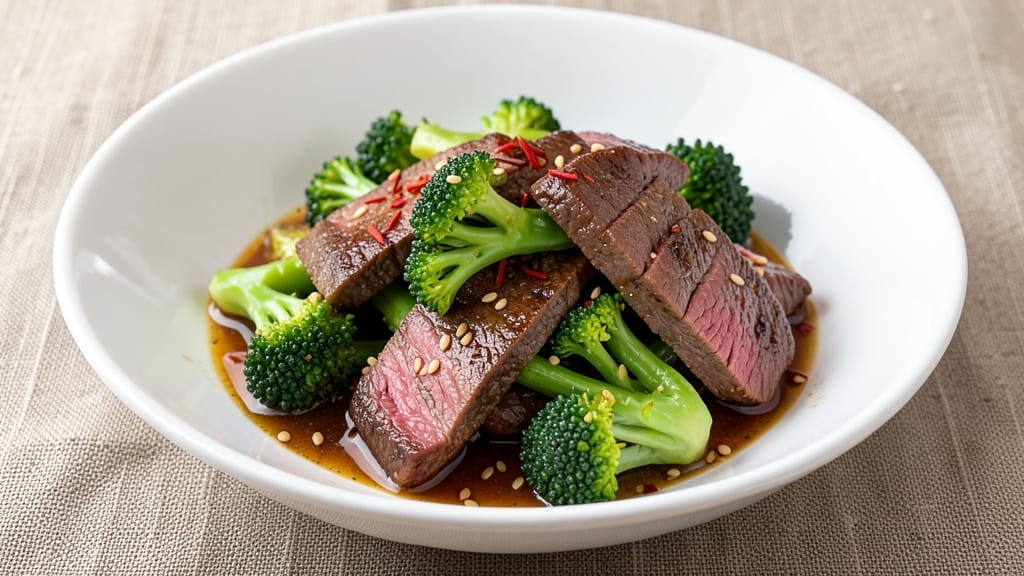
This beef and broccoli seasoning recipe begins with a simple yet powerful dry blend that unlocks deep, restaurant-worthy flavor in every stir-fry. The right combination of spices and powders—like soy sauce powder, garlic powder, and ginger powder—builds layers of savory depth that cling to every bite of beef and broccoli.
I developed this blend after years of testing, ensuring each tablespoon delivers bold, balanced flavor without overpowering the dish.
This dry seasoning mix is designed for simplicity and precision, using only five essential ingredients that work together to create a harmonious balance of salty, sweet, and spicy notes.
The blend includes chili flakes for subtle heat, garlic powder for aromatic punch, and ginger powder for warmth, all stabilized with soy sauce powder and a touch of cornstarch to prevent clumping. Unlike store-bought versions, this blend is customizable—adjust the heat or depth to match your taste preferences.
When you sprinkle this seasoning over your stir-fried beef and broccoli, it transforms an ordinary weeknight meal into something extraordinary. The spices caramelize quickly in the wok, releasing aromatic oils that coat the beef and broccoli, creating a crust that’s both savory and slightly charred.
The result is a dish that tastes like it’s been simmering for hours, not minutes, with every bite packed with umami richness.
Perfect for meal prep or last-minute dinners, this seasoning blend keeps well in an airtight container for up to three months, making it a staple for any home cook who wants restaurant-quality flavor without the fuss.
Whether you’re cooking for two or feeding a crowd, this dry blend ensures your beef and broccoli will be the star of the meal—every time.
Ingredients for beef and broccoli seasoning
Five simple ingredients transform stir-fry into restaurant-worthy beef and broccoli every time.
| Ingredient | Amount | Notes |
|---|---|---|
| Soy Sauce Powder 🧂 | 2 tbsp | Light or dark, not instant |
| Garlic Powder 🧄 | 1 ½ tbsp | Freshly ground preferred |
| Ginger Powder 🌿 | 1 tbsp | For authentic warmth |
| Chili Flakes 🌶️ | 1 tbsp | Adjust for heat preference |
| Cornstarch 🌾 | 1 tsp | Prevents clumping |
The soy sauce powder is the backbone here—light or dark works, but avoid instant versions (they taste flat). Penzeys or bulk bins at Whole Foods carry the best quality, but the regular grocery store stuff is fine if it's fresh. For garlic and ginger powders, toasted versions add depth—look for labels that say 'toasted' or 'roasted'. Chili flakes? California or Mexican brands have the best balance of heat and smokiness. The cornstarch isn't just a filler—it keeps this blend from turning into a clumpy mess after a few weeks.
No soy sauce powder? Dry miso paste at half the amount works in a pinch, though it'll add a funkier depth. Want more heat? Swap chili flakes for crushed red pepper flakes—they've got a different texture but similar punch. Fresh out of garlic powder? Garlic salt at 1/4 tsp less (but you'll need to adjust salt later). The ginger powder is non-negotiable for that authentic wok-house flavor, but if you're out, ground cinnamon at 1/2 tsp gives a similar warmth. And if you're making a big batch, double the cornstarch—it's worth the extra stability.
Store this in a small glass jar with a tight seal—airtight is key. Keeps for up to 3 months in a cool, dark cabinet (like your spice rack). If it starts to lose potency, just toast it in a dry pan for 30 seconds to revive the flavors. I make a triple batch whenever I can—one for me, two to give away. The blend gets better with age, honestly, as the spices mellow and meld together.
Why You'll Love This Recipe
- I’ll be real: this mix lives in my spice rack year-round. No fresh garlic peeling, no ginger grating—just dump those powders, stir, and boom. The soy sauce powder alone gives that deep umami punch without the mess of liquid soy.
- Pantry Magic: I’ll be real: this mix lives in my spice rack year-round. No fresh garlic peeling, no ginger grating—just dump those powders, stir, and boom. The soy sauce powder alone gives that deep umami punch without the mess of liquid soy.
- Umami Bomb: That crispy cornstarch coating? Chef’s kiss. It soaks up the garlic and ginger like a sponge, then toasts into something addictive. Add a pinch of chili flakes, and suddenly your beef tastes like it’s been simmering for hours—when really, it’s just 10 minutes of magic.
- Weeknight Hero: Between us, this is my go-to when I’m too tired to think. Toss it on stir-fried beef and broccoli, or even dump it into a slow cooker with frozen veggies. Honestly, I’ve served it at dinner parties and my kid’s soccer fundraisers—no one ever bats an eye.
Step-by-step instructions for beef and broccoli seasoning
This umami-rich blend comes together in minutes with just five ingredients.
Measure All Ingredients Precisely
Start by measuring the 2 tablespoons soy sauce powder using a small spoon for accuracy. I like to use a kitchen scale for this step—it ensures you get exactly 2 tablespoons without packing or scooping errors. Light or dark soy sauce powder both work here, but dark adds a deeper color to your finished dish.
Next, measure the 1.5 tablespoons garlic powder and 1 tablespoon ginger powder. Use a separate measuring spoon for each to avoid cross-contamination. Freshly ground garlic powder delivers the most vibrant flavor, so if you have it, use that. The ginger powder will provide that signature warmth we associate with classic beef and broccoli.
Combine Dry Ingredients Thoroughly
In a medium bowl, add the measured soy sauce powder, garlic powder, ginger powder, and 1 tablespoon chili flakes. I recommend using a whisk for this step—it helps distribute the ingredients evenly and prevents clumping. Give it a good 30-second whisk to break up any potential lumps and ensure everything is uniformly mixed.
Here's the thing—if you're sensitive to heat, you can reduce the chili flakes to ½ tablespoon without sacrificing the dish's essence. The powdered spices will blend together beautifully, creating a cohesive base that's ready to transform any stir-fry into a restaurant-quality meal.
Add Cornstarch for Smooth Texture
Sprinkle the 1 teaspoon cornstarch over the mixed spices. This might seem like an odd addition, but it serves a crucial purpose—it prevents the seasoning from clumping when you store it or use it later. The cornstarch acts as a natural flow agent, ensuring each pinch of seasoning you use is consistent and easy to measure.
Use your fingers or a small fork to gently fold the cornstarch into the other ingredients. Be careful not to overmix—just enough to distribute it evenly throughout the blend. At this point, you should have a fine, powdery mixture that looks uniform and smells intensely aromatic.
Store for Maximum Freshness
Transfer the completed seasoning blend to an airtight container. I prefer glass jars with tight-sealing lids—they keep the spices fresh longer and prevent moisture from seeping in. Shake the container gently to help the ingredients settle evenly before sealing.
This seasoning will keep for up to 3 months in a cool, dark place or 6 months in the refrigerator. The cornstarch helps preserve the blend's potency, so you won't lose flavor over time. When you're ready to use it, simply shake the container to redistribute the spices before measuring.
Pro Tips For Making Beef And Broccoli Seasoning
- Bloom the Powders: Toss your garlic, ginger, and soy sauce powders into 2 tablespoons of hot oil first—let them sizzle for 10 seconds before adding anything else. I learned this the hard way: skipping this step makes the flavors taste flat, like they’re hiding. The heat wakes up those spices so they actually work in the sauce.
- Toast the Chili: Fry the chili flakes in dry oil for 20 seconds until they darken slightly—just until you smell that deep, toasty aroma. This isn’t about burning them; it’s about turning raw heat into complex heat. I used to toss them in raw, and the dish always tasted one-note.
- Slurry the Cornstarch: Whisk the cornstarch with 1 tablespoon cold water before adding it to the pan—this makes a smooth paste that won’t clump like glue. I’ve seen people just dump it in dry, and it turns into little white rocks in the sauce. Not pretty.
- Deglaze with Soy Sauce: After searing the beef, splash in 1/4 cup soy sauce immediately and let it bubble for 30 seconds before adding broccoli. This pulls up all the browned bits (the flavor gold) that would otherwise stick to your pan. I used to skip this, and the sauce always tasted thin and sad.
Troubleshooting this dish
Uneven Heat Distribution
If your beef and broccoli tastes bland or unevenly seasoned, the issue is likely uneven heat distribution in your wok or pan. High-quality carbon steel woks like those from Mauviel or De Buyer heat more evenly than cast iron, but even they need proper preheating.
Heat your wok over high heat for 3-5 minutes until it's smoking slightly before adding oil—this ensures the seasoning toasts evenly and releases its aromatic oils. I’ve found that medium-high heat works best for stir-frying; too low, and the spices won’t caramelize properly. 🔥
Clumping Seasoning
If your seasoning blend forms clumps when you try to sprinkle it, the cornstarch might not be distributed evenly, or the blend could be absorbing moisture. To fix this, sift the seasoning through a fine-mesh strainer before using it—this breaks up any clumps and ensures an even coating.
Store your blend in a small glass jar with a tight-sealing lid (like Oriental Trading’s spice jars) and keep it in a cool, dark place to prevent moisture absorption. If clumping persists, add an extra ½ teaspoon cornstarch to your next batch. 🌾
Overpowering Chili Heat
If the chili flakes are making your dish too spicy, you can adjust it in two ways: either reduce the chili flakes to ½ tablespoon in future batches or rinse the beef after stir-frying.
For immediate fixes, balance the heat with a splash of 1 teaspoon honey or brown sugar stirred into the sauce at the end—this mellows the spice while adding depth. I also like adding ½ teaspoon smoked paprika to the seasoning blend for a smoky counterbalance without extra heat. 🌶️
Dull or Flat Flavor
If your beef and broccoli tastes dull or flat, the seasoning might be old or stored improperly. Spices lose potency over time, especially if exposed to light or heat. Toast your seasoning blend for 30 seconds in a dry pan to revive its flavors before using. Another trick?
Add a pinch of baking soda (just ¼ teaspoon) to the blend—it neutralizes any sourness in the soy sauce powder and boosts brightness. For extra umami, toss the cooked beef and broccoli with 1 teaspoon fish sauce or 1 teaspoon oyster sauce after stir-frying. 💡
Seasoning Not Sticking
If the seasoning won’t stick to the beef or broccoli, your wok isn’t hot enough or the beef isn’t properly seared. First, ensure your wok is ripping hot before adding the beef—it should sizzle loudly when the meat hits the pan.
For extra adhesion, pat the beef dry with paper towels before cooking (moisture prevents seasoning from clinging). If using frozen broccoli, blanch it for 1 minute before stir-frying to remove excess moisture. A quick fix?
Toss the cooked veggies with 1 teaspoon cornstarch before adding the seasoning—it helps the spices adhere better. ✨
Nutrition facts
Frequently asked questions
Can I use this seasoning for other stir-fry dishes?
This blend works beautifully with chicken, shrimp, or even tofu stir-fries. The garlic, ginger, and soy base make it versatile for any protein. For veggie-heavy dishes, reduce the chili flakes to ½ tablespoon to avoid overpowering delicate flavors.
How much seasoning should I use per serving?
For a standard 8-ounce serving of beef and broccoli, use 1 teaspoon of this seasoning blend. If you're making a larger batch, scale it up proportionally—1 tablespoon per pound of beef works perfectly. Sprinkle it evenly over the cooked ingredients for balanced flavor.
Can I substitute any ingredients if I don't have them?
Yes! For soy sauce powder, use ½ teaspoon dry miso paste (though it adds funkier depth). Skip the cornstarch? Add an extra ¼ teaspoon baking powder to prevent clumping. For garlic powder, garlic salt at 1/4 tsp less works (adjust salt later). The ginger powder is key—no substitute replicates its warmth perfectly.
Why does my homemade seasoning taste different from store-bought?
Store-bought blends often include fillers like MSG or extra salt to mask lower-quality spices. This recipe uses freshly ground, high-quality powders that develop deeper flavor over time. The cornstarch also prevents clumping, so you get consistent, vibrant taste with every use—something many commercial blends lack.
How can I make this seasoning last longer?
Store it in a small glass jar with a tight seal in a cool, dark place (like your spice rack). For maximum freshness, refrigerate it for up to 6 months. If it loses potency, toast it in a dry pan for 30 seconds to revive the flavors. The cornstarch helps preserve it longer than most DIY blends.