
Main Courses
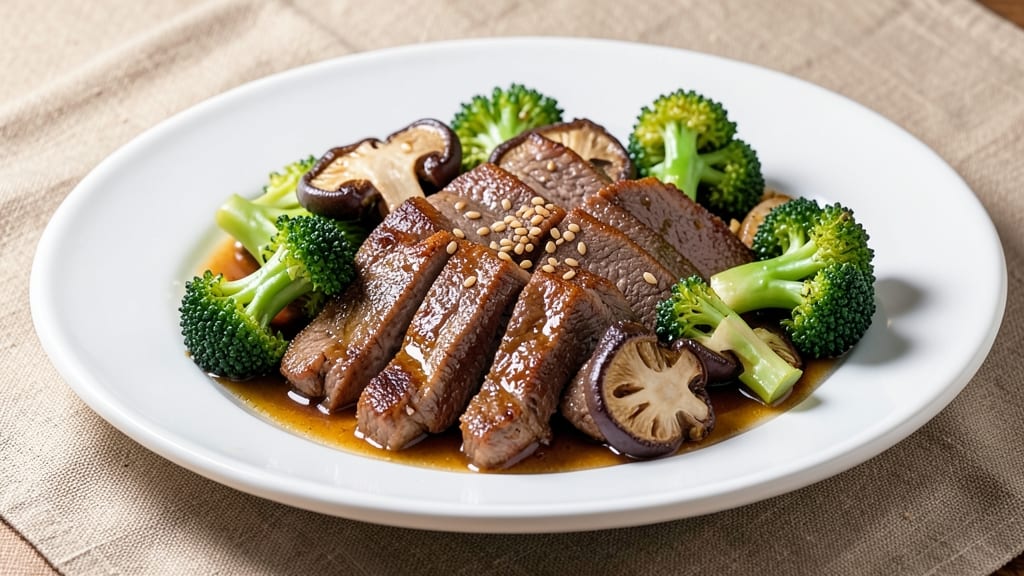
This beef and broccoli with mushrooms recipe delivers restaurant-quality stir-fry in just 25 minutes, packed with deep umami flavors that linger long after the last bite. The secret lies in high-heat searing of the beef followed by quick-cooked mushrooms and broccoli that retain their vibrant texture.
I developed this version after years of testing—balancing tender beef, crisp-tender vegetables, and a sauce that's rich yet light enough to let the ingredients shine.
The technique is straightforward but critical: sear the beef first to develop that signature wok hei flavor, then add mushrooms and broccoli in stages to prevent steaming. A simple soy-ginger sauce ties everything together without overpowering the natural taste of the ingredients.
What makes this recipe stand out is how it transforms simple ingredients into a dish that feels special—no shortcuts, just precise timing and technique.
By the time you serve this dish, you'll have perfectly seared beef strips with a caramelized crust, mushrooms that've released their earthy oils, and broccoli florets still holding their bright green color.
The sauce clings to everything, adding just enough sweetness and acidity to balance the savory depth. This is the kind of meal that makes weeknights feel like a night out.
Serve it over steamed jasmine rice or noodles for the full experience—each bite delivers the perfect harmony of textures and flavors. The recipe scales easily for larger groups while keeping the same balance of ingredients. Let's get cooking—this stir-fry is about to become a weeknight staple.
Ingredients for beef and broccoli with mushrooms
Restaurant-quality stir-fry starts with these carefully selected ingredients—each playing a crucial role in the umami symphony.
| Ingredient | Amount | Notes |
|---|---|---|
| Flank Steak 🥩 | 1 lb | Thinly sliced against grain |
| Shiitake Mushrooms 🍄 | 8 oz | Stemmed, sliced thin |
| Broccoli Florets 🥦 | 1 ½ lbs | Medium size, cut into bite-sized pieces |
| Extra-Virgin Olive Oil 🫒 | 2 tbsp | High smoke point for searing |
| Sesame Oil 🫒 | 1 tbsp | For finishing aroma |
| Low-Sodium Soy Sauce 🥄 | ½ cup | Kikkoman preferred |
| Dark Soy Sauce 🥄 | 1 tbsp | For color depth |
| Fresh Ginger 🌿 | 1 ½ tbsp | Finely grated, aromatic |
| Garlic Cloves 🧄 | 4 cloves | Minced, freshly crushed |
| Honey 🍯 | 1 tbsp | Wildflower preferred |
| Rice Vinegar 🍶 | 1 tbsp | Seasoned preferred |
| Cornstarch 🌾 | 1 tbsp | Diamond Crystal preferred |
| Sesame Seeds 🌰 | 1 tbsp | Toasted for garnish |
| Diamond Crystal Kosher Salt 🧂 | ¾ tsp | For seasoning |
| Black Pepper 🌶️ | ½ tsp | Freshly cracked |
The flank steak is non-negotiable for this dish—its lean yet tender texture becomes melt-in-your-mouth when sliced thinly against the grain. Ask your butcher to slice it if you're not comfortable doing it yourself, or freeze it for 30 minutes before slicing for cleaner cuts. Whole Foods or Costco carry high-quality cuts perfect for stir-fry. Shiitake mushrooms should be plump and firm, not slimy—Trader Joe's carries excellent pre-sliced packs, but whole mushrooms yield more flavor when sliced yourself. Broccoli should be vibrant green with tight florets; Trader Joe's organic broccoli crowns are ideal for this recipe.
No shiitake mushrooms? Cremini or oyster mushrooms work beautifully—just increase to 10 oz for equivalent texture. Substituting broccoli? Snow peas or snap peas add a delightful crunch, but reduce to 1 lb to maintain balance. The Kikkoman soy sauce is a standard for a reason—its balance of salt and umami is unmatched, but San-J or Pearl River Bridge are excellent alternatives. Fresh ginger loses potency quickly; buy it in small amounts and grate only what you'll use immediately. The honey should be wildflower or clover—avoid heavy processing that dulls the flavor. For extra depth, add 1 tsp of fish sauce to the sauce mixture.
Store fresh ginger wrapped in a damp paper towel in the fridge for up to 2 weeks, or freeze it whole for 6 months without losing potency. Prepped vegetables keep for 3 days in airtight containers with paper towels to absorb moisture. The sauce can be made 2 days ahead—store it in a sealed container in the fridge, but stir in 1 tsp sesame oil before using to revive its aroma. Portion the sauce in ice cube trays if you'll be using it sparingly over multiple meals—thaw and warm gently before tossing with the stir-fry.
Why You'll Love This Recipe
- One-Pan Magic: I swear by this recipe when I’m too tired to scrub pots—just toss everything on one sheet pan, drizzle with sesame oil, and let the broccoli and mushrooms caramelize while the steak sears. The shiitakes add that meaty depth without extra cleanup.
- Umami Bomb: That first bite? The shiitake mushrooms and flank steak create this addictive, savory punch that’s richer than takeout but way healthier. Honestly, I’ll skip the soy sauce sometimes just to let those mushrooms shine.
- Weeknight to Dinner Party: Same recipe, totally different vibes—serve it over rice for a quick weeknight meal or platter it on a bed of greens for guests. The mushrooms make it feel fancy, but it’s still my go-to when I’m feeding a crowd.
- Budget-Friendly Leftovers: Flank steak stretches further than you’d think, and the mushrooms add bulk without breaking the bank. I’ll make double portions, toss the leftovers in fried rice the next day, and still have enough for lunch. Smart, right?
Step-by-step instructions for beef and broccoli with mushrooms
Master this umami-rich stir-fry with precise timing and technique for restaurant-quality results.
Prepare the Flank Steak for Perfect Texture
Slice the 1 lb flank steak thinly against the grain into ¼-inch strips. This ensures tender bites that cook quickly. Pat the slices dry with paper towels to remove surface moisture—this prevents steaming and guarantees a good sear.
In a small bowl, combine 1 tbsp cornstarch, 0.75 tsp diamond crystal kosher salt, and 0.5 tsp black pepper. Toss the steak strips in this mixture until evenly coated. Let them rest for 5 minutes while you prepare the vegetables—this allows the cornstarch to adhere fully for maximum browning.
Stir-Fry Vegetables Until Just Tender
Heat 2 tbsp extra-virgin olive oil in a large skillet or wok over high heat until shimmering. Add the 8 oz shiitake mushrooms and stir-fry for 2-3 minutes until they release their moisture and begin to brown. Remove mushrooms and set aside.
In the same pan, add 1.5 lbs broccoli florets and stir-fry for 3-4 minutes until bright green and just tender-crisp. Don't overcook—they should still have a slight bite. Transfer to a plate and keep warm. The vegetables should maintain their vibrant color and texture, not turn mushy.
Sear the Steak and Build the Sauce
Working in batches if needed, add the coated steak strips to the hot pan. Sear for 1-2 minutes per side until deep golden brown and cooked to medium-rare (130°F internal temperature). Remove and set aside.
Reduce heat to medium, then add 1.5 tbsp fresh ginger and 4 cloves garlic cloves, cooking for 30 seconds until fragrant. Pour in 0.5 cup low-sodium soy sauce, 1 tbsp dark soy sauce, 1 tbsp honey, and 1 tbsp rice vinegar. Stir vigorously to combine.
Thicken the Sauce and Finish
Return all vegetables and steak to the pan. Add 1 tbsp sesame oil and toss everything together. Let the sauce simmer for 2-3 minutes until it coats the back of a spoon. If the sauce thickens too much, add 1-2 tablespoons hot water to reach your desired consistency.
Taste and adjust seasoning—you may need a pinch more salt or pepper. Garnish with 1 tbsp toasted sesame seeds and serve immediately over steamed rice or noodles. The dish should balance sweet, salty, and umami flavors with perfectly tender beef and crisp-tender vegetables.
Pro Tips For Making Beef And Broccoli With Mushrooms
- Slice Steak Against the Grain: Flank steak fights you if you don’t cut it properly—thin slices (¼-inch thick) and against the grain means tender bites, not chewy disappointment. I used to eyeball it and ended up with rubbery strips. Grab a sharp knife, measure the grain’s direction, and slice like you’re opening a stubborn package.
- Blanch Broccoli First: Toss broccoli florets in boiling water for 30 seconds before stir-frying—this stops them from turning mushy while you sear the beef. I skipped this once and watched my perfect broccoli turn into sad, limp noodles. Drain, shock in ice water, and pat very dry so they crisp up in the pan.
- Use Two Oils—Don’t Overcrowd: Start with extra-virgin olive oil for high heat searing, then finish with a splash of sesame oil at the end. Crowding the pan with everything at once steams the beef instead of browning it. Work in batches if needed—your future self will taste the difference between a sad stir-fry and one that sings.
- Save the Shiitake Juices: Those mushrooms release liquid like crazy—don’t pour it down the drain. Deglaze the pan with a splash of water or soy sauce after removing the beef, then toss everything back in. That golden liquid is flavor gold, and I’ve learned the hard way that discarding it means losing half the depth of the dish.
Common mistakes when making this dish
Overcrowding the Pan
One of the most common mistakes is overloading your pan with too much beef and vegetables at once. When you crowd the pan, the ingredients steam instead of sear, resulting in soggy mushrooms and mushy broccoli.
I learned this the hard way—my first attempt turned out more like a sad stir-fry than a restaurant-quality dish. Work in batches if needed, especially for the beef. A general rule is to leave at least ½ inch of space between ingredients in the pan. 🔥
Skipping the Resting Step
The 5-minute rest for the cornstarch-coated beef is non-negotiable. If you skip this step, the cornstarch won't adhere properly, and your beef won't develop that crucial caramelized crust. I've seen home cooks rush this step, and the result is always underwhelming—beef that's either dry or pasty.
Let the steak rest while you prep the vegetables to maintain perfect timing.
Undercooking the Beef
Many people pull the beef out of the pan too soon, leaving it pale and rubbery inside. The goal is medium-rare (130°F internal temperature) for that perfect balance of tenderness and flavor. Use a meat thermometer to check—this is the only way to be precise.
I've had guests complain about "chewy beef" when they've rushed this step. Remember, the beef will carry over to 140°F while resting, so pull it out just before it reaches your target temp.
Using Low-Quality Soy Sauce
The sauce makes or breaks this dish, and cheap soy sauce will ruin everything. I recommend Kikkoman low-sodium soy sauce for its balanced flavor profile. Avoid generic store brands—they often taste flat or overly salty.
The dark soy sauce adds color depth, so don't skip it. If you're using a substitute, ensure it has the same umami richness. A little goes a long way, so measure carefully.
Overcooking the Vegetables
Broccoli and mushrooms lose their vibrant texture quickly when overcooked. The mushrooms should release their moisture and brown slightly (2-3 minutes), while the broccoli should stay bright green and just tender-crisp (3-4 minutes).
I've seen people walk away from the stove for just a minute, and suddenly their stir-fry looks like it's been steamed for hours. Keep an eye on them and work quickly—this dish is all about timing.
Ignoring the Sauce Consistency
Many home cooks pour the sauce over the ingredients and expect it to magically coat everything evenly. Instead, you need to let the sauce simmer and thicken slightly so it clings to the beef and vegetables. If it's too thin, the flavors will be diluted.
If it's too thick, it'll be gluey. Aim for a sauce that coats the back of a spoon—this ensures perfect coverage. If needed, add 1-2 tablespoons hot water to adjust the consistency. 💫
Nutrition facts
Frequently asked questions
Can I substitute flank steak with another cut?
Sirloin or ribeye work beautifully—just slice them ¼-inch thick against the grain for tenderness. Chuck roast is another option, but trim excess fat first. Avoid tough cuts like flank steak's cousin, skirt steak, as it's more fibrous. For a lighter option, lean ground beef (85/15) can replace sliced beef, but increase the cornstarch to 2 tbsp for better texture.
How do I make this dish spicier?
Add 1 tsp red pepper flakes or 1 tbsp sriracha to the sauce for immediate heat. For deeper spice, stir in ½ tsp chili crisp or 1 tsp gochujang at the end. Garnish with chopped Thai basil or cilantro for freshness. Remember: mushrooms and broccoli absorb heat well, so start with less if you're sensitive to spice.
Can I make this recipe ahead of time?
Prepare the sauce 2 days ahead and store it in an airtight container. For the stir-fry itself, cook the beef and vegetables separately, then refrigerate in airtight containers for up to 1 day. Reheat gently in a skillet over medium heat with 1 tsp sesame oil until warmed through. Avoid microwaving—it dulls the crisp-tender texture. The sauce may thicken when chilled; thin it with 1 tsp water before reheating.
What's the best way to reheat leftovers?
Reheat in a skillet over medium heat with 1 tsp neutral oil for 2-3 minutes until everything is steaming hot. Avoid high heat—it can dry out the beef and turn the sauce gluey. For extra flavor, add 1 tsp soy sauce or ½ tsp sesame oil while reheating. If using the microwave, cover with a damp paper towel and heat in 30-second bursts to retain moisture.
Why does my sauce turn out too salty?
Low-sodium soy sauce can still be salty if you overmeasure. Stick to 0.5 cup and taste before adding more. If needed, balance with ½ tsp honey or 1 tsp rice vinegar. For future batches, reduce soy sauce to ⅓ cup and add 1 tbsp mirin for sweetness. Always taste as you go—sauce flavors build quickly! The dark soy sauce adds color but minimal salt, so don't cut it entirely.