
Soups & Stews
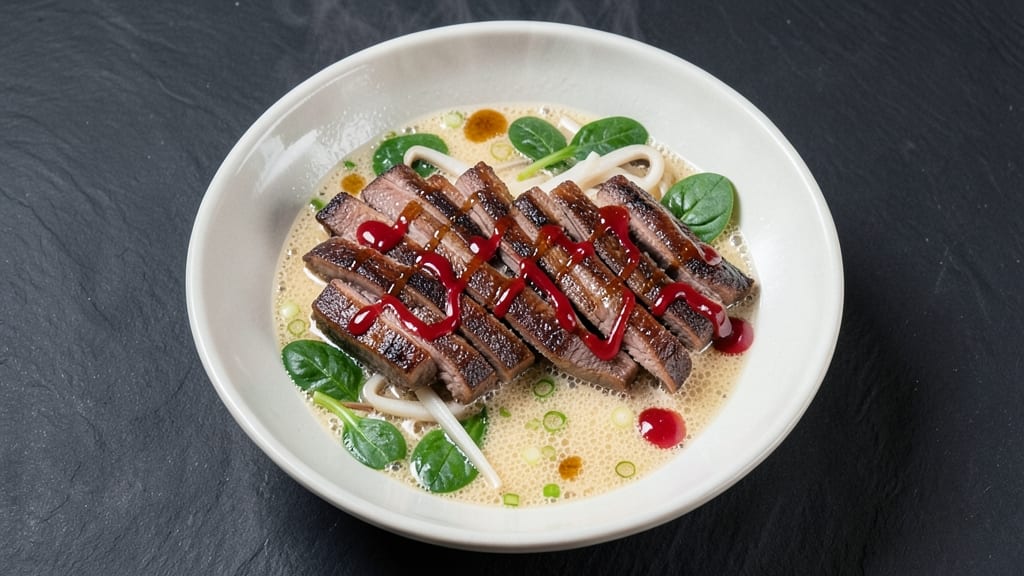
Cooking with the beef loin in this New York shabu shabu recipe turns simple weeknight dinners into elegant, bubbling hotpot feasts. The key lies in thinly sliced beef loin that sears instantly in hot broth, paired with a rich ponzu-soy base that balances sweet, salty, and umami flavors.
I've refined this recipe over years of testing—balancing traditional techniques with modern convenience for restaurant-quality results without the fuss.
The process begins with preparing the beef loin by slicing it paper-thin against the grain, ensuring tender bites every time. While the beef cooks in rapid succession, the broth simmers with a blend of soy sauce, mirin, and ponzu for that signature New York tang.
Thinly sliced vegetables and delicate noodles complete the experience, allowing everyone to customize their bowls.
What you'll achieve is a restaurant-worthy hotpot where each component—juicy beef, silky broth, crisp vegetables—comes together in perfect harmony. The sizzle of searing beef in the pot creates an interactive dining experience that's as satisfying as it is delicious.
This isn't just a recipe; it's a complete meal solution that elevates everyday dining.
Whether serving for a special occasion or a casual family night, this shabu shabu delivers professional-level results with straightforward techniques. The beauty lies in its simplicity: just a few ingredients, precise timing, and the joy of watching everything come together in one steaming pot.
Let's bring New York's hotpot elegance to your kitchen.
Ingredients for beef loin new york shabu shabu
The beef loin and ponzu sauce create the heart of this New York shabu shabu feast.
| Ingredient | Amount | Notes |
|---|---|---|
| Beef Loin 🥩 | 1 ½ lb | Thinly sliced against grain |
| Ponzu Sauce 🍋 | 1 cup | Store-bought or homemade |
| Dry White Wine 🍷 | ½ cup | Sauvignon Blanc preferred |
| Soy Sauce 🍶 | ½ cup | Low-sodium preferred |
| Mirin 🍶 | ¼ cup | Sweet cooking rice wine |
| Dashi Granules 🍲 | 2 tbsp | For umami depth |
| Napa Cabbage 🥬 | ½ lb | Thinly sliced for crunch |
| Shiitake Mushrooms 🍄 | 8 whole | Stems removed, sliced |
| Green Onions 🧅 | ¼ lb | White and green parts |
| Sesame Oil 🫒 | 1 tbsp | Toasted for aroma |
| Ginger 🧄 | 1 tbsp | Freshly grated |
| Rice Noodles 🍜 | 8 oz | Fresh or dried |
| Neutral Oil 🫒 | 2 tbsp | For searing beef |
| Sesame Seeds 🌾 | 1 tbsp | Toasted for garnish |
| Salt 🧂 | 1 tsp | Kosher preferred |
For the beef loin, look for well-marbled cuts—this ensures tender slices that sear beautifully. Whole Foods Market or high-end butchers often carry superior quality, but any reputable grocery store's beef counter should have suitable options. The ponzu sauce is non-negotiable for authentic flavor; Kikkoman or Marukyu brands deliver consistent quality. If making homemade, use equal parts yuzu juice (or substitute lemon), soy sauce, and mirin. The ginger should be bright and firm, not fibrous or shriveled—this is your umami backbone.
No ponzu? Substitute a mix of lemon juice, soy sauce, and mirin at a 2:1:1 ratio. Running out of dashi? Combine 1 tbsp soy sauce with 1 tsp sugar as a quick alternative. For the mushrooms, shiitake is ideal, but cremini or oyster mushrooms work in a pinch. The rice noodles should be fresh or high-quality dried—avoid pre-cooked varieties that turn mushy. If you can't find Napa cabbage, substitute regular cabbage or bok choy, but slice it thinner to maintain texture.
Store the beef loin in the coldest part of your fridge, wrapped tightly in plastic, and use within 2 days for optimal tenderness. The ponzu sauce keeps for up to 2 weeks refrigerated, though homemade versions last only 5-7 days. Prep the vegetables ahead and store them in airtight containers—they'll stay crisp for 3 days. The broth base can be made a day ahead and reheated gently. For a restaurant-style experience, keep the noodles separate until serving to maintain their delicate texture.
Why You'll Love This Recipe
- Slice It Fast: I swear, the beef loin is so tender that even my toddler can cut it with a butter knife—no fancy slicing skills needed. Toss it in the simmering broth, and it falls apart like it’s been cooking for hours (but it’s not).
- Umami Bomb: That combo of ponzu, mirin, and dry white wine? It’s like a flavor party in your mouth. The soy sauce adds depth, but the wine keeps it bright—no heavy, overpowering aftertaste here.
- Date Night Ready: No fancy plating, no stress—just hot broth, fresh veggies, and that melt-in-your-mouth beef. Serve it with steamed rice and a cold beer, and suddenly you’re the host of a restaurant-worthy dinner. (Yes, even on a Tuesday night.)
- Leftovers? Better Than Fresh: Honestly, the broth gets richer the next day. Reheat the slices in a pan with a splash of mirin, and they taste like you slaved over them. Plus, the sauce thickens just enough to drizzle over noodles or eggs—no waste, all flavor.
Step-by-step instructions for beef loin New York shabu shabu
Master this elegant hotpot technique with precise timing and flavor balance.
Prepare the Beef and Vegetables
Begin by slicing the 1.5 lb beef loin against the grain into thin strips, about ¼-inch thick and 2-inch long. This ensures tender bites that cook quickly in the hot broth. Place the beef in a bowl and set aside.
Next, prepare the vegetables. Thinly slice the 0.5 lb napa cabbage into ¼-inch ribbons and separate the leaves. Remove stems from the 8 whole shiitake mushrooms and slice them into ¼-inch pieces. Cut the 0.25 lb green onions into 1-inch lengths, separating the white and green parts. Grate the 1 tbsp ginger finely and set aside.
Create the Flavorful Broth
In a small saucepan, combine the 0.5 cup dry white wine, 0.5 cup soy sauce, 0.25 cup mirin, and 2 tbsp dashi granules. Bring to a gentle simmer over medium heat and reduce by half, about 5-7 minutes, until the mixture thickens slightly and the alcohol aroma dissipates. This concentrated broth forms the base of your shabu shabu.
Strain the reduced mixture through a fine-mesh sieve into a clean saucepan. Add 1 cup ponzu sauce and bring to a gentle simmer over low heat. Maintain the broth at a steady 160-170°F—this temperature keeps the beef perfectly tender without boiling. Keep the broth covered to maintain heat.
Sear the Beef and Prepare Noodles
Heat a separate skillet over high heat until very hot. Add 2 tbsp neutral oil and swirl to coat. Working in batches, sear the beef strips for 30-45 seconds per side until they develop a light golden crust. Transfer the seared beef to a plate and keep warm.
While the beef sears, prepare the 8 oz rice noodles according to package instructions. Typically, this means soaking in hot water for 5-8 minutes until pliable but still slightly firm. Drain and toss with 1 tbsp sesame oil to prevent sticking. Keep the noodles covered to maintain moisture.
Assemble and Cook the Shabu Shabu
Divide the cooked rice noodles among four bowls. Arrange the seared beef strips and prepared vegetables around each bowl. Place a small pot or heatproof container in the center of your table, then carefully pour the simmering broth into it—it should maintain its temperature without boiling.
Using long-handled tongs or chopsticks, dip each ingredient into the hot broth for 10-20 seconds—the beef needs just 10 seconds to warm through, while vegetables like mushrooms and cabbage take slightly longer. Return the cooked ingredients to your bowl and repeat until everything is cooked to your liking.
Finish and Serve
Once all ingredients are cooked, drizzle each bowl with additional ponzu sauce if desired. Sprinkle with 1 tbsp toasted sesame seeds and garnish with extra sliced green onions. Serve immediately while the noodles are warm and the broth remains flavorful.
The key to perfect shabu shabu lies in the timing—keep the broth at a gentle simmer and cook ingredients just until heated through. The result should be tender beef with a subtle sear, perfectly cooked vegetables, and silky rice noodles all bathed in a rich, umami-packed broth.
Pro Tips For Making Beef Loin New York Shabu Shabu
- SLICE THINLY, STRAIGHT DOWN: Thinly sliced beef is the soul of shabu-shabu, but don’t grab a random knife—use a sharp, long blade like a sashimi knife or a well-honed chef’s knife. Cut against the grain at a 45-degree angle for uniform slices that cook faster and stay tender. I learned this the hard way when my first batch turned out chewy because the slices were too thick and uneven.
- SALT THE BEEF AFTER SLICING: You might think salting before slicing keeps the meat juicy, but for shabu-shabu, salt the slices right after cutting and let them sit for 10 minutes. This draws out moisture on the surface, helping the ponzu and wine cling better when you sear them. Trust me, the first time I skipped this, the beef absorbed the broth like a sponge instead of caramelizing.
- DON’T BOIL THE BROTH: The broth should simmer gently—think tiny bubbles, not rolling waves. If it boils, the wine and mirin will cook off too quickly, leaving a flat, alcohol-heavy flavor instead of that bright, balanced depth. Keep the heat low enough that you can hold your hand an inch above the pot without feeling it. I was impatient the first few times and ended up with a sad, one-dimensional broth.
- UPGRADE WITH A SPLASH OF YUZU: If you’re using store-bought ponzu, add a tablespoon of fresh yuzu juice or even a squeeze of lemon for brightness. It cuts through the richness of the beef and wine, making the dish taste fresher. I was skeptical until I tried it—now I can’t go back to the bottled stuff alone. (And if you’re out of yuzu, a splash of rice vinegar works in a pinch.)
Pro cooking tips for beef loin new york shabu shabu
Precision Slicing
For restaurant-quality results, your beef loin must be sliced with surgical precision. Use a sharp sashimi or butcher knife and cut against the grain at a ¼-inch thickness—any thicker, and the beef will be tough.
I recommend freezing the beef for 30 minutes beforehand to firm it up, making slices cleaner. Place the beef on the cutting board with the grain running horizontally, then slice vertically for maximum tenderness. 🔪
Broth Temperature Control
The secret to tender beef lies in maintaining your broth between 160-170°F—never boiling. Use a thermometer with a clip (like the Thermoworks Sous Vide) to monitor temperature constantly. If it rises above 170°F, reduce heat immediately or remove the pot from the burner.
The broth should simmer gently like a barely bubbling lake, not a rolling boil. This delicate temperature ensures your beef cooks through without overcooking.
Batch Searing Efficiency
Work in small batches when searing the beef—overcrowding the pan causes steaming instead of searing. I use a 12-inch cast iron skillet (like Lodge) and keep it screaming hot between batches.
For extra flavor, add a splash of dry white wine to the pan after removing each batch of beef. This deglazing step adds depth to your broth. Never skip this step—it's what transforms good shabu shabu into exceptional. 💫
Noodle Timing Mastery
Rice noodles are delicate—overcooking turns them mushy while undercooking leaves them chewy. Test one noodle by biting into it—it should be tender but still slightly firm (like al dente pasta). For perfect texture, soak them in hot water (not boiling) for 5-6 minutes, then drain immediately.
Toss with 1 tbsp sesame oil right away to prevent sticking. Keep them covered with a damp towel until serving to maintain moisture.
Interactive Cooking Setup
Create a proper hotpot station by placing your broth pot in the center of the table with long-handled tongs and small bowls for each guest. I use heatproof ceramic bowls (like Le Creuset) that can handle direct heat.
Keep all ingredients prepped and ready—this isn't a cooking show, it's a communal experience. The magic happens when everyone can customize their own bowls with exactly what they want. 🍜
Flavor Boosting Tricks
For an extra umami kick, add 1 tsp fish sauce to your broth base before simmering. For brightness, stir in 1 tbsp freshly squeezed lemon juice at the end.
I also keep a small bowl of extra ponzu sauce on the table for guests to adjust flavors to their taste. The key is balance—salty, sweet, sour, and umami should all sing together in harmony.
Taste your broth before serving and adjust with salt, mirin, or a splash of soy sauce as needed.
Nutrition facts
Frequently asked questions
Why does the beef need to be sliced so thin?
Thin slicing (¼-inch thick) ensures the beef loin cooks instantly in the hot broth, maintaining perfect tenderness. Cutting against the grain also shortens muscle fibers, creating melt-in-your-mouth texture.
Can I use a different cut of beef instead of loin?
For best results, stick with tender cuts like ribeye or sirloin. Avoid tougher cuts like flank steak—they won't sear properly. If substituting, trim excess fat and slice even thinner (⅛-inch max) for quick cooking.
How do I keep the broth from boiling during cooking?
Maintain a gentle simmer at 160-170°F by using low heat or removing the pot from the burner briefly. A thermometer with a clip helps monitor temperature precisely. Never let it boil—this ruins the delicate texture of the beef.
What if I don't have ponzu sauce?
Make a quick substitute by mixing ½ cup soy sauce, ¼ cup mirin, and ¼ cup lemon juice. For extra depth, add 1 tsp grated ginger. This mimics ponzu's tangy-sweet balance while keeping the dish authentic.
Can I make this ahead of time?
Prep all components separately: slice the beef, chop vegetables, and make the broth base (without ponzu). Store in airtight containers in the fridge for up to 2 days. Reheat the broth gently and sear the beef fresh before serving to maintain texture.