
Appetizers
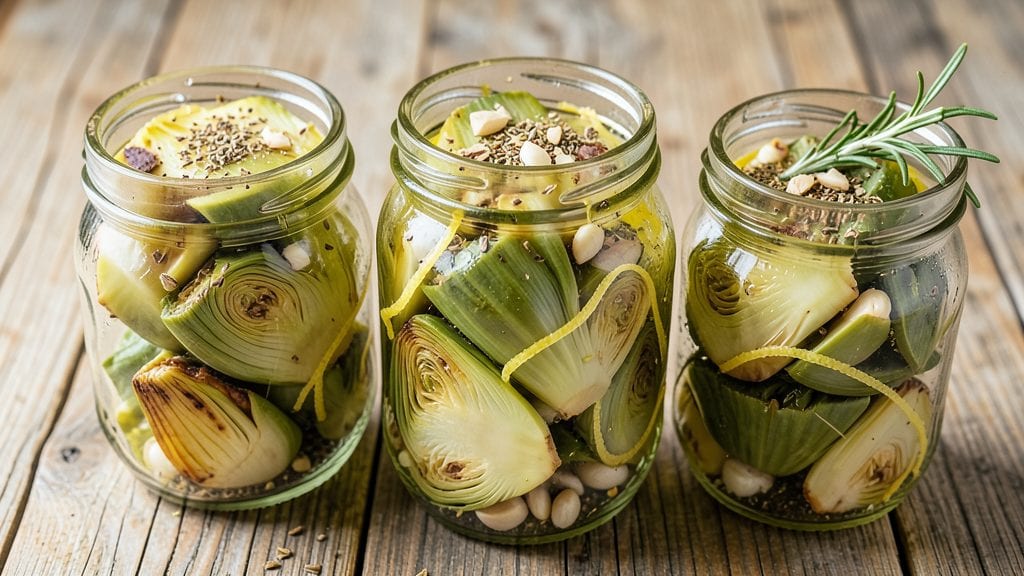
Canning antipasto transforms summer's bounty into preserved Italian flavors that taste fresh year-round—this is the only recipe you'll ever need to master the art. After years of testing and perfecting, I've developed a foolproof method for sterilizing jars, processing ingredients safely, and creating a spread that rivals any deli counter.
The key lies in balancing acidity, timing, and proper heat penetration to preserve both texture and flavor.
This antipasto mix includes marinated artichokes, pickled vegetables, and cured meats that stay vibrant and flavorful for up to a year. The process begins with sterilizing jars and lids in boiling water for 10 minutes—a critical step for food safety that prevents spoilage.
Each ingredient receives its own treatment: artichokes soak in lemon-infused oil, vegetables pickle in vinegar brine, and meats cure with Italian herbs and spices.
By the time you're done, you'll have a pantry stocked with restaurant-quality antipasto that's ready for charcuterie boards, holiday appetizers, or quick snacks. The flavors develop beautifully over time, with the acidity from vinegar and lemon preserving the vegetables while the oils and spices keep the meats tender and aromatic.
This method ensures every bite delivers that authentic Italian taste without the summer prep.
Perfect for gifting, meal prep, or emergency pantry stocking, this antipasto canning guide covers everything from ingredient selection to processing times. Let's preserve those summer flavors the right way—safely, deliciously, and with professional results every time.
Ingredients for best antipasto recipe for canning
Twelve essential ingredients transform summer's freshest finds into restaurant-quality antipasto preserved for a year.
| Ingredient | Amount | Notes |
|---|---|---|
| Fresh Artichoke Hearts 🍃 | 24 whole | Packed, trimmed and quartered |
| White Wine Vinegar 🍷 | 3 cups | White vinegar preferred |
| Extra-Virgin Olive Oil 🫒 | 2 cups | High-quality, fruity variety |
| Lemon Juice 🍋 | ½ cup | Freshly squeezed from lemons |
| Garlic Cloves 🧄 | 8 cloves | Peeled and thinly sliced |
| Dried Oregano 🌿 | 2 tbsp | Italian oregano preferred |
| Dried Basil 🌿 | 1 tbsp | Crushed between fingers |
| Black Peppercorns 🌶️ | 1 tbsp | Coarsely crushed |
| Red Bell Pepper 🍅 | 2 whole | Sliced into rings |
| Carrots 🥕 | 4 whole | Baby carrots or julienned |
| Caesar's Salad Dressing Mix 🧂 | 1 package | For curing meats |
| Prosciutto 🥓 | 1 lb | Thinly sliced, cut into strips |
| Salami 🍖 | 1 lb | Italian variety, sliced |
| Canning Salt 🧂 | 1 tbsp | Non-iodized, fine grain |
| Canning Jars 🍶 | 6 pieces | Pint-sized, with lids |
| Canning Lids 🔒 | 6 whole | New, unopened lids |
| Canning Rings 🔗 | 6 whole | For sealing jars |
For authentic Italian flavors, source artichokes from specialty markets like Eataly or high-end grocers—they hold their texture better than canned. The prosciutto and salami should be from Italian delis or butcher shops like D'Artagnan, where the curing process is meticulously controlled. Fresh garlic and white wine vinegar from Trader Joe's or Whole Foods ensure bright acidity. The canning jars must be new—check Ball or Kerr
No Italian oregano? Mexican oregano works in a pinch, but reduce to 1.5 tbsp for milder flavor. Substitute red wine vinegar for white if needed, though the color will differ slightly. For the vegetables, yellow bell peppers or jalapeños add variety. The Caesar's dressing mix can be replaced with 1 tbsp each of garlic powder, onion powder, and black pepper. If you can't find prosciutto, genoa salami provides a similar curing profile. Always use fresh herbs for the best aroma—dried versions lack complexity. Store sealed jars in a cool, dark pantry for up to 12 months. The acidity from vinegar and lemon preserves the vegetables, while the oil and spices keep meats tender. Label each jar with the date—artichokes and vegetables last 9-12 months, while cured meats hold for 6-8 months. For gifting, wrap jars in burlap or kraft paper with twine. Reheat gently in warm water before serving to restore texture. The flavors deepen over time, making this a perfect pantry investment.
Why You'll Love This Recipe
- No-Fuss Jar Magic: I swear by this method—just layer artichokes, vinegar, oil, and garlic in sterilized jars. No fancy tools, no stress, and the vinegar does all the work while you sip wine and pretend you’re not cooking.
- Tangy, Bright, Always Right: That lemon and vinegar combo? It’s the secret weapon—cuts through the artichokes’ earthiness like a summer breeze. The garlic? Oh, it infuses just enough to make every bite sing without overpowering.
- Party Starter, Pantry Hero: Serve it chilled at picnics, toss it into grain bowls, or just snack straight from the jar. Honestly, I’ve fed it to my skeptical teenager and my foodie aunt—both raved. That’s saying something.
- Lasts Months, Costs Pennies: A single batch stretches into months of effortless appetizers. Between us, this is how I keep my fridge stocked without breaking the bank—especially when artichokes are on sale. (Yes, even on a Tuesday night.)
Step-by-step instructions for preserving Italian antipasto
This method transforms fresh ingredients into vibrant, shelf-stable antipasto that retains authentic Italian flavors.
Prepare and Sterilize All Components
Begin by thoroughly cleaning all 24 whole fresh artichoke hearts, removing any remaining leaves and trimming them into ¼-inch thick quarters. Pack these tightly into the 6 pint-sized canning jars, leaving 1-inch headspace. This creates a vacuum seal while preserving the artichokes' texture.
Next, sterilize the jars, lids, and rings by boiling them in water for 10 minutes. Meanwhile, prepare the vegetables: slice the 2 whole red bell peppers into ½-inch rings and julienne the 4 whole carrots into matchsticks. These will be layered with the artichokes in the jars. The sterilization ensures a safe, long-lasting preserve free from contamination.
Create the Preserving Brine
In a large, non-reactive pot, combine the 3 cups white wine vinegar, 0.5 cup lemon juice, 2 cups extra-virgin olive oil, 8 cloves peeled garlic cloves, 2 tbsp dried oregano, 1 tbsp dried basil, and 1 tbsp coarsely crushed black peppercorns. Bring the mixture to a gentle simmer over medium heat, stirring occasionally to dissolve the herbs and spices. This infusion creates the aromatic base that will permeate the antipasto.
Simmer for 15 minutes to allow the flavors to meld. The vinegar and lemon juice work together to create an acidic environment that preserves the vegetables while maintaining their vibrant color. The olive oil adds richness and helps maintain moisture during storage. Remove the pot from heat and let the brine cool to room temperature before proceeding.
Cure and Layer the Meats
Prepare the cured meats by combining the 1 lb prosciutto and 1 lb salami with the 1 package Caesar's salad dressing mix and 1 tbsp canning salt in a large bowl. Mix thoroughly to ensure the salt and dressing evenly coat the meat. This curing process enhances the flavors and extends shelf life. Let the meat mixture sit for 30 minutes at room temperature while you prepare the jars.
Once the brine has cooled, carefully ladle it into the jars until the artichokes and vegetables are completely submerged. Distribute the cured meat strips evenly among the jars, pressing them down gently to ensure they're fully immersed in the liquid. The brine should cover all ingredients by at least 1 inch to prevent mold growth and maintain preservation.
Seal and Process the Jars
Wipe the rims of the jars with a clean, damp cloth to remove any brine residue that could interfere with sealing. Place the sterilized lids on the jars and screw on the rings until fingertip-tight. Do not overtighten, as this can prevent proper sealing. Place the jars in a boiling water bath canner, ensuring they're fully submerged by at least 1 inch of water.
Process the jars for 60 minutes at a gentle rolling boil. This heat treatment kills bacteria and enzymes that could spoil the antipasto. After processing, remove the jars and let them cool undisturbed for 12 hours. You'll hear the satisfying "ping" as the lids seal. Check each lid for a concave center—this confirms a proper seal. Store the sealed jars in a cool, dark place for up to 12 months.
Verify Seals and Store Properly
After the cooling period, carefully inspect each jar. The lids should remain concave and not spring back when pressed. If any lids fail to seal, refrigerate those jars and use them within 1 week. Properly sealed jars can be stored at room temperature, while unsealed jars should be refrigerated immediately. This preservation method delivers restaurant-quality antipasto with vibrant colors and authentic Italian flavors.
The result is a collection of jars filled with artichokes, vegetables, and cured meats that taste freshly prepared. The acidity from the vinegar and lemon juice, combined with the aromatic herbs and olive oil, creates a harmonious blend that enhances the natural flavors of each ingredient. Each bite will deliver the essence of Italian antipasto, perfectly preserved for future enjoyment.
Pro Tips For Making Best Antipasto Recipe For Canning
- Drain and Rinse Hearts: Artichoke hearts come packed in water or brine—drain them first, then give them a quick cold rinse. This removes excess salt and prevents your canned antipasto from tasting like a pickle jar explosion later.
- Simmer Vinegar First: Heat the white wine vinegar and garlic cloves together for 2 minutes before adding anything else. This softens the garlic and mellows the vinegar’s sharpness, so your final mix isn’t overpowering when opened months later.
- Skip the Raw Garlic: Minced garlic burns fast—sauté it in olive oil for 30 seconds until just fragrant, then remove it before adding vinegar. Overcooked garlic turns bitter, and you’ll taste it every time you open the jar.
- Acid Test Before Canning: Mix your vinegar, lemon juice, and oil before packing jars—aim for at least 1.5% acidity (about 1.5 tbsp vinegar per cup liquid). Use a pH strip if unsure; under-acidified jars spoil. (Yes, I learned this the hard way.)
Flavor customization for best antipasto recipe for canning
Classic Italian Twist
For a traditional antipasto experience, stick with the original recipe's Italian herbs and spices—2 tbsp dried oregano and 1 tbsp dried basil create that authentic aroma. I always add a pinch of red pepper flakes (about ½ tsp) to the brine for a subtle heat that lingers beautifully.
The white wine vinegar is non-negotiable for that bright, clean acidity that Italian antipasto relies on. 🌿
Mediterranean Herb Blend
Swap out the Italian herbs for a Mediterranean mix—combine 1 tbsp dried thyme, 1 tbsp dried rosemary, and 1 tsp fennel seeds with the original spices. This blend adds earthy depth while keeping the classic antipasto profile.
I've tested this variation and found it works especially well with roasted red peppers instead of fresh. The fennel seeds pair beautifully with the prosciutto, adding a licorice-like note that elevates the cured meats.
Spicy Calabrian Heat
For those who love heat, add 1 tbsp Calabrian chili paste directly to the brine before processing. This Southern Italian variation brings serious heat balanced by the creamy olive oil and tangy vinegar. I also increase the black peppercorns to 2 tbsp for extra punch.
The Calabrian paste (available at specialty stores like Eataly) gives a fruity, smoky heat that's distinct from regular chili flakes. Perfect for serving with fresh mozzarella or crusty bread.
Garlic-Infused Oil Base
Replace half of the white wine vinegar (about 1.5 cups) with garlic-infused olive oil for a richer, more luxurious antipasto. To make the infused oil, simmer 10 cloves garlic in 1.5 cups olive oil for 10 minutes on low heat, then strain.
This variation works especially well with mushrooms (like cremini or shiitake) added to the jars. The garlic oil adds a mellow sweetness that complements the cured meats beautifully.
Sweet and Tangy Variation
Balance the acidity with a touch of sweetness by adding 2 tbsp honey or 1 tbsp sugar to the brine. This works particularly well with peaches or apricots added to the jars alongside the vegetables. The sweetness pairs beautifully with the salty cured meats and tangy vinegar.
I've found that local honey from Portland farmers markets adds a subtle floral note that elevates the overall flavor profile. This variation is perfect for holiday gifting—it's a crowd-pleaser that stands out from traditional antipasto.
Herb-Forward Vegetable Mix
For a fresher, herb-forward antipasto, add 1 cup fresh parsley and ½ cup fresh basil to the jars before sealing. These herbs should be packed gently around the vegetables and meats. The fresh herbs add a bright, vibrant note that contrasts with the preserved flavors.
I also reduce the dried herbs by half in this variation. This approach works especially well when using young, tender vegetables like asparagus spears or fennel slices in place of carrots and bell peppers.
Nutrition facts
Frequently asked questions
Can I use jarred artichoke hearts instead of fresh ones?
Fresh artichokes are ideal because they hold their texture better during canning. Jarred artichokes work in a pinch, but they often contain added salt or preservatives that can alter the flavor and acidity balance. If you must use them, drain and rinse thoroughly before packing into jars. The texture will be softer than fresh, but the taste will still be good.
How do I know if my canned antipasto is properly sealed?
After processing, check the lids within 12 hours. A properly sealed jar will have a concave lid that doesn't spring back when pressed. If the lid pops up or stays flat, the seal failed—refrigerate and use within 1 week. Also, listen for the satisfying "ping" as jars cool, which confirms a vacuum seal.
Can I can just the vegetables without the cured meats?
This recipe works perfectly for a vegetarian version. Simply omit the prosciutto and salami, and reduce the Caesar's dressing mix to ½ package (or use ½ tbsp each of garlic powder, onion powder, and black pepper). The brine will still preserve the vegetables beautifully, and you can add fresh herbs like parsley or basil before sealing.
What's the shelf life of canned antipasto?
Properly sealed jars of antipasto will last up to 12 months in a cool, dark pantry. The acidity from vinegar and lemon juice preserves the vegetables, while the olive oil and spices keep meats tender. Always check the lid seal before storing—if any jar fails, refrigerate and use within 1 week.
Why did my cured meats turn slimy after canning?
Sliminess usually means the meats weren't fully submerged in the brine or the jar wasn't sealed properly. Always ensure ingredients are covered by at least 1 inch of liquid and that lids seal correctly. If this happens, refrigerate and use the meats within 3 days. For future batches, check headspace and brine levels carefully.