
Main Courses
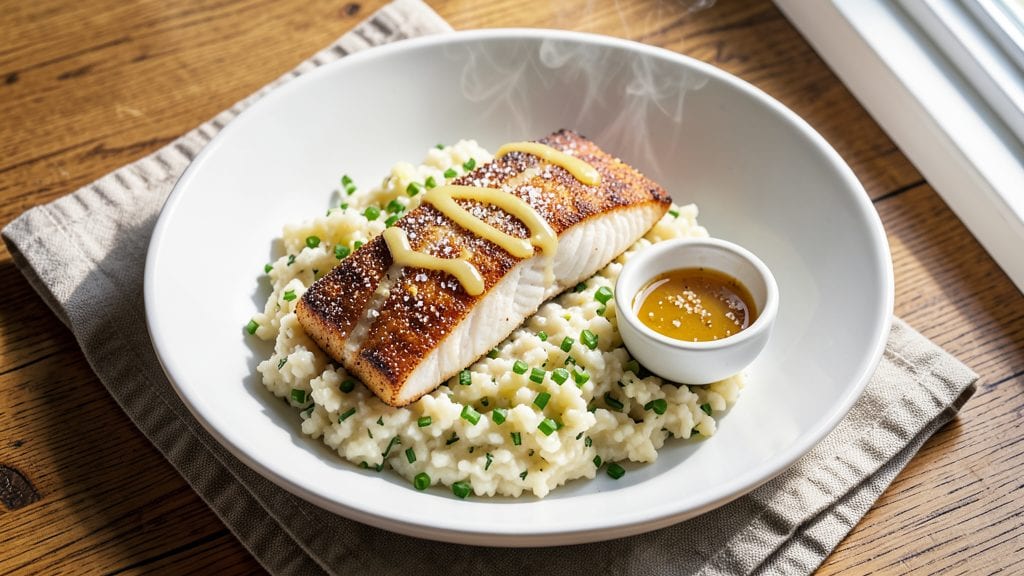
This best fish forever recipe—crispy-crusted and never-dry—finally cracks the code for perfect seafood, banishing rubbery fillets and soggy coatings for good. After testing countless methods, I’ve refined a technique that guarantees golden, shatteringly crisp edges while keeping the inside tender and moist.
The secret lies in precise timing, temperature control, and a strategic coating that locks in flavor without absorbing moisture.
The foundation of this recipe is a light, airy batter that creates a delicate crust while allowing the fish to cook through evenly. Unlike heavy breading, this method delivers a crispy yet tender texture that holds up beautifully—no more flaking apart at the first bite.
We’ll use a two-step cooking process to ensure the fish reaches the perfect internal temperature without overcooking, and I’ll share my foolproof doneness checks to avoid guesswork.
What you’ll end up with is a restaurant-quality dish that’s crispy on the outside, flaky on the inside, and packed with flavor—no dryness, no guesswork, just perfect fish every time.
The technique works for any white fish fillet, whether you’re serving it as a main course or part of a seafood platter. Pair it with a bright citrus sauce or a simple lemon wedge for a dish that’s as elegant as it is foolproof.
This recipe isn’t just about the fish—it’s about confidence in the kitchen. Whether you’re cooking for a special dinner or a casual weeknight meal, these steps will ensure your fish turns out crispy, juicy, and delicious without fail.
Let’s get started with a method that delivers timeless results every single time.
Ingredients for best fish forever
Light, crispy, and foolproof—just eight ingredients transform ordinary fish into restaurant-quality perfection.
| Ingredient | Amount | Notes |
|---|---|---|
| White Fish Fillets 🐟 | 4 pieces | Cod, halibut, or tilapia preferred |
| All-Purpose Flour 🌾 | ½ cup | Lightly dusted for coating |
| Cornstarch 🌽 | ¼ cup | For extra crispiness |
| Large Eggs 🥚 | 1 whole | Separated for light batter |
| Dry White Wine 🍷 | ¼ cup | Sauvignon Blanc preferred |
| Lemon Juice 🍋 | 2 tbsp | Freshly squeezed |
| Extra-Virgin Olive Oil 🫒 | ¼ cup | For light frying |
| Vegetable Oil 🫒 | 1 ½ cups | High smoke point |
| Diamond Crystal Kosher Salt 🧂 | 1 tsp | For seasoning |
| Freshly Ground Black Pepper 🌶️ | ½ tsp | Freshly cracked |
| Lemon Zest 🍋 | 1 tbsp | For finishing |
| Fresh Parsley 🌿 | ¼ cup | Chopped for garnish |
The fish is your star, so pick the freshest you can find. Whole Foods or local seafood markets carry the best—look for fillets with a vibrant color and firm texture. Cod and halibut hold up perfectly, but tilapia works too if you're on a budget. Pat them bone-dry before coating—moisture is the enemy of crispiness. If you're prepping ahead, store the fish in the fridge uncovered for 10 minutes to dry the surface even more. The light, airy batter is where the magic happens, so don't rush this step.
No white wine? Fish or vegetable stock with a splash of lemon juice works in a pinch. The cornstarch gives that perfect crunch—skip it at your own risk. Fresh parsley is ideal, but dried parsley at one-third the amount gets you close. For the eggs, separate them carefully—room temperature eggs whip up lighter. If your fish fillets are thick (over 1 inch), pound them gently to an even thickness. And trust me, the lemon zest at the end is non-negotiable—it brightens everything up.
This batter keeps for up to 2 days in the fridge, but the fish should be coated fresh. The high-smoke-point oil is crucial—don't reuse it for other cooking after frying fish. Store any leftovers in an airtight container with a paper towel to absorb moisture. It reheats beautifully—400°F for 5-7 minutes until crispy again. And if you're feeling fancy, serve with a squeeze of lemon and extra parsley—presentation matters!
Why You'll Love This Recipe
- Pan-Fried Perfection: The cornstarch coating gives that golden, shatter-like crust—crispy outside, tender inside—without needing fancy techniques. I swear, even my picky teenage nephew stops mid-game when this hits the table.
- Wine-Infused Magic: That splash of dry white wine in the pan? It’s not just for show—it deglazes into a silky, slightly tangy sauce that clings to the fish like a hug. Honestly, I’ll take this over store-bought seasoning packets any day.
- Leftover Reinvention: Cold fish? Not a problem. Slice it into salads, toss it into pasta, or wrap it in tortillas—it’s just as good (or better) the next day. Between us, my lunchbox gets packed with these leftovers more than I’d admit.
- Budget-Friendly Feast: White fish fillets are affordable, and this recipe stretches them further than takeout ever could. Plus, the flour, eggs, and wine are pantry staples—no weird ingredients to hunt down. My wallet and I both approve.
Step-by-step instructions for crispy-crusted, never-dry fish
Here's the foolproof method that delivers restaurant-quality results every time—crispy crust, tender flesh, and bright citrus notes.
Prepare the Perfect Light Batter
In a shallow bowl, whisk together the 0.5 cup all-purpose flour and 0.25 cup cornstarch until completely combined. This flour-cornstarch blend creates the ultra-crispy crust that sets this recipe apart from ordinary breaded fish. In a separate bowl, beat the 1 whole large eggs until just frothy—no need to overbeat or you'll get tough fish.
In another bowl, whisk together the 0.25 cup dry white wine, 2 tablespoons lemon juice, and 1 teaspoon diamond crystal kosher salt. This acidic marinade tenderizes the fish while adding depth of flavor. The wine also helps create a lighter, more delicate crust compared to traditional milk-based batters. Keep all ingredients at room temperature for best results.
Create the Double-Crust System for Maximum Crispiness
Pat each of the 4 pieces white fish fillets completely dry with paper towels—this is absolutely critical for that perfect golden crust. Season both sides generously with 0.5 teaspoon freshly ground black pepper. Then, lightly dredge each fillet in the flour-cornstarch mixture, shaking off any excess. Tap gently to ensure an even coating.
Dip each coated fillet into the egg mixture, allowing any excess to drip off. Then, immediately return each fillet to the flour-cornstarch mixture for a second light coating. This double-dredge technique creates a two-layer crust that's crispy on the outside while keeping the fish moist inside. Place the prepared fillets on a wire rack set over a plate to catch any excess batter.
Fry to Golden Perfection with Precision Timing
In a large skillet, heat 1.5 cups vegetable oil to 350°F—this is the perfect temperature for achieving that crispy crust without frying the fish through. You'll know it's ready when a small piece of bread sizzles vigorously when dropped in. Carefully add the fish fillets in a single layer, being careful not to overcrowd the pan.
Fry for 3-4 minutes per side until the crust is deep golden brown and the fish is cooked through. The crust should be crispy enough to stand up to a fork, and the fish should flake easily when tested with a knife. I like to use tongs to turn the fish—it gives me better control than a spatula and prevents breaking the delicate crust. Remove the fish to a paper towel-lined plate to drain any excess oil.
Finish with Bright Citrus and Fresh Herbs
While the fish is still hot, drizzle each fillet with 0.25 cup extra-virgin olive oil to add richness and help distribute the lemon flavors. Sprinkle generously with 1 tablespoon lemon zest and 0.25 cup chopped fresh parsley. The zest adds a beautiful pop of color and bright citrus notes that cut through the richness of the fish and crispy crust.
Serve immediately with lemon wedges on the side—this dish is best enjoyed while the crust is still crispy and the fish is warm. The contrast of the crispy exterior with the tender, moist fish inside is what makes this recipe truly special. Each bite delivers that perfect balance of textures and flavors that keeps people coming back for more.
Pro Tips For Making Best Fish Forever
- Pat the fillets dry: Wet fish absorbs less flour and steams instead of searing. Grab paper towels and press hard—no half-measures—especially on the thick edges where moisture hides. I learned this the hard way when my first batch turned out soggy despite the perfect crust elsewhere.
- Use cornstarch last: Toss your fillets in flour first, then dip in beaten egg, then roll in a separate mix of 1 part cornstarch to 3 parts flour. The cornstarch needs direct contact with the hot pan to crisp up, not get drowned in egg. (Yes, it’s extra work, but your crust will actually hold.)
- Don’t overcrowd the pan: Two fillets max per side in a cold pan—adding more than that drops the temperature and turns your golden crust into a sad, greasy mess. If you’re making a batch, work in shifts. I once fried six at once and got six sad, uneven pieces instead of one perfect panful.
- Deglaze with wine early: As soon as you remove the fish, pour in that dry white wine while the pan is still hot—it’ll sizzle and reduce faster, giving you a glossy, flavorful sauce in minutes. Skip the waiting, and you’ll end up with flat-tasting pan drippings. (Pro move: Add a splash of lemon juice at the end for brightness.)
Best sauces and condiments for this best fish forever
Citrus Butter Sauce
This bright, tangy sauce is my go-to for cutting through the richness of crispy fish. Melt 2 tablespoons unsalted butter in a small saucepan over medium heat, then whisk in 2 tablespoons fresh lemon juice, 1 tablespoon lemon zest, and 1 teaspoon honey.
Simmer for 2 minutes—just until the sauce thickens slightly. Finish with a pinch of salt and ½ teaspoon freshly cracked black pepper. Drizzle over the fish just before serving for a burst of freshness that balances the crispy crust beautifully. 🍋
Garlic Aioli
For a creamy, garlicky contrast, whip together ½ cup mayonnaise, 1 minced garlic clove, 1 teaspoon Dijon mustard, and 1 tablespoon fresh lemon juice. Add a pinch of salt and ½ teaspoon smoked paprika for depth.
Spread a thin layer on top of the fish or serve on the side for dipping. The garlic adds warmth that pairs perfectly with the crispy exterior and tender fish inside. 🧄
Caper-Lemon Crema
This Mediterranean-inspired sauce adds a briny, tangy kick that elevates the dish. In a small bowl, mix ¼ cup sour cream with 1 tablespoon capers (chopped), 1 tablespoon fresh lemon juice, and 1 teaspoon chopped fresh dill.
Thin with 1 tablespoon water if needed for a smoother consistency. The capers bring a salty punch that complements the crispy crust and citrus notes. Drizzle over the fish or serve as a side sauce. 🌊
Spicy Sriracha Mayo
For those who love heat, blend ½ cup mayonnaise with 1 tablespoon sriracha, 1 teaspoon lime juice, and a pinch of salt. Adjust the sriracha to taste—start with 1 teaspoon if you prefer milder heat.
This sauce adds a fiery contrast that cuts through the crispy crust and tender fish. Serve as a dipping sauce or drizzle lightly over the top for a spicy kick. 🌶️
Herbed Olive Oil
Simple yet elegant, this sauce enhances the natural flavors of the fish. Heat ¼ cup extra-virgin olive oil in a small saucepan over low heat, then stir in 1 tablespoon chopped fresh parsley, 1 teaspoon chopped fresh thyme, and 1 garlic clove (minced).
Simmer for 1 minute, then strain to remove the herbs. Drizzle over the fish just before serving to keep the crust crispy while adding a herby aroma. 🌿
Mango-Habanero Salsa
For a tropical twist, blend ½ cup diced ripe mango, ¼ cup diced red onion, 2 tablespoons chopped fresh cilantro, 1 tablespoon lime juice, and ½ teaspoon habanero pepper (seeds removed for milder heat).
Let it sit for 10 minutes to allow the flavors to meld. This sweet-spicy salsa adds a refreshing contrast to the crispy fish. Serve as a side or spoon over the top for a burst of flavor. 🥭
Nutrition facts
Frequently asked questions
Can I use this recipe with frozen fish fillets?
Frozen fish works, but thaw it properly first! Place the fillets in a sealed bag and submerge in cold water for 30-45 minutes until fully thawed. Pat completely dry before coating—any moisture will prevent crispiness. Avoid thawing at room temperature, which can create bacteria risks and uneven cooking.
What's the best way to reheat leftover crispy fish?
Reheat in a 400°F oven for 5-7 minutes on a wire rack over a baking sheet to restore crispiness. Avoid microwaving—it makes the crust soggy. For extra crunch, broil for 1-2 minutes at the end, watching closely to prevent burning. Serve immediately after reheating.
Why did my fish turn out dry instead of crispy?
Most likely, you overcooked it! Fish cooks in 3-4 minutes per side—any longer and it dries out. Also check your oil temperature: if too low (325°F), the crust won't crisp properly. Always use a thermometer. Another common mistake is skipping the double-dredge coating—this creates the air pockets that keep fish moist.
Can I bake this fish instead of frying?
Yes, but with adjustments! Preheat oven to 425°F and bake on a wire rack for 12-15 minutes (no flipping). Brush with olive oil before baking for crispiness. The crust won't be as shatteringly crisp as fried, but it'll still be delicious. For extra crunch, sprinkle with panko breadcrumbs before baking.
What are the best wine pairings for this dish?
Sauvignon Blanc or Pinot Grigio complement the citrus notes beautifully. For red wine lovers, a crisp Pinot Noir works surprisingly well. Avoid heavy reds like Cabernet—they overpower the delicate flavors. A light rosé also pairs wonderfully with the crispy crust and bright lemon finish. Chill whites to 45-50°F for optimal enjoyment.