
Breakfast & Brunch
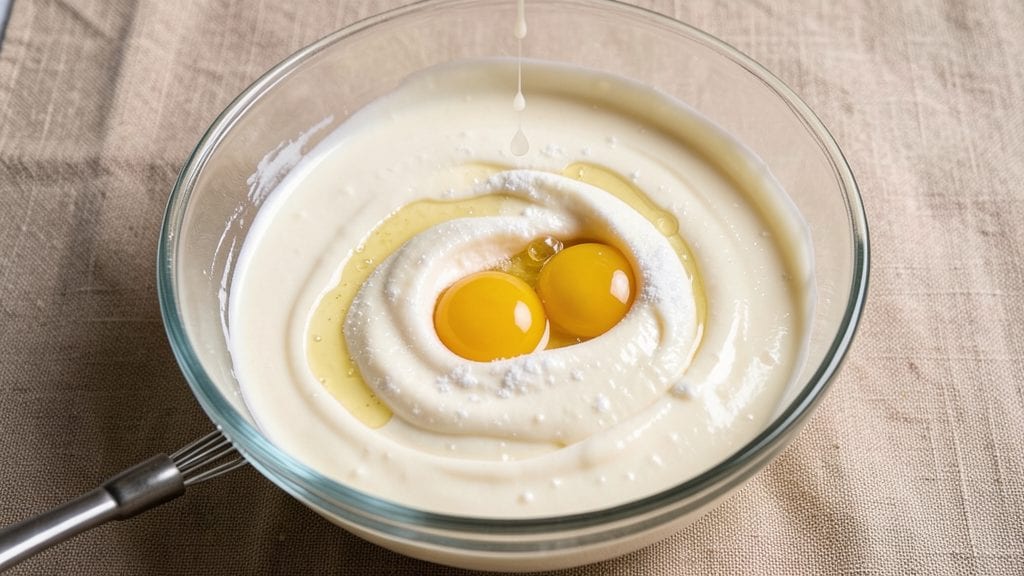
The best French crepe batter recipe starts with a simple yet transformative technique that eliminates the frustration of thick, dense crepes.
After years of perfecting my method—testing everything from traditional French ratios to modern shortcuts—I’ve landed on a foolproof batter that yields light, airy crepes with just a whisper of flour. The secret isn’t complicated: precise measurements and a rest period that develops flavor while keeping the texture impossibly tender.
This recipe delivers restaurant-quality results in under 10 minutes of active prep, with a batter that stays smooth and pours effortlessly. No special equipment is needed—just a bowl, whisk, and nonstick pan.
The batter’s magic lies in the balance of eggs, milk, and a touch of vanilla, which adds depth without overpowering the delicate texture. Whether you’re making sweet galettes or savory crêpes, this batter adapts seamlessly to any filling.
What sets this apart is the zero-tears guarantee: the batter’s light consistency means no clumping, and the high-heat cooking technique ensures crepes that flip perfectly the first time. The result? Golden, translucent crepes with a barely-there crisp at the edges and a melt-in-your-mouth interior.
Serve them warm with Nutella, lemon curd, or a sprinkle of sea salt and herbs for a breakfast that feels like a Parisian café experience.
For dietary flexibility, the recipe easily accommodates vegan swaps (flax eggs + almond milk) or gluten-free flour, proving that the best crepes don’t require compromise. Let’s get started—your first perfect batch is just a whisk away.
Ingredients for best french crepe batter
Nine ingredients, zero tears—just light, golden crepes every time. Trust the ratios.
| Ingredient | Amount | Notes |
|---|---|---|
| Large Eggs 🥚 | 2 whole | Room temperature for even blending |
| All-Purpose Flour 🌾 | ½ cup | Lightly spooned, no packing |
| Whole Milk 🥛 | 1 ¼ cups | Cold, full-fat preferred |
| Pure Vanilla Extract 🍯 | 1 tbsp | High-quality, not imitation |
| Granulated Sugar 🍚 | 2 tbsp | Fine grain for smooth batter |
| Unsalted Butter 🧈 | 1 tbsp | Melted, cooled slightly |
| Diamond Crystal Kosher Salt 🧂 | ¼ tsp | Fine grain preferred |
| Fresh Lemon Juice 🍋 | 1 tsp | Freshly squeezed |
| Extra-Virgin Olive Oil 🫒 | 1 tbsp | For pan coating |
The eggs are non-negotiable here—room temperature makes all the difference for a smooth batter. Pasture-raised eggs from Trader Joe's or your local farm store add richness, but any large eggs work. The flour? King Arthur or Gold Medal are my go-tos—they absorb moisture just right. Too much sifting = tough crepes. The milk? Cold and full-fat—skip the skim, it won’t give the same tender result. And that vanilla? Nothing but pure extract—the imitation stuff adds weird aftertaste.
No vanilla? Almond extract at half the amount works in a pinch (but don’t tell anyone). Running low on flour? Cornstarch at the same weight keeps things light—just don’t overdo it. The butter’s melt is key—cool it slightly after melting or the batter will curdle. For vegan swaps, flax eggs (2 tbsp ground flax + 6 tbsp water per egg) plus almond milk work beautifully. The lemon juice brightens everything—fresh is best, but bottled works if you’re in a rush. And that olive oil? Use the good stuff—it’s what makes those crepes shine golden.
This batter stays perfect for 24 hours in the fridge—just whisk vigorously before using. For extra prep, double the batch and freeze half in ice cube trays. Thaw overnight in the fridge, then whisk. The secret to zero tears? Heat your pan to medium-high and let the crepes cook undisturbed until edges lift—then flip with confidence. Leftovers? Reheat in a dry pan for 20 seconds per side—they taste even better the second time around.
Why You'll Love This Recipe
- Five-Ingredient Magic: I swear by this batter—just eggs, flour, milk, a splash of vanilla, and sugar. No weird substitutions, no last-minute grocery runs. The whole thing mixes in a bowl while I wait for the pan to heat, and honestly? That’s the kind of recipe I turn to when I’ve got nothing but 10 minutes and a craving.
- Vanilla Kiss Perfection: That little teaspoon of pure vanilla extract isn’t just flavor—it’s the secret. The crepes have this subtle warmth that makes them taste like a bakery, not a weekday breakfast. I’ll be real: I’ve tried imitation vanilla, and this? This is the stuff that turns “just crepes” into “I’d drive across town for these.”
- Breakfast to Dessert: Make them sweet with Nutella and berries for a lazy Sunday, or keep it savory with ham and cheese for a quick lunch. The batter’s the same—just the toppings change. My kids request them for both, and I’ve even used leftover batter to make mini crepe cakes for parties. One recipe, endless possibilities.
- No Waste, All Win: The batter keeps for days in the fridge, and I’ve stretched it into three meals without a single complaint. Even if I only use half the batch, the rest freezes like a dream—thaw and cook, no texture loss. Between us, this is my budget-friendly way to feel fancy without breaking the bank.
Step-by-step instructions for light and airy French crepes
Here's the secret to achieving restaurant-quality crepes at home—silky, tender, and effortlessly thin.
Whisk Eggs and Sugar Until Silky
In a medium bowl, whisk together the 2 whole Large Eggs and 2 tablespoons Granulated Sugar until completely combined and slightly thickened—about 2 minutes of vigorous whisking. You're looking for a pale, ribbony texture that holds its shape when you lift the whisk. This step ensures your crepes will be light and airy rather than dense.
Here's the thing—don't rush this part. The sugar needs time to fully dissolve and create a smooth base. If you see any streaks of egg white, keep whisking until everything is perfectly homogeneous. The eggs should be at room temperature for even blending, so if they're cold, let them sit out for 10-15 minutes before starting.
Incorporate Wet Ingredients for a Smooth Batter
Add the 1 tablespoon Pure Vanilla Extract, 1 tablespoon Unsalted Butter (melted and cooled slightly), and 1 teaspoon Fresh Lemon Juice to the egg mixture. Whisk everything together until fully combined—this should take about 30 seconds. The butter should be incorporated smoothly, and the mixture should look like a pale, slightly thick custard.
Next, gradually whisk in the 1.25 cups Whole Milk while continuing to whisk vigorously. You want to avoid creating any lumps in the batter, so pour the milk slowly in a thin stream. The batter should now be smooth and slightly runny—think of it like heavy cream consistency. If you see any lumps, strain the batter through a fine-mesh sieve to ensure a silky texture.
Add Dry Ingredients for the Perfect Texture
In a separate bowl, lightly whisk together the 0.5 cup All-Purpose Flour and 0.25 teaspoon Diamond Crystal Kosher Salt. The flour should be lightly spooned into the measuring cup—don't pack it down, as this will create dense crepes. Gradually add the dry ingredients to the wet mixture while whisking continuously to prevent lumps from forming.
Once fully incorporated, let the batter rest for 10 minutes at room temperature. This resting period allows the flour to fully hydrate and the gluten to relax, which results in thinner, more delicate crepes. The batter should now have a smooth, pourable consistency—almost like thin pancake batter. If it's too thick, you can add 1-2 tablespoons of additional milk to reach the ideal consistency.
Heat the Pan and Test for Readiness
Heat an 8-inch nonstick skillet over medium-high heat and lightly coat the surface with 1 tablespoon Extra-Virgin Olive Oil, using a paper towel to spread it evenly. The pan is ready when a drop of water sizzles and dances across the surface—this usually takes about 2 minutes. If the pan isn't hot enough, the crepes will absorb too much oil and become greasy.
Here's where the magic happens: pour about ¼ cup of batter into the center of the pan and immediately swirl it gently by tilting and rotating the pan to create a thin, even layer. You want the crepe to be paper-thin—almost translucent in spots. If the batter is too thick, add a splash of milk to thin it out slightly. Cook until the edges start to lift and the bottom is lightly golden, about 1-2 minutes. Flip carefully and cook for another 30 seconds until the second side is lightly golden as well.
Pro Tips For Making Best French Crepe Batter
- Whisk Until Smooth: Don’t just mix—whisk the eggs, milk, and vanilla until the batter looks like wet silk, not pancake batter. Lumps turn into tough crepes, and I learned that after making a batch where half the first ones were chewy. Take the extra 30 seconds; your stack will thank you.
- Measure Flour Right: Spoon the flour into the measuring cup, then level it with a knife—don’t scoop directly from the bag. Packed flour makes the batter thick and gummy, and you’ll end up fighting your pan instead of flipping crepes. Trust me, your first batch will be silky if you skip this step.
- Rest the Batter: Let the batter sit for at least 30 minutes before cooking—yes, even if you’re eager. The flour absorbs the liquid, and the eggs relax, giving you thinner, more tender crepes. I used to skip this and wondered why my first few were always dense. Patience here is non-negotiable.
- Use Room-Temp Ingredients: Cold eggs and milk make the batter clump and cook unevenly. Take the eggs out 10 minutes before mixing, and let the milk sit out too—no need to warm it, just room temperature. Your crepes will cook faster and lie flatter, like they’re supposed to.
Troubleshooting great best french crepe batter
Batter Too Thick?
If your batter feels like pancake batter or clumps when whisked, it’s too thick. The fix is simple: add 1-2 tablespoons of milk at a time, whisking vigorously until smooth. I’ve found that cold milk works better than warm—it won’t cook the eggs prematurely.
For a true French-style crepe, the batter should be thin enough to pour like heavy cream but not watery. If you’re still struggling, strain it through a fine-mesh sieve to remove any stubborn lumps. 🥛
Crepes Sticking?
Sticky crepes usually mean your pan isn’t hot enough or the oil isn’t distributed properly. Heat your 8-inch nonstick skillet over medium-high heat until a drop of water sizzles and rolls around—this takes about 2 minutes.
Use a paper towel to spread 1 tablespoon of olive oil evenly across the surface. If your pan is old or scratched, consider upgrading to a well-seasoned cast-iron skillet—it holds heat better and prevents sticking. 🔥
Bubbles but Won’t Flip?
If your crepe forms bubbles but refuses to lift when you try to flip it, the pan isn’t hot enough or the batter is too wet. Increase the heat to medium-high and let the pan preheat for an extra 30 seconds.
For stubborn cases, gently run a spatula around the edges to loosen it before flipping. Pro tip: If the crepe tears when flipping, it’s a sign the batter was too thin—next time, reduce milk by 1 tablespoon. ⚡
Batter Separating?
Separation happens when the batter sits too long or the eggs are cold. If you notice curdling, whisk in 1 tablespoon of warm milk and ½ teaspoon of flour to rebind the mixture. To prevent this, always use room-temperature eggs and cold milk.
For extra insurance, whisk the batter just before pouring—never prep it more than 30 minutes ahead. The lemon juice in the recipe helps stabilize the batter, but if you’re still having issues, reduce it to ½ teaspoon. 💡
Crepes Too Dense?
Dense crepes usually mean overmixed batter or too much flour. Stick to the ½ cup flour measurement—don’t pack it down, and avoid sifting unless necessary. If you’ve already added the flour, let the batter rest for 15 minutes to relax the gluten.
For a lighter texture, replace 2 tablespoons of flour with 2 tablespoons of cornstarch. And remember: less is more—pour ¼ cup batter per crepe, not more. 🌟
Batter Curdling?
Curdling occurs when the butter is too hot or the milk isn’t cold enough. Always melt the butter just until liquid, then let it cool to room temperature before adding it to the batter.
If curdling happens, strain the batter through a fine-mesh sieve to remove lumps, then whisk in 1 tablespoon of cold milk to smooth it out. For future batches, chill the batter in the fridge for 10 minutes before using—this slows down any reactions. 🥄
Nutrition facts
Frequently asked questions about French crêpe batter
Can I make this batter ahead of time?
Yes! This batter stays fresh in the fridge for 24 hours in an airtight container. Give it a good whisk before using to restore its silky texture. For longer storage, freeze portions in ice cube trays—thaw overnight in the fridge before whisking. The resting time actually improves flavor, so it's perfect for meal prep.
Why does my batter get lumpy even when I whisk?
Lumps usually mean cold eggs or overmixed flour. Always use room-temperature eggs and gently fold in the dry ingredients with a spatula instead of whisking vigorously. For stubborn lumps, strain the batter through a fine-mesh sieve right before cooking. The secret is patience—don't rush the whisking process.
How do I know when my crêpes are ready to flip?
Your crepes are ready when the edges lift easily and the surface shows tiny bubbles. The bottom should be lightly golden (about 1-2 minutes on medium-high heat). If they're not lifting, your pan isn't hot enough—wait 30 seconds longer before trying again. Never flip too early, or they'll tear.
Can I substitute milk for a dairy-free option?
For vegan crêpes, replace the milk with unsweetened almond milk or oat milk, and use flax eggs (2 tbsp ground flax + 6 tbsp water per egg). The batter will be slightly thinner, so you may need to reduce milk by 2 tablespoons. The texture stays light when cooked properly—just monitor heat closely.
What's the best way to reheat leftover crêpes?
Reheat in a dry 8-inch skillet over medium heat for 10-15 seconds per side until warmed through. For microwave reheating, wrap in a damp paper towel and heat in 10-second bursts—this prevents rubberiness. Never stack them while reheating, or they'll stick together.