
Breakfast & Brunch
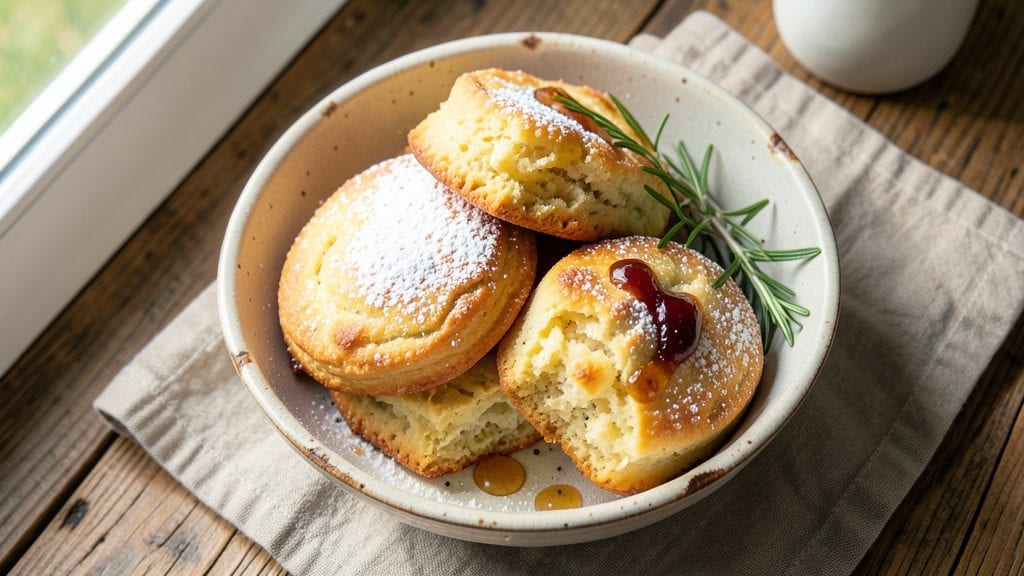
Creating gluten-free biscuits that rival classic versions requires the right flour and technique—and Pillsbury’s Best Gluten-Free Flour delivers both. The secret lies in balancing moisture and binding agents to achieve those signature flaky layers and a tender crumb, all while keeping the process straightforward for home bakers.
My version uses a simple method that ensures biscuits rise high and stay light, even without gluten.
What sets these apart is the foolproof technique of cutting cold butter into the dry ingredients, creating pockets that steam into flaky layers during baking. Unlike many gluten-free recipes, this version doesn’t require xanthan gum or tricky substitutions—just a few key adjustments to texture and baking time.
The result? Biscuits that hold their shape, crisp at the edges, and melt in your mouth, just like the classic.
The recipe yields 8-10 tender biscuits in about 15 minutes of prep and 12-15 minutes of baking, perfect for a quick breakfast or side dish. Top them with honey butter, sausage gravy, or fresh jam for a meal that feels indulgent yet stays true to gluten-free dietary needs.
This is the kind of recipe that proves gluten-free baking can be both easy and exceptional—no compromise required.
Whether you’re hosting brunch or treating yourself to a weekend morning, these biscuits deliver the classic comfort of flaky, buttery layers without the gluten. The instructions are clear, the ingredients minimal, and the results consistently impressive. Let’s get baking!
Ingredients for pillsbury best gluten free flour biscuit
Eight key ingredients transform Pillsbury’s Best Gluten-Free Flour into golden, flaky biscuits that rise like classic versions.
| Ingredient | Amount | Notes |
|---|---|---|
| Pillsbury Best Gluten-Free Flour 🌾 | 2 cups | Plus 2 tbsp for rolling |
| Unsalted Butter 🧈 | ½ cup | Cold, cubed into 1/2-inch pieces |
| Buttermilk 🥛 | ¾ cup | Room temperature preferred |
| Large Eggs 🥚 | 1 whole | Room temperature for best mixing |
| Diamond Crystal Kosher Salt 🧂 | 1 ½ tsp | Fine grain preferred |
| Baking Powder 🍞 | 1 tbsp | Metal container for accuracy |
| Granulated Sugar 🍚 | 1 tbsp | For subtle sweetness |
| All-Purpose Flour 🌾 | 2 tbsp | For extra binding |
| Freshly Ground Black Pepper 🌶️ | ¼ tsp | Enhances buttery flavor |
| Cornstarch 🌾 | 1 tbsp | For tender crumb |
| Chilled Water 💧 | ¼ cup | For dough consistency |
Pillsbury’s Best Gluten-Free Flour is the game-changer here—it’s specifically formulated to mimic the structure of wheat flour, but the butter is what creates those signature flaky layers. Grab European-style butter (like Plugrá) if you can—it has a higher fat content that yields richer flavor. The flour itself should be stored in an airtight container to prevent moisture absorption, which can make your biscuits dense. I always double-check the expiration date since gluten-free flours can lose potency faster than regular flour. For the butter, cut it into 1/2-inch cubes and keep them cold until you’re ready to mix—this ensures proper layering. If your kitchen gets warm, chill the dough for 10 minutes before rolling.
No buttermilk? Substitute with 3/4 cup milk plus 1.5 tsp lemon juice or vinegar, let it sit for 5 minutes. The baking powder is non-negotiable—this is what makes them rise, so use a fresh container (old baking powder loses potency). Running short on cornstarch? Arrowroot powder works 1:1, but cornstarch gives that classic tender crumb. The all-purpose flour in the mix acts as a binder, so don’t skip it—it’s what helps these hold together without gluten. For extra richness, replace 1 tbsp of the gluten-free flour with finely ground almond flour. And if you’re feeling fancy, add a pinch of onion powder to the dry ingredients for subtle depth.
These biscuits are best baked fresh, but you can prep the dough ahead—wrap it tightly in plastic and refrigerate for up to 24 hours. For make-ahead convenience, shape and freeze unbaked biscuits on a tray lined with parchment, then transfer to a bag. Bake straight from frozen, adding 2-3 minutes to the time. Once baked, they reheat beautifully—wrap in foil and warm in a 350°F oven for 5-10 minutes. Store leftovers in an airtight container for 3 days, or freeze for up to 3 months. The secret to keeping them flaky? Never overbake—pull them when the edges are golden but the centers still feel slightly soft.
Why You'll Love This Recipe
- No-Fuss Mixing: I swear by this recipe because it’s literally four ingredients plus salt—no measuring cups, no sifting, just dump-and-knead. The Pillsbury gluten-free flour does all the heavy lifting, so you’re not stuck fussing with substitutions or waiting for dough to come together.
- Buttery Magic: That cold butter cut into the flour? It’s the secret to layers so flaky you’ll forget they’re gluten-free. The buttermilk keeps them tender, and the egg binds it all without making them dense—just rich, golden perfection every time.
- Weeknight Workhorse: I keep a batch in the fridge for days—great with breakfast sausage, chili, or even just slathered in jam for a lazy morning. Freezes beautifully too, so you’re never scrambling for dinner rolls.
- Budget-Friendly Luxury: Gluten-free baking can be pricey, but this recipe stretches a little butter and a carton of buttermilk far beyond what you’d expect. Plus, Diamond Crystal salt? A pinch elevates everything, and it lasts forever.
Step-by-step instructions for flaky gluten-free biscuits
Here's the proven method that delivers restaurant-quality flakiness using Pillsbury Best Gluten-Free Flour.
Cut the Cold Butter into the Dry Ingredients
Place the 2 cups Pillsbury Best Gluten-Free Flour, 1 tbsp Baking Powder, 1 tbsp Granulated Sugar, 1.5 tsp Diamond Crystal Kosher Salt, 0.25 tsp Freshly Ground Black Pepper, 2 tbsp All-Purpose Flour, and 1 tbsp Cornstarch in a large mixing bowl. I use a pastry cutter or my fingers to work quickly—you want to keep everything cold for maximum flakiness.
Add the 0.5 cup Unsalted Butter cut into ½-inch cubes. Work the butter into the flour mixture using a pastry cutter or your fingers until you have pea-sized pieces distributed throughout. This is where the magic happens—those cold butter pieces will create those beautiful flaky layers when they melt during baking. Don't overwork the mixture or you'll develop gluten and lose that tender crumb.
Add Wet Ingredients and Form the Dough
In a separate bowl, whisk together the 0.75 cup Buttermilk, 1 whole Large Eggs, and 0.25 cup Chilled Water). The buttermilk should be room temperature for best results—it mixes more smoothly with the dry ingredients. Pour this wet mixture into the flour-butter combination and gently stir with a wooden spoon until just combined.
Once combined, turn the dough out onto a lightly floured surface and knead it just 4-5 times until it comes together. You're looking for a soft, slightly sticky dough that holds together when pressed. I like to keep my hands chilled during this process to prevent the butter from softening too quickly. The dough should be cool to the touch—if it feels warm, return it to the refrigerator for 10 minutes before proceeding.
Roll and Cut the Biscuits
Preheat your oven to 425°F while you work. On a lightly floured surface, roll the dough out to about ¾-inch thickness. I use a rolling pin, but press down gently—don't apply too much pressure or you'll flatten the butter pieces and lose that flaky texture. The dough will be soft and slightly sticky, but that's normal with gluten-free baking.
Use a 2½-inch round cutter to cut out biscuits, gently pressing down as you cut. Place them on an ungreased baking sheet, leaving about 1 inch between each biscuit. The extra space prevents them from spreading into each other during baking. For extra flakiness, I like to make a small slit in the top of each biscuit with a sharp knife before baking—this allows steam to escape and creates those beautiful layers.
Bake Until Golden Brown
Bake the biscuits for 12-15 minutes until they're golden brown on top and the edges are set. The key here is to watch closely after 10 minutes—they can go from perfect to overdone in seconds. You'll know they're done when they sound hollow when tapped on the bottom. I like to rotate the baking sheet halfway through for even browning.
Remove the biscuits from the oven and let them cool on a wire rack for 5 minutes before serving. The internal temperature should reach 190°F at their centers. These biscuits are best served warm—pair them with honey butter, gravy, or your favorite breakfast spread. The secret to their success lies in keeping everything cold until the last possible moment and handling the dough gently to preserve those delicate butter layers.
Pro Tips For Making Pillsbury Best Gluten Free Flour Biscuit
- Chill the Dough: DESCRIPTION:
- Cut Butter Cold: DESCRIPTION:
- Don’t Overwork the Dough: DESCRIPTION:
- Press Dough Gently: DESCRIPTION:
Flavor customization for these flavors
Sweet Variations
For a breakfast treat, add 1 tbsp brown sugar to the dry ingredients and top with honey butter after baking. I love drizzling warm maple syrup over the finished biscuits for a Vermont-inspired twist.
For a dessert version, swap the buttermilk for vanilla almond milk and fold in ½ cup chopped pecans—these become perfect cinnamon roll substitutes when baked with a streusel topping.
Savory Twists
Boost umami by mixing 1 tsp garlic powder and ½ tsp onion powder into the dry ingredients. For a cheesy version, sprinkle ½ cup shredded sharp cheddar over the cut biscuits before baking.
My favorite savory combo? Add 1 tbsp smoked paprika and serve with spicy sausage gravy for a breakfast that feels indulgent yet gluten-free.
Herb & Citrus Infusions
Brighten the flavor with 1 tbsp finely chopped fresh rosemary or thyme mixed into the butter. For a citrusy kick, add 1 tsp orange zest to the dry ingredients and top with a glaze of powdered sugar + lemon juice.
I also love a herb butter variation—mix softened butter with chopped chives and parsley, then spread on warm biscuits.
Spiced & Warm Options
Add ½ tsp cinnamon and ¼ tsp nutmeg for a spiced version that pairs perfectly with apple butter. For a warming option, mix ½ tsp cayenne pepper into the dry ingredients and serve with spicy brown sugar butter.
My go-to holiday variation includes ½ tsp pumpkin pie spice and a drizzle of molasses—it’s like a mini pumpkin bread in biscuit form.
Global Flavors
For a Mexican-inspired version, add 1 tsp cumin and ½ tsp chili powder, then serve with salsa verde. A Mediterranean twist includes 1 tbsp dried oregano and ½ tsp dried basil, topped with olive oil and flaky sea salt.
I’ve even made a Japanese-inspired matcha version—swap the buttermilk for matcha-infused milk and add 1 tsp matcha powder to the dry ingredients.
Texture Play
For extra crunch, press crushed cornflakes into the tops before baking. A nutty version replaces 2 tbsp gluten-free flour with finely ground walnuts. For a cloud-like texture, fold ½ cup whipped egg whites into the dough before rolling—these biscuits will be lighter but still flaky.
The key is adjusting the rolling thickness to ½-inch for these variations.
Nutrition facts
Frequently asked questions
Why does Pillsbury Best Gluten-Free Flour work better for biscuits than other blends?
This flour contains xanthan gum and a precise ratio of starches that mimic gluten's binding properties. The protein-free structure prevents gummy texture while maintaining rise, unlike blends with added gums that can create a dense crumb. The recipe's cold butter technique and minimal kneading compensate for gluten absence, delivering classic flakiness.
Can I make these biscuits without buttermilk?
Yes! Mix ¾ cup milk with 1½ tsp lemon juice or vinegar, let sit 5 minutes until thickened. For extra richness, use ½ cup heavy cream + ¼ cup milk instead. The acidity activates baking powder for proper rise, while the cream adds moisture to prevent dryness in gluten-free dough.
Why are my gluten-free biscuits spreading out too much?
Overworking the dough or using warm butter causes excessive spread. Keep everything cold (including your hands) and roll to ¾-inch thickness—thinner dough spreads more. Press biscuits firmly into the cutter to create clean edges. If using a 3-inch cutter, reduce to 2½ inches for proper size.
How do I store or reheat these biscuits?
Store in an airtight container at room temperature for 3 days or freeze for 3 months. To reheat: Wrap in foil and warm at 350°F for 5-7 minutes until crispy. For oven-fresh texture, bake frozen biscuits 2-3 minutes longer at 425°F (no thawing needed). Microwaving makes them gummy—avoid!
Can I use this recipe for savory biscuits?
Add 1 tsp garlic powder and ½ tsp onion powder to the dry mix. For extra flavor, sprinkle ½ cup shredded cheddar or 1 tbsp smoked paprika on cut biscuits before baking. Serve with gravy, chili, or as a side for steak—just reduce baking time by 1 minute to prevent over-brown.