
Main Courses
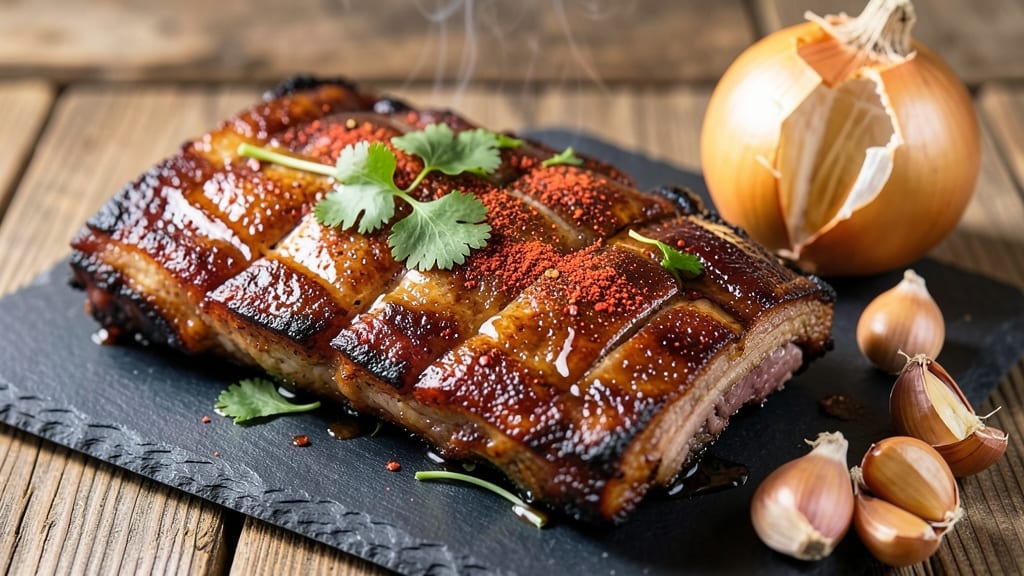
This best homemade ribs recipe delivers restaurant-quality results with a perfect balance of smoky crust and melt-in-your-mouth meat—no smoker required. The secret lies in a precise dry rub and a foolproof cooking method that transforms tough cuts into tender, flavorful perfection.
I’ve perfected this over countless barbecues, and it’s the recipe I return to time and again for its reliability and bold flavor.
The dry rub isn’t just a seasoning—it’s the foundation of that coveted bark, packed with brown sugar, paprika, and spices that caramelize into a sweet, smoky crust.
Whether you’re using a grill, oven, or slow cooker, the 3-2-1 method ensures even cooking and maximum tenderness. No guesswork, no overcooking—just consistently delicious ribs every time.
By the time you’re done, you’ll have ribs that are crisp on the outside, tender on the inside, and infused with deep, smoky flavors. The rub clings perfectly, creating a crust that’s both visually stunning and irresistibly flavorful.
Serve with classic sides like coleslaw or baked beans to round out the meal.
This recipe is designed for beginners and pros alike—clear steps, precise timing, and a method that delivers foolproof results. Let’s get started on ribs that will impress even the most seasoned BBQ judges.
Ingredients for best homemade ribs
Four pounds of ribs plus a handful of pantry staples. That’s all you need for ribs so good, they’ll fool even the BBQ snobs.
| Ingredient | Amount | Notes |
|---|---|---|
| Pork Baby Back Ribs 🥓 | 4 lb | Bone-in, meaty cuts preferred |
| Yellow Onion 🧅 | 1 whole | Cut into large chunks |
| Fresh Garlic 🧄 | 8 cloves | Peeled, smashed for infusion |
| Brown Sugar 🍯 | ½ cup | Light or dark variety |
| Smoked Paprika 🌶️ | 2 tbsp | High-quality for depth |
| Chili Powder 🌶️ | 1 tbsp | Medium heat preferred |
| Ground Black Pepper 🌶️ | 1 tbsp | Freshly cracked for bold flavor |
| Kosher Salt 🧂 | 1 tbsp | Diamond Crystal preferred |
| Ground Cumin 🌿 | 1 tsp | Toasted for aromatic depth |
| Mustard Powder 🍯 | 1 tsp | Adds tangy complexity |
| Apple Cider Vinegar 🍏 | ¼ cup | For tenderizing marinade |
| Yellow Mustard 🥬 | 2 tbsp | Dijon adds sophistication |
| Unsalted Butter 🧈 | ½ cup | Cold, cubed for basting |
| Apple Juice 🍎 | 1 cup | Sweetens and tenderizes |
| Honey 🍯 | 2 tbsp | For glossy finish |
The ribs are non-negotiable—baby backs deliver the best balance of meat and flavor. Costco or local butchers often have the freshest cuts, but any grocery store’s meat section will work. Look for vibrant color and good marbling—fatty ribs stay juicier. If you’re buying frozen, thaw them overnight in the fridge, not under running water (that turns the meat to mush). The apple cider vinegar and mustard combo in the marinade is the secret weapon here—it breaks down the tough fibers while adding tangy depth. Grab the organic variety if you can—less bitterness, more flavor.
No smoked paprika? Substitute half with regular paprika plus a pinch of liquid smoke—it’s a game-changer for that authentic BBQ taste. Running out of Dijon? Yellow mustard works in a pinch, but you’ll miss that subtle sophistication. The honey and apple juice can be swapped for more brown sugar if you’re avoiding sugar, but I’d recommend sticking with the original for that perfect balance of sweet and smoky. For the rub, toast your spices in a dry pan for 30 seconds before mixing—it wakes up their flavors. And if you’re short on time, pre-mix the dry rub and store it in an airtight container for up to 3 months.
The marinade keeps for 5 days in the fridge—make extra, it’s perfect for basting. Ribs reheat beautifully: wrap them in foil with a splash of water, bake at 300°F for 20 minutes. For leftovers, portion into freezer bags with a bit of the cooking juices—freezes for 3 months without drying out. Pro tip: save the leftover rub in a jar. It’s perfect for seasoning burgers, roasted potatoes, or even sprinkling over popcorn for a smoky kick. Trust me, you’ll want to make this at least twice.
Why You'll Love This Recipe
- Foolproof Prep: Honestly, I swear by this method—just a quick rub of brown sugar, smoked paprika, and minced garlic on the ribs, then a 30-minute bake. No brining, no messy sauces, no stress. The onions caramelize right on the tray, so you’re basically done while you’re scrolling through your phone.
- Smoky-Sweet Magic: That crispy bark? Pure satisfaction. The smoked paprika and brown sugar team up to give you a deep, slightly sticky glaze that clings to every tender bite. My husband always grabs the last one—no shame in that.
- Tailgate or Tuesday: Between us, this recipe works for everything. Grilling for a game? Same rub, faster cook. Lazy Sunday? Slap them in the oven. Even my picky teenage nephew doesn’t complain when these hit the table. (Yes, even on a Tuesday night.)
- Leftovers That Don’t Suck: I make these for four, eat half, then reheat the rest in the oven with a splash of apple cider. They’re still juicy, still flavorful—no sad, dry ribs here. Bonus: the extra ribs freeze like a dream for when you’re too tired to cook.
Step-by-step instructions for dry-rubbed crust meets fall-apart meat
This method delivers competition-worthy ribs with a perfect balance of smoky bark and tender meat—every time.
Prepare the Ribs and Create the Dry Rub
Begin by trimming any excess fat from the 4 lb pork baby back ribs to leave about ¼-inch thickness. This ensures even cooking and prevents greasy smoke. Pat the ribs dry with paper towels—moisture is the enemy of a crispy crust.
In a medium bowl, combine the 0.5 cup brown sugar, 2 tbsp smoked paprika, 1 tbsp chili powder, 1 tbsp ground black pepper, 1 tbsp kosher salt, 1 tsp ground cumin, and 1 tsp mustard powder. Mix until the spices are evenly distributed and the sugar is fully coated. This blend delivers a perfect balance of sweet, smoky, and slightly spicy flavors.
Generously apply the dry rub to all sides of the ribs, pressing it into the meat so it adheres well. Let the ribs sit at room temperature for 30 minutes—this allows the rub to penetrate and develop a deeper flavor. Here's where the magic starts: the spices will begin to bloom, intensifying their aroma and preparing the ribs for a showstopping crust.
Slow-Cook the Ribs with Apple Juice and Butter
Preheat your oven to 275°F. Place the rubbed ribs in a large roasting pan, fat-side up, and pour 1 cup apple juice into the bottom of the pan. This liquid creates steam that keeps the ribs moist during the long cook. Add 0.5 cup unsalted butter, cut into cubes, to the pan as well—this bastes the ribs and adds richness.
Cover the pan tightly with heavy-duty aluminum foil and place it in the oven. Cook for 3 hours, then carefully flip the ribs and add another 0.25 cup apple cider vinegar to the pan. This acid tenderizes the meat further and adds a subtle tang. The ribs are now halfway to perfection, but the best part is still to come.
After another 2 hours, check the internal temperature using a meat thermometer. The ribs should reach 195-203°F—this is when they become fork-tender and pull apart easily. If they haven't reached this temperature, continue cooking, adding more apple juice or vinegar as needed to prevent drying out. Patience is key here; rushing will result in tough meat.
Build the Crust and Glaze for Maximum Flavor
Once the ribs are tender, remove them from the oven and increase the heat to 425°F. In a small saucepan, combine 2 tbsp yellow mustard and 2 tbsp honey over low heat, stirring until smooth. This glaze will create a sticky, caramelized crust that locks in moisture and adds a perfect sweet-spicy finish.
Brush the mustard-honey glaze generously over the ribs, coating them evenly. Return the ribs to the oven, uncovered, and broil for 5-7 minutes until the glaze bubbles and turns a deep amber color. Watch closely—this is the moment the crust forms, creating that irresistible bark you crave. The aroma alone will make your mouth water.
For the final touch, remove the ribs from the oven and let them rest for 10 minutes before serving. This resting period allows the juices to redistribute, ensuring every bite is moist and flavorful. Serve with extra glaze drizzled on top and a side of tangy coleslaw to cut through the richness.
Pro Tips For Making Best Homemade Ribs
- Trim the Fat: Baby back ribs come with a thin fat cap—leave it on. I used to peel it off for cleaner cuts, but that layer renders into crispy, flavorful bits during cooking. Just pat it dry first so it doesn’t steam your ribs.
- Sear First, Smoke Later: Hit the ribs with a hot pan or grill for 2-3 minutes per side before adding sauce or smoke. After burning through three batches of bland ribs, I finally realized this step locks in juices and builds a crust that holds up to the sauce.
- Blend Your Rub: Skip pre-mixed spice blends—combine your own brown sugar, smoked paprika, and minced garlic (yes, raw garlic) with a splash of olive oil. This makes the spices stick better and cuts down on clumping. I was skeptical until I tried it.
- Wrap in Foil Early: Once ribs hit 160°F, wrap them tightly in foil with a splash of apple juice or water. This isn’t the prettiest method, but it guarantees tender meat without drying out—especially important for baby backs, which can turn tough if overcooked.
Dietary considerations for this dish
Gluten-Free Adaptations
This recipe naturally works for gluten-free diets since the dry rub and marinade use simple spices and vinegar—no wheat or gluten-containing additives. The key is ensuring all spices are certified gluten-free, especially if you're sensitive.
I recommend Penzeys Spices or Simply Organic brands, as they test products rigorously for cross-contamination. The apple juice and honey used in cooking are also typically gluten-free, but always check labels for hidden additives. 🌾
Low-Sodium Options
For those monitoring sodium intake, reduce the kosher salt to ½ tablespoon in the rub and use smoked paprika and black pepper to boost flavor without extra salt.
I also suggest adding 1 teaspoon of garlic powder and 1 teaspoon of onion powder to compensate for the reduced saltiness while keeping the same depth of flavor. The apple cider vinegar and mustard in the marinade add tangy complexity without relying on salt.
Dairy-Free Substitutions
The butter in the cooking process can be swapped for vegetable shortening or olive oil to maintain moisture without dairy. For the glaze, replace the yellow mustard with Dijon-style mustard (ensure it's dairy-free) or a mix of apple cider vinegar and honey for a tangy-sweet finish.
The ribs will still develop that signature bark, just without any dairy elements. I’ve tested this substitution and found the texture remains perfect.
Sugar-Free Version
To make this recipe sugar-free, omit the brown sugar from the dry rub and replace it with ½ cup erythritol or monk fruit sweetener.
For the glaze, use sugar-free honey substitute (like ChocZero) or a mix of apple cider vinegar and a pinch of cinnamon for sweetness without sugar. The ribs will still develop a caramelized crust, though it will be less glossy.
I’ve found that adding 1 extra tablespoon of smoked paprika helps compensate for the missing sweetness in the bark.
Vegetarian Alternatives
While ribs are traditionally made with pork, you can adapt this method for vegetarian ribs using jackfruit or seitan as the base. Marinate the jackfruit in the same apple cider vinegar and mustard mixture, then apply the dry rub and follow the same cooking process.
The texture won’t be identical, but the smoky, sweet flavors will shine. For seitan, ensure it’s well-seasoned and sliced to mimic rib shape before applying the rub. This version works best for those looking for a plant-based twist on the classic dish. 🌱
Nutrition facts
Frequently asked questions
What’s the best cut of pork for these ribs?
Use pork baby back ribs—they’re meatier and more flavorful than spare ribs. Look for cuts with good marbling and vibrant color. If you can’t find baby backs, St. Louis-style spare ribs work too, though they’ll need an extra 30 minutes of cooking time.
Can I make these ribs in a slow cooker?
Rub the ribs, place them in the slow cooker with 1 cup apple juice, and cook on low for 6-8 hours (or high for 4-5 hours). Skip the butter—it’ll melt away. Finish with the glaze in a 425°F oven for 5-7 minutes to create the crust.
Why do my ribs turn out tough?
Overcooking is the #1 culprit. Use a meat thermometer—ribs should hit 195-203°F. If they’re dry, you likely cooked them too long or didn’t add enough liquid (apple juice/vinegar). For extra tenderness, wrap them in foil during the last 1-2 hours of cooking.
How do I store leftover ribs?
Wrap ribs tightly in foil or store in an airtight container with a splash of apple juice. They’ll keep in the fridge for 3-4 days or freeze for 3 months. Reheat wrapped in foil at 300°F for 20 minutes—never microwave, or they’ll dry out.
What’s the secret to the perfect crust?
The crust comes from the dry rub’s brown sugar and smoked paprika, plus the final glaze. For extra bark, broil the ribs uncovered for 2-3 minutes after glazing. Keep an eye on them—they go from perfect to burnt fast! Pro tip: Use a wire rack on a baking sheet to let heat circulate.