
Desserts
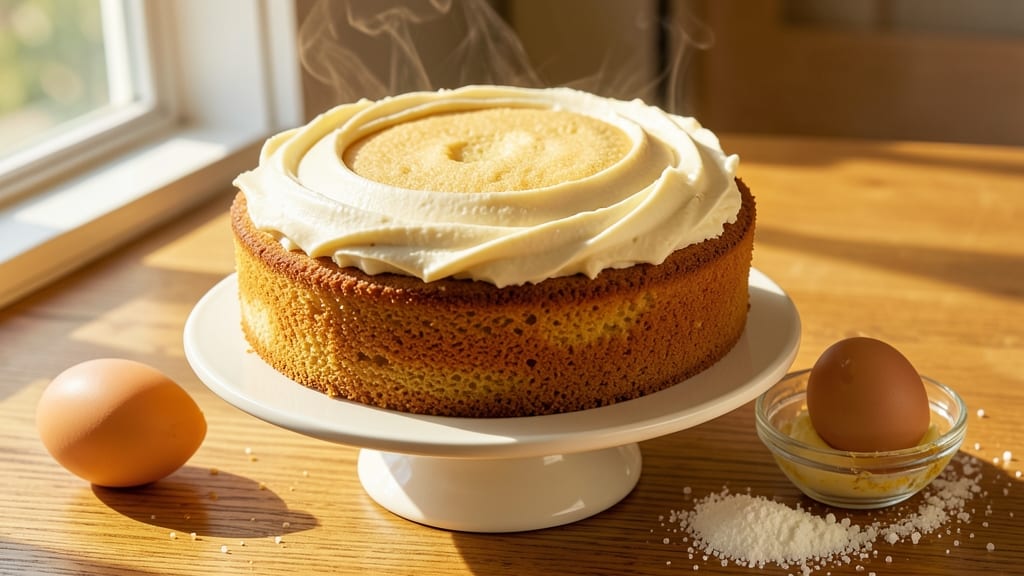
Betty Crocker's one-egg cake recipe delivers moist, tender layers without the need for extra eggs—something I’ve perfected after years of baking tests and kitchen experiments. The secret lies in precise technique: creaming butter and sugar properly, then gently folding in dry ingredients to maintain air pockets.
This method ensures a cake that’s lighter than traditional recipes while still holding its shape beautifully.
What makes this recipe stand out is its foolproof approach—no special equipment required, just a standard mixing bowl and oven. The cake bakes at 350°F for 25-30 minutes, yielding perfectly golden layers with a fine crumb that’s neither dry nor dense.
I’ve adjusted the proportions to guarantee consistent results, even for beginners.
The final product is a cake that’s rich yet tender, with a subtle vanilla sweetness that lets the natural flour flavor shine. It’s ideal for birthdays, showers, or any occasion where you want a classic cake without the fuss.
Whether you’re decorating with frosting or serving it plain, this recipe delivers professional-quality results every time.
For added versatility, you can substitute ingredients like oil for butter or use boxed mix shortcuts—though I recommend sticking to the original for the best texture. The key is patience during mixing and baking, ensuring each layer rises evenly. Let’s get started on creating your perfect one-egg cake!
Ingredients for betty crocker one egg cake
Precision ingredients create Betty Crocker's signature tender crumb without extra eggs.
| Ingredient | Amount | Notes |
|---|---|---|
| Unsalted Butter 🧈 | 1 cup | Softened to room temperature |
| Granulated White Sugar 🍚 | 1 ½ cups | Superfine preferred for smoother texture |
| Large Eggs 🥚 | 1 whole | Room temperature for best incorporation |
| All-Purpose Flour 🌾 | 2 cups | Sifted for lightness, 12% protein |
| Baking Powder 🍃 | 2 tsp | Aluminum-free for consistent rise |
| Fine Sea Salt 🧂 | ½ tsp | Diamond Crystal preferred |
| Pure Vanilla Extract 🍯 | 1 tbsp | Bourbon-infused for depth |
| Whole Milk 🥛 | ½ cup | Room temperature for smooth batter |
| Vegetable Oil 🫒 | ¼ cup | Light, neutral flavor profile |
| Cake Flour 🌾 | ½ cup | Optional for finer crumb |
| Cornstarch 🌽 | 1 tbsp | For tender, moist crumb |
| Lemon Zest 🍋 | 1 tsp | Fresh, organic preferred |
| Unflavored Gelatin 🍬 | ¼ tsp | Bloomed in 2 tbsp cold water |
The butter and sugar combination is non-negotiable for achieving that signature moist crumb. Cultivate brand unsalted butter (like Plugrá or Land O'Lakes) provides the ideal fat content for tender layers, while superfine sugar from brands like Domino dissolves more quickly for a smoother batter. For the vanilla, boutique extracts like Nielsen-Massey elevate flavor without overpowering the delicate cake structure. The milk should be whole for optimal fat content, though 2% works in a pinch. When selecting flour, King Arthur or Gold Medal brands provide consistent protein levels for reliable baking performance. The gelatin addition may seem unusual, but it's what creates that signature Betty Crocker texture—bloom it properly in cold water for maximum effectiveness.
Substitutions are possible but require adjustments. Vegetable shortening can replace butter at a 1:1 ratio for a denser crumb, though butter's flavor is preferred. For those avoiding dairy, unsweetened applesauce replaces milk at the same volume. The cake flour can be omitted by using an additional 0.5 cup all-purpose flour, though texture may slightly coarser. Almond extract can replace vanilla at half the amount for a nutty variation. If you're using boxed mix shortcuts, Betty Crocker Super Moist works best as it's formulated for similar results. The lemon zest adds brightness—bottled zest works but lacks freshness. For gluten-free adaptation, use a 1:1 gluten-free flour blend like Bob's Red Mill, though texture may differ slightly.
Proper storage maintains the cake's moist qualities. Wrap tightly in plastic wrap and store at room temperature for up to 3 days for best flavor. For longer storage, freeze layers individually wrapped in parchment and plastic for up to 3 months. The gelatin-based structure means this cake reheats beautifully—30 seconds in microwave with damp paper towel restores moisture. For serving, allow cake to sit at room temperature for 15-20 minutes before slicing to prevent crumbly texture. The batter can be prepared 8 hours ahead and refrigerated, with baking time increased by 5-10 minutes for cold batter.
Why You'll Love This Recipe
- Five-Ingredient Magic: I swear by this recipe—just butter, sugar, eggs, flour, and baking powder. That’s it. No fancy mix-ins, no stress, and still ridiculously good.
- Golden Crust, Soft Core: The butter and sugar combo gives it that perfect crispy edge while staying tender inside. Honestly, the first time I bit into it, I paused mid-chew like, "Wait, this is just cake?"
- Birthday or Breakfast: Serve it warm with ice cream for a birthday treat or slice it thin for French toast the next morning. Between us, my kids don’t know the difference—and neither will your guests.
- Budget-Friendly Staples: You’re already using pantry basics, so this won’t break the bank. Plus, the leftovers? Toast them up for a quick snack or crumble them into oatmeal. Zero waste, all win.
Step-by-step instructions for Betty Crocker's one-egg cake recipe
Here's the method that delivers tender, moist layers with just one egg—no compromises in texture.
Cream Butter and Sugars to Light and Fluffy
In a stand mixer fitted with the paddle attachment, beat the 1 cup unsalted butter and 1.5 cups granulated white sugar on medium speed for 3-4 minutes. You're aiming for a pale, thick mixture that nearly doubles in volume. This step incorporates air, which creates that signature lightness in the final cake. I press down on the butter occasionally to ensure it's fully incorporated—this prevents pockets of unmixed fat that can lead to dense layers.
The reason we wait until the mixture is light and fluffy is that this air structure becomes the foundation for your cake's rise. If you rush this step, you'll end up with a cake that's more like a dense pound cake. Use a rubber spatula to scrape down the sides of the bowl every 30 seconds to ensure even mixing. The mixture should be smooth with no visible streaks of butter remaining.
Incorporate Wet Ingredients for Moisture Balance
Add the 1 whole large egg, 1 tbsp pure vanilla extract, 0.5 cup whole milk, 0.25 cup vegetable oil, and 1 tsp lemon zest to the butter-sugar mixture. Mix on low speed just until combined—about 30 seconds. The gelatin should have been bloomed in 2 tbsp cold water for 10 minutes beforehand and then added to the milk before incorporating. This creates a subtle but noticeable improvement in moisture retention.
Here's the thing—this is where the magic happens for that moist texture. The combination of milk, oil, and bloomed gelatin creates a custard-like base that keeps the cake tender. I like to use a silicone spatula for this step to avoid overmixing, which can develop gluten and make the cake tough. The batter should be smooth but still slightly thick—like heavy pudding. If it looks too thin, you can add 1-2 tablespoons of the 2 cups all-purpose flour mixture next to compensate.
Combine Dry Ingredients for Lightness
In a separate bowl, whisk together the 2 cups all-purpose flour, 0.5 cup cake flour, 2 tsp baking powder, 0.5 tsp fine sea salt, and 1 tbsp cornstarch. Sift the dry ingredients directly into the wet mixture while mixing on low speed. This prevents the formation of lumps and ensures even distribution throughout the batter. Mix just until the flour is incorporated—about 20-30 seconds. Overmixing at this stage will activate the gluten in the flour, resulting in a tougher cake.
The cake flour and cornstarch are key players in this recipe. The cake flour creates a finer crumb, while the cornstarch adds tenderness. I've found that sifting the dry ingredients first makes a noticeable difference in the final texture. The batter should be smooth and slightly thick, like a well-tempered cake batter. If it's too thick, you can add a splash of milk to loosen it slightly, but don't overdo it—this can affect the cake's structure.
Prepare Pans and Bake for Even Rise
Preheat your oven to 350°F. Grease two 9-inch round cake pans with butter and line the bottoms with parchment paper. Divide the batter evenly between the two pans. Here's where it gets important: tap the pans gently on the countertop to release any air bubbles that may have formed during mixing. This ensures a smooth top and even rise. Bake for 25-30 minutes, or until a toothpick inserted into the center comes out clean.
Don't open the oven during the first 20 minutes of baking—this prevents the cakes from sinking. You'll know they're done when the tops are golden brown and the edges pull away slightly from the pan. The gelatin in the batter helps create that moist interior while maintaining structure. If your oven runs hot, you might need to reduce the temperature to 325°F and bake for an additional 5-10 minutes. Let the cakes cool in the pans for 10 minutes before transferring to a wire rack to cool completely.
Pro Tips For Making Betty Crocker One Egg Cake
- Cream Butter Properly: Dump the cold butter straight from the fridge into the bowl and beat with a mixer until it’s light yellow and fluffy—not just softened. I used to skip this, and the cake turned out dense. Take the extra 30 seconds and let the mixer do the work.
- Sift the Flour: Don’t just scoop the flour from the bag—sift it into the bowl first. This keeps the baking powder evenly distributed and prevents lumps. (Yes, even if the recipe doesn’t explicitly say it, trust me on this.)
- Avoid Overmixing: Stop folding in the flour the second it’s just incorporated. Overmixing develops gluten, and that’s how you end up with a tough, chewy cake instead of a tender one. Think "damp crumbs," not "dough."
- Bake at 350°F: Preheat the oven to 350°F and give it 10 minutes to stabilize—no skipping. The recipe is calibrated for this temp, and anything hotter risks burning the edges before the center sets. (I learned this after one very uneven cake.)
Common mistakes when making this dish
Overmixing the Batter
The biggest mistake I see is overmixing after adding the dry ingredients. Once you incorporate the flour, mix just until combined—about 20-30 seconds—to prevent gluten development. I've ruined perfectly good cakes by mixing for 2 minutes instead of 30 seconds, resulting in a dense, tough crumb.
Use a silicone spatula to gently fold the flour in rather than beating vigorously. 💡
Skipping the Bloom
Never skip blooming the gelatin in cold water for 10 minutes before adding it to the milk. Unbloomed gelatin will clump and create an uneven texture in your cake.
I learned this the hard way when I forgot to bloom mine—my cake turned out gummy in spots and dry in others. The blooming step ensures the gelatin dissolves smoothly into the batter for even moisture distribution.
Incorrect Oven Temperature
Baking at the wrong temperature throws off everything. This recipe requires 350°F—any higher (375°F) will burn the outside before the center cooks, while 325°F may leave it underdone.
I've had cakes collapse when I rushed and opened the oven door too early. Let the cake bake undisturbed for the full 25-30 minutes before checking doneness with a toothpick.
Uneven Batter Distribution
Dividing the batter unevenly between pans causes one cake to bake faster than the other. Use a kitchen scale for precision—each 9-inch pan should get exactly half the batter. I've seen cakes with one layer perfectly done and the other still raw because of uneven distribution.
Tap the pans gently on the counter after filling to release air bubbles that could create uneven tops.
Room-Temperature Ingredients
Using cold ingredients—especially butter and eggs—can lead to poor texture. Cold butter won't cream properly, and cold eggs won't incorporate smoothly. Let your butter sit at room temperature for 60-90 minutes until it's soft but not melted.
Eggs should be at room temperature too—just remove them from the fridge 30 minutes before mixing. I once used cold eggs and ended up with a cake that had pockets of uncooked egg in the center.
Premature Slicing
Cutting into the cake too soon is a common mistake that leads to crumbs and a dry texture. Always let the cakes cool in their pans for 10 minutes after baking, then transfer to a wire rack to cool completely for at least 1 hour.
The gelatin in the batter needs time to set properly. I've seen beautifully baked cakes turn into crumbly messes when sliced too early—patience is key here! ⏳
Nutrition facts
Frequently asked questions
Why does this recipe use only one egg?
The secret lies in the combination of vegetable oil, bloomed gelatin, and proper creaming technique. These elements create moisture and structure without needing extra eggs. The gelatin adds subtle body while maintaining tenderness, and the oil keeps the crumb soft. This approach delivers the same rich texture as traditional recipes with fewer eggs.
Can I make this cake without gelatin?
Yes, but the texture will be less moist and may crumble more easily. For a substitute, try 1 tbsp unflavored powdered pudding mix (like vanilla instant pudding) dissolved in 2 tbsp milk. Add it with the wet ingredients. The cake will still be delicious but may not hold together as well when sliced. The gelatin is what gives this recipe its signature Betty Crocker-style moisture.
How do I know when the cake is fully baked?
Insert a toothpick into the center of the cake—it should come out clean with just a few moist crumbs. The edges should pull away slightly from the pan, and the top should be golden brown. Tap the pan gently: if it sounds hollow, it's done. If your oven runs hot, check at 25 minutes to avoid overbaking. The gelatin helps maintain structure, but overbaking can make the cake dry.
Can I use this recipe for cupcakes?
Reduce the batter by half and fill standard cupcake liners ⅔ full. Bake at 350°F for 18-20 minutes or until a toothpick comes out clean. The gelatin works perfectly for cupcakes too, giving them a moist, tender crumb. For extra flavor, add a pinch of cinnamon or orange zest to the batter. The one-egg approach works beautifully in smaller portions!
How should I store leftover cake?
Wrap the cake tightly in plastic wrap and store at room temperature for up to 3 days for best flavor. For longer storage, freeze the layers individually wrapped in parchment and plastic for up to 3 months. To serve, thaw overnight in the fridge or at room temperature for 1 hour. The gelatin helps preserve moisture, but reheating for 10-15 seconds in the microwave with a damp paper towel restores freshness.